Frost Cat: Cold-Climate White Coat Lines
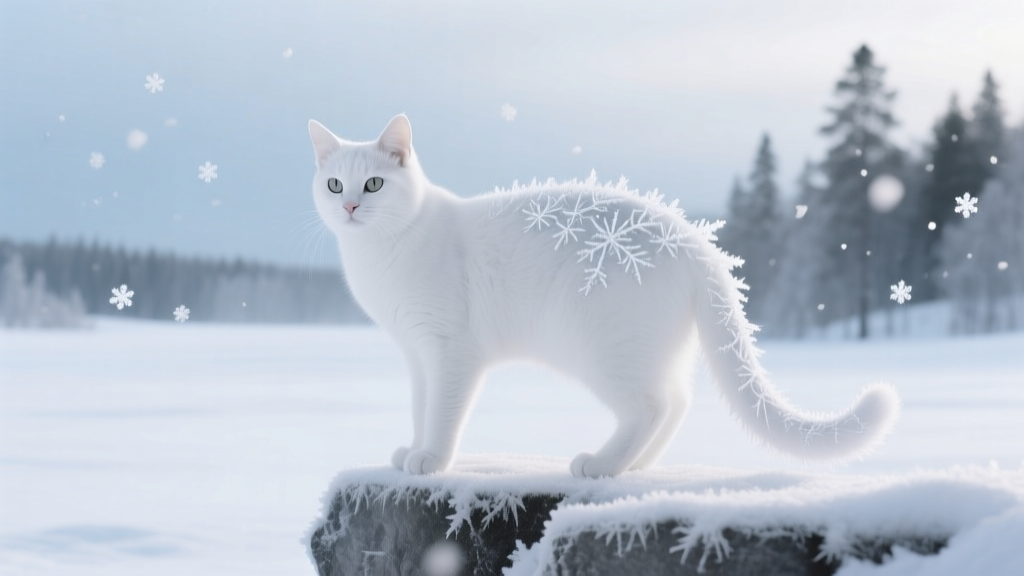
If you’ve ever wished for a cat that looks like it stepped out of a snowy forest—soft white coat, bright eyes, and a cozy, cold-weather vibe—the idea of a “Frost Cat” is instantly irresistible. People use the name Frost Cat to describe cold-climate, white-coat cat lines that share a similar look: plush insulation, pale coloring, and a hardy build that feels right at home in wintery regions.
Here’s the key detail for breed researchers and future owners: “Frost Cat” is not a single standardized breed recognized by major cat registries (like CFA, TICA, or FIFe). Instead, it’s a popular umbrella term sometimes used by rescues, catteries, and cat lovers to describe white or near-white cats with northern-breed traits—often seen in lines influenced by breeds such as the Norwegian Forest Cat, Siberian, Maine Coon, and in some cases colorpoint/northern mixes that produce that frosted, winter-cat look.
This article is written for cat enthusiasts who love the concept and want the real-world truth: what these cold-climate white coat lines typically look like, how they tend to behave, what health issues to watch for in white cats, and how to care for a plush-coated companion so they thrive year-round.
Breed History and Origin
Because the Frost Cat is a descriptor rather than a formal breed, its “history” is best understood as the overlap of two long-standing threads in cat genetics and human preference:
- Cold-climate cat types: Natural and selectively bred cats from harsh northern regions evolved toward dense undercoats, water-resistant guard hairs, sturdy bone structure, and tufting (ears, paws, and toes).
- White coat genetics: Humans have always been captivated by white cats. Over time, dominant white and white spotting genes became more common in certain lines through selective breeding and regional populations.
In practical terms, many “Frost Cats” seen today come from:
- Northern breed influence (Siberian, Norwegian Forest Cat, Maine Coon-type lines), where a cat inherits a plush coat and winter-ready body.
- White coat expression, producing a cat that’s fully white or appears “frosted” (white with pale shading).
- Regional/landrace populations in colder areas where thick coats are naturally selected, and white coats may persist due to founder effects or human preference.
So while you won’t find “Frost Cat” in registry lists, you will find plenty of cats that match the look—especially in colder regions and in mixed lines with northern ancestry.
Physical Characteristics
A Frost Cat’s appearance varies based on lineage, but these are the traits most commonly associated with cold-climate white coat lines:
| Trait | Typical Frost Cat Look | Notes |
|---|---|---|
| Size | Medium to large | Northern-type lines tend to be bigger and slower to mature. |
| Weight | 8–18 lbs (3.6–8.2 kg) | Males often larger; some Maine Coon-type mixes can exceed this. |
| Coat length | Medium-long to long | Usually a double coat: soft undercoat + protective top coat. |
| Coat texture | Plush, dense, sometimes slightly oily | Water-resistant guard hairs are common in cold-weather types. |
| Color | Solid white or “frosted” white-dominant | May be pure white, or white with subtle cream/silver shading. |
| Eyes | Gold, green, blue, or odd-eyed | Blue or odd eyes are more common in some white cats. |
| Distinctive features | Ear tufts, toe tufts, bushy tail, ruff | Classic northern silhouette: big plume tail and fluffy neck ruff. |
Coat and Color Details (What “White” Can Mean)
When people say “white Frost Cat,” they might mean:
- Dominant white (W gene): The cat appears fully white, even if genetically “colored” underneath.
- White spotting (S gene): The cat has extensive white, sometimes nearly all white.
- Colorpoint with a pale look: A cat can look “snowy” but may develop darker points on ears/face/tail as they mature (not true solid white).
Many kittens that look pure white can later show faint shading on the head or back as adult coat comes in—especially in longhaired lines. That shifting “frosted” appearance is part of the charm.
Personality and Temperament Traits
Temperament in Frost Cats depends heavily on the individual and their breeding background, but cold-climate lines tend to share a few lovable themes: they’re often steady, people-oriented, and quietly playful. Many have that “I’ll follow you from room to room” devotion without being clingy 24/7.
Common personality traits you may see:
- Affectionate but not needy: Happy to cuddle, also content to lounge nearby.
- Observant and intelligent: They learn routines quickly and notice everything.
- Playful into adulthood: Expect a kitten streak to stick around—especially with wand toys.
- Social with their people: Many do well with friendly visitors once properly introduced.
- “Helper cat” energy: They may supervise chores, keyboard-walk, and inspect groceries.
Because the Frost Cat concept often overlaps with northern-breed traits, you may also notice a love for higher perches, window-watching, and interactive play sessions that mimic hunting.
Health Considerations and Common Issues
Health risks depend on ancestry, but white coat cats—especially those with blue eyes—have a few well-established considerations. If you’re adopting a Frost Cat (or shopping responsibly from a breeder working with white lines), these are the big topics to discuss with your veterinarian.
Common Health Considerations in White Cats
- Congenital deafness: White cats with blue eyes (or sometimes odd eyes) have a higher risk of being deaf in one or both ears. Not all are affected, but it’s common enough to plan for it.
- Sun sensitivity and skin cancer risk: White ears and noses can be vulnerable to UV damage. This is especially relevant for cats that sunbathe in windows or go outdoors.
- Eye watering and tear staining: Not a disease on its own, but white fur shows staining easily, and some cats have chronic mild tearing.
Cold-Climate / Large Cat Type Considerations
- Hip dysplasia: Seen more often in larger cats and some northern-breed lines.
- Hypertrophic cardiomyopathy (HCM): A heart condition found across many breeds (and mixed cats), with higher awareness in some large-breed communities.
- Dental disease: Very common in cats generally—regular dental care matters.
Smart move: Ask for a veterinary exam, vaccination records, and—if you’re working with a breeder—health testing relevant to their lines. For adopters, request a hearing check if the cat is white with blue or odd eyes; many vets can help evaluate hearing behaviorally, and specialty clinics can perform BAER testing where available.
Care Requirements (Grooming, Exercise, Diet)
Frost Cats are all about that plush winter coat, and that beauty comes with some real upkeep. The good news: grooming can be a bonding ritual, and most cats learn to enjoy it when you start gently.
Grooming
- Brushing: 2–4 times per week for most longhaired, double-coated cats; daily during seasonal sheds.
- Tools: A wide-tooth comb for the undercoat + a slicker brush for the top coat. Use a gentle de-matting approach—never yank.
- High-tangle zones: Behind the ears, under the “armpits,” belly, and the base of the tail.
- Bathing: Occasional baths can help keep a white coat bright, but many cats do fine with spot-cleaning and regular brushing.
- Eye and face cleaning: If tear staining happens, wipe with a damp, soft cloth (no harsh chemicals) and ask your vet about persistent tearing.
Exercise and Enrichment
Cold-climate types often combine athletic ability with a laid-back lounge mode. Aim for consistent daily play:
- Interactive play: 10–15 minutes, 1–2 times daily (wand toys, chase games).
- Climbing: A sturdy cat tree (these cats can be heavy and powerful jumpers).
- Puzzle feeders: Great for intelligent cats that like to “work” for food.
- Window entertainment: Bird feeders outside a window can be prime cat TV.
Diet
Frost Cats often have larger frames and thick coats, so nutrition should support healthy muscle and skin/coat condition.
- Protein-forward diet: Look for quality animal protein as a primary ingredient.
- Portion control: Big fluffy coats can hide weight gain—use a scale and body condition checks.
- Omega-3s: Vet-approved omega-3 supplementation (or omega-rich foods) can support coat sheen and skin health.
- Hydration: Water fountains help many cats drink more; wet food can also boost moisture intake.
If your Frost Cat is a true longhair, preventing hairballs is also a quality-of-life win: brushing, hydration, and vet-guided diet choices go a long way.
Compatibility with Families, Children, and Other Pets
Most Frost Cats—especially those with sociable northern-line traits—can be wonderful family cats. Success depends on matching energy levels and doing introductions thoughtfully.
- With children: Usually good with gentle, respectful kids. Teach children to avoid grabbing the tail or belly and to let the cat choose interaction.
- With dogs: Often workable if the dog is calm and cat-savvy. Slow introductions and safe vertical escape routes are essential.
- With other cats: Many do well, particularly if introduced gradually. They often enjoy a companion with a similar play style.
If your Frost Cat is deaf (which is possible in white, blue-eyed cats), keep them indoors and prioritize routine. Deaf cats can be incredibly affectionate and confident—they just need a home set up for safety (no surprise grabs, use visual cues, and consider vibrating floor taps or lights for communication).
Pros and Cons of Owning a Frost Cat
| Pros | Cons |
|---|---|
| Stunning white or frosted coat with a “snow cat” presence | Heavy shedding and seasonal coat blows in many lines |
| Often friendly, steady temperament (especially northern-type mixes) | Grooming is not optional for longhaired, double-coated cats |
| Great for people who enjoy interactive play and bonding routines | White cats may be more prone to sun sensitivity; indoor lifestyle is safest |
| Can fit well in families and multi-pet homes with proper introductions | Potential risk of congenital deafness in some white, blue-eyed cats |
| Big, plush cats are often wonderful “comfort companions” | Larger frames may carry higher risk for hip or heart issues depending on ancestry |
FAQ: Frost Cat (Cold-Climate White Coat Lines)
Is the Frost Cat an official cat breed?
No. Frost Cat is a popular descriptor for white or frosted, cold-climate type cats, not a registry-recognized breed. Individual cats may be purebred (like a white Siberian) or mixed.
Are white Frost Cats more likely to be deaf?
Some are. White cats with blue eyes (or sometimes odd eyes) have an increased risk of congenital deafness. Many white cats hear normally, but it’s worth discussing testing options with your vet if you’re adopting a white, blue-eyed cat.
Do Frost Cats shed a lot?
Many do—especially if they have a thick double coat. Expect heavier shedding during seasonal changes and plan for regular brushing to prevent mats and reduce hairballs.
Can a Frost Cat live happily in a warm climate?
Yes, as long as they live indoors with good temperature control, fresh water, and grooming support. Their coats are insulating, so watch for overheating, provide cool resting spots, and keep play sessions comfortable.
What eye colors can Frost Cats have?
Depending on genetics, Frost Cats may have gold, green, blue, or odd eyes. White coats can appear alongside many eye colors, but blue and odd eyes are often especially admired.
How do I find a Frost Cat responsibly?
Start with reputable shelters and rescues (many gorgeous white, plush-coated cats need homes). If you’re seeking a specific northern-breed influence, work with ethical breeders who provide health testing and prioritize temperament. Avoid anyone who won’t share veterinary records or who markets extreme traits over wellness.
A Warm Signoff for Future Frost Cat Fans
The Frost Cat look—snowy coat, plush ruff, and that cozy cold-climate aura—captures something magical about living with cats. Whether your companion is a rescue with a winter coat and bright eyes, or a carefully bred northern-line cat with a naturally white jacket, the best Frost Cats share the same essentials: a healthy body, a confident temperament, and a home that treats their coat (and their heart) with real care.
If you’re enchanted by white cats, northern breeds, and all things fluffy and wintery, you’re in the right place. Explore more breed profiles, care guides, and cat personality deep-dives on catloversbase.com—your next favorite feline might be waiting there.