How to Fix Cat Behavior DIY
Why DIY Cat Behavior Fixes Matter More Than Ever
If you’ve ever searched how to fix cat behavior diy, you’re not alone—and you’re likely exhausted. Maybe your cat suddenly started urinating outside the litter box, scratching your couch like it’s a jungle gym, or attacking your ankles at 4 a.m. You want real solutions—not expensive trainers, not prescription meds, and definitely not surrendering to chaos. The good news? Over 78% of common feline behavior issues are rooted in unmet environmental needs or miscommunication—not ‘bad cats’ or broken personalities. With evidence-based, low-cost interventions, most owners successfully resolve problems within 2–6 weeks. And yes—you can do it yourself.
Step 1: Rule Out Medical Causes (The Non-Negotiable First Move)
Before any DIY strategy begins, rule out pain or illness. A 2022 study in the Journal of Feline Medicine and Surgery found that 54% of cats presenting with sudden aggression, inappropriate elimination, or excessive vocalization had underlying medical conditions—including UTIs, hyperthyroidism, dental disease, or early-stage arthritis. Ignoring this step isn’t just ineffective—it’s dangerous.
Here’s what to do: Schedule a full wellness exam with your veterinarian. Request a urinalysis (especially if litter box issues exist), bloodwork (T4, kidney panel), and a gentle oral/dental check. Ask specifically: “Could this behavior be pain-related?” Many cats mask discomfort until it’s severe. One client, Maria from Portland, discovered her 9-year-old tabby’s ‘territorial spraying’ was actually cystitis—treated with antibiotics and litter box modifications. Her DIY plan only worked after the medical layer was addressed.
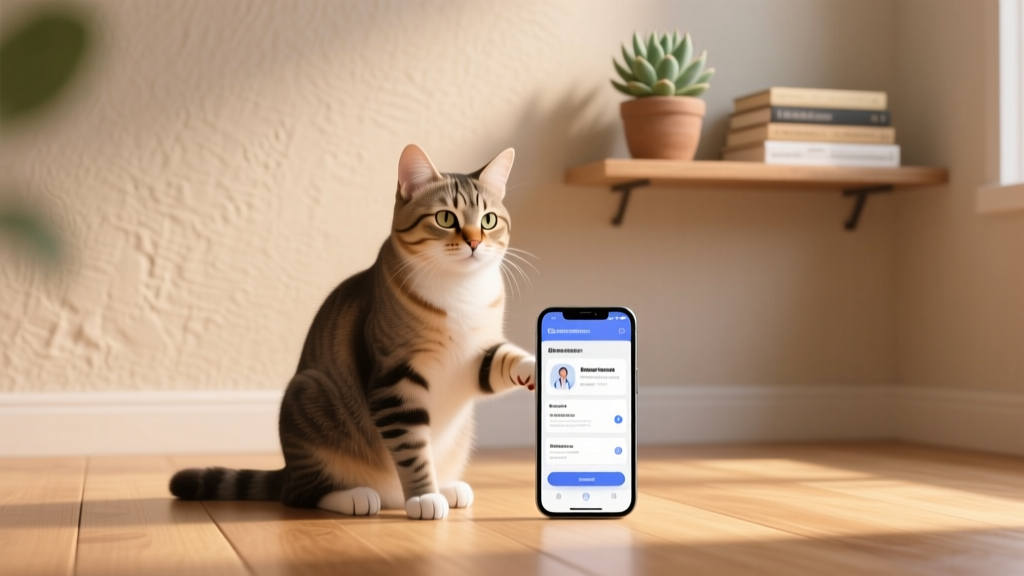
Pro tip: Keep a 7-day behavior log before your vet visit. Note timing, location, triggers (e.g., ‘scratches couch after I leave for work’), duration, and physical signs (limping, squinting, licking paws excessively). This data helps your vet spot patterns faster.
Step 2: Decode the ‘Why’ Behind the Behavior
Cats don’t misbehave—they communicate. Every action is functional: scratching spreads scent and stretches muscles; biting during petting signals overstimulation; yowling at night may reflect anxiety or cognitive decline. Misreading the function leads to counterproductive fixes. For example, punishing a cat for scratching furniture doesn’t teach alternatives—it teaches fear of you.
Use the ‘ABC Model’ (Antecedent-Behavior-Consequence) to map one recurring issue:
- Antecedent: What happened right before? (e.g., You closed the bedroom door.)
- Behavior: What did the cat do? (e.g., Scratched the doorframe, then meowed loudly.)
- Consequence: What happened next? (e.g., You opened the door—or yelled.)
In this case, the consequence (door opening) reinforces the behavior—even if yelling was intended as punishment. Your cat learned: ‘Scratching + meowing = access.’
According to Dr. Mikel Delgado, certified cat behavior consultant and researcher at UC Davis, “Cats respond to consequences—not intentions. If a behavior persists, something in the environment is reinforcing it, whether you realize it or not.”
Step 3: Redesign the Environment (Your Most Powerful DIY Tool)
Feline behaviorist Dr. Sarah Heath emphasizes: “You cannot train away stress. You must build security.” Cats thrive on predictability, vertical space, safe retreats, and control over resources. DIY environmental enrichment isn’t ‘spoiling’—it’s meeting core ethological needs.
Start with the Five Pillars of a Healthy Feline Environment (developed by the American Association of Feline Practitioners):
- Safe Place: At least one elevated, enclosed hideaway per cat (e.g., covered cat bed on a shelf, cardboard box with blanket).
- Multiple & Separated Key Resources: Litter boxes (n+1 rule), food/water stations, scratching posts—all spaced apart and away from noise or high-traffic zones.
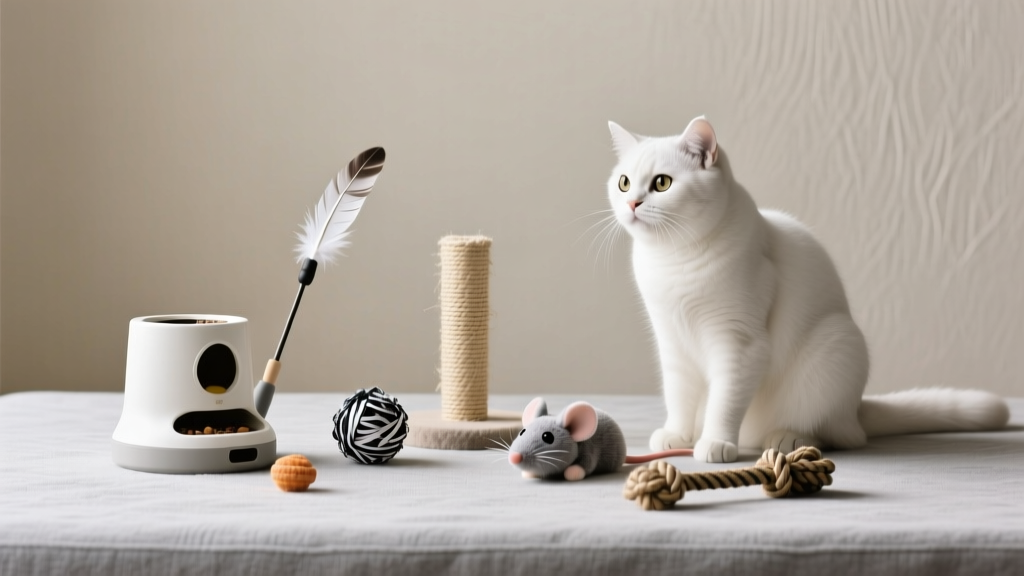
- Opportunity for Play & Predation: Two 15-minute interactive play sessions daily using wand toys (never hands/feet!) to simulate hunting sequence: stalk → chase → pounce → kill → eat → groom.
- Positive, Consistent Human-Cat Interaction: Let the cat initiate contact. Reward calm approaches with treats—not forced petting.
- Respect for Your Cat’s Sense of Smell: Avoid citrus- or pine-scented cleaners near litter boxes or sleeping areas. Use enzymatic cleaners for accidents—never ammonia-based.
A real-world win: When Ben in Austin moved his single litter box from the noisy laundry room to a quiet hallway closet (with the door propped open), his 3-year-old rescue stopped eliminating on the rug within 5 days. Why? Reduced anxiety + better accessibility.
Step 4: Apply Positive Reinforcement (Not Punishment)
Punishment (spraying water, yelling, clapping) increases fear, erodes trust, and often worsens behavior. Instead, use positive reinforcement: rewarding desired behaviors *in the moment* they occur.
Key principles:
- Timing matters: Treat within 1–2 seconds of the behavior.
- Use high-value rewards: Tiny bits of cooked chicken, tuna flakes, or commercial treats like Greenies® Soft Chews—not kibble.
- Shape behavior gradually: Reward successive approximations. Example: To stop counter-surfing, reward your cat for standing on the floor near the counter → then for sitting → then for looking away when you’re cooking.
Case study: Luna, a 5-month-old Bengal, attacked ankles at dawn. Her owner started tossing treats onto her mat *before* the attack window (5:45 a.m.), then gradually shifted treat timing to 6:00 a.m. while playing with a wand toy. Within 12 days, Luna associated early morning with play—not prey—and the attacks ceased.
Remember: Never use punishment-based tools like shock collars, citronella sprays, or sticky tape on furniture. They violate AVMA and IAABC ethical guidelines and damage your relationship.
| Step | Action | Tools Needed | Expected Timeline for Change |
|---|---|---|---|
| 1. Medical Check | Schedule vet exam + diagnostics (urinalysis, bloodwork) | Vet appointment, behavior log | 0–7 days (diagnosis); behavior shifts only after resolution |
| 2. ABC Mapping | Log 3–5 occurrences of target behavior using Antecedent-Behavior-Consequence framework | Pen & notebook or free app (e.g., CatLog) | 1–3 days to identify pattern |
| 3. Environmental Audit | Apply Five Pillars checklist; add/remove/adjust resources | Litter boxes, scratching posts, cardboard boxes, wand toys, enzymatic cleaner | Immediate reduction in stress signs; behavior changes in 3–14 days |
| 4. Reinforcement Protocol | Deliver treats/touch/play within 2 sec of desired behavior; track progress daily | High-value treats, timer, simple spreadsheet | Noticeable improvement in 5–10 days; consistent change in 2–4 weeks |
| 5. Patience & Consistency | Maintain routine; avoid reverting to old habits (e.g., scolding) | Support system (partner, online group), self-compassion | Ongoing—relapses drop significantly after 6 weeks |
Frequently Asked Questions
Can I really fix serious behavior issues like aggression or urine marking without a professional?
Yes—but with critical caveats. Mild to moderate issues (e.g., occasional scratching, playful biting, mild anxiety-based vocalizing) respond well to DIY methods. However, if your cat shows redirected aggression (attacking you after seeing another cat outside), unprovoked growling/hissing, or persistent urine marking >2 weeks post-medical clearance, consult a board-certified veterinary behaviorist (DACVB) or IAABC-certified cat behavior consultant. DIY works best when used *alongside* expert guidance—not instead of it when safety is at risk.
What’s the #1 mistake people make when trying to fix cat behavior themselves?
The #1 error is skipping the medical screen and assuming it’s ‘just behavior.’ Second is inconsistency—e.g., rewarding calm behavior one day but scolding the same cat the next for the same action. Cats learn through repetition and predictability. Inconsistent consequences confuse them and prolong problems. Third is anthropomorphizing: interpreting behavior as ‘spite’ or ‘revenge,’ which delays effective intervention.
Will getting a second cat help fix my current cat’s behavior?
Rarely—and often makes things worse. Introducing a new cat without proper, slow, scent-based introduction can trigger territorial stress, leading to increased hiding, urine marking, or aggression. Unless your cat has been observed seeking out feline companionship (e.g., rubbing noses with neighbor cats through windows), adding another cat is not a DIY behavior solution. Focus on enriching your current cat’s environment first.
Do clicker training and treats work for cats—or is that just for dogs?
They work exceptionally well—for cats who are food-motivated (most are!). Clicker training builds clear communication: the ‘click’ marks the exact moment of desired behavior, followed by a treat. Start with simple targets (touching nose to a spoon), then shape complex behaviors like entering a carrier or sitting on command. Dr. John Bradshaw’s research at Bristol University confirms cats learn faster with positive markers than verbal praise alone. Just keep sessions under 3 minutes and stop before interest wanes.
How long should I wait before giving up on a DIY approach?
Give it 4–6 weeks of consistent, correctly applied effort—if medical causes are ruled out and you’ve followed all five pillars rigorously. If zero improvement occurs—or behavior escalates (e.g., biting breaks skin, frequent bloody scratches)—seek professional help immediately. Waiting longer risks entrenchment and secondary issues like chronic anxiety.
Common Myths About DIY Cat Behavior Fixes
Myth 1: “Cats can’t be trained—they’re too independent.”
Reality: Cats are highly trainable—but on their own terms. They respond best to short, reward-based sessions tied to their natural motivations (play, food, safety). Independence doesn’t mean unwillingness—it means they require respect for autonomy and clear cause-effect learning.
Myth 2: “Spraying vinegar or citrus on furniture will stop scratching.”
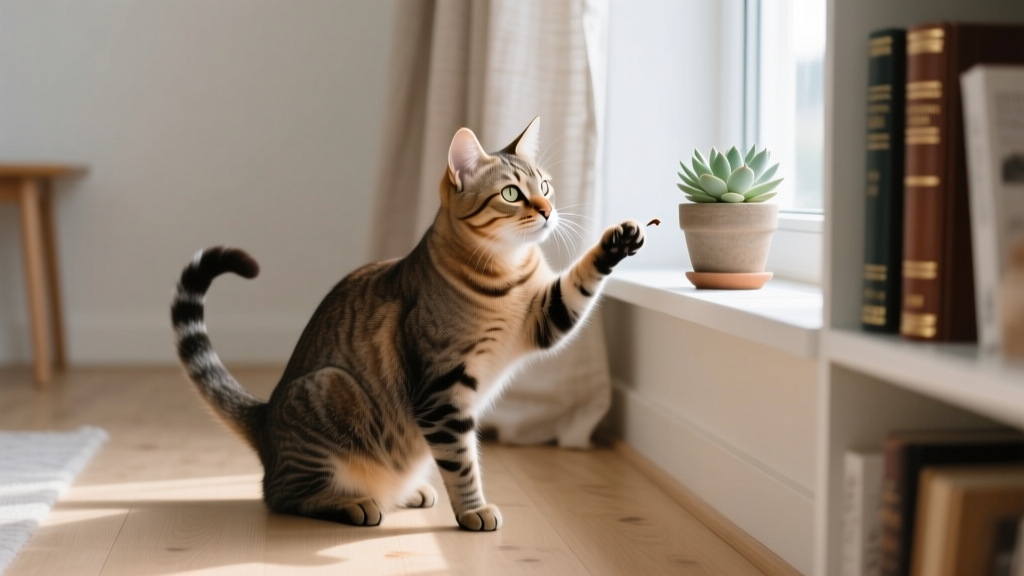
Reality: While cats dislike strong citrus scents, this only masks the problem—and may cause stress or redirect scratching elsewhere. It does nothing to address the root need: claw maintenance, stretching, or scent marking. Provide appealing alternatives (sisal rope posts, cardboard scratchers) *and* place them where scratching currently occurs.
Related Topics (Internal Link Suggestions)
- Understanding Cat Body Language — suggested anchor text: "read your cat's tail flicks and ear twitches"
- Best Litter Boxes for Multi-Cat Households — suggested anchor text: "low-tracking, high-sided litter boxes"
- How to Introduce a New Cat Safely — suggested anchor text: "stress-free cat introduction timeline"
- DIY Calming Cat Toys and Enrichment — suggested anchor text: "homemade puzzle feeders for bored cats"
- When to See a Veterinary Behaviorist — suggested anchor text: "signs your cat needs professional behavior help"
Your Next Step Starts Today—And It’s Simpler Than You Think
You now know how to fix cat behavior DIY—not with gimmicks or guesswork, but with science, empathy, and structure. You don’t need a degree or deep pockets. You need observation, consistency, and the courage to see your cat’s actions as communication—not defiance. Pick *one* behavior to focus on this week. Map its ABC pattern. Adjust *one* environmental element (e.g., add a second litter box or move the scratching post beside the sofa). Celebrate tiny wins—even noticing your cat choosing the post over the couch once counts. Real change compounds quietly. And when you succeed? You won’t just solve a problem—you’ll deepen a bond built on mutual understanding. Ready to start? Download our free 7-Day Behavior Tracker and begin your first log tonight.