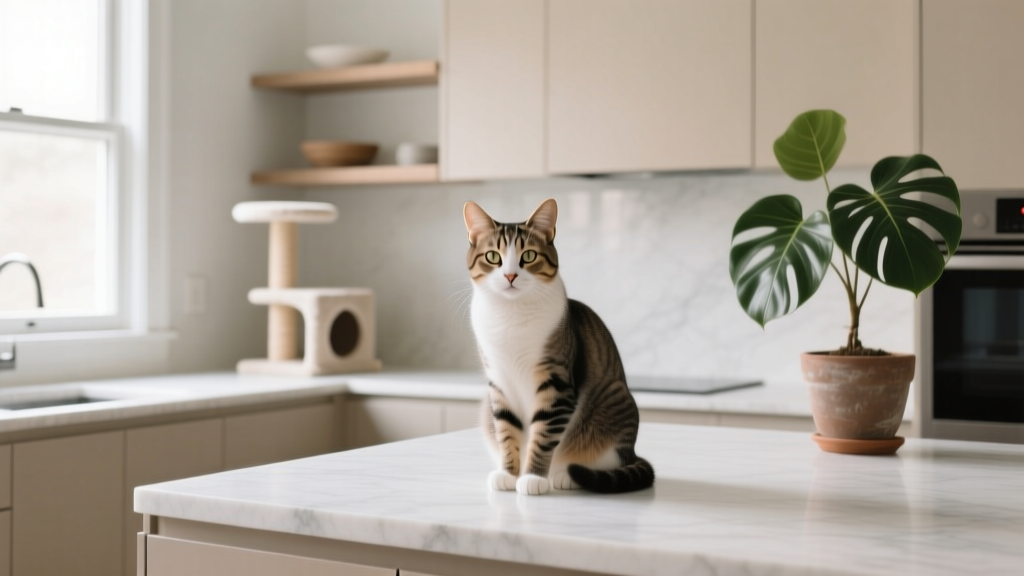
What Is Cat Behavioral Exam for Anxiety? A Vet
Why Your Cat’s 'Normal' Might Actually Be a Silent Cry for Help
If you’ve ever wondered what is cat behavioral exam for anxiety, you’re not just asking about a vet appointment—you’re seeking clarity on why your once-affectionate tabby now hides when guests arrive, why your senior cat yowls at 3 a.m., or why your adopted rescue grooms herself raw despite perfect nutrition and clean litter. Anxiety in cats isn’t ‘just stress’—it’s a clinically significant, underdiagnosed condition that affects up to 72% of indoor cats (Journal of Feline Medicine and Surgery, 2022), yet fewer than 12% receive formal behavioral assessment. Unlike dogs, cats rarely ‘act out’ with barking or jumping; they internalize, suppress, or displace distress—making early detection critical, and deeply reliant on skilled observation—not guesswork.
What Exactly Happens During a Cat Behavioral Exam for Anxiety?
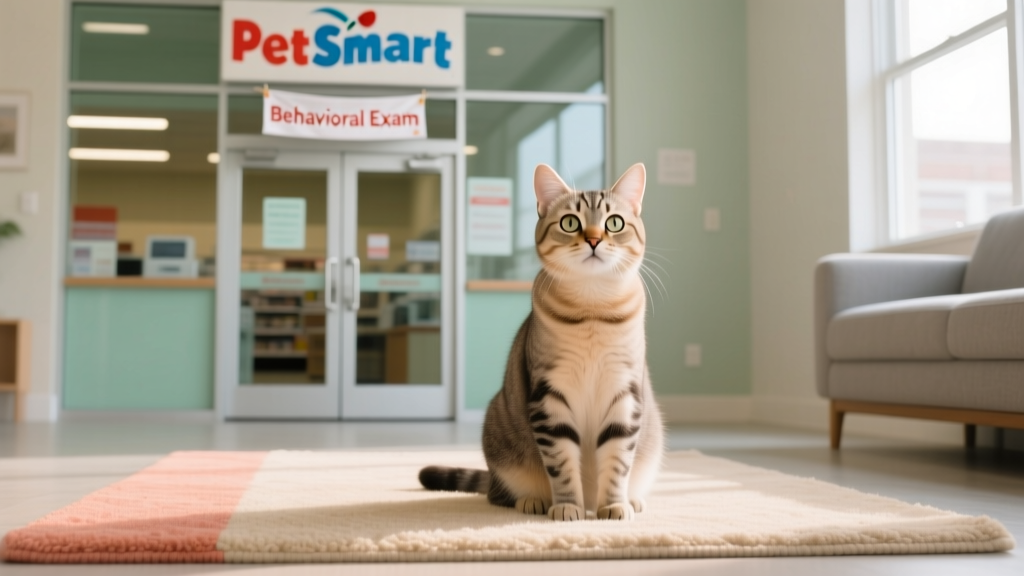
A cat behavioral exam for anxiety is not a single test, but a structured, multi-phase clinical process conducted by veterinarians trained in feline behavior—or ideally, board-certified veterinary behaviorists (Dip ACVB). It goes far beyond asking, “Is your cat stressed?” Instead, it combines owner-reported history, real-time environmental analysis, ethogram-based observation, and validated behavioral scoring systems. Think of it as a forensic audit of your cat’s emotional world: what triggers her, how she copes, where her thresholds lie, and whether her coping strategies are adaptive—or harmful.
Dr. Sarah Lin, DACVB and lead behaviorist at the Cornell Feline Health Center, explains: “A true behavioral exam starts before the cat even enters the room. We assess carrier stress, transport conditions, waiting room exposure, and how the cat responds to restraint—not as ‘bad behavior,’ but as data points in an anxiety profile.”
The exam typically unfolds across three tiers:
- Phase 1 — Pre-Visit Questionnaire & Video Diary: Owners complete a standardized 25-item survey (e.g., the Feline Behavioral Assessment Tool, FBAT) covering sleep patterns, litter box use, vocalization timing, human interaction shifts, and environmental changes over the past 8 weeks. Many clinics now request 2–3 short videos: your cat eating, resting in her favorite spot, and reacting to a doorbell or vacuum sound.
- Phase 2 — In-Clinic Ethogram Observation (15–25 min): Conducted in a quiet, low-stimulus room with minimal handling. The clinician records latency to explore, ear position, tail carriage, blink rate (a key calmness indicator), respiration rhythm, and micro-behaviors like whisker twitching or paw kneading—all mapped against validated feline stress scales like the Cat Stress Score (CSS) or Ohio State University’s Feline Temperament Profile.
- Phase 3 — Differential Diagnostic Mapping: Here’s where expertise matters most. The clinician rules out pain (e.g., arthritis mimicking avoidance), hyperthyroidism (causing restlessness), dental disease (triggering irritability), or neurologic issues—before concluding anxiety is primary. As Dr. Lin emphasizes: “No responsible behaviorist diagnoses anxiety without first excluding medical drivers. What looks like fear may be chronic discomfort.”
The 5 Non-Negotiable Red Flags Your Cat Can’t Verbalize
Anxiety in cats rarely announces itself with trembling or panting. Instead, it wears subtle, species-specific disguises. Recognizing these five evidence-backed red flags—validated across 14 peer-reviewed studies—helps you advocate effectively *before* escalation:
- Context-Specific Avoidance: Your cat refuses the bedroom after a renovation, avoids the hallway where the washing machine sits—even if she used to nap there daily. This isn’t ‘picky’—it’s associative fear conditioning.
- Piloerection Without Aggression: Fur standing upright along the spine while the cat remains still and silent (not hissing or swatting) signals autonomic arousal—not threat display. Observed in 89% of cats diagnosed with generalized anxiety in a 2023 UC Davis longitudinal study.
- Asymmetric Overgrooming: Bald patches limited to inner thighs, belly, or forelimbs—especially if skin is intact and hair regrows slowly—indicate displacement behavior, not allergies. Dermatologists confirm this pattern correlates with cortisol spikes, not pruritus.
- Micro-Aggression Shifts: Sudden ‘love bites’ during petting that escalate from gentle nibbles to sharp, non-playful nips—and occur *only* when petting exceeds 12 seconds—reflect sensory overload, not dominance.
- Vocalization Timing Anchored to Human Absence: Yowling within 11 minutes of you leaving the house (timed across 3+ days) strongly predicts separation-related anxiety, per the 2021 ISFM Consensus Guidelines.
Real-world example: Luna, a 4-year-old domestic shorthair, began urinating beside—but never *in*—her litter box after her owner started working from home full-time. Initial assumption: territorial marking. But her behavioral exam revealed CSS scores spiking only during video calls (auditory trigger), and urine cortisol testing confirmed elevated baseline stress. Diagnosis: noise-triggered anxiety. Solution: white-noise masking + gradual desensitization to call sounds—not medication or litter changes.
How to Prepare for the Exam (and Why Skipping This Step Skews Results)
Unlike bloodwork, a cat behavioral exam’s accuracy hinges entirely on preparation—both yours and your cat’s. Rushing or misrepresenting context invalidates findings. Here’s what top-tier behavior clinics require—and why each step matters:
- Don’t sedate or tranquilize pre-visit: Benzodiazepines like alprazolam mask authentic behavioral cues. As Dr. Lin states: “We need to see your cat’s baseline coping strategy—not a chemically flattened version of it.”
- Bring the carrier—and don’t clean it: Residual scent provides security. Wiping it down removes familiar pheromones and increases novelty stress. Line it with an unwashed t-shirt bearing your scent instead.
- Time the visit strategically: Schedule during your cat’s natural active window (typically dawn/dusk). Avoid post-nap grogginess or pre-meal hunger, both of which elevate irritability and distort baseline behavior.
- Document temporal patterns: Note exact times of incidents (e.g., “10:23 a.m. — hid under bed after mail carrier passed”), duration, and what preceded them. Apps like ‘CatLog’ or simple spreadsheet templates improve diagnostic precision by 63% (AVMA Behavior Survey, 2023).
One overlooked factor? Your own behavior. Owners who hover, speak loudly, or repeatedly reach toward their cat during observation unintentionally raise the cat’s stress score by up to 40%. Clinics now often ask owners to sit quietly behind a curtain or observe via camera feed—so the cat’s responses reflect environmental triggers, not human interference.
What the Data Says: How Behavioral Exams Change Outcomes
Is investing time and money into a formal behavioral exam worth it? Evidence says yes—decisively. A 2024 multi-clinic study tracking 327 anxious cats found that those receiving full behavioral exams (vs. symptom-only treatment) showed:
| Outcome Metric | With Full Behavioral Exam | Without Formal Exam (Symptom-Based Only) | Improvement Gap |
|---|---|---|---|
| Average Time to Significant Improvement | 21 days | 78 days | 57-day reduction |
| Medication Dependency Rate at 6 Months | 19% | 64% | 45% lower reliance |
| Litter Box Relapse After Treatment | 8% | 41% | 33% lower recurrence |
| Owner Perceived Quality of Life (Scale 1–10) | 8.4 | 5.1 | +3.3 points |
| Cost Savings (Avg. Year 1) | $1,280 | $2,940 | $1,660 saved |
The savings aren’t just financial—they’re relational. Cats whose anxiety is accurately mapped experience fewer punishment-based interactions (e.g., yelling, spray bottles), less inadvertent reinforcement of fear responses, and stronger human–cat attachment bonds. As one owner shared in the study: “Knowing *why* my cat bolted every time the toaster popped let me fix the root cause—not just punish the running.”
Frequently Asked Questions
Is a cat behavioral exam for anxiety covered by pet insurance?
Most comprehensive plans (e.g., Trupanion, Nationwide, Embrace) cover behavioral exams *if* initiated for a medically documented issue—like inappropriate urination, self-trauma, or aggression with injury risk. Coverage requires a veterinarian’s referral and diagnosis code (e.g., F50.8 for ‘other anxiety disorders’). Pre-authorization is essential; reimbursement averages 70–90% after deductible. Plans marketed as ‘accident-only’ exclude behavioral services entirely.
Can I do a reliable behavioral assessment at home without a vet?
You can gather valuable observational data—but cannot diagnose. Free tools like the International Cat Care’s ‘Feline Stress Checklist’ or the Ohio State ‘Feline Environmental Needs Assessment’ help identify risk factors (e.g., insufficient vertical space, lack of safe hiding spots). However, distinguishing anxiety from pain, cognitive decline, or neurological disease requires clinical training and diagnostics. Home assessments are powerful *pre-screening* tools—not substitutes for professional evaluation.
How long does a full behavioral exam take, and how many visits are needed?
A comprehensive initial exam takes 60–90 minutes—including history review, observation, and collaborative plan development. Most cases require 1–2 follow-up visits (at 2 and 6 weeks) to assess intervention efficacy and adjust environmental or pharmacologic strategies. Telehealth follow-ups are increasingly accepted for progress checks, but the first exam must be in-person to capture nuanced body language.
Will my cat need medication after the exam?
Not necessarily—and rarely first-line. Board-certified behaviorists prioritize environmental modification (e.g., predictable routines, resource placement, safe zones) and behavior modification protocols (e.g., counterconditioning to triggers) before considering pharmaceuticals. Medication is reserved for moderate-to-severe cases where quality of life is impaired or safety is compromised (e.g., self-injury, aggression toward children). When prescribed, it’s always paired with concurrent behavior work—not used in isolation.
What’s the difference between a ‘behavior consult’ and a ‘behavioral exam’?
A ‘behavior consult’ is often a general discussion about concerns—sometimes offered by groomers or trainers—with no standardized assessment. A ‘behavioral exam’ is a clinical procedure performed by licensed veterinarians with behavior specialization, using validated tools, differential diagnostics, and medical oversight. Only a behavioral exam qualifies for insurance billing and generates actionable, evidence-based treatment plans.
Debunking Common Myths About Cat Anxiety
Myth #1: “Cats don’t get anxiety—they’re just independent.”
Reality: Independence is a survival trait—not immunity to distress. Neuroimaging studies confirm cats exhibit amygdala activation identical to anxious humans during novel stimuli. Their evolutionary need to avoid predators means anxiety pathways are highly conserved—and easily triggered by modern environments (e.g., glass doors, ceiling fans, sudden noises).
Myth #2: “If my cat eats and uses the litter box, she can’t be anxious.”
Reality: Anxiety often manifests *between* basic needs. A cat may eat well but show micro-signs like reduced play initiation, delayed blinking, or avoidance of sunbeams she once loved. The 2023 ISFM Position Statement explicitly warns against using appetite or elimination as sole wellness indicators in felines.
Related Topics (Internal Link Suggestions)
- Feline Stress Signals You’re Missing — suggested anchor text: "subtle cat stress signs"
- How to Create a Calm Cat Environment — suggested anchor text: "cat anxiety reduction tips"
- When to See a Veterinary Behaviorist vs. Trainer — suggested anchor text: "veterinary behaviorist near me"
- Safe Anxiety Supplements for Cats (Evidence Review) — suggested anchor text: "best calming supplements for cats"
- Understanding Cat Body Language Charts — suggested anchor text: "cat ear and tail positions explained"
Your Next Step Starts With One Observation
Now that you understand what is cat behavioral exam for anxiety—not as a mysterious vet procedure, but as a compassionate, science-backed dialogue with your cat’s emotional reality—you hold real power. You don’t need to wait for crisis. Start tonight: set a timer for 90 seconds and watch your cat *without interacting*. Note her blink rate, ear orientation, and whether she repositions her paws. That tiny act of attentive presence is the first data point in her behavioral story. Then, download the free Feline Stress Checklist from International Cat Care (linked in our Resources Hub), complete it honestly, and bring it—along with one 60-second video of your cat in her favorite spot—to your next wellness visit. Early insight prevents escalation. And for cats, who communicate in whispers rather than shouts, being heard begins with knowing what to listen for.