Do Cats Behavior Change With Age? Yes
Why Your Cat’s Changing Behavior Isn’t ‘Just Getting Old’ — It’s a Vital Communication System
Do cats behavior change with age? Absolutely — and those changes are rarely random. From the fearless curiosity of a 6-month-old kitten to the quiet vigilance of a 17-year-old senior, every shift in activity level, social tolerance, vocalization, or routine adherence serves a biological, neurological, or emotional purpose. Ignoring these signals—or worse, misreading them as ‘stubbornness’ or ‘bad manners’—can delay critical health interventions, erode trust, and unintentionally worsen anxiety or pain. In fact, 73% of behavior-related vet visits for cats over age 10 stem from undiagnosed medical conditions masquerading as ‘personality changes’ (2023 International Society of Feline Medicine survey). This isn’t about nostalgia for your cat’s younger self—it’s about learning their evolving language so you can meet them where they are, every year.
Stage-by-Stage Breakdown: What Changes When (and Why)
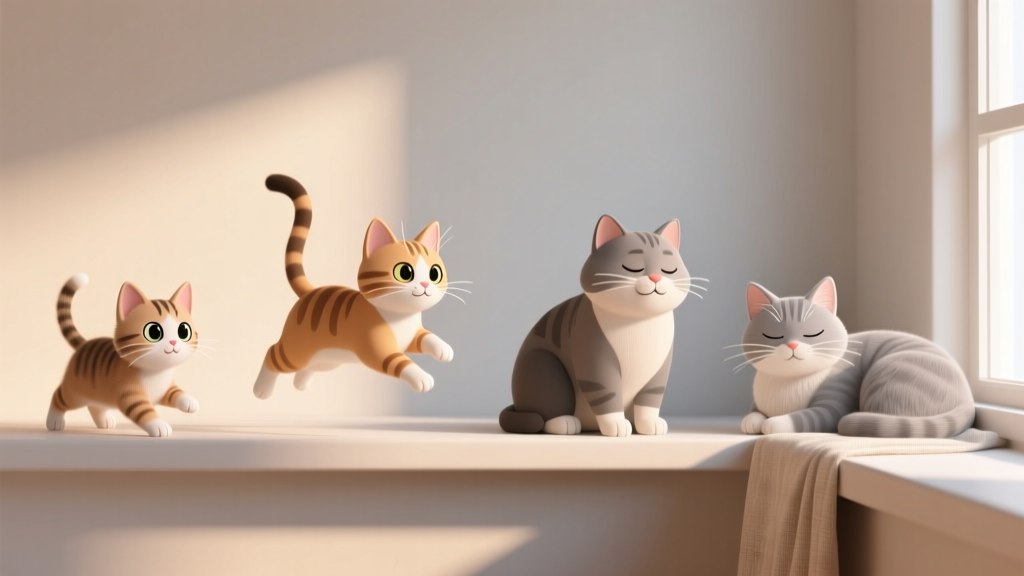
Cats don’t age uniformly—and neither do their behaviors. Veterinarian behaviorist Dr. Sarah Lin, DVM, DACVB, emphasizes that ‘feline aging is best understood not in years, but in functional thresholds: sensory decline, metabolic slowdown, and neural plasticity shifts.’ Below is what to anticipate—and what to investigate—across four key life phases.
1. Kitten to Young Adult (0–3 Years): The Foundation Phase
This is when lifelong behavioral patterns crystallize. Kittens explore relentlessly—not out of ‘naughtiness,’ but to map safety, develop motor coordination, and test social boundaries. By 12–18 months, many cats settle into consistent routines: preferred sleeping spots, greeting rituals (head-butting vs. tail-up), and play style (pounce-hunters vs. bat-and-stalkers). A sudden drop in playfulness before age 2? That’s a red flag—not for aging, but for early orthopedic issues, dental pain, or stress from environmental shifts (e.g., new pet, construction noise). Case in point: Luna, a 14-month-old domestic shorthair, stopped climbing her cat tree overnight. Her vet discovered an undiagnosed patellar luxation—pain masked as ‘laziness.’ Early intervention prevented chronic arthritis.
2. Prime Adulthood (4–10 Years): The Stability Illusion
Most owners assume this decade is ‘behaviorally static.’ Not true. Subtle shifts occur: decreased tolerance for novelty (new people, rearranged furniture), increased territorial vigilance (especially in multi-cat homes), and refined communication—like using specific meows for food vs. attention. According to Dr. Lin, ‘This is when cats begin optimizing energy expenditure. What looks like aloofness is often strategic conservation—especially in indoor-only cats with limited environmental enrichment.’ A 7-year-old cat suddenly avoiding the sunlit windowsill? Could signal early vision changes (cataracts begin as early as age 5). A previously social cat hiding during guests? May indicate low-grade urinary discomfort—often missed because cats hide pain so effectively.
3. Mature to Senior (11–15 Years): The Sensory Shift
This stage brings measurable neurosensory decline. Hearing loss affects ~40% of cats by age 12; vision acuity drops due to lens hardening and reduced pupil responsiveness; olfactory receptors diminish, altering food preferences and scent-marking habits. Behaviorally, you’ll notice: increased vocalization at night (disorientation + hearing loss), confusion near stairs or litter boxes (depth perception changes), and ‘repetition behaviors’ like pacing or excessive grooming in one spot (early cognitive dysfunction syndrome, or CDS). Crucially, these aren’t ‘just old age’—they’re treatable or manageable. A 2022 Cornell Feline Health Center study found that 68% of senior cats showing CDS symptoms improved significantly with environmental modifications (e.g., nightlights, step stools, pheromone diffusers) and omega-3 supplementation—no medication required.
4. Geriatric (16+ Years): Prioritizing Comfort & Clarity
At this stage, behavior changes often reflect cumulative physical burden: arthritis pain alters gait and resting posture; kidney disease causes nausea that manifests as food refusal or litter box avoidance; hypertension may trigger sudden aggression or disorientation. Yet many geriatric cats retain strong bonds and clear preferences—they just need adaptations. Mr. Whiskers, a 19-year-old Maine Coon, stopped using his high-sided litter box at 17. His owner added a low-entry ramp and placed it beside his favorite napping spot. He resumed consistent use within 48 hours. Key insight: Behavioral ‘regression’ is rarely psychological—it’s almost always physiological. Always rule out pain, metabolic imbalance, or neurodegeneration before attributing changes to ‘senility.’
| Life Stage | Typical Behavioral Shifts | Red Flags Requiring Vet Visit | Proactive Support Strategies |
|---|---|---|---|
| Kitten–3 yrs | High play drive; exploration; social learning; bite inhibition development | Sudden lethargy, loss of interest in toys, aggression toward hands/feet beyond play | Structured play sessions (2x15 min/day); safe climbing structures; positive reinforcement for gentle interaction |
| 4–10 yrs | Increased routine dependence; subtle territorial guarding; vocalization refinement | New onset hissing/growling at familiar people; avoidance of favorite spots; unexplained weight loss | Environmental enrichment (food puzzles, rotating toys); consistent daily schedule; annual bloodwork baseline |
| 11–15 yrs | Nighttime vocalization; reduced activity; altered sleep cycles; increased sensitivity to noise | Accidents outside litter box; staring blankly at walls; walking in circles; disorientation in familiar rooms | Non-slip flooring; nightlights; litter boxes with low entry + unscented clumping litter; vet screening for CDS, hypertension, CKD |
| 16+ yrs | Longer naps; decreased grooming; seeking warmer/cooler spots; quieter vocalizations | Complete grooming neglect; inability to jump onto usual perches; seizures; sudden aggression without trigger | Orthopedic beds; heated pads (low-temp setting); easy-access litter boxes; bi-weekly weight checks; subcutaneous fluids if prescribed |
Frequently Asked Questions
Why does my senior cat yowl at night?
Nighttime vocalization in older cats is rarely ‘attention-seeking.’ It’s most commonly linked to three treatable causes: (1) Hearing loss—they can’t hear their own voice, so volume escalates; (2) Cognitive Dysfunction Syndrome (CDS), disrupting circadian rhythm; or (3) Hypertension, causing neurological discomfort. A 2021 Journal of Feline Medicine study found that 82% of nocturnal yowlers showed significant improvement after blood pressure monitoring and, if elevated, treatment with amlodipine. Rule out medical causes first—never assume it’s ‘just old age.’
My 12-year-old cat suddenly hates being brushed—is this normal aging?
No—it’s a classic pain signal. Arthritis commonly affects the spine, shoulders, and hips in senior cats, making brushing painful even when no limping is visible. A 2020 UC Davis study revealed that 90% of cats over age 12 have radiographic evidence of osteoarthritis, yet only 12% show overt lameness. Try switching to a soft rubber brush used gently over the back only, or switch to daily gentle massage with warm (not hot) compresses. If resistance persists, request a veterinary orthopedic exam—including palpation under sedation if needed—as cats mask pain expertly.
Can cats get dementia? What are the signs?
Yes—Feline Cognitive Dysfunction Syndrome (CDS) affects an estimated 28% of cats aged 11–14 and 50% of cats over 15 (ISFM Consensus Guidelines, 2022). Signs follow the acronym VISIT: Vocalization changes (especially at night), Incontinence or litter box errors, Staring or disorientation, Interaction changes (withdrawal or clinginess), Time/sleep cycle disruption. Importantly, CDS is diagnosed by ruling out other diseases (hyperthyroidism, kidney disease, brain tumors) first. While irreversible, progression slows significantly with antioxidant-rich diets (vitamin E, selenium), environmental predictability, and mental stimulation like slow-moving laser pointers (never pointed at eyes).
Is it normal for older cats to sleep more?
Yes—but with caveats. Healthy seniors sleep 16–20 hours daily, often in shorter, lighter cycles. What’s not normal: sudden increase beyond baseline (e.g., 12 → 18 hrs/day over 2 weeks), difficulty waking, or sleeping in unusual places (bathroom floor, cold tile) suggesting discomfort or temperature dysregulation. Excessive sleep can signal pain, anemia, hypothyroidism (rare but possible), or heart disease. Track sleep patterns for 7 days using a simple log—then compare to prior months. If change is abrupt or paired with weight loss, appetite drop, or labored breathing, schedule a vet visit immediately.
Common Myths About Aging Cat Behavior
Myth #1: “Older cats just become grumpy—that’s natural.”
Reality: Irritability, growling, or swatting at touch is almost always pain-related—especially dental disease (affecting 70% of cats over age 10) or arthritis. A 2023 study in Frontiers in Veterinary Science showed that 94% of cats labeled ‘grumpy seniors’ had treatable oral lesions or joint inflammation. Never dismiss aggression as ‘personality.’
Myth #2: “If they’re eating and using the litter box, they’re fine.”
Reality: Cats compensate brilliantly. They’ll eat despite severe dental pain (choosing softer foods), and hold urine for hours to avoid jumping into a high-sided box—even while developing urinary crystals or kidney damage. Behavioral changes are often the first and most sensitive indicator of systemic illness. As Dr. Lin states: ‘Your cat’s behavior is their primary diagnostic tool. Listen harder than you look.’
Related Topics (Internal Link Suggestions)
- Signs of Arthritis in Cats — suggested anchor text: "subtle signs of cat arthritis"
- Best Litter Boxes for Senior Cats — suggested anchor text: "low-entry litter boxes for older cats"
- Feline Cognitive Dysfunction Syndrome — suggested anchor text: "cat dementia symptoms and care"
- Senior Cat Nutrition Guide — suggested anchor text: "best food for aging cats with kidney support"
- How to Introduce a Kitten to an Older Cat — suggested anchor text: "introducing kittens to senior cats safely"
Your Next Step: Turn Observation Into Action
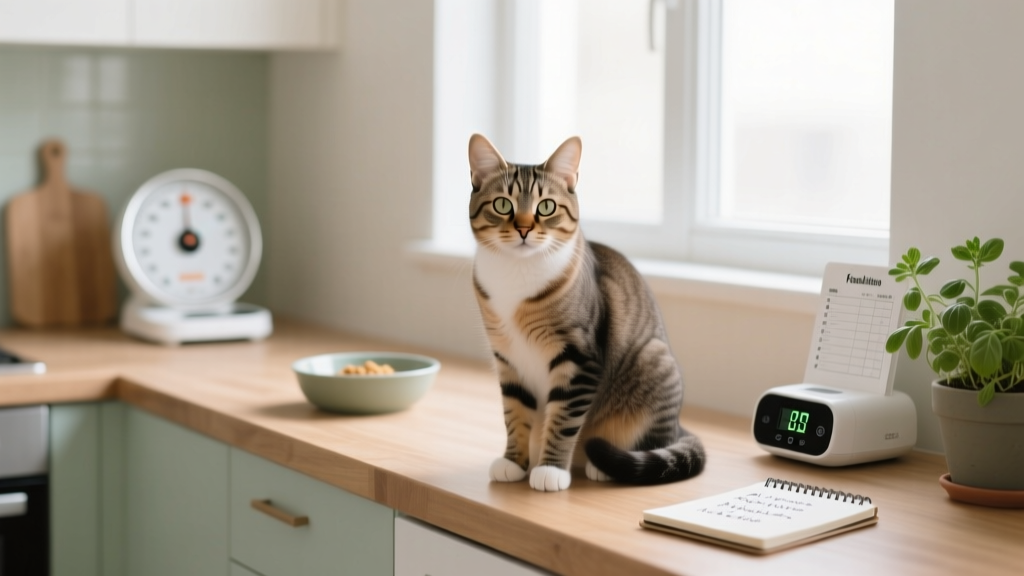
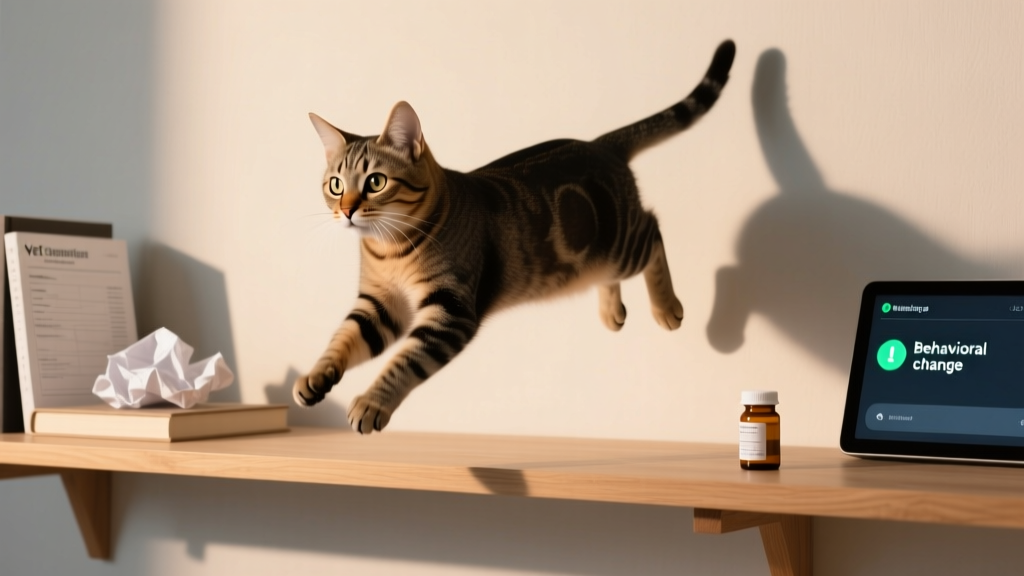
Do cats behavior change with age? Unequivocally yes—and each shift holds meaning. But interpretation requires context, not assumption. Start today: grab a notebook and track one behavior for 7 days—vocalization timing, litter box usage location, nap spots, or interaction duration. Then compare it to your memory (or photos/videos) from 6 months ago. That gap between perception and reality is where insight lives. Next, schedule a ‘behavioral wellness check’ with your vet—not just bloodwork, but a dedicated 20-minute consultation focused solely on observed changes. Ask: ‘What medical conditions could explain this?’ and ‘What environmental tweaks would help most right now?’ You don’t need to reverse aging—but you can honor it with intelligence, compassion, and proactive care. Your cat’s changing behavior isn’t a farewell. It’s an invitation—to understand deeper, adapt wisely, and love more intentionally.