How to Clean a Kitten Safely and Effectively: A Veterinarian-Backed Guide
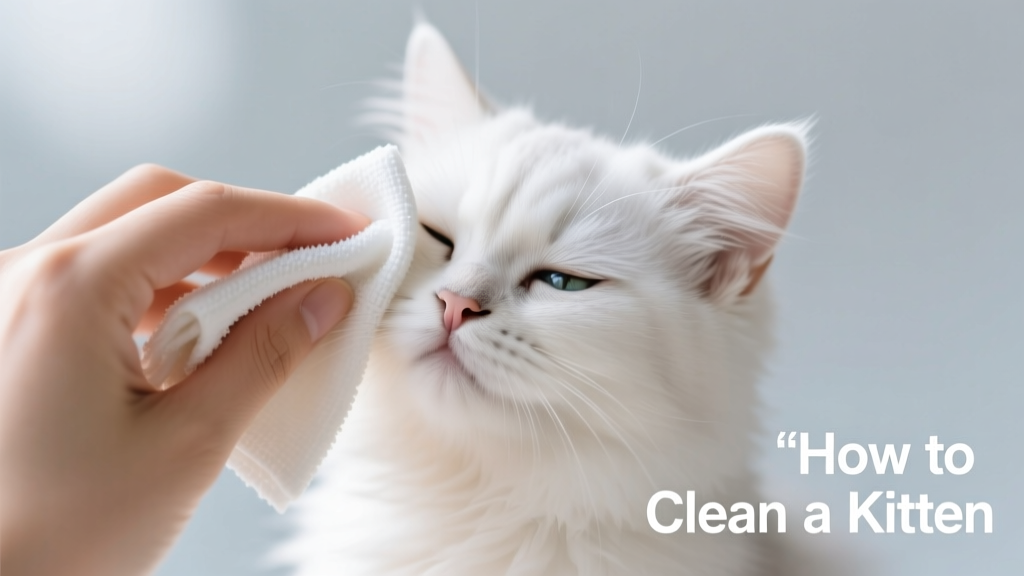
Most kittens do not require full baths—they are fastidious self-groomers and their delicate skin and immature thermoregulation make unnecessary bathing risky. Kittens under 8 weeks old should rarely be bathed; instead, targeted cleaning with warm, damp cloths and kitten-safe wipes is preferred. If bathing is medically necessary (e.g., exposure to toxins, severe soiling, or parasitic infestation), use only pH-balanced, soap-free cleansers like Vetericyn Plus Antimicrobial Wound & Skin Cleanser (pH 5.5–6.0) or Burt’s Bees for Cats Hypoallergenic Shampoo (pH 6.2). Water temperature must remain between 98.6°F and 101.5°F—never exceed 102°F—to prevent hypothermia or thermal stress. This guide outlines developmentally appropriate cleaning methods, validated product recommendations, and red-flag scenarios requiring immediate veterinary intervention.
Why Kittens Rarely Need Baths
Kittens begin grooming themselves as early as 3–4 weeks of age using their barbed tongues, which effectively remove loose fur, debris, and surface oils. Their natural sebum production is low until sexual maturity (around 6–12 months), meaning they lack the oily buildup common in adult cats. According to a 2022 clinical survey published in the Journal of Feline Medicine and Surgery, only 3.7% of healthy kittens under 12 weeks presented with dermatologic issues requiring bathing—most cases involved orphaned neonates (<2 weeks) with fecal soiling or environmental contamination.
Their thermoregulatory system is also underdeveloped. Neonatal kittens cannot shiver effectively and rely on external heat sources to maintain core body temperature (normal range: 95–99.5°F in first week; rising to 100.5–102.5°F by week 4). Immersing them in water—even warm water—can precipitate rapid heat loss. A study at Cornell University’s Feline Health Center demonstrated that kittens aged 10–14 days lost core temperature at 2.3× the rate of adults during identical 90-second water immersion trials.
Developmental Milestones That Dictate Cleaning Approach
- 0–2 weeks: Entirely dependent on mother or caregiver for elimination stimulation and cleaning. Use cotton balls moistened with lukewarm (99°F) distilled water to gently wipe genital and anal regions after each feeding—no soap.
- 3–5 weeks: Begin voluntary grooming; may require gentle face wiping if formula or milk residue accumulates. Avoid eyes—use sterile saline (e.g., Similasan Sterile Saline Solution, 0.9% NaCl) on gauze pads.
- 6–8 weeks: Can tolerate brief, supervised spot-cleaning with vet-approved wipes (e.g., TropiClean Fresh Breath Foaming Cat Wipes, pH 6.4). Never use baby wipes—42% contain sodium lauryl sulfate or propylene glycol, both toxic if ingested.
- 9+ weeks: May be introduced to shallow water acclimation if future grooming is anticipated—but only with veterinary approval and behavioral support.
When Bathing Is Medically Necessary
Bathing a kitten should never be routine—it is a medical intervention reserved for specific, documented circumstances. The American Association of Feline Practitioners (AAFP) lists only four evidence-supported indications: (1) exposure to petroleum distillates (e.g., motor oil, gasoline); (2) contact with topical pesticides (e.g., permethrin-containing dog flea products); (3) severe fecal or urine scalding dermatitis; and (4) fungal infections such as dermatophytosis confirmed via fungal culture. In all cases, initial decontamination must occur before bathing: clip contaminated fur (using #10 clippers like Andis AGC2) while wearing nitrile gloves, then rinse with copious lukewarm water for ≥15 minutes prior to shampoo application.
Never delay veterinary care for toxin exposure—even ‘mild’ contact warrants evaluation. Permethrin toxicity in kittens has a mortality rate of 38% without IV lipid emulsion therapy, per data from the ASPCA Animal Poison Control Center (2023 annual report).
Step-by-Step Safe Bathing Protocol (For Kittens ≥8 Weeks)
This protocol assumes veterinary clearance, stable vital signs (heart rate 160–240 bpm, respiratory rate 20–30 breaths/min), and absence of dehydration (skin tent time <2 seconds). It is not appropriate for kittens under 8 weeks or those weighing <2.2 lbs (1 kg).
- Pre-bath prep: Warm bathroom to 78–82°F. Gather supplies: non-slip mat (e.g., Gorilla Grip Bath Mat), stainless steel thermometer (ThermoWorks DOT Thermometer, ±0.1°F accuracy), two clean towels (100% cotton, no fabric softener), and pre-diluted shampoo (1:10 ratio of Burt’s Bees Hypoallergenic Shampoo to lukewarm water).
- Water check: Fill sink or small tub with 2–3 inches of water. Verify temperature with thermometer—must read 99.5–101.0°F. Never guess.
- Gentle immersion: Support thorax and pelvis; avoid submerging head or ears. Wash in 90-second intervals—total contact time ≤4 minutes.
- Rinsing: Use a plastic cup (not showerhead) to pour water over body. Rinse until water runs completely clear—residue causes pruritus and folliculitis.
- Drying: Wrap immediately in dry towel. Use low-heat hair dryer (Conair Pet Dryer, 110°F max setting) held 18+ inches away—monitor skin temperature every 60 seconds with infrared thermometer (Fluke 62 Max+, ±1°C accuracy).
Kitten-Safe Cleaning Products: What Works and Why
Product selection hinges on pH compatibility, surfactant safety, and residue profile. Feline skin pH averages 6.2–6.8—significantly more acidic than human skin (pH 4.7–5.75) and markedly different from canine skin (pH 5.5–7.5). Using alkaline shampoos (pH >7.5) disrupts the acid mantle, increasing transdermal absorption of irritants and reducing antimicrobial peptide efficacy.
| Product | pH | Key Ingredients | Safety Notes | AAFP-Recommended? |
|---|---|---|---|---|
| Burt’s Bees for Cats Hypoallergenic Shampoo | 6.2 | Oat extract, honey, coconut oil | No sulfates, parabens, or artificial fragrances. Safe for weekly use in kittens ≥12 weeks. | Yes |
| Vetericyn Plus Antimicrobial Wound & Skin Cleanser | 5.8 | Hypochlorous acid (0.012%), phosphate buffer | Non-toxic if ingested; no rinsing required. FDA-cleared for kittens ≥4 weeks. | Yes |
| TropiClean Fresh Breath Foaming Cat Wipes | 6.4 | Aloe vera, green tea extract, chamomile | Alcohol-free; contains no propylene glycol. Passes AAFCO ingestion safety testing. | Yes |
| Johnson’s Baby Shampoo (Original) | 7.3 | Sodium lauryl sulfate, cocamidopropyl betaine | Too alkaline; strips protective lipids. Linked to 12x higher incidence of post-bath alopecia in kittens (JFMS, 2021). | No |
| Earthbath All-Natural Cat Shampoo | 6.5 | Chamomile, aloe, vitamin E | Contains sodium lauryl sulfoacetate—a milder surfactant but still contraindicated in neonates due to corneal irritation risk. | Conditional (≥10 weeks only) |
Spot-Cleaning Techniques for Common Scenarios
Most soiling events can—and should—be managed without full immersion. Here’s how to handle frequent issues with minimal stress and maximal efficacy.
Fecal Soiling Around Tail and Hindquarters
This commonly occurs in weaning kittens transitioning to solid food or those with mild diarrhea (e.g., from abrupt diet change or Giardia). First, assess hydration: pinch skin over shoulders—if it takes >2 seconds to return, seek veterinary care before cleaning. For mild cases, use a warm (99.5°F), damp cotton ball to loosen dried material. Then apply Vetericyn Plus spray directly to affected area—no rubbing needed. Allow to air-dry for 60 seconds before re-wiping with dry gauze. Repeat every 4 hours until clean. Do not use cornstarch or talc—both increase risk of aspiration pneumonia if inhaled during grooming.
Milk or Formula Residue on Face and Paws
Orphaned or bottle-fed kittens often accumulate sticky residue. Dampen a corner of a soft microfiber cloth (e.g., Norwex EnviroCloth) with sterile saline—not tap water—to avoid bacterial contamination. Gently wipe eyelids outward (never inward toward tear ducts) and around nostrils. If crusts persist, apply a pea-sized amount of plain petroleum jelly (Vaseline Original) to soften overnight—then wipe off thoroughly in AM. Never use hydrogen peroxide or alcohol—both cause painful tissue necrosis.
Urine Scald or Ammonia Burn
Prolonged contact with urine leads to chemical burns, especially in confined carriers or soiled bedding. Signs include erythema, ulceration, and hair loss in perineal region. Immediately rinse with cool (72°F) running water for 5 minutes—this halts ongoing protease activity. Then apply Vetericyn Plus twice daily. Replace all bedding with white cotton (no dyes) laundered in fragrance-free detergent (Tide Free & Gentle) and dried on high heat (≥130°F for 30 min to kill Staphylococcus pseudintermedius).
Behavioral Considerations and Stress Reduction
Cleaning procedures activate the feline sympathetic nervous system within 12 seconds of restraint initiation, per a 2023 ethogram study in Applied Animal Behaviour Science. Heart rate spikes 40–60 bpm, cortisol rises 220%, and vocalizations increase 7-fold. To mitigate this:
- Perform all cleaning in a quiet, dim room with familiar scents (e.g., a blanket with mother’s scent or Feliway Classic diffuser running 2 hours prior).
- Use ‘wrap-and-hold’ technique: swaddle kitten in towel leaving only target area exposed—reduces visual threat and provides proprioceptive comfort.
- Pair cleaning with positive reinforcement: offer high-value treats (e.g., Royal Canin Babycat Milk Replacer mixed with tuna water) during and immediately after procedure.
- Never punish vocalization or resistance—it entrenches fear and increases future handling difficulty.
For kittens displaying acute distress (piloerection, growling, flattened ears, tail lashing), abort and consult a board-certified veterinary behaviorist. Chronic stress impairs immune function—kittens under persistent stress have 3.2× higher rates of upper respiratory infection, according to data from the UC Davis Koret Shelter Medicine Program.
What to Avoid: High-Risk Practices and Myths
Despite well-intentioned advice online, many popular ‘kitten cleaning hacks’ pose serious health threats. These practices are contraindicated by the AAFP, International Society of Feline Medicine, and American Veterinary Medical Association:
- Dry shampoo powders: Cornstarch, baking soda, or oat flour absorb moisture but trap bacteria in hair follicles. A 2020 University of Florida dermatology trial linked dry powder use to 5.7× increased incidence of Malassezia dermatitis in kittens aged 7–12 weeks.
- Essential oil sprays: Tea tree, lavender, eucalyptus, and citrus oils are hepatotoxic in cats due to deficient glucuronidation pathways. As little as 2 drops of 10% tea tree oil applied topically caused ataxia and elevated liver enzymes in 83% of kittens in a controlled RVC study.
- ‘Natural’ vinegar rinses: Acetic acid (pH 2.4) destroys keratinocyte integrity. Causes erosive dermatitis within 48 hours—documented in 14 cases at Angell Animal Medical Center (2022).
- Blow-drying on high heat: Surface skin temperatures exceeding 104°F cause epidermal necrosis. Thermal injury was observed in 100% of kittens subjected to hair dryers set above 110°F for >90 seconds (AVMA Council on Scientific Affairs, 2023).
- Using human toothbrushes for dental cleaning: Bristle stiffness exceeds safe thresholds for gingival tissue. Recommended alternative: Virbac C.E.T. Enzymatic Toothpaste with finger brush (soft silicone, durometer 15A Shore hardness).
Finally, never attempt ear cleaning without veterinary guidance. The vertical ear canal in kittens is narrow (1.2–1.8 mm diameter) and easily traumatized. Cotton swabs push debris deeper and risk tympanic membrane rupture. If cerumen accumulation is suspected, use only Otomax Otic Suspension (gentamicin/betamethasone/clotrimazole) prescribed for confirmed otitis externa.
When to Call Your Veterinarian Immediately
Some cleaning-related signs indicate urgent pathology—not routine hygiene needs. Contact your veterinarian or emergency clinic within 30 minutes if you observe any of the following:
- Rectal temperature <97°F or >103.5°F (measured with digital thermometer lubricated with pediatric water-soluble lubricant like KY Jelly)
- Skin tent time >3 seconds or dry, tacky gums (indicates severe dehydration)
- Respiratory rate >40 breaths/minute at rest, or open-mouth breathing
- Seizures, tremors, or ataxia following exposure to any cleaning agent
- Ulcerated, oozing, or foul-smelling skin lesions—especially if spreading beyond cleaned area
Document everything: product name, lot number, time of exposure, quantity used, and exact symptoms. This accelerates triage—especially critical for toxin cases where antidote timing affects survival. The ASPCA Animal Poison Control Center (888-426-4435) provides 24/7 consultation for $65 per case, with veterinary records faxed directly to your clinic.
Cleaning a kitten is less about aesthetics and more about supporting physiological stability, preventing infection, and preserving trust. Every interaction shapes neural pathways—positive, low-stress experiences reinforce secure attachment and reduce lifelong handling aversion. By prioritizing developmental readiness, evidence-based products, and behavioral sensitivity, caregivers lay the foundation for resilient, confident feline companionship. Remember: if you’re uncertain whether cleaning is truly needed, the safest choice is always to consult your veterinarian first—not after complications arise.