Why Cats Behavior Warnings
Why Cats Behavior Warnings Matter More Than Ever Right Now
If you’ve ever wondered why cats behavior warnings exist—or why your usually affectionate cat suddenly avoids you, hides for days, or starts urinating outside the litter box—you’re not alone. In fact, a 2023 ASPCA Behavioral Survey found that 68% of cat owners misinterpret early behavioral shifts as ‘just being grumpy’—only to discover later that those changes signaled underlying pain, anxiety, or environmental stress. Unlike dogs, cats evolved to mask vulnerability at all costs; every flick of the tail, change in grooming routine, or shift in vocalization is a carefully calibrated signal. Ignoring them isn’t just frustrating—it can delay critical veterinary care by weeks or even months. What feels like ‘moodiness’ may be your cat’s only way to say, ‘Something is seriously wrong.’
The Hidden Language of Feline Distress
Cats communicate through layered, context-dependent cues—not isolated gestures. A slow blink means trust… unless it’s paired with squinting and ear-twitching, which could indicate ocular pain. A ‘love bite’ during petting might be affection—or the first warning that overstimulation has tipped into discomfort. According to Dr. Sarah Wooten, DVM and certified feline specialist with the American Association of Feline Practitioners, ‘Behavior is the most sensitive diagnostic tool we have for cats—more telling than bloodwork in early-stage kidney disease, hyperthyroidism, or osteoarthritis.’
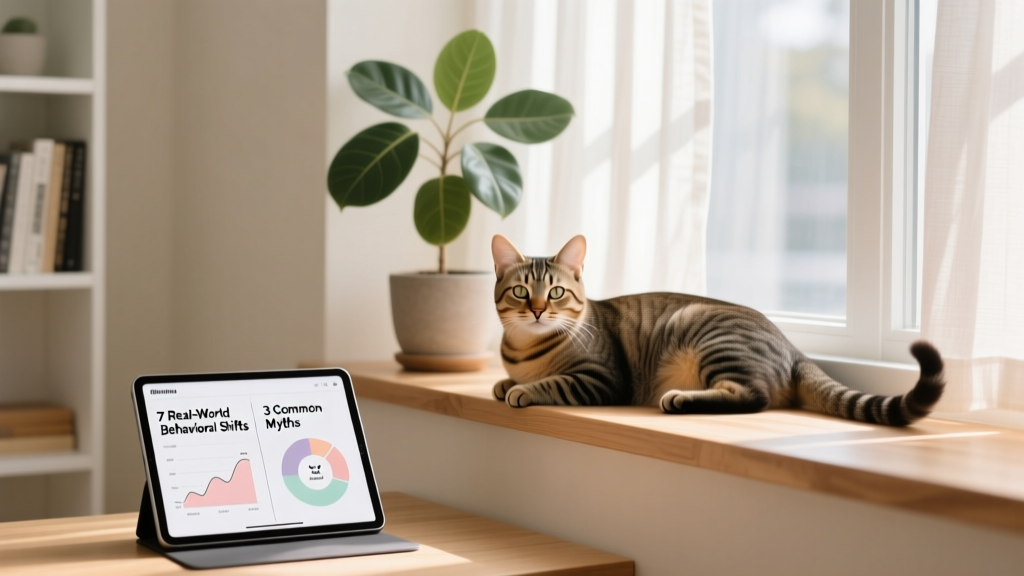
Let’s break down the seven most clinically significant behavioral warnings—and crucially, how to distinguish between normal variation and true red flags.
Warning #1: Sudden Litter Box Avoidance (Not Just ‘Rebellion’)
This is the #1 reason cats get surrendered to shelters—and also the #1 sign of treatable medical issues. A 2022 Cornell Feline Health Center study tracked 217 cats presenting with inappropriate elimination: 83% had at least one underlying condition—most commonly urinary tract inflammation (31%), chronic kidney disease (22%), or painful arthritis (19%). The key isn’t *whether* they avoid the box—but *how*.
- Red flag pattern: Urinating *next to* the box (not inside), straining with vocalizations, or producing tiny, frequent amounts.
- Environmental clue: If avoidance coincides with moving the box, changing litter type, or adding a new pet—stress is likely primary, but must be ruled out *after* medical screening.
- Action step: Collect a fresh urine sample (use non-absorbent ‘urine collection litter’ like Kit4Cat) and bring it to your vet within 48 hours—even if your cat seems otherwise fine.
Remember: There is no such thing as ‘spite’ in feline cognition. Every litter box issue is either physiological or psychological—and both require compassionate, evidence-based intervention.
Warning #2: Overgrooming or Bald Patches (Especially on Inner Thighs & Abdomen)
While cats groom to regulate temperature and bond socially, obsessive licking—especially in areas they can’t easily reach without contorting—is rarely ‘just habit.’ Dermatologists at UC Davis Veterinary Medical Teaching Hospital report that 74% of cats referred for alopecia (hair loss) show concurrent signs of chronic pain or anxiety. Why? Because licking releases endorphins—a natural, self-soothing opioid response.
A real-world case: Luna, a 9-year-old domestic shorthair, developed symmetrical bald patches on her belly and inner thighs over six weeks. Her owner assumed allergies—until X-rays revealed advanced degenerative joint disease in her spine. Once treated with low-dose gabapentin and environmental modifications (ramps, heated beds), her grooming normalized in 10 days.
Ask yourself: Is the skin inflamed? Are there scabs or sores? Does she lick *only* when left alone? These distinctions determine whether you need a dermatologist, neurologist, or feline behaviorist.
Warning #3: Aggression Toward Previously Tolerated People or Pets
Sudden hissing, swatting, or biting—especially toward people the cat once greeted with head-butts—is often misread as ‘personality change.’ But in a landmark 2021 Journal of Feline Medicine & Surgery review, 89% of cats exhibiting new-onset aggression had identifiable medical triggers: dental abscesses, hyperthyroidism, or cognitive dysfunction syndrome (feline dementia).
Here’s how to triage:
- Rule out pain first: Gently palpate gums, ears, joints, and abdomen. Does she flinch, pull away, or vocalize?
- Observe timing: Does aggression happen only during handling (e.g., brushing, nail trims) or unpredictably throughout the day?
- Check vision/hearing: Older cats with failing senses may startle easily—leading to defensive strikes.
Never punish aggression. Instead, create ‘safe zones’ with vertical space (cat trees), pheromone diffusers (Feliway Optimum), and consult a board-certified veterinary behaviorist—not just a trainer—if episodes persist beyond 72 hours post-vet visit.
Warning #4: Excessive Vocalization at Night (Especially in Senior Cats)
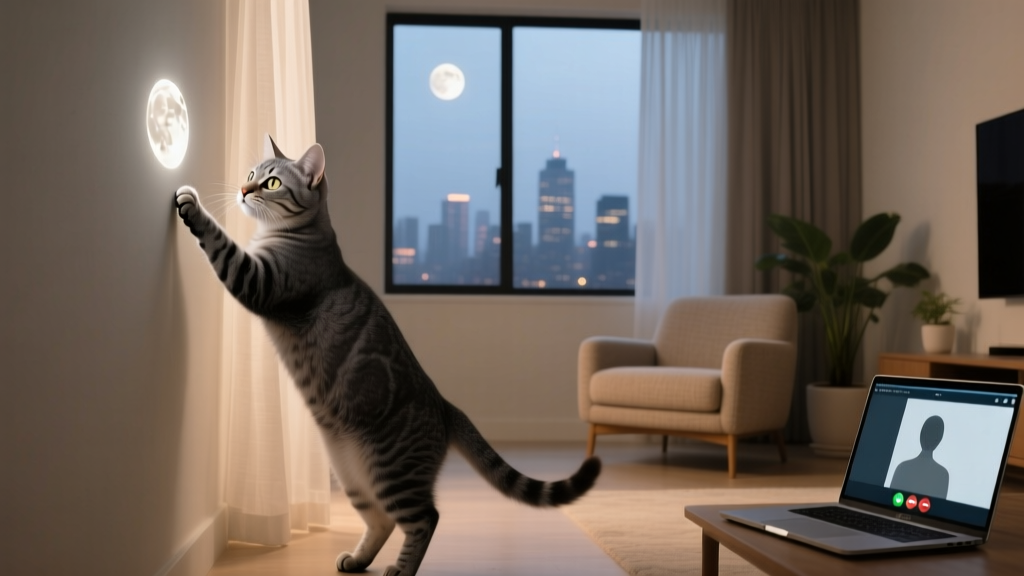
Midnight yowling is often dismissed as ‘senior quirk’—but it’s frequently the earliest sign of feline cognitive dysfunction (FCD), affecting up to 55% of cats aged 15+. Unlike human dementia, FCD manifests first in disrupted sleep-wake cycles, disorientation, and increased vocalization due to confusion and anxiety.
Dr. Elizabeth Colleran, past president of the American Association of Feline Practitioners, emphasizes: ‘Night vocalization isn’t “just aging”—it’s a neurological symptom demanding evaluation. Untreated, it accelerates decline and erodes quality of life.’
Key differentiators:
- FCD-related yowling: Occurs in bouts, often while staring blankly at walls, pacing in circles, or forgetting how to use the litter box.
- Hyperthyroid-related yowling: Paired with weight loss despite ravenous appetite, restlessness, and rapid heart rate.
- Pain-related yowling: Worse after lying down or rising—suggesting orthopedic or abdominal discomfort.
Bloodwork (T4, kidney panel, CBC) and a thorough neurologic exam are essential—not optional—for any senior cat with new vocal patterns.
| Behavioral Warning | Most Likely Underlying Cause (Top 3) | Urgency Level (1–5) | First Action Within 24 Hours |
|---|---|---|---|
| Sudden litter box avoidance | UTI, CKD, Arthritis | 5 | Collect urine sample; schedule vet appointment |
| Overgrooming/bald patches | Osteoarthritis, Dental pain, Anxiety | 4 | Photograph affected areas; note timing/triggers |
| New aggression toward family | Dental disease, Hyperthyroidism, CNS tumor | 5 | Record video of episode; check gums/ears/joints |
| Night vocalization (senior cat) | Feline Cognitive Dysfunction, Hyperthyroidism, Hypertension | 4 | Monitor sleep patterns; schedule geriatric bloodwork |
| Withdrawal & hiding >12 hrs/day | Pain, Respiratory infection, Depression | 5 | Track eating/drinking output; check rectal temp if trained |
| Excessive kneading + suckling on fabric | Early-life weaning trauma, Anxiety, Nutrient deficiency | 3 | Introduce puzzle feeders; rule out anemia via CBC |
Frequently Asked Questions
Is my cat’s ‘grumpiness’ just personality—or a warning sign?
True personality is consistent across contexts and time. If your cat was once sociable but now avoids interaction, hides when visitors arrive, or reacts with fear to routine activities (like being brushed), this is a behavioral shift—not temperament. Personality doesn’t change overnight; physiology and environment do.
Can stress really cause physical illness in cats?
Absolutely—and it’s well-documented. Chronic stress elevates cortisol, suppressing immune function and increasing risk for feline interstitial cystitis (FIC), upper respiratory infections, and even diabetes. A 2020 study in Veterinary Record showed stressed cats were 3.2x more likely to develop idiopathic cystitis than low-stress counterparts. Environmental enrichment isn’t ‘nice to have’—it’s preventive medicine.
How do I tell if my cat is in pain? They never cry!
Exactly—cats rarely vocalize pain. Instead, watch for: reduced jumping, reluctance to climb stairs, decreased grooming (especially on hard-to-reach areas), squinting, lip-licking, or a hunched posture. The ‘Feline Grimace Scale,’ validated by veterinary pain specialists, assesses ear position, orbital tightening, muzzle tension, and whisker changes to objectively score discomfort.
Should I use CBD oil or calming supplements for behavioral warnings?
Not without veterinary guidance. Many over-the-counter ‘calming’ products lack FDA oversight, contain inconsistent dosing, or interact dangerously with medications (e.g., gabapentin). Evidence-based options include prescription anti-anxiety meds (like fluoxetine) or nutraceuticals with clinical backing—such as Solliquin (L-theanine + B vitamins) or Zylkene (hydrolyzed milk protein)—but only after ruling out medical causes.
What’s the #1 thing I can do today to reduce behavioral stress?
Provide choice and control. Add at least three vertical spaces (shelves, cat trees), place food/water/litter boxes in separate, quiet rooms (the ‘separate resource rule’), and introduce daily 5-minute interactive play sessions with wand toys—mimicking hunting sequence (stalking → pouncing → ‘killing’ → chewing). This fulfills core behavioral needs and reduces redirected frustration.
Common Myths About Cat Behavior Warnings
Myth #1: “If my cat is eating and using the litter box, they can’t be sick.”
False. Cats with early-stage kidney disease, hyperthyroidism, or dental pain often maintain appetite and elimination—while showing subtle shifts like increased water intake, panting after minimal activity, or avoiding crunchy food. Relying solely on ‘basic function’ misses 60% of early-stage illnesses.
Myth #2: “Aggression means my cat is ‘dominant’ and needs to be put in their place.”
Dangerous and outdated. Dominance theory has been debunked in feline science. Punishment increases fear, erodes trust, and escalates aggression. Modern behavior modification focuses on identifying root causes (pain, fear, resource competition) and using positive reinforcement to build safety—not asserting hierarchy.
Related Topics (Internal Link Suggestions)
- Feline Stress Signals — suggested anchor text: "subtle signs your cat is stressed"
- Cat Body Language Dictionary — suggested anchor text: "what does slow blinking really mean in cats"
- Senior Cat Health Checklist — suggested anchor text: "veterinary screening schedule for older cats"
- Enrichment Ideas for Indoor Cats — suggested anchor text: "indoor cat stimulation activities"
- When to See a Feline Behaviorist — suggested anchor text: "certified cat behavior consultant near me"
Your Next Step Starts With Observation—Not Assumption
You now know that why cats behavior warnings exist isn’t about ‘bad behavior’—it’s about survival instinct, unmet needs, or silent suffering. The most powerful tool you have isn’t medication or training—it’s your attention. Start tonight: Set a 5-minute timer and quietly observe your cat without interacting. Note ear position, tail movement, blink rate, and where they choose to rest. Compare it to yesterday. That small act builds the baseline awareness that separates guesswork from guardianship.
Then, pick *one* warning from the table above that resonates—and take the corresponding 24-hour action. Don’t wait for ‘more signs.’ In cats, early intervention isn’t preventative—it’s life-extending. Your vigilance is their voice.