Why Cats Walk Along Fence Tops Like Tightropes
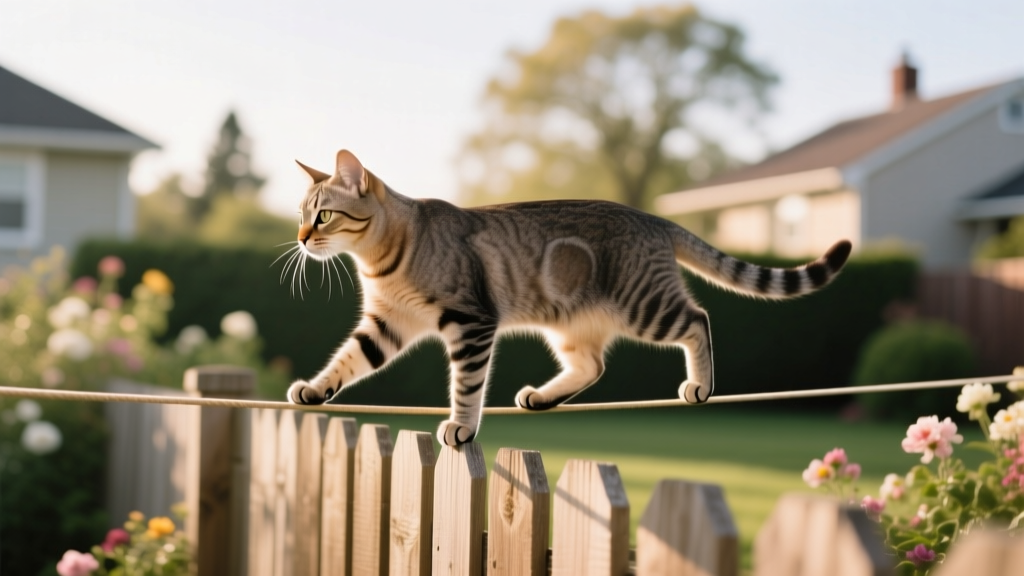
You’re carrying groceries in from the car when you spot your cat outside—tail held high like a little flag—gliding along the top of the backyard fence. One paw in front of the other. No hesitation. No wobble. Meanwhile, you can’t even walk a straight line while stepping over a garden hose. Your cat pauses midway, looks down at you as if to say, “Yes, I meant to do that,” then continues the narrow journey like a professional acrobat.
If you’ve ever wondered why cats choose the most precarious route possible, you’re in good company. Fence-top walking is one of those behaviors that feels quirky and comedic… but it’s also deeply rooted in feline biology, survival strategy, and the complicated little feelings happening behind those unbothered eyes.
The scientific (and evolutionary) reason cats do it
Fence tops, walls, railings, and narrow ledges are basically cat highways. In the wild, moving off the ground offers three big advantages: safety, visibility, and control of territory. Domestic cats still carry the instincts of their ancestors, even if their most dangerous predator is a vacuum cleaner.
1) Height equals safety
Many animals feel more secure when they can get above ground level. A narrow fence top might look risky to you, but to a cat it can feel safer than walking through open yard space where they’re more exposed. Elevated paths also reduce surprise encounters—especially with unfamiliar cats, dogs, or humans.
2) Height equals information
Cats are surveillance experts. From a fence top, your cat can scan for movement, track sounds, and visually map the neighborhood. This is not just curiosity—it’s how predators (and prey) stay informed. Even well-fed cats can be strongly motivated by “what’s happening over there?”
3) Height equals territory management
Cats use vertical space to negotiate social boundaries. Walking the fence line can be a way of patrolling, scent-checking, and monitoring who’s been nearby. It’s the feline version of reading the neighborhood bulletin board.
4) The physics of “cat balance”
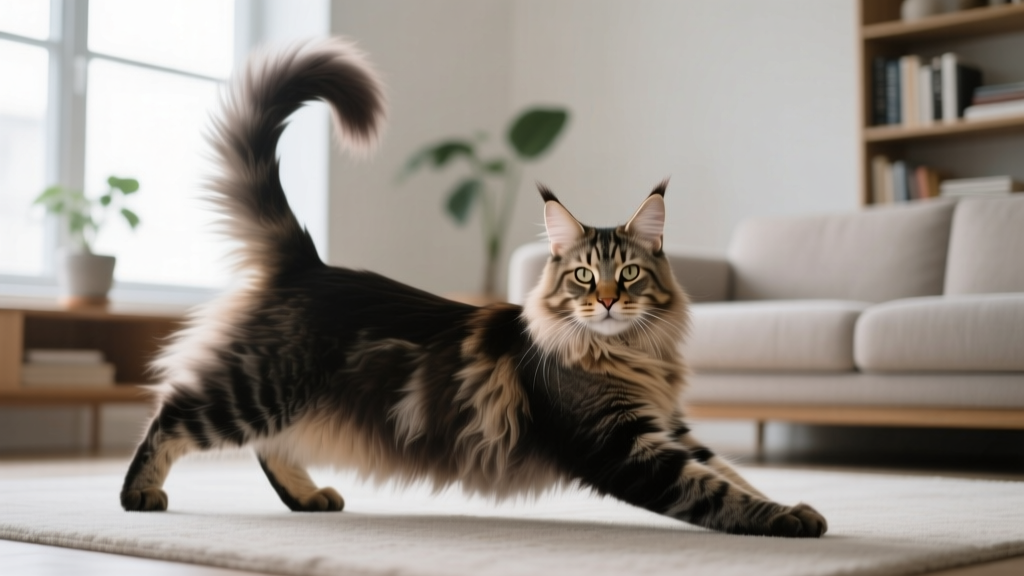
Cats are built for this. Their flexible spine helps them make micro-adjustments, and their tail works like a counterbalance. They also have an excellent vestibular system (the balance center in the inner ear) and highly sensitive paws that detect tiny surface changes. Add in lightning-fast reflexes, and your fence becomes their balance beam.
A detailed breakdown: what fence-top walking looks like in different contexts
Not all fence-walking is the same. The context matters, and it can tell you a lot about what your cat is trying to accomplish.
“I’m just commuting” fence walking
This is the calm, confident stroll: tail up or gently swaying, body loose, pace steady. Your cat may use the fence as a regular route between favorite spots—your porch, a sunny shed roof, the neighbor’s bird feeder (no comment), or a quiet corner of the garden.
What it usually means: Your cat feels comfortable in the environment and has a familiar routine.
“I’m avoiding something” fence walking
Sometimes the fence isn’t a stage—it’s an escape route. Your cat may move quickly with a low body posture, ears swiveling, head turning to check behind them. This is common if there’s a dog next door, noisy kids outside, or another cat in the yard.
What it usually means: Your cat is managing stress by choosing a safer, less confrontational path.
“I’m on patrol” fence walking
This is the purposeful march along the perimeter. Your cat may pause at specific points, sniff, rub their cheeks, or even scratch a post near the fence. If they vocalize while up there, it can be part of territorial communication.
What it usually means: Your cat is checking boundaries and monitoring other cats.
“Look at me” fence walking
Yes, sometimes it’s a performance. If your cat climbs up when you’re watching, slows down dramatically, or pauses to make eye contact, they may be enjoying the attention—or even soliciting interaction.
What it usually means: Confidence, playfulness, and a cat who has learned that their acrobatics get a reaction.
“I’m hunting… sort of” fence walking
Fence tops can also be strategic hunting lanes. From above, cats can watch rodents in the grass or track birds flitting between shrubs. Even if your cat never catches anything, the stalking and tracking sequence itself can be rewarding.
What it usually means: Predatory instincts are engaged; your cat is mentally stimulated.
What it says about your cat’s mood and feelings
Fence-walking is a behavior that often reflects confidence, but the emotional picture depends on body language.
- Relaxed confidence: Tail upright or gently curved, ears neutral, smooth steps, curious scanning. This cat feels safe and in control.
- Mild tension: Tail low or stiff, body crouched, quick movement, frequent pauses to listen. This cat is alert and possibly uneasy.
- High arousal or agitation: Tail puffed, jerky movements, intense staring at another animal, vocalizing, ears rotating back. This can signal conflict, fear, or territorial stress.
- Playful boldness: Bouncy steps, sudden pauses, little “statue freezes,” or a quick hop to a post and back. This is often youthful energy (or a young-at-heart adult).
One of the best relationship habits you can build is learning your cat’s “baseline” fence walk. Does your cat usually look like a tightrope artist in a calm circus… or like a spy sneaking across enemy lines? The difference matters.
Related behaviors you might also notice
If your cat loves fence tops, you may also see these classic “vertical space” behaviors:
- Walking along the backs of couches like they own the living room skyline
- Perching on windowsills for neighborhood surveillance
- Climbing door frames or tall cat trees for the thrill (and the view)
- Using shelves or mantels as pathways—especially in multi-cat homes
- Jumping onto narrow rails or banisters with unsettling ease
- “Escorting” you from above by hopping along furniture while you walk
These behaviors are all part of the same theme: cats feel emotionally better when they can access vertical space. It gives them options—retreat, observation, avoidance, and sometimes just fun.
When fence-top walking is normal vs. a concern
Most of the time, fence balancing is normal and healthy. But there are a few situations where it’s worth paying closer attention.
Normal, healthy fence walking
- Your cat moves confidently and lands well
- No limping, stiffness, or hesitation
- No sudden behavior change
- No signs of panic or chronic stress
Potential concerns to watch for
- Sudden clumsiness or frequent falling: Could indicate pain, vision issues, vestibular problems, or neurological concerns. A vet check is wise if this is new.
- Relentless pacing on the fence line: Sometimes linked to stress, territorial disputes, or boredom—especially if paired with yowling or spraying.
- A cat who seems “trapped” up high: If they go up easily but can’t come down comfortably, arthritis or injury may be involved.
- Increased aggression or fear around the fence: May signal a conflict with neighborhood cats or a frightening event associated with that area.
If you’re noticing changes—less coordination, more hiding, irritability when touched, or reluctance to jump—treat it like a clue rather than a quirk.
Tips for responding to (or encouraging) the behavior safely
You don’t need to stop fence-top walking if your cat enjoys it and stays safe. You can, however, make choices that support both their instincts and their wellbeing.
1) Provide indoor “fence alternatives”
If your cat is drawn to narrow pathways, offer safe versions inside: cat shelves, a tall cat tree, a window perch, or a stable “cat superhighway” route using furniture. This is especially helpful for indoor-only cats who crave vertical movement.
2) Don’t startle your cat mid-balance
It’s tempting to call their name, clap, or tease them while they’re up there. Try not to. A startled cat can misstep, and a bad fall can create lasting fear around climbing or jumping.
3) Support confidence with predictable routines
Cats patrol and perch more when they feel responsible for monitoring changes. If your cat seems tense on the fence, reduce environmental stressors: consistent feeding times, calming enrichment, and gradual introductions to new pets or neighbors when possible.
4) If neighborhood cats are triggering fence drama, manage the “border”
Outdoor cats can become stressed by seeing other cats along the same fence line. Blocking sight lines with plants or privacy screening, and using motion-activated deterrents (aimed away from your cat’s usual routes) can reduce territorial tension.
5) Reward calm, safe choices
If your cat comes down when called or chooses a safe path, reinforce it with praise or a treat. You’re not “training away” fence walking—you’re building responsiveness and trust.
Fun facts and research-flavored nuggets
- Cats use their tails as dynamic stabilizers. Small tail shifts can counterbalance tiny wobbles—like a built-in tightrope pole.
- Their paws are information hubs. Paw pads are sensitive to texture and vibration, helping cats “read” the surface as they move.
- Vertical space reduces conflict in multi-cat homes. Studies on cat welfare consistently support the idea that more vertical territory helps cats avoid each other and feel more secure.
- Balancing is mental enrichment. Narrow walking requires focus and body awareness, which can be satisfying even without a “purpose.”
In other words: your cat isn’t just being dramatic (though they might be). They’re engaging a whole toolkit of instincts and skills.
FAQ: Common questions about cats and fence-top walking
Do cats walk on fences to show off?
Sometimes, yes—especially if they’ve learned you react. But even “showing off” usually sits on top of real motivations like patrol, play, or choosing a comfortable route.
Is it dangerous for my cat to walk along a fence?
It can be, depending on fence height, surface stability, and what’s below (concrete is riskier than grass). Most healthy cats are excellent balancers, but falls can happen—especially if startled, chased, or dealing with pain or age-related stiffness.
Why does my cat pace back and forth on the fence line?
Pacing can mean your cat is monitoring something specific—often another cat nearby. If the pacing is frequent and intense, consider stress or territorial pressure as a likely driver.
My older cat used to do this but stopped. Should I worry?
Not automatically. Many cats reduce jumping and balancing with age. But if the change is sudden, or you notice stiffness, hesitation, or trouble getting comfortable, schedule a vet visit to check for arthritis or other issues.
Does fence walking mean my cat wants to go outside more?
It can indicate a desire for stimulation and exploration. If your cat is indoor-only and seems fascinated by outdoor movement, increase indoor enrichment: climbing options, bird-watching perches, puzzle feeders, and interactive play that mimics hunting.
Why does my cat meow while walking on the fence?
Some cats vocalize when they’re excited, greeting you, or reacting to another cat. If the meowing sounds tense or occurs with puffed tail and staring, it may be territorial agitation rather than a friendly “hello.”
Fence-top walking is one of those delightful reminders that cats aren’t small dogs—they’re tiny athletes with a strong opinion about the best route from Point A to Point B. The more you watch the context and body language, the more this behavior turns from “weird” into “wow, that’s clever.”
Has your cat mastered the fence like a circus performer, or do they have a particular “balance beam” they love (the banister, the couch back, the top of the garden wall)? Share your funniest or most impressive fence-walking stories with the Cat Lovers Base community at catloversbase.com.