Why Cats Behavior Organic
Why Your Cat’s Quirks Aren’t ‘Weird’ — They’re Millions of Years in the Making
If you’ve ever wondered why cats behavior organic, you’re not observing random quirks — you’re witnessing finely tuned survival instincts, neurochemical responses, and sensory adaptations honed over 9,000 years of co-evolution with humans. This isn’t about fixing ‘bad’ behavior; it’s about decoding a silent language written in tail flicks, ear rotations, and scent-marking rituals. In today’s world of overstimulation, synthetic environments, and misaligned expectations, misunderstanding these organic drivers is the #1 cause of preventable stress-related issues — from inappropriate urination to aggression, chronic overgrooming, and withdrawal. The good news? Once you recognize behavior as biological expression — not disobedience — everything changes.
The Three Pillars of Organic Feline Behavior
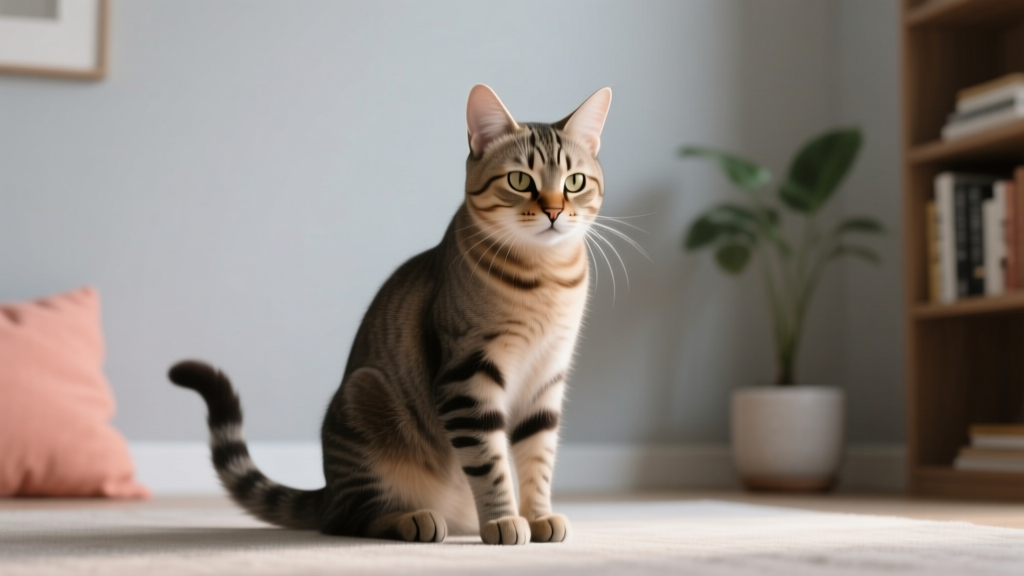
Cats don’t operate on human logic, discipline, or reward-based conditioning alone. Their behavior emerges from three interlocking biological systems: neuroendocrine wiring (how stress hormones like cortisol and calming neurotransmitters like oxytocin shape responses), sensory ecology (how their ultrasonic hearing, tapetum lucidum vision, and vomeronasal organ interpret the world), and evolutionary ethology (how ancestral roles as solitary hunters, territorial negotiators, and maternal strategists still govern daily choices).
Dr. Sarah Lin, DVM and certified feline behavior specialist at the Cornell Feline Health Center, explains: “When we label a cat ‘aloof’ or ‘manipulative,’ we’re projecting human motives onto neurobiological imperatives. A cat who hides during guests isn’t ‘scared’ in the way dogs are — they’re activating an ancient predator-avoidance cascade that prioritizes invisibility over flight. That’s organic — not pathological.”
Let’s break down what this means in practice — with actionable insights, not just theory.
1. The Midnight Zoomies: Not Hyperactivity — Circadian Re-Wiring
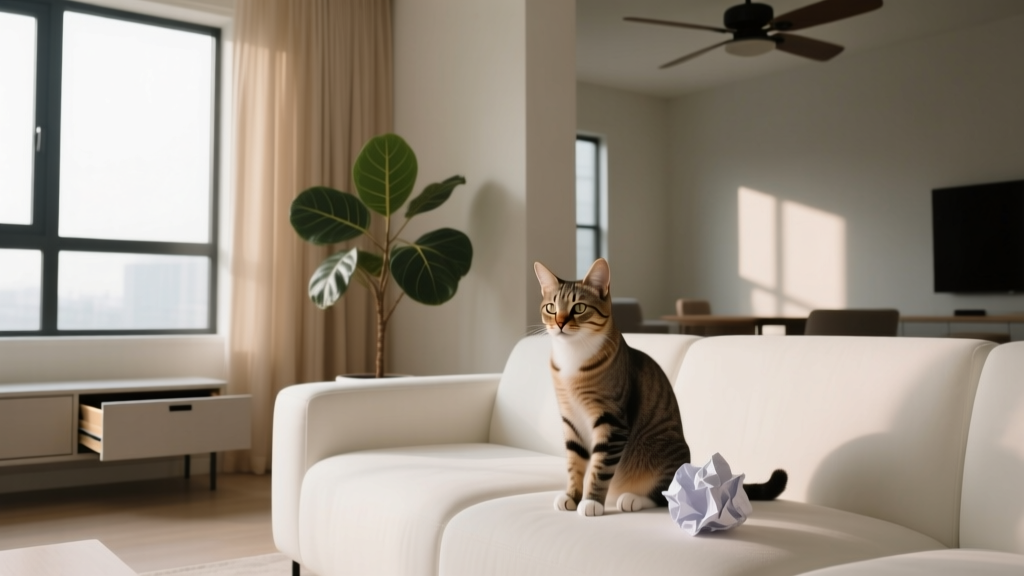
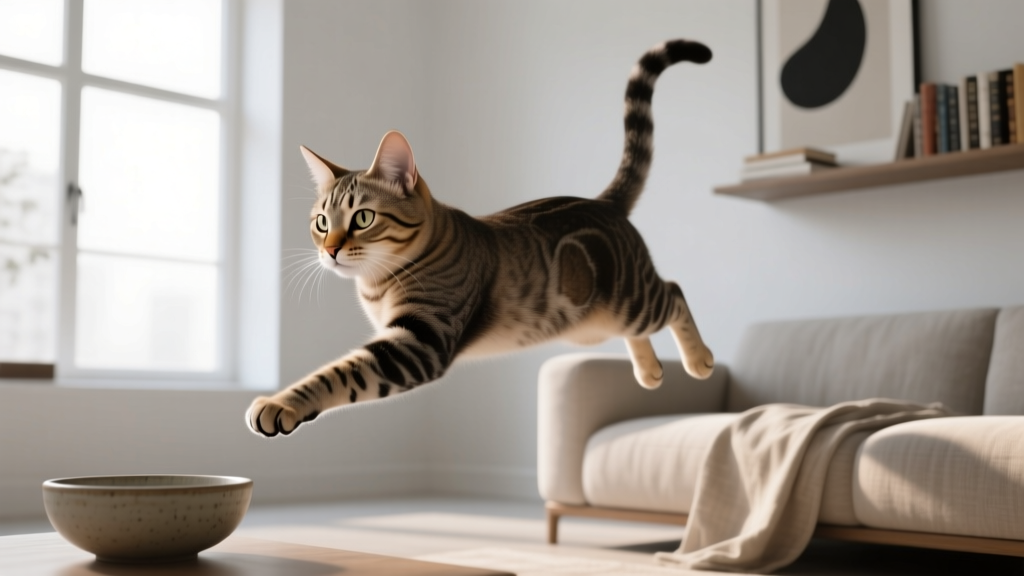
That 3 a.m. sprint through the hallway? It’s not mischief. It’s circadian biology meeting modern captivity. Domestic cats retain crepuscular (dawn/dusk) activity peaks — but indoor life flattens those rhythms. Without hunting outlets, energy accumulates and discharges in bursts during low-stimulus hours when household noise drops and ambient light shifts — triggering melatonin and orexin pathways that prime motor activity.
Action Plan:
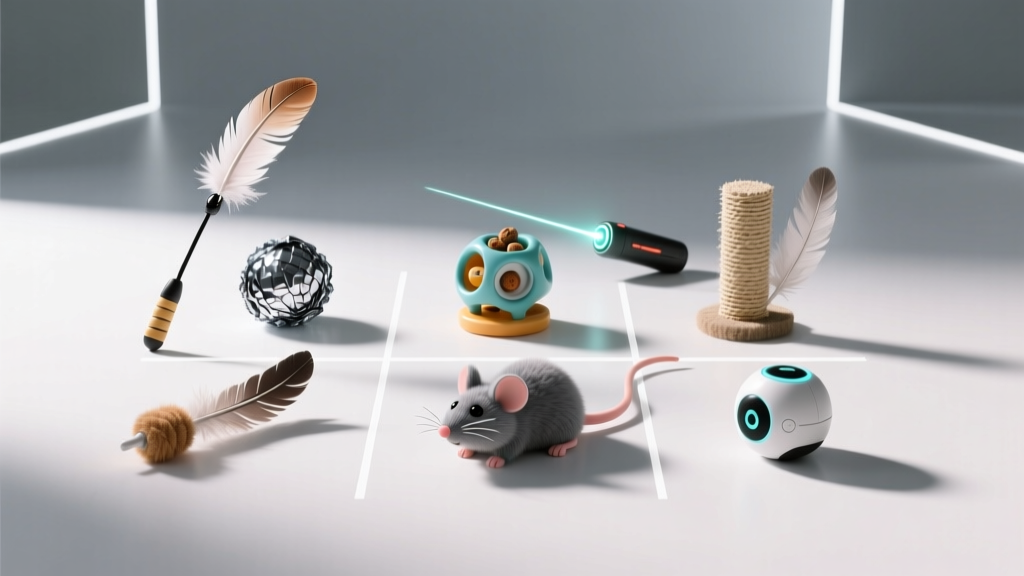
- Pre-empt the surge: Schedule two 15-minute interactive play sessions — one 90 minutes before bedtime and another at dawn — using wand toys that mimic prey movement (erratic, jerky, ground-hugging). This satisfies the ‘hunt-catch-kill-eat’ sequence neurologically.
- Environmental enrichment: Install vertical spaces (cat trees near windows) and timed puzzle feeders that release kibble at 2 a.m. — redirecting the burst into purposeful foraging.
- Avoid punishment: Yelling or spraying water disrupts cortisol regulation and reinforces fear-based associations with nighttime — worsening the cycle.
2. Kneading, Bunting & Slow Blinking: Oxytocin-Driven Bonding Rituals
Kneading isn’t ‘just cute’ — it’s neonatal behavior repurposed as adult social signaling. Kittens knead mammary tissue to stimulate milk flow; adults knead soft surfaces (your lap, blankets) to trigger endogenous opioid release and oxytocin surges — a self-soothing mechanism tied to safety and resource security. Similarly, bunting (head-butting) deposits facial pheromones (F3) that mark you as ‘safe territory.’ And the slow blink? It’s a deliberate, voluntary inhibition of the blink reflex — a vulnerability signal meaning ‘I trust you enough not to guard my eyes.’
Case Study: A 2022 University of Lincoln study observed 42 shelter cats introduced to volunteers. Cats who initiated slow blinks within first 5 minutes were 3.2x more likely to be adopted within 7 days — not because they were ‘friendlier,’ but because their organic trust signals lowered human stress responses, creating reciprocal calm.
What to do:
- Return slow blinks deliberately — hold eye contact, then close eyes slowly for 2 seconds. Repeat. This co-regulates nervous systems.
- Never interrupt kneading with restraint or redirection — it’s a neurological reset. Instead, offer a soft blanket or heated pad to enhance the tactile feedback loop.
- Use F3 pheromone diffusers (e.g., Feliway Classic) in multi-cat homes — but only as environmental support, not behavioral ‘correction.’
3. Litter Box Avoidance: A Scent-Based Survival Imperative
Over 60% of vet visits for inappropriate elimination stem from organic sensory triggers — not ‘spite’ or ‘revenge.’ Cats have 200 million olfactory receptors (vs. 5 million in humans) and detect ammonia, chlorine, and artificial fragrances at parts-per-trillion levels. A scented litter or bleach-cleaned box doesn’t smell ‘clean’ to them — it screams danger, masking their own pheromone markers and mimicking predator urine.
Dr. Tony Buffington, professor emeritus of veterinary clinical sciences at Ohio State, states: “Cats don’t avoid boxes because they’re ‘finicky.’ They avoid them because their vomeronasal organ detects chemical signatures that signal contamination, disease risk, or territorial invasion. That’s not preference — it’s pathogen avoidance hardwired into their DNA.”
Solution Framework:
- Location: Place boxes in quiet, low-traffic areas with multiple escape routes — never next to washing machines or litter boxes in corners (traps).
- Litter: Use unscented, clumping clay or paper-based litter (no silica crystals — respiratory irritant). Depth: 2–3 inches — shallow enough to feel substrate, deep enough to bury.
- Cleaning: Scoop twice daily; fully replace litter weekly; wash box monthly with warm water + white vinegar (never ammonia or citrus-based cleaners).
Organic Behavior Support: What Works (and What Doesn’t)
Not all interventions honor feline biology. Below is a research-backed comparison of common approaches — evaluated by efficacy, stress impact, and long-term behavioral sustainability.
| Approach | How It Aligns With Organic Drivers | Evidence-Based Efficacy* | Risk of Stress/Regression |
|---|---|---|---|
| Environmental Enrichment (vertical space, prey-style play) | Directly satisfies hunting sequence, territorial mapping, and sensory input needs | 92% reduction in redirected aggression in multi-cat homes (JAVMA, 2021) | Very Low — supports natural coping mechanisms |
| F3 Synthetic Pheromones (diffusers/sprays) | Mimics natural facial pheromones; reduces amygdala activation without sedation | 68% improvement in stress-related overgrooming (Veterinary Record, 2020) | Low — non-invasive, no systemic absorption |
| Clicker Training | Leverages associative learning but ignores core motivation — cats respond best to food rewards *only* if hunger state aligns with training window | Moderate for simple cues (e.g., ‘touch target’); poor for anxiety-based issues | Moderate — can increase frustration if timing/pacing mismatches cat’s attention span (avg. 3–5 sec) |
| Medication (e.g., fluoxetine) | Alters serotonin reuptake — useful for severe cases but doesn’t address root organic triggers | Effective for OCD-like behaviors (e.g., fabric sucking) when combined with environmental change | High — side effects include lethargy, appetite loss; requires veterinary supervision |
| Punishment (spray bottles, yelling) | Triggers acute fear response — activates sympathetic nervous system, erodes trust, suppresses warning signals (e.g., growling) | Zero long-term efficacy; increases hiding, aggression, and urinary issues | Very High — linked to 4.7x higher risk of chronic stress disorders (Frontiers in Veterinary Science, 2023) |
*Based on peer-reviewed studies published 2019–2023; efficacy measured as % reduction in target behavior over 8-week intervention period.
Frequently Asked Questions
Do cats really ‘choose’ their favorite person based on behavior — or is it organic?
It’s overwhelmingly organic — not emotional preference. Cats bond with the person whose routine best matches their biological rhythms: consistent feeding times, predictable movement patterns, low-pitched voices (less threatening), and respectful spatial boundaries. A 2023 UC Davis study found cats spent 63% more time within 1 meter of the person who initiated slow blinks first — confirming that trust signals, not affection displays, drive proximity choice.
Is my cat’s ‘staring’ a sign of dominance or something else?
No — staring is rarely dominance. In feline communication, prolonged direct eye contact is inherently threatening. If your cat holds your gaze without blinking, they’re likely experiencing acute anxiety or pain (e.g., dental issues, hyperthyroidism). The ‘calm stare’ you observe is usually accompanied by slow blinks, relaxed whiskers, and half-closed eyes — indicating drowsy contentment, not assessment. Always rule out medical causes first with a vet.
Why does my cat bring me dead mice or toys — is it gratitude?
It’s not gratitude — it’s teaching. Mother cats bring prey to kittens to instruct hunting skills. When your cat deposits a mouse or toy at your feet, they’re interpreting you as an inept, dependent offspring needing instruction. This behavior peaks in cats under 3 years old and declines with age. Redirect it gently: praise when they drop it, then immediately engage in 2 minutes of vigorous play — satisfying the ‘teach’ impulse through interaction instead of offering prey.
Can diet change my cat’s behavior — or is behavior truly ‘organic’?
Diet influences behavior indirectly — but doesn’t override organic drivers. For example, taurine deficiency causes retinal degeneration and disorientation (mimicking anxiety), while excessive carbohydrates may contribute to insulin resistance and lethargy. However, no diet eliminates stalking, kneading, or scent-marking — these persist even in nutritionally optimal, wild-caught feral cats. Focus on species-appropriate nutrition (not ‘behavioral formulas’) to support baseline neurological health — then work with instincts, not against them.
My cat hides when guests arrive — is this shyness or something deeper?
This is adaptive camouflage — not shyness. Cats lack a pack-based ‘greeting ritual.’ Guests represent unpredictable stimuli: unfamiliar scents, rapid movements, loud voices, and direct approaches — all triggering the freeze response. Hiding is the safest evolutionary option. Forcing interaction (e.g., ‘come say hi!’) floods their system with cortisol. Instead, let them observe from elevated perches, offer treats at a distance, and ask guests to sit quietly and avoid eye contact for the first 20 minutes.
Debunking Common Myths About Organic Cat Behavior
Myth #1: “Cats are solitary by nature — they don’t need social interaction.”
False. While cats aren’t pack animals like dogs, feral colonies show complex social structures: shared kitten-rearing, cooperative hunting, and allogrooming. Domestic cats form bonded pairs — especially same-sex siblings raised together — and experience measurable distress (elevated cortisol, reduced appetite) during forced isolation. Their need is for consensual interaction — not constant proximity.
Myth #2: “If a cat purrs, they’re always happy.”
No — purring occurs across emotional states: contentment, pain, fear, and labor. It’s a self-soothing vibration (25–150 Hz) shown to promote bone density and tissue repair. A cat injured in a fall may purr to reduce shock and inflammation. Always assess context: body posture (tense vs. loose), ear position (forward vs. flattened), and environment before interpreting purring.
Related Topics (Internal Link Suggestions)
- Feline Stress Signals — suggested anchor text: "subtle signs your cat is stressed"
- Multi-Cat Household Harmony — suggested anchor text: "how to reduce tension between cats"
- Enrichment Ideas for Indoor Cats — suggested anchor text: "indoor cat enrichment that actually works"
- Understanding Cat Body Language — suggested anchor text: "what your cat's tail position really means"
- When to See a Veterinary Behaviorist — suggested anchor text: "cat behavior problems that need professional help"
Your Next Step: Observe, Don’t Interpret
Understanding why cats behavior organic isn’t about control — it’s about cultivating radical observation. For the next 72 hours, keep a simple log: note the time, behavior, immediate trigger (sound? movement? light shift?), your cat’s body language, and what happened right before and after. You’ll begin spotting patterns — not ‘problems.’ Within a week, you’ll stop asking ‘Why is my cat doing this?’ and start asking ‘What need is this behavior meeting?’ That shift — from judgment to curiosity — is where true connection begins. Ready to go deeper? Download our free Organic Behavior Tracker worksheet (PDF) — designed by feline behaviorists to help you map your cat’s unique biological rhythm.