Understanding Cat Food Moisture and Kidney Function Link
How can I tell if my cat is getting enough water?
Look at the whole picture: normal appetite, good energy, moist gums, and consistent litter box habits. Objective checks come from your veterinarian: urine specific gravity (USG), kidney values, and overall exam. If you notice lethargy, tacky gums, constipation, or sudden changes in urination, contact your vet promptly.
Is wet food always better than dry food for kidneys?
Wet food often improves hydration and urine dilution, which can be supportive. For kidney disease, the “best” food is the one that meets medical goals (especially phosphorus control) and that your cat reliably eats. Many cats with CKD do best on veterinary renal wet foods, but your vet should guide the choice.
Can I just add water to kibble to make it “wet”?
Adding water can help increase water intake, but it doesn’t change the mineral profile or nutrient design of the kibble. Also, moistened kibble spoils faster; discard leftovers within a reasonable time (ask your vet for food-safety guidance based on your home temperature and the product). For kidney concerns, diet formulation (not just moisture) matters.
Does more water prevent kidney disease?
Hydration support is beneficial, but there is no guarantee it will prevent CKD. CKD has multiple causes and risk factors. What moisture can do is support healthier urine concentration and help many cats maintain better hydration, which is generally kidney-friendly.
My cat refuses wet food. What should I do?
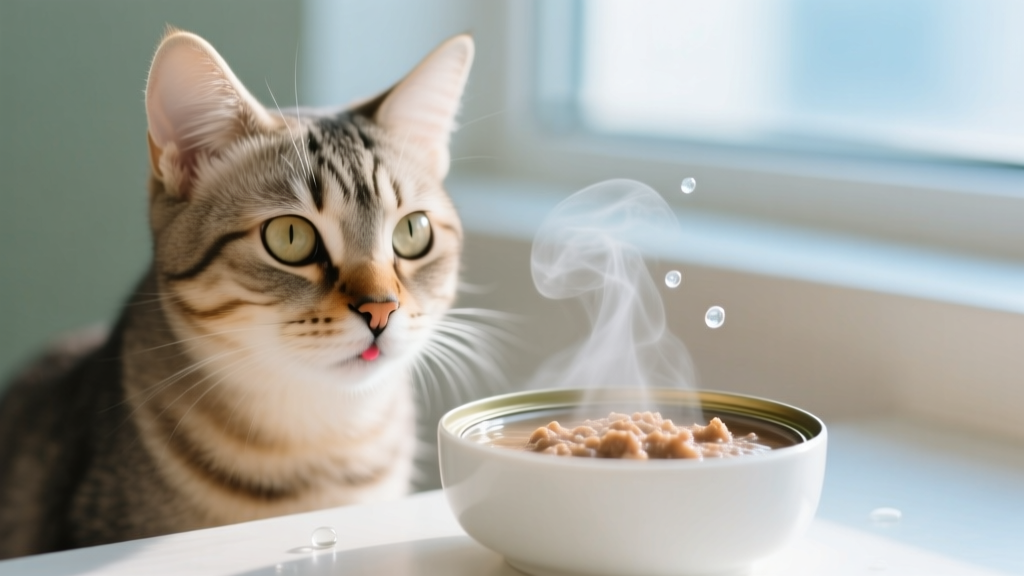
Try gradual transitions, different textures, warming the food, and offering small “starter” portions. If wet food remains a no-go, focus on water access (fountains, multiple bowls) and talk to your veterinarian about the best dry option and whether other hydration strategies are appropriate.
If my cat has kidney disease, should I switch foods immediately?
Do not make abrupt changes. Appetite stability is critical in CKD cats. Work with your veterinarian to pick an appropriate diet and transition slowly, monitoring weight, stool quality, hydration, and lab values over time.
For most cats, increasing dietary moisture is a practical, science-supported way to promote better hydration and support urinary and kidney wellness—especially as cats age. The smartest plan is individualized: your cat’s preferences, medical status, lab results, and lifestyle all matter. Before making major diet changes or starting a therapeutic diet, consult your veterinarian or a board-certified veterinary nutritionist.
Want more practical, vet-informed feeding guidance? Explore more cat nutrition guides and wellness resources on catloversbase.com.