The Role of Quercetin in Feline Allergy Support Nutrition
1) Why this topic matters for cat health
If your cat has itchy skin, recurrent ear gunk, over-grooming, hair loss, watery eyes, or chronic vomiting/diarrhea, “allergies” may be part of the story. In cats, allergy signs are often skin- and gut-centered rather than classic sneezing fits. Nutrition can’t cure every allergy cause, but it can reduce inflammatory load, support the skin barrier, and help the immune system respond more appropriately.
Quercetin is a plant-derived flavonoid sometimes called a “natural antihistamine” in human wellness circles. Cat owners are increasingly asking whether quercetin belongs in a feline allergy-support plan. The best answer is practical: quercetin may have a role as a supportive nutrient for some cats, but it’s not a standalone fix, it’s not appropriate for every cat, and dosing/quality matter. A veterinarian should guide its use—especially because cats metabolize nutrients differently than people.
2) Scientific background: feline nutritional needs and obligate carnivore biology
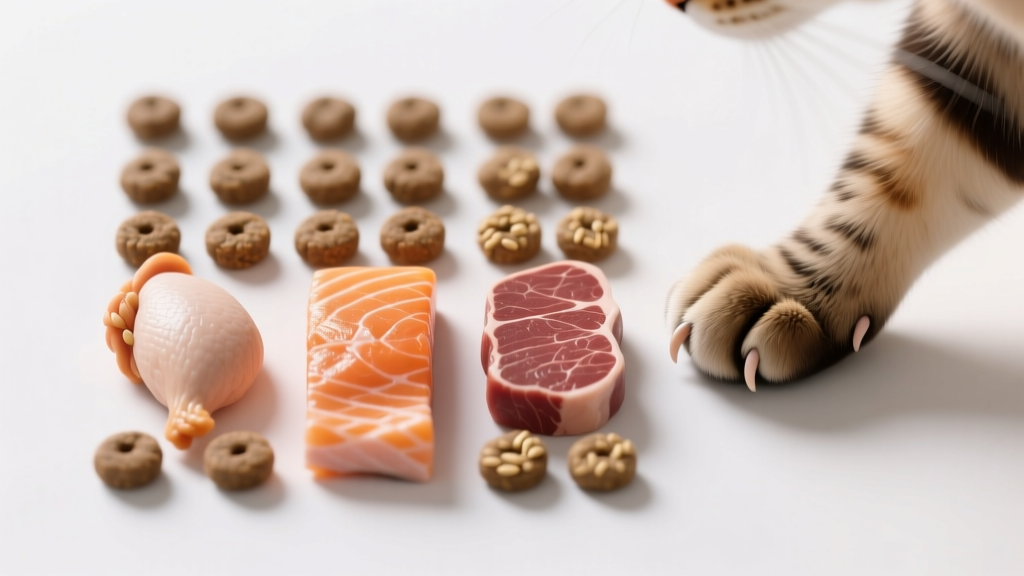
Cats are obligate carnivores. Their physiology is designed around animal-based protein and fat, with limited ability to use plant ingredients compared with omnivores. That influences how we build an “allergy-support” diet:
- Higher protein requirements: Cats need plentiful essential amino acids (especially taurine) and do best with high-quality, highly digestible animal protein.
- Fat matters: Fats supply energy and essential fatty acids that influence skin and coat health. Omega-3 fatty acids (EPA/DHA) can modulate inflammation.
- Carbohydrates are optional: Cats can digest carbs, but they have no dietary requirement for them. Some cats with sensitive GI tracts do better with simpler ingredient lists.
- Unique liver metabolism: Cats have differences in detoxification pathways compared with people and dogs, making them more sensitive to certain compounds and essential oils. “Natural” does not automatically mean “safe.”
Because many allergy-like signs overlap with parasites, infections, pain, stress, and other conditions, the first step is accurate diagnosis with your veterinarian. Nutrition is most effective when paired with a clear plan: parasite control, skin/ear treatment if needed, and a structured diet trial when food allergy is suspected.
3) Quercetin and feline allergies: evidence-based analysis
What quercetin is
Quercetin is a flavonoid found in many plants (such as apples, berries, onions, and leafy greens). In people and lab studies, quercetin has demonstrated antioxidant activity and effects on inflammatory signaling. It is often discussed for:
- Mast cell stabilization (reducing release of histamine and other mediators)
- Anti-inflammatory signaling (modulation of pathways involved in cytokine production)
- Antioxidant support (scavenging free radicals and supporting oxidative balance)
How that could relate to feline allergy symptoms
Allergic disease involves a complex immune response. In cats, common allergic categories include:
- Flea allergy dermatitis (very common; even a single flea bite can trigger intense itching)
- Food allergy (less common than many owners assume; requires a strict elimination diet trial to diagnose)
- Environmental allergies (atopy) (pollens, dust mites, molds)
- Contact reactions (less common; certain detergents or materials)
Quercetin’s proposed benefit is supportive symptom reduction through dampening histamine-related responses and oxidative stress. That may help some cats with itchy skin or seasonal flares—but feline-specific clinical data are limited. Most strong evidence for quercetin comes from laboratory studies and human research, not large, controlled feline trials.
What the science supports strongly (and where quercetin fits)
From a veterinary nutrition perspective, the strongest nutrition-backed tools for allergy support in cats are:
- Elimination diet trials with a veterinary hydrolyzed diet or truly novel protein diet (the diagnostic gold standard for food allergy).
- Omega-3 fatty acids (EPA/DHA) for inflammatory skin disease support, under veterinary guidance.
- Skin barrier support (adequate protein, essential fatty acids, certain vitamins/minerals in balanced diets).
Quercetin is best viewed as an adjunct—something that may complement a primary plan (diet trial, flea control, prescription therapies) rather than replace it.
Safety realities for cats
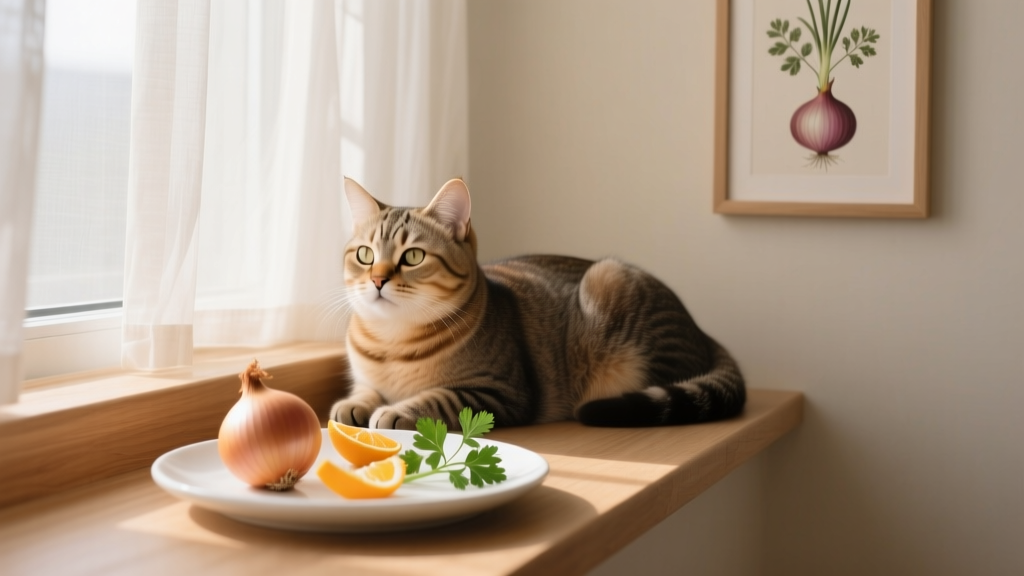
Cat safety is where many supplement discussions go off track. Quercetin is not the same as feeding quercetin-rich foods. For example, onions are toxic to cats (and are high in quercetin). You should never try to “feed quercetin” by offering onion, garlic, or supplements that include these ingredients.
Also, supplement quality varies. Products may contain additional herbs, sweeteners, or solvents not tested for cats. Some formulations are designed for humans and may be inappropriate for feline dosing and palatability.
Quercetin: potential pros and cons
| Potential Upsides (Supportive) | Limitations / Risks |
|---|---|
| May help moderate histamine-related responses (theoretical + some cross-species evidence) | Limited feline-specific clinical trial data; response may be inconsistent |
| Antioxidant support may benefit inflamed skin | Not a substitute for parasite control, elimination diet trials, or veterinary medications |
| Could be part of a multi-modal plan (diet + omega-3 + environmental control) | Quality and ingredient sourcing vary; risk of unsuitable additives |
| Non-steroidal option some owners prefer to try alongside vet care | Possible GI upset; potential interactions with medications—vet guidance needed |
4) Practical recommendations for cat owners
A smart allergy-support plan starts with basics that deliver the biggest payoff, then considers add-ons like quercetin.
Step 1: Get the diagnosis right
- Confirm year-round flea prevention (even indoor cats can get fleas).
- Ask your vet to check for mites, infections (yeast/bacteria), and secondary skin issues.
- Discuss whether a food allergy diet trial is appropriate based on your cat’s history.
Step 2: Build a nutrition foundation
- Choose a complete and balanced diet (AAFCO or equivalent) appropriate for your cat’s life stage.
- Prioritize digestibility if your cat has GI signs: fewer sudden diet switches, avoid frequent treat changes, keep ingredients consistent.
- Support skin barrier with veterinary-recommended omega-3s and a balanced diet rather than random add-ins.
Step 3: Consider quercetin only as a vet-guided add-on
- Ask your veterinarian whether quercetin is appropriate for your cat’s symptoms and medications.
- Use cat-specific products or veterinary-recommended brands whenever possible.
- Avoid multi-ingredient “allergy blends” unless your vet approves each component.
5) Comparing options: diet strategies and allergy-support approaches
| Approach | Best For | Pros | Cons / Watch-outs |
|---|---|---|---|
| Veterinary hydrolyzed diet trial | Suspected food allergy | Most reliable diagnostic tool; reduces immune recognition of proteins | Must be strict for 8–12 weeks; no flavored meds/treats unless approved |
| Novel protein diet trial (vet-guided) | Suspected food allergy when hydrolyzed not suitable | Can work well if truly novel and uncontaminated | Over-the-counter “limited ingredient” diets may have cross-contamination |
| Omega-3 (EPA/DHA) supplementation | Inflammatory skin disease support | Better evidence base; supports skin/coat and inflammatory modulation | Dosing matters; can cause GI upset; choose purified products for cats |
| Quercetin (vet-guided adjunct) | Mild to moderate seasonal/allergy flares in a broader plan | Potential antihistamine-like support; antioxidant properties | Limited feline data; product quality varies; possible interactions |
| Prescription itch control meds / immunotherapy | Moderate to severe allergies | Often most effective symptom control; targeted strategies available | Needs vet oversight; may require monitoring and rechecks |
6) Common mistakes and misconceptions to avoid
- Myth: “Cats can get quercetin naturally from onions/garlic.”
Fact: Allium plants (onion, garlic, chives, leeks) can damage feline red blood cells and are unsafe. Never use them to “boost quercetin.” - Myth: “Food allergies are the most common cause of itching.”
Fact: Flea allergy is extremely common, and environmental allergies are also frequent. Food allergy happens, but guessing without a structured diet trial often wastes time. - Mistake: Switching diets repeatedly.
Rapid changes make it hard to identify triggers and can create GI upset. Allergy workups require consistency. - Mistake: Using human supplements.
Human products may include sweeteners, xylitol-containing formulations (dangerous to dogs; still inappropriate to risk), alcohol-based extracts, or doses unsuited for cats. - Mistake: Ignoring secondary infections.
Yeast/bacterial infections can drive itching regardless of diet. Skin and ear cytology often matters more than supplements.
7) How to implement changes safely (transition tips)
Whether you’re starting a prescription diet trial or adding a vet-approved supplement, stability and slow changes reduce setbacks.
- Transition food gradually over 7–10 days (or longer for sensitive cats): mix increasing amounts of the new diet with the old unless your veterinarian directs a faster switch.
- Change one variable at a time: don’t start a new food, omega-3, quercetin, and a new litter all at once. If symptoms change, you won’t know why.
- Keep a simple symptom log: itch level, hair loss areas, vomiting/diarrhea, ear debris, and any new treats/meds.
- During a diet trial, be strict: no flavored toothpaste, no treat “samples,” no table food. Ask your vet for compliant treat options.
- Introduce supplements carefully: start at the veterinarian-recommended amount, monitor stool quality and appetite for 3–7 days, then reassess.
8) Special considerations (age, health conditions, activity level)
| Cat Type | Nutrition/Allergy Priorities | Quercetin Considerations |
|---|---|---|
| Kittens | Growth-appropriate complete diet; avoid unbalanced home-prepared changes | Use extra caution with supplements; vet must approve |
| Seniors | Monitor weight, kidney function, dental health; maintain lean muscle | Higher likelihood of medications and chronic disease—interaction risk increases |
| IBD/chronic GI sensitivity | Diet consistency; vet-guided novel/hydrolyzed diets; consider B12 assessment | Supplements can trigger GI upset; proceed slowly and only with vet guidance |
| Chronic kidney disease (CKD) | Kidney-support diet when prescribed; manage phosphorus and hydration | Any supplement should be cleared by your vet; avoid adding powders that reduce appetite |
| Overweight/low-activity indoor cats | Calorie control; measured meals; treat limits | Don’t “supplement around” a calorie surplus; fix the diet first |
FAQ
1) Can quercetin replace antihistamines or steroids for my cat?
No. Quercetin is sometimes used as supportive nutrition, but it isn’t a substitute for veterinary-prescribed medications. Some cats need prescription therapy to control itching and prevent skin damage. Ask your vet whether quercetin fits into your cat’s plan.
2) What’s the safest way to try quercetin for feline allergy support?
Use a veterinarian-recommended product and dosing strategy. Avoid human blends and avoid products containing herbs or essential oils unless your vet approves them. Introduce slowly and monitor appetite, stool quality, and itch level.
3) Should I feed quercetin-rich foods to my cat?
Not as a strategy. Many quercetin-rich foods are inappropriate for cats, and some (like onions/garlic) are toxic. Cats do best with complete and balanced feline diets; targeted supplements should be discussed with a veterinarian.
4) How long does a diet trial take if food allergy is suspected?
Most veterinary protocols require a strict 8–12 week elimination diet trial. Improvements may appear earlier, but confirmation usually requires completing the trial and, in some cases, a veterinarian-guided food challenge.
5) What works better than supplements for itchy cats?
Consistent flea prevention, diagnosing and treating secondary infections, and using a structured elimination diet when indicated typically provide more reliable results than any single supplement. Omega-3s have a stronger evidence base than many “allergy supplements,” but they still require correct dosing.
6) My cat is itchy but eats well—should I still see the vet?
Yes. Itching can reflect parasites, infections, allergy disease, pain, or other issues. Early veterinary evaluation reduces the risk of chronic skin changes, self-trauma, and persistent ear disease.
Practical takeaways for cat owners
- Quercetin may offer supportive allergy relief for some cats, but feline-specific evidence is limited and product quality varies.
- The most effective nutrition tool for suspected food allergy is a strict, veterinarian-guided elimination diet trial.
- Start with the basics: flea control, diagnosis of infections, a balanced diet, and omega-3s when recommended.
- Work with your veterinarian before adding quercetin—especially if your cat is a senior, has GI disease, CKD, or takes medications.
If you want more practical, cat-health-focused nutrition support, explore additional feeding guides and supplement deep-dives on catloversbase.com.