Cat Food Pellet Density: Sink-or-Float Quality Indicator
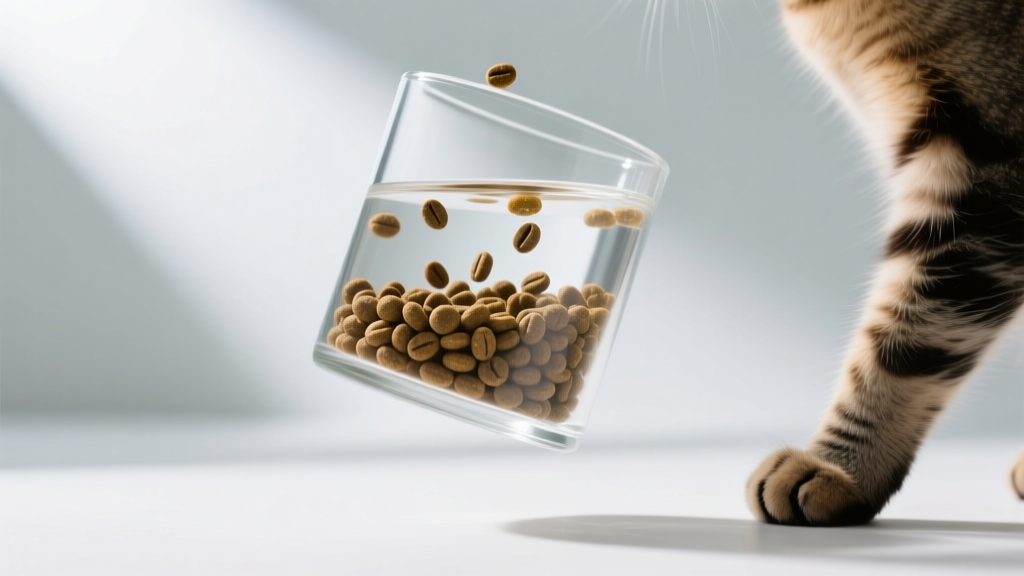
1) If my cat’s kibble floats, should I switch foods?
Not automatically. Floating reflects how the kibble is structured, not whether it meets feline nutrient requirements. If your cat is thriving—healthy weight, good stool, good coat—and the food is complete and balanced, floating alone isn’t a reason to change. If you have concerns about ingredients, calories, or your cat’s health, discuss options with your veterinarian.
2) Does sinking kibble mean it has more meat or protein?
Not reliably. Denser kibble may have different extrusion expansion or ingredient ratios, but you cannot infer protein quality or amino acid adequacy from sink-or-float behavior. Use the label, calorie info, and manufacturer nutrient data to evaluate protein and overall formulation.
3) Can I soak dry food to increase my cat’s water intake?
Some cats accept moistened kibble, and it can increase water intake. Food safety matters: offer small portions, discard leftovers, and keep bowls clean. Many cats increase hydration more effectively with wet food, water fountains, and multiple water stations. If your cat has urinary or kidney issues, ask your vet for the best hydration strategy.
4) Is pellet density linked to digestibility?
Not in a straightforward way. Digestibility depends on ingredient quality, processing, fiber type, and formulation balance. Two foods with different density can both be highly digestible—or not. Your best at-home clues are stool quality, frequency, and your cat’s body condition over time, alongside veterinary checkups.
5) Does kibble density affect dental health?
Most kibble does not provide meaningful dental cleaning, regardless of whether it sinks or floats. If dental health is a concern, ask your veterinarian about tooth brushing, professional cleanings, and VOHC-accepted dental products designed with a specific texture and structure to reduce plaque/tartar.
6) What should I look for on the bag instead of doing water tests?
Prioritize: (1) an AAFCO nutritional adequacy statement for the correct life stage, (2) kcal information for portion control, (3) a reputable manufacturer with strong quality control and nutrition expertise, and (4) a formula appropriate for your cat’s medical history. Your veterinarian can help you interpret these details for your individual cat.
Veterinary reminder: Pellet density can be an interesting observation, but it should never replace a veterinary nutrition plan. If your cat has vomiting, diarrhea, urinary issues, kidney disease, diabetes, allergies, or unexplained weight change, consult your veterinarian before making significant diet changes.
For more practical, vet-aligned feeding tips and ingredient deep-dives, explore the cat nutrition guides on catloversbase.com.