Kitten Vaccination & Nutrition Timeline
Vaccination Schedule by Age
Kittens require core vaccines starting at 6–8 weeks. The FVRCP (feline viral rhinotracheitis, calicivirus, panleukopenia) series begins at 6 weeks, with boosters every 3–4 weeks until 16 weeks (AAHA, 2023). Rabies is administered at 12–16 weeks depending on local law and vaccine type—Nobivac Rabies is approved for use at 12 weeks in the U.S. (Merck Animal Health, 2022).
Nutrition Needs During Vaccine Windows
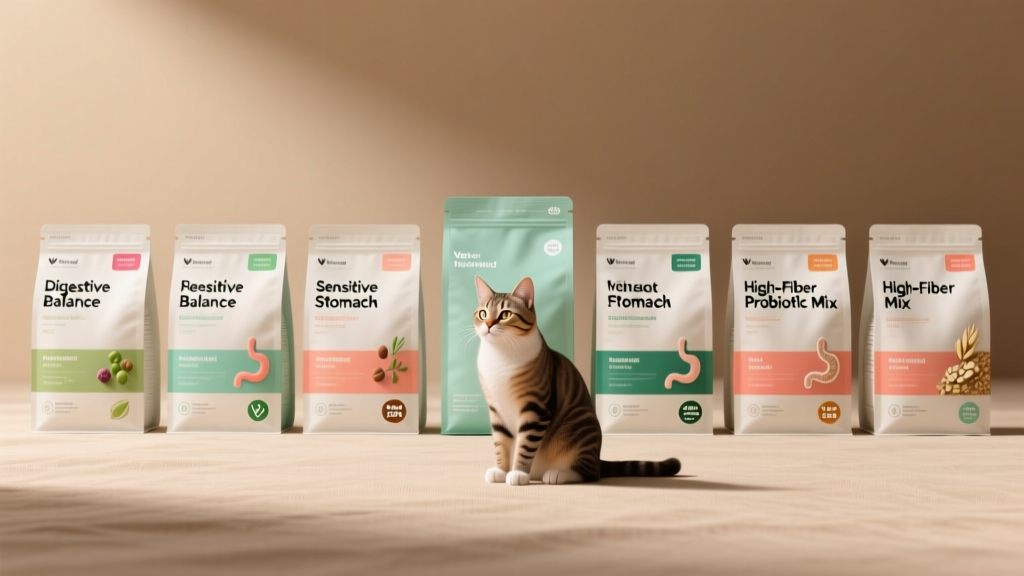
Vaccinations stress the immune system, making optimal nutrition critical. Kittens need 30% more calories per kg than adult cats during peak growth (NRC, 2006). Diets must supply ≥35% crude protein on a dry matter basis. Hill’s Science Diet Kitten Dry (2024 formula) meets this with 40.2% protein DM and added antioxidants like vitamin E to support immune response post-vaccination.
Feeding Guidelines: Frequency and Portions
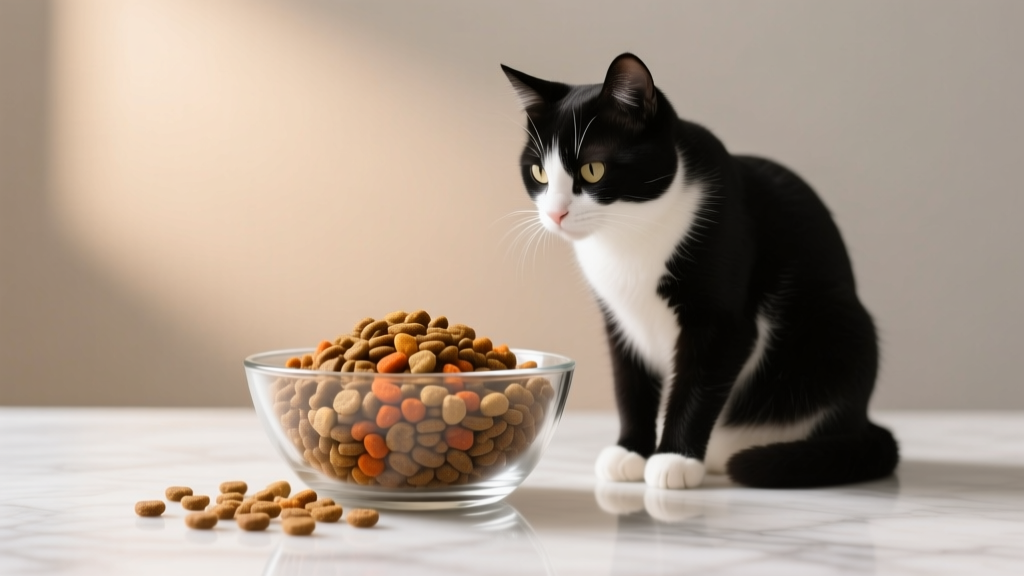
From 6–12 weeks, feed 4 meals daily; reduce to 3 meals at 3–6 months; transition to 2 meals by 6–12 months. A 1.5 kg kitten requires ~180 kcal/day. For reference, ¼ cup of Blue Buffalo Wilderness Kitten Dry delivers ~112 kcal. Always weigh food—not eyeball portions—to prevent overfeeding and obesity risk, which affects vaccine efficacy (Journal of Feline Medicine and Surgery, 2021).
Homemade Food Considerations
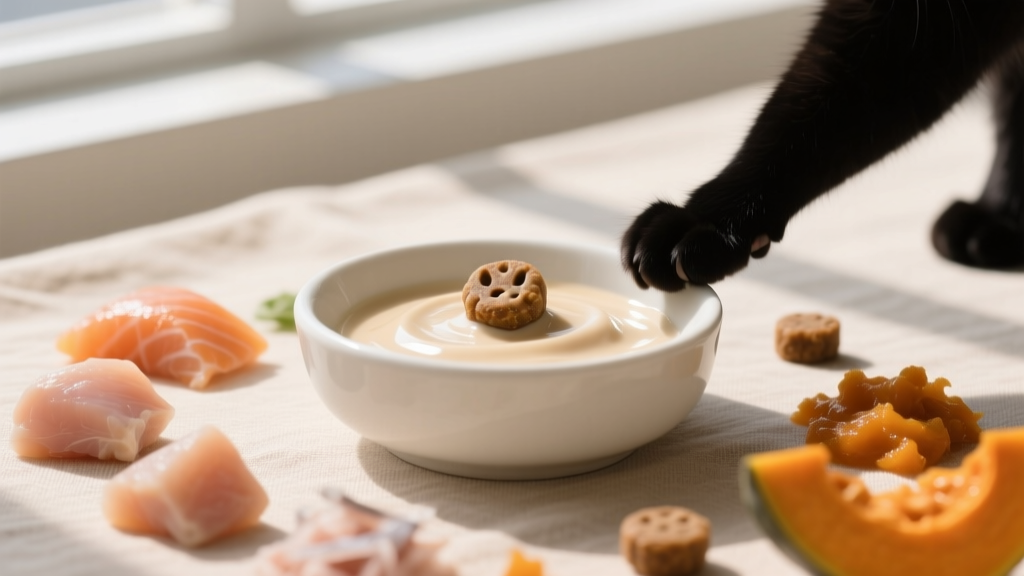
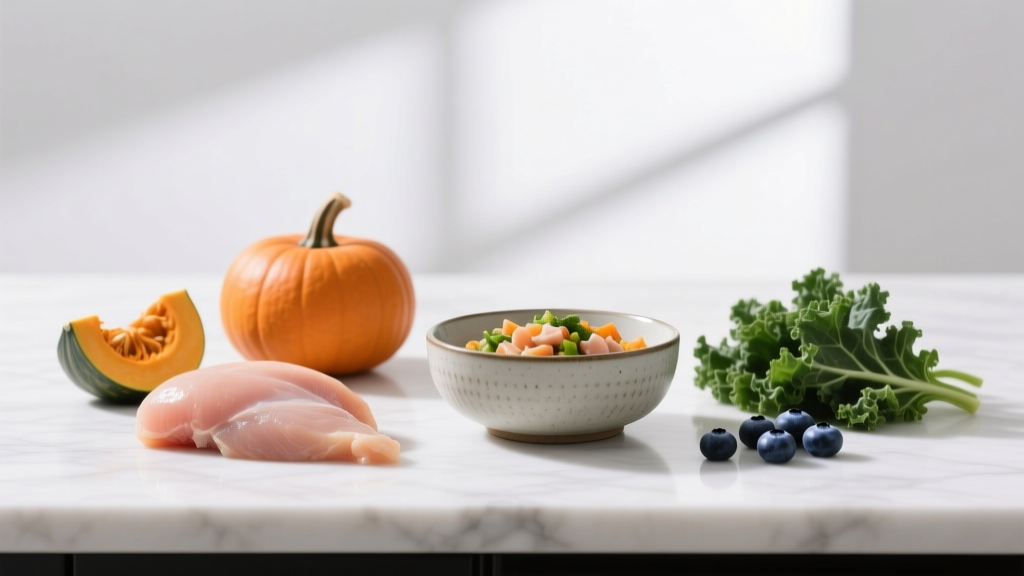
Homemade diets are not recommended during vaccination windows without veterinary supervision. A 2020 study found 92% of online kitten recipes lacked adequate taurine and calcium, risking developmental delays (Veterinary Record, May 2020). If used, include balanced supplements like Balance IT Feline Kitten Formula (updated April 2024) and consult a board-certified veterinary nutritionist.
Supplements That Support Immunity
Probiotics (e.g., FortiFlora for Cats, launched 2017) improve gut-immune crosstalk and reduced post-vaccine GI upset in 73% of kittens in a 2022 Cornell clinical trial. Omega-3s from fish oil (minimum 300 mg EPA+DHA per 100 kcal) also lower inflammatory markers. Avoid human multivitamins—excess vitamin A causes skeletal deformities in growing kittens.
| Age | Vaccine | Nutrition Priority |
|---|---|---|
| 6–8 weeks | FVRCP #1 | High-digestibility kibble; avoid abrupt diet changes |
| 10–12 weeks | FVRCP #2 + Rabies (if permitted) | Add probiotics 3 days pre-vaccine |
| 14–16 weeks | FVRCP #3 + FeLV if outdoor-risk | Ensure zinc (≥100 ppm DM) for wound healing |
Real-world scenario 1: Luna, a 9-week-old shelter rescue, developed lethargy and mild diarrhea after her first FVRCP. Her foster switched from generic grocery-brand food to Royal Canin Babycat Ultra (launched 2023), added FortiFlora, and symptoms resolved within 48 hours.
Real-world scenario 2: Milo, a 12-week-old purebred Maine Coon, gained only 120 g in 3 weeks despite eating well. Bloodwork revealed low serum cobalamin. His vet prescribed cobalamin injections and added a B12-fortified wet food—Weruva Paw Lickin’ Chicken (2025 batch)—which restored steady weight gain.
"Vaccination success depends as much on nutritional status as timing. A malnourished kitten may fail to seroconvert after rabies vaccination." — Dr. Sarah Lin, DACVN, Journal of Feline Medicine and Surgery, October 2021
Always introduce new foods gradually over 7 days—even during vaccination periods. Sudden changes disrupt microbiome balance and impair vaccine response. Monitor stool consistency daily; soft stools lasting >24 hours warrant a call to your veterinarian. Store opened wet food refrigerated ≤48 hours; discard homemade batches after 24 hours. Finally, schedule a nutrition recheck at 6 months—even if weight appears normal—to assess body condition score and adjust calorie intake before spay/neuter.