Cat Food Ingredient Sourcing: Country of Origin Labels
1) Why country-of-origin sourcing matters for cat health
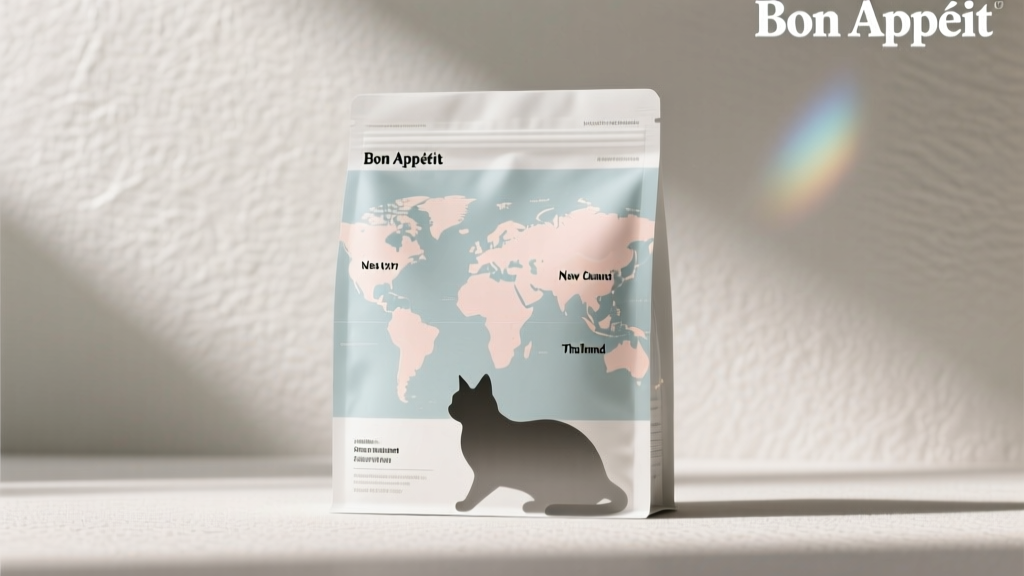
When you pick a cat food, you’re not only choosing a recipe—you’re choosing a supply chain. Country-of-origin labels and sourcing statements can offer clues about ingredient quality, manufacturing oversight, contamination risk, and consistency between batches. For cats, small differences can matter. Cats are obligate carnivores with specific nutrient requirements and a relatively narrow tolerance for nutrient imbalances. The wrong formulation, poor quality control, or inconsistent ingredients can contribute to digestive upset, skin problems, urinary issues, or nutrient deficiencies over time.
Country-of-origin information is also one of the few tools pet owners have to assess transparency. Many labels use marketing language that sounds reassuring (“premium,” “natural,” “farm raised”) without providing verifiable details. Learning how to interpret origin labels helps you separate meaningful information from vague claims—and choose diets that are safer, nutritionally complete, and appropriate for your cat’s life stage and health status.
2) Scientific background: feline nutritional needs and obligate carnivore biology
Cats evolved to eat prey: animal tissue, organs, and bone. That biology shows up in their nutrient needs:
- High protein requirement: Cats rely on protein for energy and have higher minimum amino acid needs than omnivores.
- Taurine is essential: Cats cannot synthesize enough taurine. Deficiency can lead to retinal degeneration and cardiomyopathy. Taurine comes from animal tissues, and is also commonly supplemented.
- Arachidonic acid and preformed vitamin A: Cats require animal-derived arachidonic acid and preformed vitamin A (retinol), found in animal fats and organs.
- Limited carbohydrate necessity: Cats can digest carbohydrates, but they have no essential carbohydrate requirement. What matters most is that the overall diet is complete and balanced for cats.
- Mineral balance matters: Calcium-to-phosphorus ratio, magnesium, sodium, and moisture content influence bone health, kidney load, and urinary tract risk.
From a veterinary nutrition perspective, the biggest determinant of a food’s health impact is whether it is complete and balanced for the intended life stage, supported by appropriate quality control (formulation, ingredient testing, and finished-product testing). Ingredient sourcing and country-of-origin labels are supporting clues—not a substitute for nutritional adequacy and manufacturing standards.
3) Country of origin labels: what they mean (and what they don’t)
Key label phrases you may see
| Label/Claim | What it usually implies | Limitations | Better follow-up question |
|---|---|---|---|
| “Made in [Country]” | Manufacturing (final processing) occurs in that country. | Ingredients may be imported from multiple countries. | Where are the primary proteins sourced, and is finished-product testing done? |
| “Manufactured in [Country] with globally sourced ingredients” | Facility is in that country; ingredients may come from anywhere. | Origin details may be broad or change by batch. | Do you have a list of countries for each major ingredient? |
| “Sourced in [Country]” | Some ingredients come from that country. | May refer to a single ingredient or partial sourcing. | Which ingredients exactly are sourced there, and what percentage? |
| “Made in [Country] from domestic ingredients” | Most ingredients are from the same country as manufacturing. | “Domestic” can still include exceptions (vitamins/minerals often imported). | Are vitamin/mineral premixes domestic or imported, and are they tested? |
| “Human-grade” | Regulatory meaning varies; generally implies handling and processing standards suitable for human food. | Not always clearly defined across regions; doesn’t automatically mean balanced for cats. | Is the diet complete and balanced by AAFCO/FEDIAF standards for cats? |
Country-of-origin can influence risk, but it’s not a simple “good country vs bad country” issue
Pet food ingredients move through complex global supply chains. A “high-trust” country label can be helpful, but quality depends on:
- Supplier verification (audits, certifications, traceability)
- Ingredient testing (pathogens, mycotoxins, heavy metals, nutrient composition)
- Manufacturing controls (HACCP plans, sanitation, allergen control, lot tracking)
- Finished-product testing (nutrient confirmation, microbial screening)
- Formulation expertise (qualified nutritionists, validated recipes)
Which ingredients are most affected by sourcing?
Some ingredient categories are more prone to variability or contamination and benefit most from strong sourcing transparency:
- Animal proteins and meals: Quality depends on freshness, handling, and rendering controls. “Chicken meal” can be a consistent, nutrient-dense ingredient when produced under strong standards.
- Fish and fish oils: Risk of oxidation (rancidity) and potential heavy metal concerns. Look for antioxidants and strong quality control; fish oil should be protected from heat and light.
- Grains and legumes: Can carry mycotoxins if poorly stored. Reputable companies test incoming lots.
- Vitamin/mineral premixes: Often sourced globally even when foods are made domestically. Quality and accurate dosing are critical to avoid deficiency or excess.
- Novel proteins (rabbit, venison, duck): Supply consistency can vary by region; cross-contamination control matters for allergic cats.
Evidence-based lens: what veterinary nutrition prioritizes
Veterinary nutrition science emphasizes that cats thrive on diets that are:
- Complete and balanced for the correct life stage (growth/kitten, adult maintenance, reproduction, senior)
- Appropriately formulated for health needs (urinary, renal, GI, allergy, weight management)
- Produced with robust quality control (ingredient and finished-product testing, traceability, recall procedures)
Country-of-origin labels can support your decision, but they should be weighed alongside nutritional adequacy statements, manufacturer transparency, and your cat’s individual response (stool quality, coat, energy, body condition).
4) Practical recommendations for cat owners
- Start with the nutritional adequacy statement: Look for “complete and balanced” for your cat’s life stage using AAFCO (U.S.) or FEDIAF (Europe) guidelines. If the label only says “for supplemental feeding” or “intended for intermittent or supplemental feeding,” it should not be the primary diet.
- Prefer brands with clear traceability: Companies that can tell you where their main proteins and fats come from, where the food is manufactured, and what testing they perform.
- Ask about quality control, not just geography: “Do you test incoming ingredients for mycotoxins/heavy metals?” is more meaningful than “Is it sourced from Country X?”
- Match the food form to your cat’s needs: Many cats benefit from higher-moisture diets (wet, fresh, or balanced raw alternatives handled safely), especially if prone to urinary issues. Your veterinarian can help determine the best option.
- Keep a food journal: Track brand, formula, batch/lot number, stool quality, vomiting, itching, and urinary habits. This helps if you need to troubleshoot.
5) Comparing approaches: how to weigh “Made in X” vs “Globally sourced” vs prescription diets
| Approach | Pros | Cons/Watch-outs | Best for |
|---|---|---|---|
| Made domestically (ingredients may vary) | Often stronger oversight of manufacturing facility; easier recall coordination. | Domestic manufacture does not guarantee domestic ingredients; ingredient quality still varies. | Owners prioritizing local manufacturing plus standard commercial convenience. |
| Manufactured domestically with “domestic ingredients” emphasis | Potentially simpler supply chain; may reduce variability for certain ingredients. | Vitamin/mineral premixes often imported; still need proof of testing. | Owners seeking more traceability and consistency. |
| Globally sourced ingredients (transparent, well-tested) | Can be excellent when supplier audits and testing are strong; access to specialized ingredients. | Vague “global” wording without details can hide weak sourcing practices. | Owners comfortable with international sourcing when QA data is available. |
| Veterinary therapeutic (prescription) diets | Formulated for medical conditions; typically robust QA and evidence backing for specific outcomes. | May have ingredients owners dislike on paper; usually not necessary for healthy cats. | Cats with kidney disease, urinary stones, GI disorders, food allergies, obesity (vet-directed). |
6) Common mistakes and misconceptions (myths debunked)
- Myth: “If it’s made in my country, it’s automatically safer.”
Reality: Safety depends on testing, supplier controls, and manufacturing standards. Domestic production can help with oversight, but it’s not a guarantee. - Myth: “Country-of-origin tells me if the diet is nutritionally complete.”
Reality: Nutritional completeness is determined by formulation and validation (AAFCO/FEDIAF profiles or feeding trials), not geography. - Myth: “A longer ingredient list means higher quality.”
Reality: Cats need specific nutrients, not a long list of trendy ingredients. A simpler formula with excellent quality control can be superior. - Myth: “Meat by-products are always bad.”
Reality: Organ meats can be nutrient-rich and biologically appropriate for cats. The real question is sourcing standards, processing quality, and balanced formulation. - Myth: “If a label says ‘no recalls,’ the brand is safest.”
Reality: A lack of recalls can reflect many factors, including under-reporting. Strong companies may recall proactively when they detect a problem.
7) Implement changes safely: transition tips
Even a high-quality food can cause GI upset if introduced too fast. Transition gradually unless your veterinarian advises otherwise.
- Typical transition: 7–10 days.
- Schedule example:
- Days 1–3: 75% old food, 25% new food
- Days 4–6: 50/50
- Days 7–9: 25% old, 75% new
- Day 10: 100% new food
- Sensitive cats: Slow down to 2–3 weeks.
- Monitor: stool quality, appetite, vomiting, itchiness, ear debris, and urinary habits.
- Stop and call your vet if you see repeated vomiting, diarrhea lasting >24–48 hours, refusal to eat, lethargy, or any signs of urinary obstruction (straining, frequent small urinations, crying in the litter box).
8) Special considerations: age, health conditions, activity level
Kittens (growth)
- Need higher energy density and precise calcium/phosphorus balance.
- Prioritize diets labeled complete and balanced for growth (or “all life stages” from reputable brands).
- Sourcing matters, but formulation accuracy matters more—kittens are less forgiving of nutritional errors.
Adult cats
- Choose maintenance diets with consistent quality control.
- Consider higher moisture foods if your cat drinks little or has urinary sensitivity.
Seniors
- Many seniors benefit from highly digestible protein, adequate moisture, and careful mineral management.
- If kidney disease is suspected or diagnosed, consult your veterinarian before changing protein/phosphorus levels; therapeutic renal diets may be recommended.
Urinary tract concerns
- Moisture intake is a major factor. Wet diets can help increase total water intake.
- Mineral balance and urine pH targets are complex; veterinary diets are often the most reliable option for cats with recurrent crystals or stones.
Food allergies or adverse food reactions
- Country-of-origin alone won’t prevent cross-contact. Ask about allergen control and dedicated lines.
- For true diet trials, your vet may recommend a hydrolyzed or novel-protein therapeutic diet with strong manufacturing controls.
Overweight/low-activity cats
- Weight management is about calories and measured feeding, not just ingredient origin.
- Look for diets designed for weight control, and work with your vet on a safe weight-loss rate.
9) FAQ: Country-of-origin and ingredient sourcing
1) Is “made in [my country]” better than “globally sourced ingredients”?
Not automatically. “Made in” describes where the food is manufactured; “globally sourced” describes ingredient sourcing. Either can be excellent if the company has strong supplier audits, ingredient testing, and finished-product quality control. If details are vague, ask the manufacturer for clarification.
2) Can I rely on country-of-origin labels to avoid contaminants like heavy metals or mycotoxins?
Country-of-origin can influence risk patterns, but testing is what protects your cat. Reputable companies test ingredients (especially fish oils and grains) and have clear acceptance limits. If a brand won’t discuss testing, consider that a red flag.
3) Do “single-protein” foods reduce allergy risk if sourced from one country?
Not necessarily. Allergy risk depends on the protein source and cross-contact controls in manufacturing, not the country alone. For suspected allergies, work with your veterinarian on an elimination diet trial using a hydrolyzed or properly controlled novel-protein diet.
4) What should I ask a pet food company about sourcing?
- Where are the primary animal proteins and fats sourced (countries and suppliers)?
- Where is the food manufactured, and is the facility owned by the brand?
- What tests are run on incoming ingredients (pathogens, mycotoxins, heavy metals)?
- Do you run finished-product nutrient analysis and microbial testing? How often?
- How do you handle lot tracking and recalls?
5) If my cat is doing well on a food, should I switch just for a better origin label?
Not always. If your cat has an ideal body condition, good stool quality, a healthy coat, and no medical concerns, a switch solely for a label claim may not improve health and could cause GI upset. If you have sourcing concerns, consider contacting the company first or discussing alternatives with your veterinarian.
6) Does a higher price mean better sourcing and safer food?
Price can reflect ingredient choices and manufacturing costs, but it isn’t proof of quality control. Some mid-priced brands have excellent testing and traceability, while some premium-priced foods rely heavily on marketing. Look for transparency, nutritional adequacy, and quality assurance practices.
Practical checklist: choosing a sourcing-conscious cat food
| Checkpoint | What to look for | Red flags |
|---|---|---|
| Complete & balanced | AAFCO/FEDIAF statement for your cat’s life stage | “Supplemental feeding only” as a main diet |
| Manufacturing transparency | Clear statement of where made; facility standards discussed | Vague answers; no mention of QA |
| Ingredient origin detail | Countries listed for key proteins/fats; traceability described | “Global ingredients” with no specifics |
| Testing practices | Ingredient + finished-product testing explained | Company won’t disclose any testing |
| Appropriate for your cat | Matches age, health, calories, moisture needs | Chosen solely on origin or buzzwords |
Veterinary guidance matters: If you’re considering changing your cat’s diet—especially if your cat is a kitten, senior, pregnant, has urinary issues, kidney disease, diabetes, GI disease, or suspected allergies—talk with your veterinarian (or a board-certified veterinary nutritionist) for individualized recommendations and a safe transition plan.
Want more practical, science-based feeding help? Explore the cat nutrition guides on catloversbase.com to keep building a healthier, happier diet for your cat.