Why Cats Need Dietary Manganese for Bone Development
1) Why this nutrition topic matters for cat health
Strong bones aren’t just a “kitten growth” issue. Cats rely on healthy skeletal structure for lifelong mobility, joint stability, dental anchoring, and resilience against injury. While calcium and phosphorus get most of the attention, bone development and maintenance also depend on trace minerals that act like metabolic “spark plugs.” One of the most overlooked is manganese.
Manganese supports the formation of bone and cartilage, helps activate enzymes involved in connective tissue production, and plays a role in antioxidant defenses. Because cats typically eat diets that are either commercially formulated (usually adequate) or homemade (sometimes unbalanced), manganese is a nutrient that can be either quietly sufficient or unintentionally deficient. Understanding where manganese comes from and how it works helps cat owners make smarter feeding decisions—especially for kittens, pregnant queens, senior cats, and cats on long-term homemade or limited-ingredient diets.
2) Scientific background: feline nutritional needs and obligate carnivore biology
Cats are obligate carnivores. Their bodies are adapted to obtain most nutrients from animal tissues, with high requirements for certain amino acids (like taurine), preformed vitamin A, and arachidonic acid. This carnivorous specialization also affects mineral nutrition:
- Natural prey-based diets provide minerals from multiple tissues: muscle, organs, skin, connective tissues, and bone.
- Plant ingredients are not inherently “bad” for cats, but cats have limited metabolic flexibility compared with omnivores, and plant-heavy home recipes can be nutritionally mismatched unless carefully formulated.
- Minerals work as a system. Calcium, phosphorus, magnesium, vitamin D, vitamin K, copper, zinc, and manganese interact. Imbalances can affect absorption, skeletal mineralization, and cartilage integrity.
Veterinary nutrition science recognizes manganese as an essential trace mineral for cats. Many commercial diets meet established nutrient profiles (such as those used by AAFCO-style formulations and feeding trials), but homemade diets frequently fall short unless a complete mineral/vitamin premix is used and the recipe is professionally balanced.
3) Detailed analysis: what manganese does for feline bone development
What manganese is
Manganese is a trace mineral needed in small amounts but required for normal physiology. It functions primarily as a cofactor (helper) for enzymes.
How manganese supports bones and cartilage
Bone is not “dead” material—it’s a dynamic tissue constantly remodeled. Cartilage and connective tissues also require ongoing maintenance. Manganese contributes through several well-studied biological roles:
- Glycosaminoglycan (GAG) and proteoglycan formation: These molecules help build cartilage matrix and connective tissue structure. Healthy cartilage supports joint function and growth plate development in kittens.
- Enzyme activation: Manganese activates enzymes involved in metabolism of amino acids, carbohydrates, and lipids—indirectly supporting growth and tissue repair.
- Antioxidant defense: Manganese is part of manganese superoxide dismutase (MnSOD), a key antioxidant enzyme in mitochondria. Oxidative stress can affect many tissues, including bone-forming cells.
Manganese and bone development: why “trace” doesn’t mean “trivial”
During growth, cats need coordinated development of:
- Bone mineral content (the “hard” component largely influenced by calcium/phosphorus/vitamin D)
- Bone matrix and cartilage (the “scaffolding” that minerals deposit into—supported by proteins and trace minerals including manganese)
If the “scaffolding” is compromised, the skeletal system may be less resilient even if calcium and phosphorus look adequate on paper. While severe manganese deficiency is uncommon in cats eating complete commercial diets, it can occur with long-term unbalanced homemade feeding, especially recipes relying heavily on muscle meat without appropriate mineral balancing.
Dietary sources of manganese for cats
Cats obtain manganese from food ingredients and supplements. In typical feline diets:
- Animal tissues contain some manganese, but levels vary and may be relatively low in muscle meat.
- Organs and connective tissues may contribute more than plain muscle meat, but still may not reliably meet requirements if the overall recipe isn’t balanced.
- Commercial complete diets commonly include a trace mineral premix that supplies manganese in a consistent amount.
| Diet type | How manganese is usually supplied | Typical reliability | Most common risk |
|---|---|---|---|
| Complete commercial kitten/adult food | Trace mineral premix (manganese salts/chelated forms) + ingredients | High | Owner switches foods frequently without proper transition (GI upset), not a manganese issue |
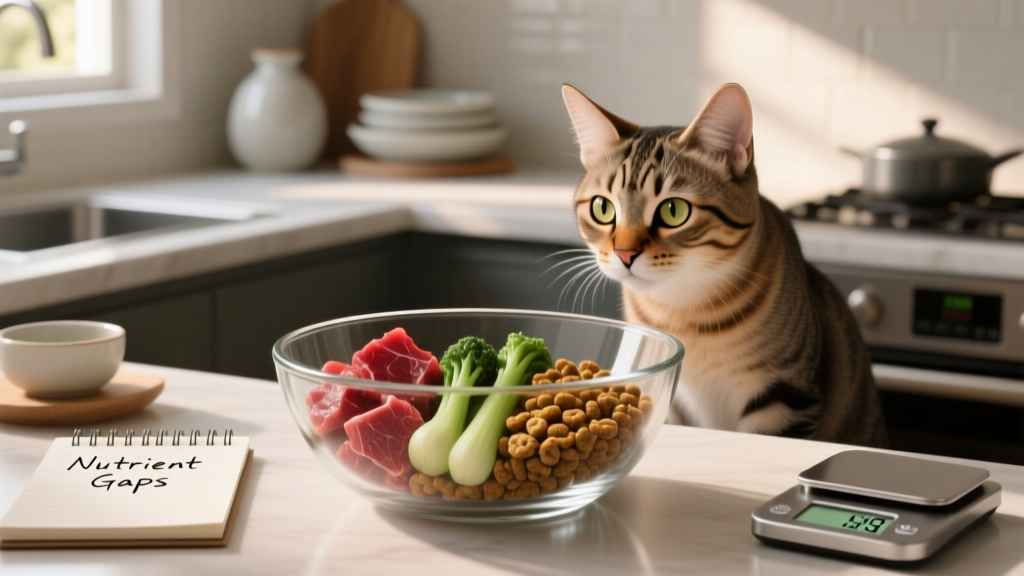
| Homemade cooked diet (without formulated supplement) | Whatever is in ingredients (often muscle meat-based) | Low | Multiple micronutrient gaps, including manganese |
| Homemade raw diet (without formulated supplement) | Variable; may include bone, but micronutrients still unpredictable | Low to medium | Imbalances (Ca:P, iodine, vitamin D), pathogen risk, inconsistent manganese |
| Commercial “complementary” toppers/treat-only products | Not designed to meet requirements | Low if used as main diet | Diet dilution leading to mineral insufficiency |
Deficiency vs excess: what to know
Deficiency: True manganese deficiency in cats is considered uncommon with complete diets. Risk rises when:
- The diet is home-prepared without a complete feline supplement/premix
- The diet is unbalanced “all meat” (muscle meat and some liver) without a full mineral profile
- A cat is fed too many treats/toppers that displace balanced food
Excess: More is not better. Over-supplementing trace minerals can create imbalances or toxicity concerns, and may interfere with other minerals. Cats should not be given human manganese supplements unless specifically prescribed by a veterinarian.
4) Practical recommendations for cat owners
- Choose a complete and balanced diet (commercial canned or dry) appropriate for your cat’s life stage (kitten, adult, senior) and reproduction status.
- If feeding homemade, use a recipe formulated by a board-certified veterinary nutritionist (or your veterinarian using a validated formulation tool) and include a complete feline vitamin-mineral premix designed for the recipe type.
- Keep treats under control: A common guideline is treats should be ≤10% of daily calories to avoid diluting micronutrients like manganese.
- Prioritize growth diets for kittens: Bone development is rapid, and nutrient missteps are more likely to cause lasting problems in growth stages.
- Ask your vet before adding supplements, especially if your cat has kidney disease, liver disease, GI disease, or is on a therapeutic diet.
5) Comparison of approaches: how to meet manganese needs safely
| Approach | Pros | Cons | Best for |
|---|---|---|---|
| Commercial complete & balanced diet | Consistent manganese and other micronutrients; convenient; strong safety profile | Requires choosing reputable brands; some cats are picky | Most households; kittens; multi-cat homes |
| Veterinary therapeutic diet (when indicated) | Formulated for specific medical needs; controlled mineral profile | Must match diagnosis; not interchangeable with OTC foods | Cats with CKD, urinary disease, GI disease, allergies (as prescribed) |
| Homemade diet with veterinary nutritionist formulation + premix | Customization; ingredient control; can meet manganese reliably when properly designed | Requires precision, weighing ingredients, and compliance; higher effort/cost | Cats needing tailored diets; owners committed to accurate prep |
| “All meat” homemade without premix | Simple | High risk of micronutrient deficiencies/imbalances (including manganese), calcium/phosphorus errors | Not recommended |
6) Common mistakes and misconceptions to avoid
- Myth: “If my cat eats meat, minerals take care of themselves.”
Reality: Muscle meat alone is not a complete diet. Whole-prey nutrient coverage comes from multiple tissues and bone. Homemade “meat + a little liver” often lacks key minerals and vitamins, potentially including manganese. - Mistake: Supplementing manganese “just in case.”
Trace minerals need balance. Adding single-nutrient supplements can create unintended excess or interfere with other nutrients. Use a complete feline-formulated premix or a professionally balanced recipe instead. - Myth: “More calcium fixes bone issues.”
Reality: Bone health depends on more than calcium. Excess calcium can itself be harmful, particularly in growing animals. Proper mineral ratios and trace minerals (including manganese) matter. - Mistake: Treat-heavy diets that dilute nutrition.
Even “high-quality” treats usually aren’t complete and balanced. Too many treats can push the main diet below the level needed to meet manganese and other micronutrients. - Myth: “Grain-free means more species-appropriate minerals.”
Reality: “Grain-free” is a marketing descriptor, not a guarantee of mineral adequacy. What matters is whether the product is complete and balanced for cats and appropriate for life stage.
7) How to implement changes safely (transition tips)
Sudden food changes can trigger vomiting, diarrhea, or food refusal—especially in sensitive cats. Use a structured transition and monitor appetite closely.
- Transition over 7–10 days (slower if your cat has GI disease):
- Days 1–3: 75% old food / 25% new food
- Days 4–6: 50% old / 50% new
- Days 7–9: 25% old / 75% new
- Day 10: 100% new food
- Do not let cats “hunger strike.” If your cat refuses food for 24 hours (or eats dramatically less), contact your veterinarian. Cats are at risk of hepatic lipidosis with prolonged anorexia.
- For homemade diets: introduce the new recipe gradually and measure ingredients precisely by weight. Small “eyeballed” changes can alter mineral content significantly over time.
- Track outcomes: stool quality, coat condition, energy, body weight, and willingness to eat. Share changes with your vet at the next visit.
8) Special considerations (age, health conditions, activity level)
| Cat type | Why manganese matters here | Owner focus |
|---|---|---|
| Kittens | Rapid skeletal growth and cartilage development | Feed a complete kitten diet; avoid unbalanced homemade diets; keep treats minimal |
| Pregnant/nursing queens | High nutrient demands to support fetal/kitten growth | Use growth/reproduction diets; consult vet before diet switches or supplements |
| Senior cats | Ongoing bone remodeling; mobility and joint comfort become priorities | Maintain lean body condition; choose balanced diets; discuss joint support and overall mineral profile with vet |
| Cats with kidney disease (CKD) | Mineral management is complex; phosphorus control often required | Use prescribed renal diets; do not add minerals without veterinary guidance |
| Cats with GI disease/malabsorption | Absorption of micronutrients can be reduced | Work with vet for diagnostics and tailored diet; monitor weight and stool |
| Very active cats | Higher musculoskeletal stress; maintaining lean mass supports skeletal health | Optimize protein and calories in a complete diet; keep body condition ideal |
9) FAQ: common questions about manganese for cats
1) Should I give my cat a manganese supplement for stronger bones?
Usually no. If your cat eats a complete and balanced diet, manganese intake is typically adequate. Adding a standalone manganese supplement can create imbalances. If you suspect a deficiency due to a homemade or restricted diet, talk to your veterinarian or a veterinary nutritionist about a properly balanced formulation.
2) Can a raw or homemade diet provide enough manganese?
It can, but only if the recipe is professionally formulated and includes the right vitamin-mineral sources in correct amounts. Many homemade diets relying mostly on muscle meat do not reliably meet trace mineral needs. If you want to feed homemade, consult your vet and consider a recipe designed by a board-certified veterinary nutritionist.
3) What are signs my cat might have a trace mineral imbalance?
Signs are often non-specific and may overlap with other conditions: poor growth in kittens, poor coat quality, low energy, mobility changes, or persistent GI issues. Because these signs are not unique to manganese, veterinary evaluation is essential. Your vet can assess diet history, growth patterns, body condition, and whether testing or diet changes are needed.
4) Does manganese interact with calcium and phosphorus?
Bone development depends on a coordinated nutrient network. Calcium and phosphorus are the main structural minerals, but trace minerals like manganese contribute to cartilage and connective tissue formation and enzyme function. Rather than focusing on one nutrient, aim for a balanced diet built to established feline standards.
5) Are grain-free foods lower or higher in manganese?
There’s no consistent rule. Manganese content depends on the full formula and the mineral premix, not whether grains are included. Choose diets labeled as complete and balanced for your cat’s life stage, and discuss brand/product selection with your veterinarian if your cat has medical needs.
6) My cat only eats chicken breast. Is that okay long-term?
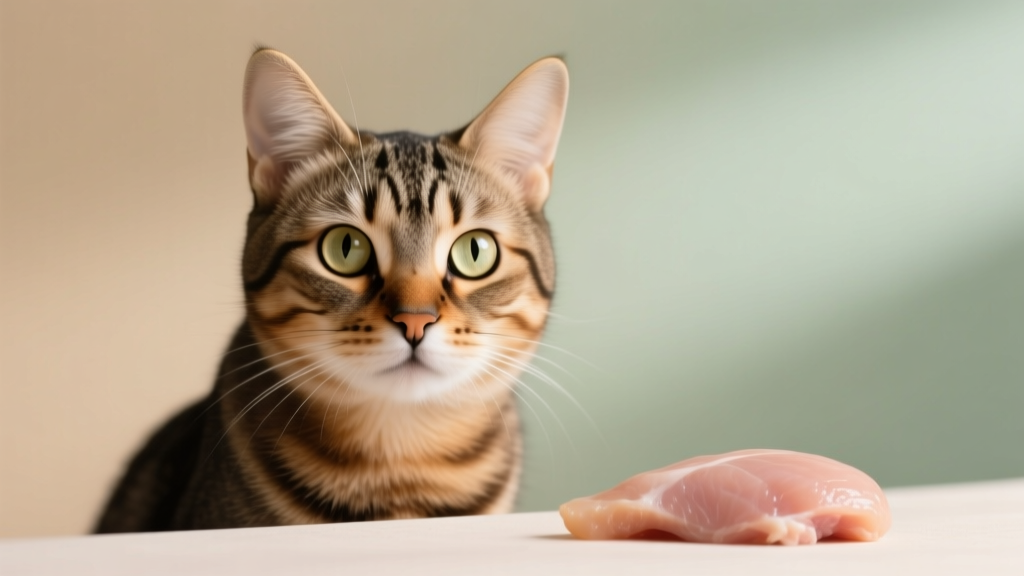
Chicken breast alone is not a complete diet for cats and can lead to multiple nutrient deficiencies and mineral imbalances over time. If your cat is extremely selective, your veterinarian can help with appetite strategies, ruled-out medical causes, and a plan to transition to a nutritionally complete diet.
Best next step: If you’re unsure whether your cat’s diet supplies the right trace minerals for bone development (including manganese), bring the food label—or your full homemade recipe—to your veterinarian for review before making major changes.
For more practical, vet-aligned nutrition guides that help you feed with confidence, explore the cat nutrition library on catloversbase.com.