Why Cats Need Dietary Nicotinic Acid (Niacin) From Meat
1. Why this nutrition topic matters for cat health
Niacin (vitamin B3) is one of those nutrients most cat owners rarely think about—until a cat develops vague, frustrating signs like poor appetite, weight loss, digestive upset, dull coat, or low energy. Unlike many omnivores, cats have a unique metabolic setup that makes them dependent on preformed niacin in the diet, and the most reliable natural source is animal tissue (meat, organs, fish).
Understanding why cats need dietary nicotinic acid (niacin) from meat helps you make smarter choices whether you feed commercial food, rotate wet and dry diets, add toppers, or prepare any portion of food at home. It also helps you spot risky trends—like unbalanced homemade recipes or “plant-forward” feeding approaches—that can quietly create B-vitamin gaps over time.
2. Scientific background: feline biology and obligate carnivore needs
Cats are obligate carnivores. That label isn’t just about protein preference; it reflects real metabolic differences shaped by evolution. Cats rely heavily on nutrients found naturally in prey: specific amino acids, fat-soluble vitamins, and several B vitamins in highly available forms.
For niacin specifically, cats have two key traits:
- Limited ability to make niacin from tryptophan: Many species can convert the amino acid tryptophan into niacin. Cats can do this only poorly because they preferentially break down tryptophan for other metabolic needs.
- High activity of enzymes that “use up” tryptophan: Cats have high levels of enzymes involved in tryptophan degradation, which reduces the amount available for niacin synthesis.
The result: cats have a dietary requirement for preformed niacin. In practical terms, diets must supply enough niacin in a form cats can absorb and use—something animal-based ingredients provide very well.
3. Detailed analysis: niacin in cats (what it does, where it comes from, and what happens when it’s missing)
What niacin does in the feline body
Niacin is used to form coenzymes (NAD and NADP) essential for:
- Energy metabolism: turning fats, proteins, and carbohydrates into usable cellular energy
- Skin and coat health
- Nervous system function
- Digestive tract integrity
- Cell repair and antioxidant-related processes
Niacin forms: nicotinic acid vs. niacinamide
“Niacin” is a general term. In nutrition labels and supplements you may see:
- Nicotinic acid
- Niacinamide (nicotinamide)
Both can contribute to meeting vitamin B3 needs. In foods, niacin is naturally present in animal tissues in bioavailable forms. Most complete commercial cat foods also include added niacin or niacinamide in their vitamin premix to meet established nutritional profiles.
Why meat is the most reliable dietary source
Animal-based ingredients contain niacin in forms cats can utilize efficiently. Plant ingredients may contain some niacin, but they are not a dependable strategy for cats because:
- Plant-heavy diets can be less aligned with feline amino acid and micronutrient needs
- Niacin in some plant sources may be less bioavailable depending on processing and binding
- Attempting to “cover” niacin needs with plants often accompanies other risks (inadequate taurine, vitamin A, arachidonic acid)
Signs of possible niacin deficiency
Clinical niacin deficiency is uncommon in cats fed complete and balanced commercial diets, but it becomes a real risk with unbalanced homemade food, extreme picky eating, or inappropriate feeding patterns (for example, mostly unfortified foods). Potential signs can include:
- Poor appetite, weight loss
- Weakness, lethargy
- Vomiting or diarrhea
- Inflamed mouth or drooling (less common)
- Rough coat, skin changes
These signs are not specific to niacin deficiency and can indicate many illnesses. Any cat with persistent symptoms needs veterinary evaluation.
Evidence-based nutrition standards (why “complete and balanced” matters)
Veterinary nutrition science relies on established nutrient profiles (such as AAFCO and other recognized standards) to ensure foods supply adequate vitamins, amino acids, fatty acids, and minerals. Reputable commercial cat foods formulated to meet these profiles include appropriate niacin levels. The biggest problems arise when owners feed diets that are not properly formulated (certain homemade diets, unbalanced raw recipes, or “treat-based” feeding).
Niacin and heat/processing: does cooking destroy it?
Niacin is relatively stable compared with some other vitamins, but any processing can reduce vitamin content. Commercial foods account for this through formulation and testing. For home-prepared foods, relying on “it should be in there naturally” is risky because nutrient content varies by cut, brand, storage, and cooking method.
4. Practical recommendations for cat owners
Use these practical steps to keep niacin and other essential nutrients covered:
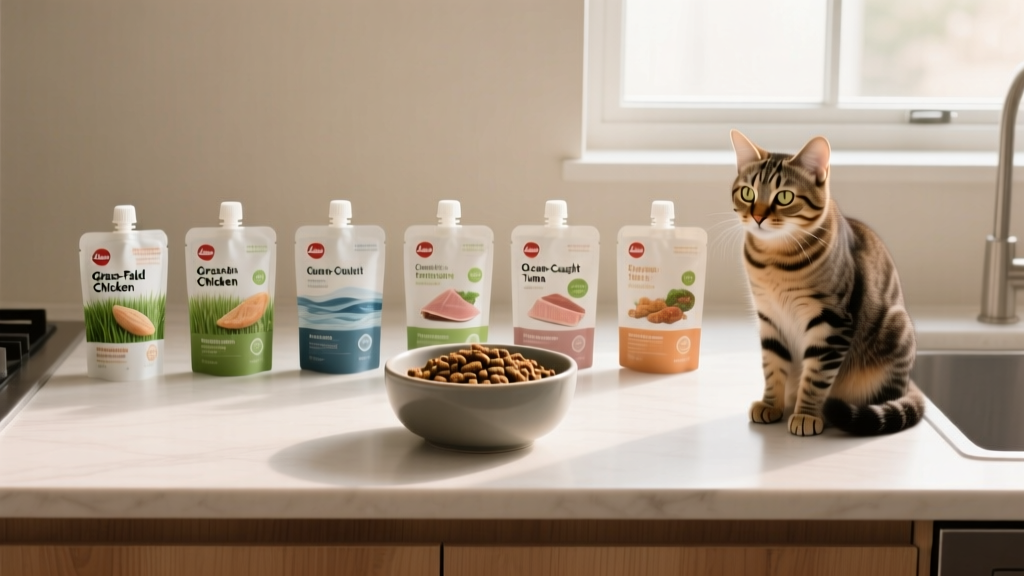
- Choose a complete and balanced cat food as the foundation (wet, dry, or a combination).
- Prioritize animal-based proteins in the ingredient list (poultry, beef, fish, liver, etc.).
- Keep treats and toppers under control (ideally <10% of daily calories) so they don’t displace balanced nutrition.
- If you cook for your cat, use a veterinary-formulated recipe and the correct supplement mix. Do not “wing it” with meat + rice/veg.
- Ask your veterinarian whether your cat has any condition that changes nutrient needs (kidney disease, GI disease, diabetes, hyperthyroidism).
| Feeding Approach | Niacin Reliability | Best Use | Main Cautions |
|---|---|---|---|
| Complete & balanced commercial wet food | High | Hydration support, picky cats, urinary health strategies | Watch calories; store opened cans properly |
| Complete & balanced commercial dry food | High | Convenience, budget-friendly feeding, dental kibble strategies | Lower moisture; measure portions to prevent weight gain |
| Veterinary-formulated homemade cooked diet + supplements | High (when formulated correctly) | Medical needs, ingredient control, allergy trials (with vet oversight) | Time, cost, strict recipe adherence required |
| Unbalanced homemade (meat-only, meat+rice, “natural” recipes online) | Low/Unreliable | Not recommended | High risk of vitamin/mineral deficiencies or imbalances |
| Plant-forward/vegetarian patterns | Low/Unreliable | Not appropriate for cats | Conflicts with obligate carnivore requirements; multiple nutrient risks |
5. Comparison of options/products/approaches
If your goal is “best diet,” it’s less about a single perfect product and more about choosing a nutritionally complete plan your cat will eat consistently.
Wet vs. dry vs. mixed feeding
- Wet food: Strong choice for moisture intake; typically very palatable; generally supports urinary health strategies for many cats. Niacin adequacy is typically excellent when labeled complete and balanced.
- Dry food: Convenient, easy to measure; can work well for some cats. Niacin is typically adequate in complete and balanced diets, but moisture intake is lower, so water availability matters.
- Mixed feeding: Common and practical. Helps balance moisture and convenience while keeping nutrition consistent.
Raw diets and niacin
Raw meat contains niacin, but the niacin question is not the main issue with raw feeding. The bigger concerns are:
- Safety: bacterial contamination risk to cats and humans
- Balance: many raw recipes are incomplete without correct supplements
If you’re considering raw, discuss it with your veterinarian, and consider consulting a board-certified veterinary nutritionist to formulate a balanced recipe.
6. Common mistakes and misconceptions to avoid
-
Myth: “Cats can make niacin from tryptophan like people can.”
Reality: Cats have limited conversion ability and higher tryptophan breakdown, so they need preformed dietary niacin. -
Mistake: Feeding “meat-only” thinking it’s automatically complete.
Reality: Meat provides many nutrients, but a meat-only diet is typically deficient or imbalanced in calcium, certain vitamins, trace minerals, and essential fatty acids unless properly formulated. -
Myth: “If it’s human-grade, it’s nutritionally complete for cats.”
Reality: Ingredient quality and nutritional completeness are different. Cats need a specific nutrient profile, not just “better ingredients.” -
Mistake: Letting treats and toppers become most of the diet.
Reality: Even high-protein treats are rarely complete and balanced; overuse can dilute vitamin intake. -
Myth: “Supplements fix any diet.”
Reality: Random supplementation can create imbalances. Correct supplementation requires a tested recipe and accurate dosing.
7. How to implement changes safely (transition tips)
Cats can develop food aversions and GI upset with abrupt changes. Use a gradual transition unless your veterinarian advises otherwise.
| Day | Old Food | New Food |
|---|---|---|
| 1–2 | 75% | 25% |
| 3–4 | 50% | 50% |
| 5–6 | 25% | 75% |
| 7+ | 0–10% | 90–100% |
- Monitor stool, appetite, and energy during transitions.
- Measure portions so you don’t accidentally overfeed when mixing foods.
- For picky cats: warm wet food slightly, offer smaller frequent meals, and avoid “starve-out” tactics. Cats can be at risk for hepatic lipidosis if they stop eating.
- If your cat refuses food for 24 hours (or less for kittens): contact your veterinarian promptly.
8. Special considerations (age, health conditions, activity level)
Kittens
- Need higher energy and nutrient density to support growth.
- Feed a kitten-formulated complete and balanced diet, not adult maintenance food.
- Avoid experimental homemade feeding unless guided by a veterinary nutritionist.
Adult cats
- Consistency matters: a stable, complete diet prevents “quiet deficiencies.”
- Overweight cats benefit from calorie control and higher-protein weight management strategies; do this with your vet’s guidance.
Seniors
- May have reduced appetite, dental issues, or chronic disease.
- Senior cats often do well with more wet food for hydration and palatability, but the best choice depends on medical status.
Cats with chronic kidney disease (CKD)
- May require a therapeutic renal diet with adjusted protein/phosphorus.
- Don’t switch to high-meat, unbalanced diets thinking it’s “more natural.” Work with your veterinarian to protect kidney function while meeting vitamin needs.
GI disease or malabsorption
- Some cats with chronic enteropathies may have trouble maintaining B-vitamin status.
- Your veterinarian may recommend a highly digestible diet and targeted supplementation (including B vitamins) based on diagnostics.
Highly active cats vs. indoor sedentary cats
- Activity level changes calorie needs more than vitamin needs, but underfeeding overall calories can reduce total vitamin intake if a cat eats too little.
- If your cat chronically eats small amounts, ask your veterinarian about nutrient density and whether a different food format is appropriate.
9. FAQ: common questions cat owners ask about niacin
Can I meet my cat’s niacin needs with a vegetarian or plant-based diet?
No. Cats are obligate carnivores and require nutrients that are naturally supplied by animal tissues. Even if a diet is fortified on paper, plant-forward feeding is not aligned with feline biology and increases the risk of multiple deficiencies or imbalances. Work with a veterinarian if you have ethical constraints—there may be compromises that keep your cat healthy while respecting your goals.
Does feeding “a lot of meat” guarantee enough niacin?
Not necessarily. While meat contains niacin, the bigger issue with “lots of meat” diets is that they are often not complete and balanced (commonly low in calcium and other micronutrients). Use a complete commercial diet or a veterinary-formulated homemade recipe with the correct supplements.
Should I give my cat a niacin supplement?
Only if your veterinarian recommends it. Supplementing without a diagnosed need can unbalance the diet or mask other problems. If a deficiency is suspected, your vet will investigate the root cause (diet history, GI disease, poor intake) and decide on safe dosing.
Is niacin the same as “no-flush niacin” in human supplements?
No-flush human products may use forms with different absorption and metabolism. Cats should not be given human niacin products unless a veterinarian specifically directs you to do so and provides the exact product and dose.
What’s the safest way to improve my cat’s B-vitamin intake?
Feed a complete and balanced diet from a reputable manufacturer, keep treats under 10% of calories, and avoid unbalanced homemade feeding. If your cat has chronic vomiting/diarrhea or poor appetite, schedule a veterinary visit to evaluate B-vitamin status and underlying disease.
If my cat eats only fish, is niacin covered?
Fish contains niacin, but an all-fish diet is not recommended. It can create other nutritional problems (including fatty acid imbalances and potential vitamin issues) and may increase palatability-driven pickiness. A varied, complete diet is a safer long-term strategy.
Veterinary guidance matters: If you’re changing your cat’s diet, managing a medical condition, or considering homemade food, consult your veterinarian (and ideally a board-certified veterinary nutritionist for custom recipes) to make sure niacin and all essential nutrients are correctly supplied.
For more practical, science-based cat feeding tips, explore the nutrition guides and diet deep-dives on catloversbase.com.