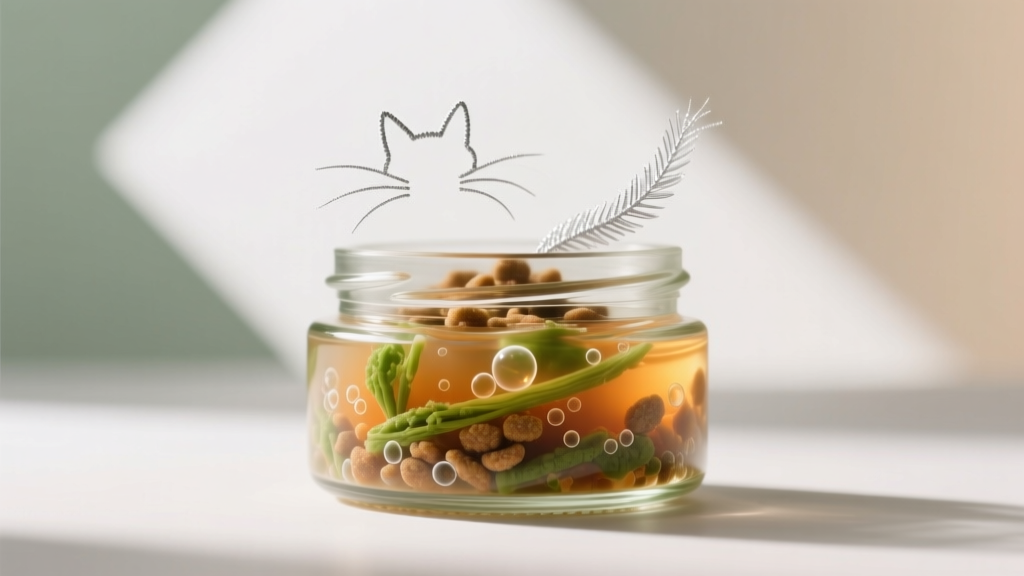
Cat Food Fermentation: Prebiotic Enhancement Process
1) Why this topic matters for cat health
Fermentation is having a moment in human nutrition, and pet food marketing is quickly following. For cat owners, the stakes are higher than a trend: diet directly affects digestion, stool quality, skin and coat health, weight control, urinary tract health, and long-term risks like diabetes or inflammatory bowel disease (IBD). “Fermented” cat food and “fermentation-derived” ingredients are often promoted as gentler on the stomach and supportive of the gut microbiome.
That can be true in the right context. Fermentation can improve ingredient digestibility, reduce certain anti-nutrients, and create beneficial metabolites that behave like prebiotics (food for helpful gut bacteria). At the same time, cats have unique nutritional biology that limits how much they can benefit from plant-heavy or carbohydrate-forward fermentation approaches. Understanding what fermentation really does—and what it doesn’t—helps you pick foods that support gut health without compromising the core needs of an obligate carnivore.
2) Scientific background: feline nutritional needs and obligate carnivore biology
Cats are obligate carnivores, meaning their physiology is adapted to derive most calories and essential nutrients from animal tissue. Compared with omnivores, cats have:
- High protein requirements and a steady need for amino acids because their liver enzymes that break down protein run continuously.
- Essential nutrients that are naturally abundant in animal ingredients, including taurine, arachidonic acid, preformed vitamin A (retinol), and vitamin D.
- Limited ability to utilize large carbohydrate loads compared with many other species. Cats can digest some starch, but they do not require dietary carbohydrate.
- A shorter gastrointestinal tract and a microbiome shaped by a meat-based diet. Fermentation occurs mainly in the large intestine and is typically less extensive than in herbivores.
Where “prebiotics” fit: Prebiotics are specific fermentable substrates (often fibers) that are selectively utilized by beneficial microbes, producing short-chain fatty acids (SCFAs) such as acetate, propionate, and butyrate. In cats, SCFAs support colon cell health, help maintain a normal gut environment, and may help with stool quality. The key is dose and type: too much fermentable fiber can cause gas, loose stool, and reduced overall digestibility.
3) Detailed analysis: what “cat food fermentation” and “prebiotic enhancement” actually mean
Fermentation in pet food: three common approaches
| Approach | What it is | Potential benefits | Potential drawbacks/limits |
|---|---|---|---|
| Fermented ingredients | Specific components (e.g., yeast products, fermented plant meals) are fermented before being added to the recipe. | May improve digestibility; can reduce some anti-nutrients; can generate beneficial metabolites. | Benefits depend on ingredient and process; not a guarantee of better nutrition; plant-heavy fermented ingredients still don’t replace animal-based essentials. |
| Fermentation-derived additives | Postbiotics (metabolites), yeast cell wall fractions (MOS/beta-glucans), or fermentation products added for gut/immune support. | More consistent than whole-food fermentation; may support stool quality and immune modulation in some cats. | Not the same as “live probiotics”; effects vary; quality and dosing matter. |
| Live-culture probiotics | Live microbes added to the food or given as supplements. | Can help specific issues (stress diarrhea, antibiotic-associated diarrhea) when strain-specific and properly dosed. | Heat processing can kill organisms; shelf-stability is a challenge; wrong strain/dose may do little. |
How fermentation can enhance “prebiotic” effects
Fermentation can “pre-digest” parts of an ingredient, creating smaller compounds that may be more available to the gut microbiome. Depending on the substrate (what’s being fermented) and microorganisms used (e.g., certain bacteria or yeasts), fermentation can:
- Increase soluble fiber fractions or change fiber structure, which can alter how easily microbes ferment it.
- Reduce some anti-nutrients (common in plants), potentially improving mineral availability and overall digestibility.
- Create postbiotic compounds (beneficial metabolites) that can influence gut barrier function and inflammation pathways.
- Enhance palatability by generating savory compounds—useful for picky eaters, seniors, and cats with reduced appetite.
Evidence-based perspective: what we can responsibly say
In companion animal nutrition, research supports the general idea that certain fermentable fibers and microbiome-targeted ingredients can improve stool quality and support gut health. For cats specifically, the strongest evidence tends to be around:
- Moderate inclusion of specific fibers (e.g., beet pulp, inulin/FOS) for stool quality in some cats.
- Yeast-derived prebiotic fractions (MOS/beta-glucans) for immune and gut support, with effects depending on dose and the individual cat.
- Strain-specific probiotics in targeted scenarios.
What’s less certain is whether a “fermented” label alone predicts better outcomes than a well-formulated, highly digestible, animal-protein-forward diet with a thoughtful fiber strategy. Fermentation can be a tool, not a nutritional shortcut.
Prebiotics vs probiotics vs postbiotics (quick clarity)
| Term | What it means | Cat-friendly examples | Best use |
|---|---|---|---|
| Prebiotics | Substrates (often fibers) that feed beneficial microbes | FOS/inulin, MOS, some soluble fibers | Stool quality, microbiome support |
| Probiotics | Live microorganisms that may confer a health benefit | Veterinary strain-specific products (varies by brand) | Targeted GI support (stress/antibiotics), vet-guided use |
| Postbiotics | Non-living microbial products/metabolites | Fermentation products, yeast fermentates | Potential gut/immune modulation; often more stable than probiotics |
4) Practical recommendations for cat owners
If you’re choosing a fermented or “prebiotic-enhanced” cat food, focus on the fundamentals first, then the microbiome extras.
- Prioritize complete and balanced nutrition that meets AAFCO or equivalent standards for your cat’s life stage (kitten, adult, senior).
- Look for animal protein prominence (named meat, poultry, fish, or organ ingredients high in the list) and clear nutrient adequacy statements.
- Choose gentle, proven prebiotic sources in modest amounts (e.g., inulin/FOS, MOS). More is not always better.
- Use fermented claims as a “bonus,” not the main criterion. Digestibility, protein quality, calorie appropriateness, and mineral balance matter more.
- Track results at home: stool quality, frequency, gas, appetite, coat, and itchiness. If the food “should” be better but your cat’s GI signs worsen, switch back and speak with your veterinarian.
5) Comparison of options and approaches
Option A: Fermented-ingredient commercial diets
- Best for: Owners who want a simple approach with built-in microbiome support.
- Pros: Convenient; usually consistent formulation; may improve palatability and stool quality in some cats.
- Cons: “Fermented” doesn’t guarantee low carbohydrate or high animal protein; benefits vary widely.
Option B: Traditional high-quality diet + targeted prebiotic fiber
- Best for: Cats with mild stool issues where your vet agrees a fiber tweak is appropriate.
- Pros: Controlled changes; easier to identify what helps; often cost-effective.
- Cons: Too much fiber can backfire; not all cats tolerate the same fibers.
Option C: Traditional high-quality diet + veterinary probiotic/postbiotic
- Best for: Stress-related diarrhea, antibiotic-associated GI upset, some chronic enteropathies under veterinary guidance.
- Pros: More targeted; strain/dose can be selected for a goal; postbiotics are often more shelf-stable.
- Cons: Not all products are equal; some cats get gas/soft stool initially; medical conditions need vet supervision.
6) Common mistakes and misconceptions (myths debunked)
- Myth: “Fermented” automatically means “probiotic.”
Fact: Many fermented or fermentation-derived ingredients contain no live organisms by the time the food is processed. Extrusion and canning use heat that can inactivate microbes. - Myth: Cats need lots of fiber to be healthy.
Fact: Cats can benefit from small amounts of appropriate fiber, but they don’t have a dietary requirement for high fiber. Excess fermentable fiber can cause gas, diarrhea, and reduced nutrient digestibility. - Myth: Plant-based fermented proteins can replace animal proteins for cats.
Fact: Cats require specific nutrients that are naturally abundant in animal tissues (taurine, arachidonic acid, preformed vitamin A). Even if a plant ingredient is “improved” by fermentation, it doesn’t inherently meet obligate carnivore requirements without careful formulation and supplementation. - Myth: Homemade fermented foods (like kefir) are automatically safe and beneficial for cats.
Fact: Many adult cats are lactose intolerant, and adding dairy can cause GI upset. Some fermented foods can be high in histamines or introduce unnecessary calories. Always clear supplements and human foods with your veterinarian.
7) How to implement changes safely (transition tips)
Any diet change—fermented or not—should be gradual to reduce vomiting, diarrhea, and food refusal.
| Day | Old Food | New Food |
|---|---|---|
| 1–2 | 75% | 25% |
| 3–4 | 50% | 50% |
| 5–6 | 25% | 75% |
| 7+ | 0% | 100% |
- Extend the transition to 10–14 days for cats with sensitive stomachs or IBD history.
- Change one variable at a time (don’t add a probiotic supplement the same week you change foods).
- Monitor stool and appetite daily. If you see persistent vomiting, watery diarrhea, blood in stool, or lethargy, stop the change and call your veterinarian.
- Weigh your cat weekly during the first month to ensure calorie intake remains appropriate.
8) Special considerations: age, health conditions, and activity level
Kittens
- Need higher calories, protein, and specific mineral balance for growth.
- Choose kitten-labeled complete diets; avoid heavy fiber experimentation.
- Discuss probiotics or prebiotic-heavy foods with your vet if your kitten has recurrent diarrhea.
Senior cats
- May have reduced appetite, dental issues, or chronic kidney disease (CKD) risk.
- Fermentation-derived palatability improvements can help some seniors eat better.
- For CKD or hypertension concerns, your veterinarian should guide protein/phosphorus/sodium targets—don’t rely on “gut health” marketing.
Overweight or indoor/low-activity cats
- Weight management depends on calories and portion control first.
- Some fibers can help satiety, but too much can worsen stool quality or reduce protein digestibility.
- Choose a veterinarian-recommended weight plan if weight loss is needed.
IBD, chronic diarrhea, constipation
- These cats may benefit from carefully selected fibers or postbiotics, but they can also react poorly to sudden increases in fermentable ingredients.
- Food trials (novel protein or hydrolyzed diets) often matter more than “fermented” claims.
- Work with your veterinarian; persistent GI signs warrant diagnostics.
Diabetes
- Carbohydrate management can be important. Some “fermented” formulas may still be carbohydrate-forward.
- Never change a diabetic cat’s diet without veterinary guidance due to insulin needs.
Food allergies/sensitivities
- Fermentation doesn’t reliably eliminate allergens.
- If your cat is itchy or has chronic ear/skin issues plus GI signs, ask your vet about an elimination diet plan.
9) FAQ
Is fermented cat food safe?
Commercial fermented or fermentation-derived ingredients are generally safe when used in complete and balanced diets from reputable manufacturers. Safety depends on formulation quality, testing, and your cat’s health status. If your cat has chronic GI disease or is immunocompromised, ask your veterinarian before making changes.
Will fermented food fix my cat’s diarrhea?
Sometimes it helps, but diarrhea has many causes: parasites, diet intolerance, infections, stress, pancreatitis, IBD, and more. If diarrhea lasts more than 24–48 hours, is watery, contains blood, or your cat seems unwell, contact your veterinarian.
Does “fermented” mean my cat is getting probiotics?
Not necessarily. Many foods contain fermentation products or postbiotics rather than live microbes. If you want a probiotic effect, look for a product that lists specific strains and CFU counts through end of shelf life, ideally with veterinary guidance.
What prebiotic ingredients should I look for on a label?
Common prebiotic-style ingredients include inulin, fructooligosaccharides (FOS), mannanoligosaccharides (MOS), yeast cell wall, and certain soluble fibers. The right choice depends on your cat’s tolerance and stool response.
Can I give my cat fermented human foods like yogurt or kefir?
Many cats don’t tolerate lactose well, and some products contain sweeteners or additives that aren’t appropriate for cats. If you want to try any human food as a supplement, get your veterinarian’s approval first and keep portions tiny to avoid GI upset and unwanted calories.
How will I know if the prebiotic enhancement is working?
Useful signs include well-formed stools, less stool odor, stable appetite, reduced gas, and good coat quality. Negative signs include increased flatulence, soft stool, mucus, vomiting, or appetite drop—those are reasons to pause and consult your veterinarian.
Practical takeaway
Fermentation can be a smart tool in cat nutrition when it supports digestibility and microbiome health without drifting away from what cats biologically need most: highly digestible animal-based protein, appropriate fat, essential nutrients like taurine, and a calorie level that matches lifestyle. Use “prebiotic enhancement” as a meaningful feature only when the overall diet is already excellent, and loop in your veterinarian for cats with medical conditions or ongoing GI signs.
For more cat-feeding strategies, label-reading help, and gut-health guides, explore the nutrition articles on catloversbase.com.