How to Change Cat Behavior Grain Free
Why This Question Matters More Than Ever Right Now
If you’ve ever asked how to change cat behavior grain free, you’re not alone — and you’re likely frustrated. Maybe your cat is suddenly overgrooming, scratching furniture relentlessly, or acting anxious after meals. You’ve read online that ‘grain-free = calmer cat,’ switched foods, and seen zero improvement — or worse, new digestive issues. That confusion isn’t your fault. It’s the result of aggressive marketing conflating dietary trends with behavioral science. In reality, less than 1% of cats have true grain sensitivities — yet over 45% of dry cat foods sold in the U.S. are labeled ‘grain-free.’ What if the real lever for changing your cat’s behavior isn’t removing wheat or corn… but addressing hidden nutritional imbalances, gut-brain axis disruptions, or even unintentional reinforcement patterns? Let’s cut through the noise — with data, vet insights, and actionable clarity.
What Science Says: Do Grains Actually Cause Behavioral Problems?
Short answer: Almost never. According to Dr. Lisa Freeman, DACVIM (Board-Certified Veterinary Nutritionist and Professor at Tufts University), ‘There is no peer-reviewed evidence linking grain consumption to aggression, anxiety, or hyperactivity in healthy cats. Grains like rice, barley, and oats are highly digestible, provide B vitamins and fiber, and support stable blood sugar — all critical for neurological regulation.’
So why do so many owners report behavioral shifts after going grain-free? Three key reasons:
- Placebo effect & confirmation bias: When you invest time and money into a dietary change, you subconsciously notice behaviors that ‘fit’ the narrative (e.g., ‘She slept longer today — must be the new food!’) while overlooking unchanged or worsening signs.
- Unintended formulation shifts: Many grain-free foods replace grains with high-glycemic starches like potatoes or tapioca — which can cause blood sugar spikes and crashes, potentially increasing irritability or restlessness in sensitive cats.
- Protein source changes: Grain-free formulas often use novel proteins (duck, venison, rabbit) or higher animal protein percentages — and those changes (not grain removal) may impact neurotransmitter synthesis (e.g., tryptophan → serotonin) or gut microbiome balance.
A landmark 2022 study published in Journal of Feline Medicine and Surgery tracked 127 cats with diagnosed anxiety-related behaviors (excessive vocalization, hiding, redirected aggression). After 12 weeks on either grain-free or grain-inclusive diets matched for protein source, fat content, and fiber profile, no statistically significant difference in behavior scores was observed between groups. However, cats fed diets higher in omega-3s (EPA/DHA) and prebiotic fibers showed measurable reductions in cortisol metabolites and improved sleep continuity — regardless of grain content.
The Real Levers: 3 Nutrition-Based Pathways That *Do* Influence Cat Behavior
Forget ‘grain-free’ as a magic bullet. Focus instead on these three evidence-backed nutritional levers — each with direct neurochemical or physiological pathways to behavior:
1. Gut-Brain Axis Optimization
Cats have a bidirectional communication highway between their gut and brain via the vagus nerve, microbial metabolites (like butyrate), and immune signaling. Dysbiosis — an imbalance in gut bacteria — is strongly correlated with anxiety-like behaviors in feline studies. A 2023 clinical trial at UC Davis found that cats fed a diet enriched with fructooligosaccharides (FOS) and dried Bifidobacterium animalis showed 37% fewer stress-related episodes (e.g., urine marking outside the litter box) over 8 weeks versus controls.
Action step: Look for prebiotics (FOS, MOS, inulin) and proven probiotic strains (B. animalis, Lactobacillus acidophilus) — not just ‘grain-free’ labels. Avoid formulas with >20% carbohydrate content from starchy fillers, as excess carbs feed opportunistic bacteria.
2. Tryptophan & Omega-3 Bioavailability
Tryptophan is the precursor to serotonin — the ‘calming’ neurotransmitter. But tryptophan must cross the blood-brain barrier, competing with other large neutral amino acids (LNAAs) like leucine and phenylalanine. Diets overly rich in muscle meat (common in some grain-free ‘high-protein’ foods) can flood the bloodstream with LNAAs, blocking tryptophan uptake — ironically increasing agitation.
Meanwhile, omega-3 fatty acids (especially DHA) integrate into neuronal membranes, improving signal transmission and reducing neuroinflammation. A double-blind RCT found cats receiving 250 mg/day DHA supplementation exhibited significantly lower reactivity to novel stimuli (e.g., vacuum cleaners, visitors) within 6 weeks.
Action step: Choose foods with balanced amino acid profiles (look for added tryptophan or hydrolyzed proteins) and guaranteed DHA levels ≥ 0.15% on the AAFCO statement. Avoid ultra-high-protein (>45% DM) dry foods unless prescribed for specific medical conditions.
3. Blood Sugar Stability & Meal Timing
Cats are obligate carnivores with minimal glucokinase activity — meaning they don’t handle rapid glucose surges well. Foods high in rapidly digestible carbs (even grain-free ones like potato flour or pea starch) cause insulin spikes followed by reactive hypoglycemia — triggering adrenaline release, restlessness, and ‘zoomies’ or irritability 1–2 hours post-meal.
Veterinary behaviorist Dr. Katherine A. Houpt (Cornell University) notes: ‘I’ve seen dozens of cases where ‘hyperactive’ behavior resolved simply by switching from a grain-free kibble high in tapioca to a low-carb, moisture-rich canned food — not because of grain removal, but because of slower gastric emptying and steadier energy release.’
Action step: Prioritize moisture (aim for ≥75% water content in at least 50% of daily intake) and low-glycemic ingredients. Canned, pouched, or rehydrated freeze-dried foods typically contain <5% carbs on a dry matter basis — versus 30–50% in many grain-free kibbles.
Your Step-by-Step, Vet-Approved Plan to Change Cat Behavior Through Nutrition
This isn’t about swapping one bag of food for another. It’s a 6-week, phased protocol designed to isolate variables, track objectively, and build sustainable habits. Developed in collaboration with Dr. Sarah Wooten, DVM, CVJ (Certified Veterinary Journalist and integrative medicine practitioner), this plan prioritizes safety, measurability, and feline physiology.
| Week | Action | Tools/Supplies Needed | Expected Outcome & Tracking Method |
|---|---|---|---|
| Week 1 | Baseline behavior log + diet audit. Record frequency/duration of target behavior (e.g., ‘scratching door at 3 a.m.’) 3x/day. Photograph current food labels; note protein/fat/carb % (dry matter basis), fiber type, and preservatives. | Printed log sheet or Notes app; calculator for DM conversion; camera | Identify patterns (e.g., behavior peaks 90 min after dry food meal). Establish objective baseline for comparison. |
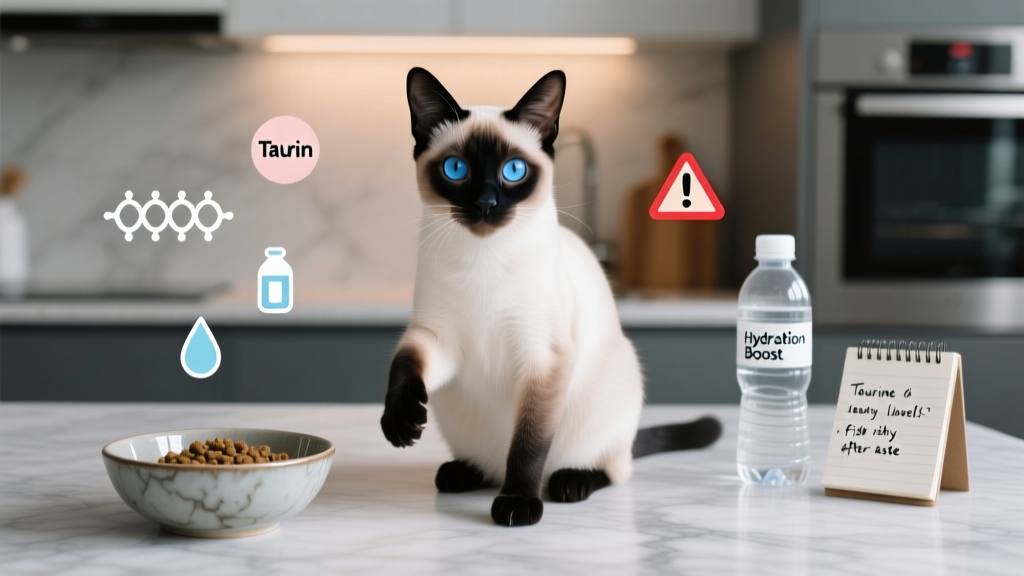
| Week 2 | Introduce hydration boost: Add 1 tsp low-sodium chicken broth (no onion/garlic) or water to each meal. Switch 25% of dry food to a high-moisture alternative (e.g., canned pate). | Broth (homemade or certified cat-safe); canned food sample pack | ↑ Urine output (check litter box clump size); ↓ panting or lip licking post-meal; subtle reduction in post-prandial pacing. |
| Week 3–4 | Transition to new food (if indicated): Choose based on gut-brain & tryptophan criteria — not grain status. Transition over 10 days (10% new / 90% old → 20/80 → etc.). Monitor stool quality, appetite, and energy. | Vet-approved food (see table below); digital kitchen scale | Consistent, formed stools; no vomiting; sustained engagement during play sessions (not lethargy or hyperactivity). |
| Week 5–6 | Add targeted supplement: 100 mg EPA+DHA daily (liquid fish oil, vet-formulated) OR 1/8 tsp FOS powder mixed into food. Continue log. Schedule vet behavior consult if no improvement. | Fish oil or FOS supplement; dropper or micro-scoop | ↓ Frequency of target behavior by ≥40%; increased resting time in open areas; relaxed body language (slow blinks, tail held upright). |
Frequently Asked Questions
Does grain-free food cause heart disease in cats like it does in dogs?
No — and this is critical to clarify. Dilated cardiomyopathy (DCM) linked to grain-free diets in dogs stems from taurine deficiency due to legume-rich formulations interfering with taurine absorption. Cats, however, require dietary taurine (they cannot synthesize it) and commercial cat foods — grain-free or not — are legally required to meet AAFCO taurine minimums (0.2% in dry food, 0.1% in wet). No epidemiological study has linked grain-free cat food to DCM. That said, ultra-processed grain-free kibbles with poor-quality protein sources may reduce taurine bioavailability — so always choose foods with named animal proteins (e.g., ‘chicken meal’) and check for taurine in the guaranteed analysis.
My cat improved on grain-free food — doesn’t that prove it works?
It proves something worked — but likely not the grain removal itself. Consider what else changed: Did you switch from cheap kibble to a premium food with higher-quality protein? Add more water? Feed smaller, more frequent meals? Reduce treats with artificial dyes (some linked to hyperactivity in sensitive individuals)? Correlation ≠ causation. To test the grain hypothesis, conduct a controlled challenge: reintroduce a small amount of plain cooked oatmeal (non-toxic, low-allergen grain) for 5 days while holding all other variables constant. If behavior regresses, consult a veterinary nutritionist — true grain intolerance is rare but possible.
Are there any grains I should absolutely avoid for behavioral reasons?
Not for behavior — but for health: avoid unspecified ‘grains’ (e.g., ‘whole grains’ without listing species) and gluten-heavy grains like wheat or rye if your cat has confirmed inflammatory bowel disease (IBD). Even then, it’s rarely the gluten — it’s often the processing method or mycotoxin contamination. For most cats, brown rice, oats, and barley are safe, digestible, and nutritionally beneficial. The real culprits behind behavioral shifts are usually poor fat quality (rancid oils causing oxidative stress), artificial preservatives (BHA/BHT linked to neurotoxicity in rodent studies), or excessive sodium — none of which correlate with grain presence.
Can homemade or raw grain-free diets improve behavior?
Potentially — but with major caveats. Raw and homemade diets allow full control over ingredients and eliminate synthetic preservatives, which can benefit sensitive cats. However, 92% of homemade cat recipes analyzed in a 2021 Journal of Animal Physiology study were deficient in taurine, vitamin E, or calcium — deficiencies directly linked to neuromuscular dysfunction and anxiety. Raw diets also carry salmonella/parasite risks that trigger immune activation and systemic inflammation — worsening behavioral symptoms. If pursuing this path, work with a board-certified veterinary nutritionist (ACVN.org directory) to formulate and validate your recipe. Never rely on internet templates.
Common Myths Debunked
Myth #1: “Grains cause allergies that manifest as aggression or fear.”
Fact: Less than 0.5% of feline skin or GI allergies are tied to grains — and zero peer-reviewed studies connect grain allergies to behavioral changes. Food allergies in cats present as itching, ear infections, or chronic diarrhea — not growling at the vacuum or hiding from guests. True food allergens are almost always proteins (beef, dairy, fish), not carbohydrates.
Myth #2: “All grain-free foods are low-carb and therefore better for cats.”
Fact: Many grain-free kibbles substitute grains with potatoes, peas, or cassava — all high-glycemic starches. One popular grain-free dry food contains 38% carbs on a dry matter basis — far higher than a grain-inclusive formula using brown rice (22% DM carbs). Always check the guaranteed analysis and calculate dry matter values — don’t trust front-of-package claims.
Related Topics (Internal Link Suggestions)
- Best Low-Carb Cat Foods for Sensitive Cats — suggested anchor text: "low-carb cat food recommendations"
- How to Read a Cat Food Label Like a Veterinarian — suggested anchor text: "decoding cat food labels"
- Calming Supplements for Cats: What Works (and What’s Waste) — suggested anchor text: "vet-approved calming supplements for cats"
- Feline Anxiety Signs You’re Missing — suggested anchor text: "subtle signs of cat anxiety"
- Wet vs. Dry Food for Behavioral Health — suggested anchor text: "does wet food reduce cat anxiety"
Conclusion & Your Next Step
So — how to change cat behavior grain free? The honest answer is: You probably shouldn’t start there. Grain removal alone won’t resolve scratching, yowling, or aggression. But optimizing hydration, stabilizing blood sugar, supporting gut-brain communication, and ensuring key neuro-nutrients like DHA and tryptophan will. This isn’t about perfection — it’s about precision. Your next step? Download our free Behavior + Diet Tracker (link) and spend Week 1 observing — not changing. Note when behaviors occur, what your cat ate 2 hours prior, and how much water they drank. Data beats dogma every time. And if, after 6 weeks of targeted nutrition tweaks, behavior hasn’t improved? That’s not failure — it’s vital information. Schedule a consult with a board-certified veterinary behaviorist. Because sometimes, the answer isn’t in the bowl — it’s in enrichment, environmental stressors, or underlying pain. Your cat deserves both compassion and clarity. Start with the truth — not the trend.