Feeding Cats With FeLV: Nutritional Support for Immunity
Should FeLV-positive cats eat wet food only?
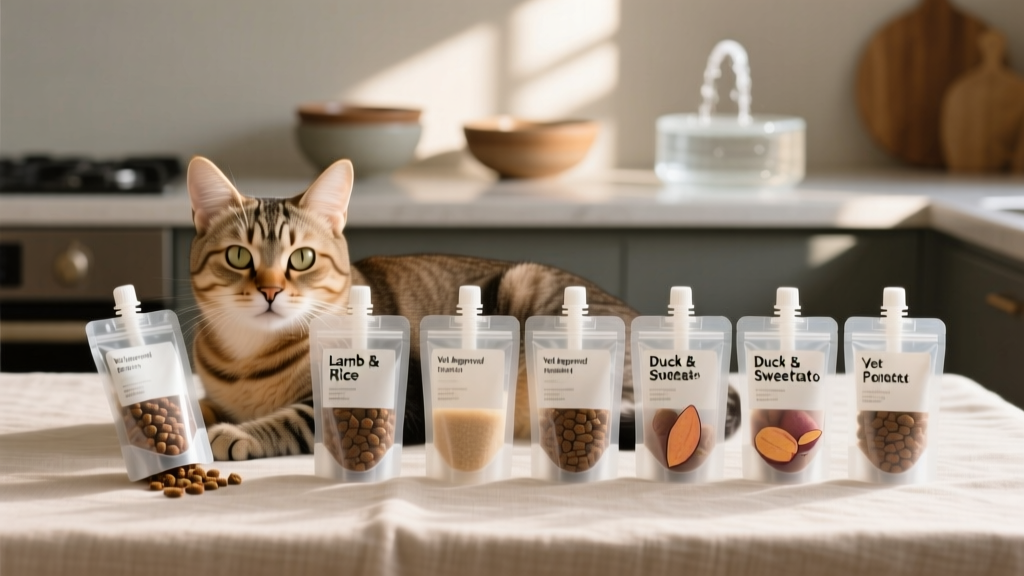
Not necessarily. Wet food can help hydration and is often more palatable, which is useful if appetite is inconsistent. Many FeLV-positive cats do well on wet-only or mixed feeding. The best choice is one your cat eats reliably that is complete-and-balanced and fits any other medical needs. Your veterinarian can help you select the right format.
Is raw feeding ever safe for a FeLV-positive cat?
For most FeLV-positive cats, raw diets are not recommended due to foodborne pathogen risks. If you are determined to pursue non-commercial options, discuss safer cooked, nutritionally complete home-prepared diets formulated by a board-certified veterinary nutritionist instead.
What supplements help immunity in FeLV cats?
There is no universal supplement proven to “boost” immunity in all FeLV-positive cats. Some cats may benefit from targeted support such as omega-3 fatty acids or specific probiotics, but dosing and product choice matter. Always consult your veterinarian before adding supplements to avoid interactions, overdosing, or GI upset.
How do I know if my FeLV cat isn’t eating enough?
Warning signs include a noticeable drop in food intake, weight loss, reduced grooming, hiding, or nausea signs (lip-smacking, drooling). If your cat eats little to nothing for 24 hours (or you’re unsure), contact your veterinarian promptly—especially because prolonged food refusal can be dangerous in cats.
Can I make homemade food for my FeLV-positive cat?
Yes, but only if it’s properly formulated to be complete and balanced. Many online recipes are deficient in taurine, calcium, essential fatty acids, or key vitamins. Ask your veterinarian for a referral to a board-certified veterinary nutritionist to design a recipe matched to your cat’s medical status and preferences.
How often should I recheck diet and weight with my vet?
Many FeLV-positive cats benefit from more frequent monitoring than healthy cats. Ask your veterinarian about a schedule based on your cat’s stability—often every 3–6 months, or sooner if appetite, weight, stools, or lab work change.
FeLV management is a team effort: smart feeding choices, consistent monitoring, excellent hygiene, and regular veterinary care. If you’re planning any major diet change—switching foods, adding supplements, or moving to a therapeutic diet—check in with your veterinarian first so the plan fits your cat’s full health picture.
For more practical, vet-informed feeding tips and diet comparisons, explore the nutrition guides on catloversbase.com.