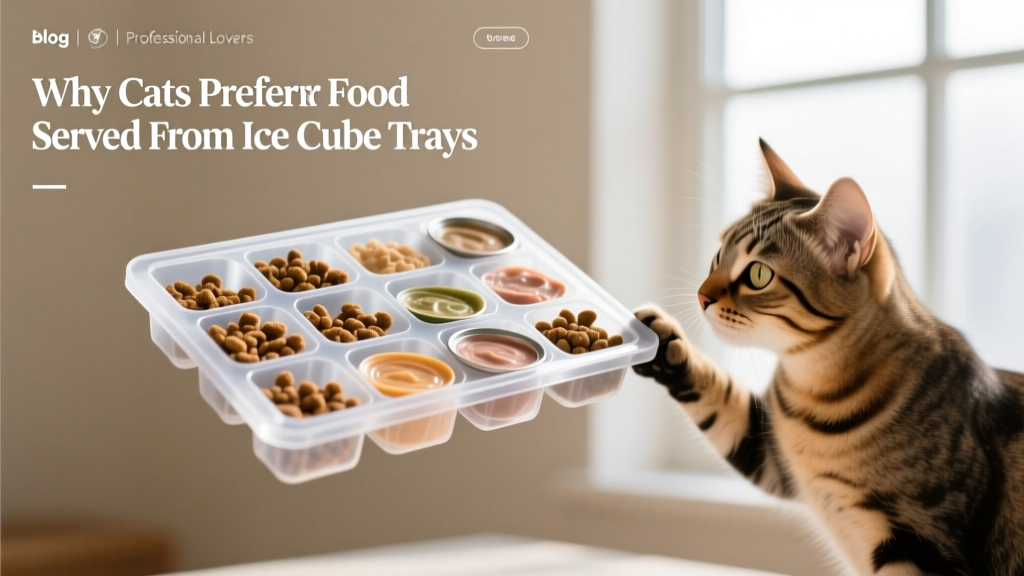
Why Cats Prefer Food Served From Ice Cube Tray
1) Why this nutrition topic matters for cat health
Many cat owners notice a surprising pattern: a cat who ignores a full bowl of food suddenly becomes enthusiastic when the same food is offered in small “cubes” from an ice cube tray. This isn’t just a quirky preference. How food is presented can influence hydration, calorie intake, food safety, dental and digestive comfort, and even stress levels during meals.
For cats who are picky, prone to vomiting, overweight, or living with kidney or urinary issues, meal format can make the difference between “barely eating” and “consistently meeting nutritional needs.” Using an ice cube tray is a simple, low-cost feeding tool that can support healthier routines—when it’s done safely and in a nutritionally balanced way.
2) Scientific background: feline nutritional needs (obligate carnivore biology)
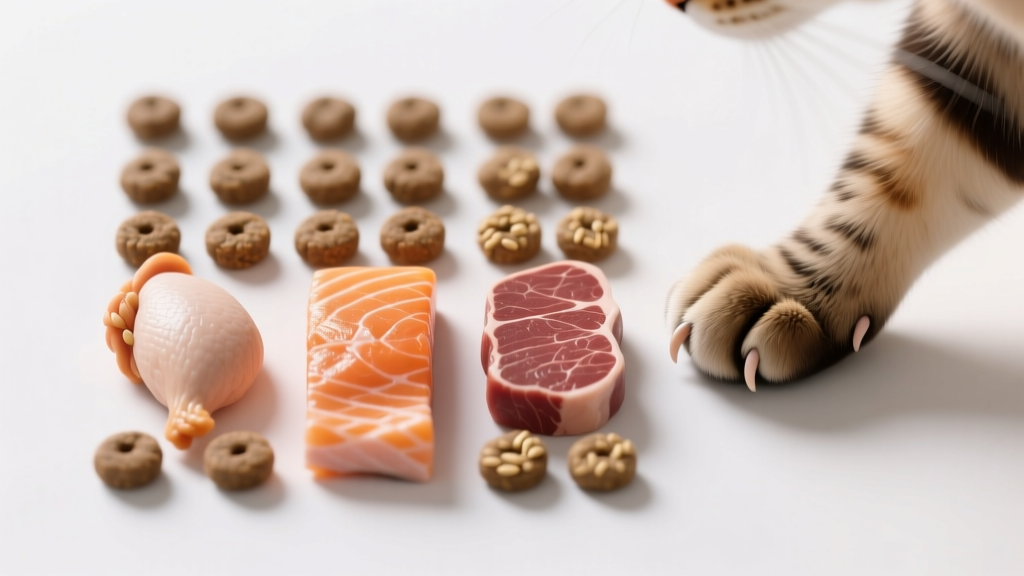
Cats are obligate carnivores. Their metabolism and nutrient requirements are built around animal-based foods, meaning they thrive on diets rich in highly digestible protein and adequate fat, with very limited biological need for carbohydrates.
- High protein requirement: Cats have a higher baseline protein requirement than many other mammals because they continuously use amino acids for energy and metabolism.
- Essential nutrients from animal tissue: Taurine, preformed vitamin A, arachidonic acid, and vitamin D are nutrients cats depend on in animal-based ingredients.
- Low thirst drive: Many cats don’t naturally drink enough water to compensate for dry diets. This can matter for urinary tract health and kidney support.
- Small, frequent meals: Wild feline feeding patterns are typically multiple small meals. Many household cats do better with portioned feeding rather than one or two large meals.
From a nutrition science perspective, “food preference” is influenced by aroma, temperature, texture, and feeding environment. An ice cube tray changes all four of these variables—often in ways cats find appealing.
3) Detailed analysis: why the ice cube tray approach can be so appealing
A) Portion size matches a cat’s natural feeding pattern
Ice cube trays create small servings that can be offered one at a time. This aligns with the cat’s instinct to eat smaller amounts more frequently. For cats who feel overwhelmed by a large bowl (or who dislike food sitting out), a single cube can feel fresher and more manageable.
B) Fresher smell and taste (less oxidation, less “stale bowl” effect)
Wet food left exposed oxidizes and dries at the surface. Aroma is a major driver of feline appetite, especially for senior cats or cats with mild nausea. Pre-portioning wet food into cubes and thawing one serving at a time can preserve smell and palatability better than refrigerating an open can and repeatedly scooping from it.
C) Temperature and texture control
Cats often prefer food around “prey temperature” (roughly warm/room temperature rather than cold). An ice cube tray system makes it easier to thaw and gently warm a portion without heating an entire can’s worth of food. Texture matters, too: some cats prefer a firmer, molded texture; others like it slightly softened. Cubes let you fine-tune this.
D) Slower eating can reduce vomiting and regurgitation
Some cats eat too quickly, then vomit. Serving food in smaller portions can encourage slower eating. You can offer one cube, wait a few minutes, and offer another. This mimics “mini meals,” which may reduce post-meal vomiting for certain cats.
E) Enrichment and engagement
Offering food from a tray (or popping out a cube and placing it on a lick mat or shallow dish) changes the feeding experience. Cats may engage more due to novelty and the “interactive” element of receiving portions. For cats who are bored, anxious, or easily distracted, small changes in presentation can improve consistency.
F) Supports hydration strategies (when used correctly)
Wet food already supports water intake compared with dry food. Many owners also mix extra water into wet food before freezing it into cubes. That can increase moisture consumption—helpful for cats prone to constipation or urinary tract issues—provided your veterinarian agrees it fits your cat’s condition.
G) Food safety and routine management for multi-cat homes
In multi-cat homes, portion control is challenging. Cubes can be labeled and allocated per cat (especially helpful when one cat needs a prescription diet or calorie restriction). Small servings also reduce how long food sits out, which improves food safety and reduces the chance that one cat “steals” the other’s meal.
| Potential benefit | Why it happens | Best for | Watch-outs |
|---|---|---|---|
| Improved palatability | Fresher aroma and texture per serving | Picky cats, seniors | Don’t serve cold-solid cubes; thaw safely |
| Portion control | Pre-measured servings reduce guesswork | Weight management, multi-cat homes | Still count total daily calories |
| Slower eating | Multiple mini-servings | Scarf-and-barf cats | If vomiting persists, see vet |
| Higher moisture intake | Water can be mixed into food before freezing | Constipation-prone cats, urinary support (vet-guided) | Some cats dislike diluted texture |
4) Practical recommendations for cat owners
Choose the right “cube” base
- Complete and balanced wet food (labeled for your cat’s life stage) is the safest default for meal cubes.
- Prescription diets can be portioned into cubes if your veterinarian approves storage and handling.
- Homemade diets should only be used if formulated by a board-certified veterinary nutritionist; freezing doesn’t fix nutrient imbalances.
How to make food cubes safely
- Use a clean, dedicated ice cube tray (silicone trays release cubes more easily).
- Spoon wet food into compartments. If your vet approves, mix in a measured amount of warm water to increase moisture.
- Cover the tray (lid, foil, or freezer-safe wrap) to limit freezer odors and dehydration (“freezer burn”).
- Freeze promptly. Once frozen, transfer cubes to a labeled freezer bag with the date and food name.
- Thaw in the refrigerator or using a sealed bag in cool water. Warm to “cat-friendly” temperature by adding a small amount of warm water or letting it sit briefly at room temperature.
Serving tips that cats tend to like
- Serve in a shallow, wide dish to reduce whisker stress (some cats dislike deep bowls).
- Offer one cube at a time for fast eaters.
- If your cat dislikes chunks, mash the thawed cube into a pate-like texture.
- For cats who like novelty, alternate between cube on a plate, lick mat, or puzzle feeder designed for wet food.
5) Comparison of options: ice cube trays vs other approaches
| Approach | Pros | Cons | Best use |
|---|---|---|---|
| Ice cube tray portions | Low cost; easy portioning; fresher servings; flexible mini-meals | Requires freezer space; thawing step; some cats dislike cold texture | Picky cats, portion control, multi-cat feeding |
| Refrigerate opened can and scoop | Fast; minimal prep | Food can dry/oxidize; inconsistent portions | Owners who feed quickly and cats that aren’t picky |
| Single-serve wet food pouches/cups | Convenient; consistent portions; less waste | Higher cost; packaging waste | Travel, busy schedules, strict portioning |
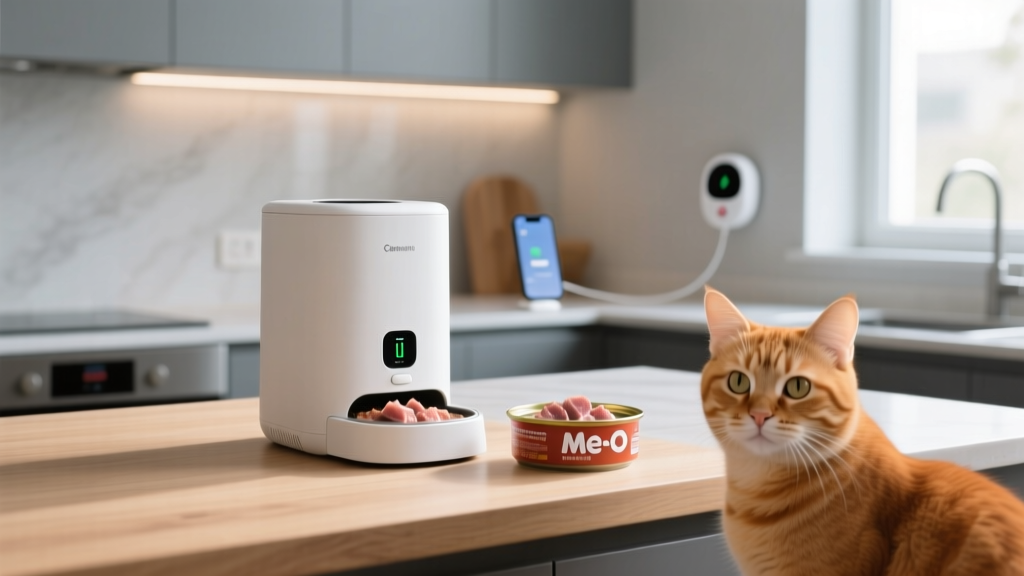
| Automatic wet feeder (chilled) | Timed meals; supports small frequent feeding | Cost; cleaning; some models limited for chunky foods | Workday feeding, cats needing multiple small meals |
6) Common mistakes and misconceptions to avoid
- Myth: Cats “need” cold food or frozen food for dental health.
Fact: Frozen food isn’t a dental treatment. Dental health is better supported by veterinary dental care, approved dental diets/treats, and tooth brushing when possible. - Mistake: Serving rock-hard frozen cubes.
Very cold food can reduce aroma (making it less appealing) and may be uncomfortable for sensitive teeth. Thaw and serve slightly warmed/room temperature unless your vet advises otherwise. - Mistake: Using ice cube trays for tuna water, broth, or “toppers” as a main meal.
Toppers are not complete diets. Many broths are too salty or contain onion/garlic. If you use toppers, choose cat-safe options and keep them as a small portion of total intake. - Mistake: Ignoring total calories.
Cubes help portioning, but you still need to know your cat’s daily calorie target. Overfeeding “just one more cube” adds up. - Mistake: Long room-temperature holding times.
Wet food shouldn’t sit out for hours. If your cat grazes, use smaller portions more frequently and discard leftovers according to safe handling practices.
7) How to implement changes safely (transition tips)
Cats can be sensitive to sudden diet changes. Even if the food is identical, the new format can cause hesitation. Aim for a gradual shift.
- Start with familiar food: Freeze the same wet food your cat already eats, then offer a small thawed portion alongside the usual serving.
- Change one variable at a time: Keep bowl type, location, and mealtime schedule the same at first.
- Use scent to your advantage: Slightly warming a thawed cube increases aroma and can improve acceptance.
- Monitor stool and appetite: Any vomiting, diarrhea, or refusal to eat for more than 24 hours warrants a call to your veterinarian (sooner for kittens or medically fragile cats).
- Food safety basics: Thaw in the refrigerator when possible. If using warm water to thaw, keep the food sealed and serve promptly.
8) Special considerations (age, health conditions, activity level)
Kittens
- Need higher calories and specific nutrient levels for growth. Use food labeled complete and balanced for growth.
- Smaller, frequent meals are often ideal—ice cube portions can help, but ensure total daily intake is adequate.
- Seek veterinary advice quickly if a kitten refuses food.
Adult cats (maintenance)
- Cubes can support consistent portions and prevent overeating in indoor cats with lower activity.
- For active cats, cubes help split calories across multiple meals without free-feeding all day.
Senior cats
- Seniors may have reduced smell, dental disease, arthritis (making bowl posture uncomfortable), or chronic conditions.
- Warmer, softer thawed cubes may improve intake. Consider raised bowls for comfort.
- Unintentional weight loss in seniors should always prompt a veterinary check.
Chronic kidney disease (CKD)
- Hydration is often a goal, and smaller frequent meals may reduce nausea.
- Use only veterinarian-recommended diets and strategies. Some CKD cats need careful phosphorus and protein management.
Urinary tract concerns (FLUTD, crystals, cystitis)
- Increased water intake is commonly recommended, often through wet diets and added water. Cubes can make this easier.
- Diet choice is highly condition-specific (struvite vs calcium oxalate risk). Consult your vet before making diet changes.
Diabetes and weight management
- Portion control and consistent feeding times matter. Cubes can support measured meals.
- Do not change a diabetic cat’s diet without veterinary guidance; insulin doses may need adjustment.
9) FAQ
1) Can I freeze any wet cat food in an ice cube tray?
Most complete-and-balanced wet foods freeze well, though texture may change slightly. Cover the tray to prevent freezer odors. If your cat eats a prescription diet, ask your veterinarian whether freezing is appropriate for that specific food and your cat’s plan.
2) Should I serve the cube frozen, cold, or warmed?
Most cats prefer food at room temperature or slightly warmed because it smells stronger. Serve thawed cubes and adjust texture with a small amount of warm water if needed. Avoid serving rock-hard frozen cubes unless your veterinarian specifically recommends it for your cat.
3) Do ice cube portions help with picky eating?
They can. Offering a fresh-smelling, small portion often increases interest, and you can present it in a shallow dish to reduce whisker discomfort. If pickiness is new or accompanied by weight loss, dental issues, or vomiting, schedule a veterinary exam.
4) How long can thawed wet food sit out?
For safety and quality, keep wet food exposure time limited and discard leftovers rather than letting food sit out for long periods. If your cat is a slow grazer, offer smaller cubes more frequently. When in doubt, follow your veterinarian’s guidance and the food manufacturer’s handling recommendations.
5) Can I add broth or tuna juice before freezing?
Only use cat-safe products. Many human broths contain onion/garlic or too much sodium. Tuna juice can encourage eating but shouldn’t become a primary calorie source. If you want to add moisture, plain water is usually the safest option unless your vet recommends something else.
6) Is this a good method for cats that vomit after meals?
It can help some cats by encouraging smaller, slower meals. If vomiting is frequent, persistent, or includes lethargy, weight loss, or blood, consult your veterinarian promptly—vomiting can have many causes beyond fast eating.
Veterinary guidance reminder: Any meaningful diet change—especially for cats with medical conditions—should be discussed with your veterinarian to ensure nutrient balance, calorie control, and disease-appropriate feeding.
If your cat enjoys “meal cubes,” you can use that preference to build a healthier routine: consistent portions, better hydration strategies, and fresher servings. Explore more practical, cat-health-focused nutrition guides at catloversbase.com to keep refining your cat’s diet with confidence.