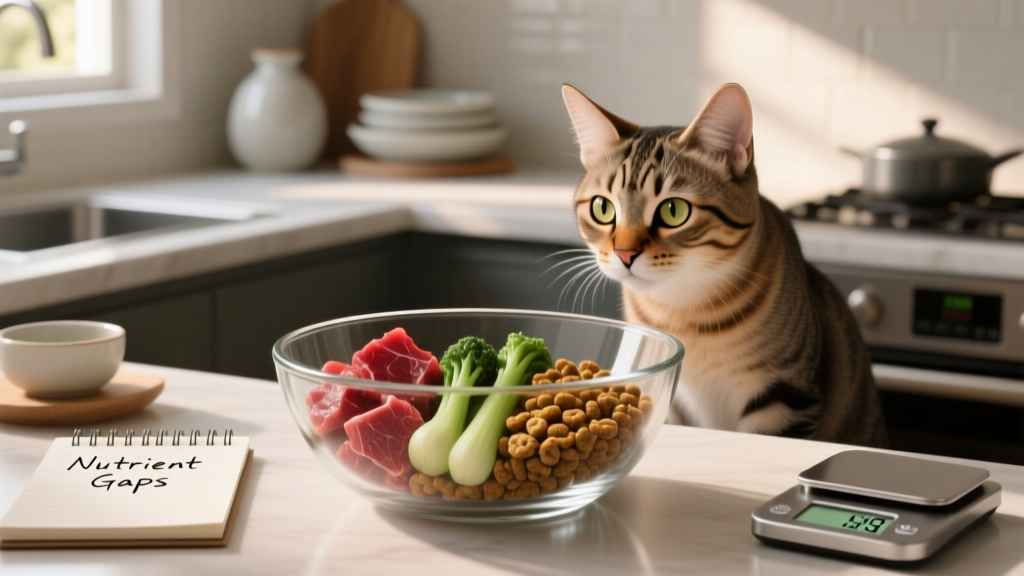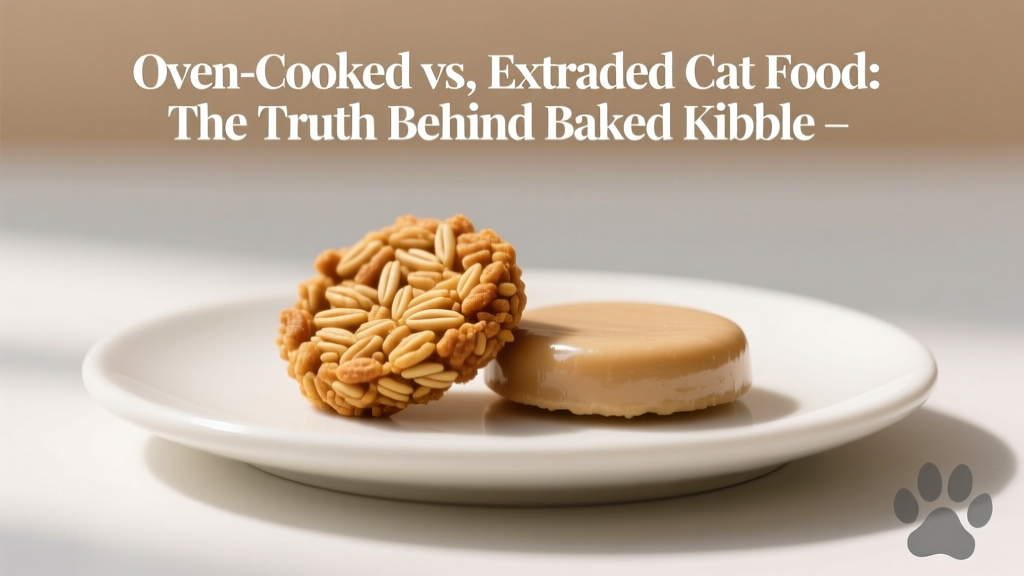
Cat Food Baked Kibble: Oven-Cooked vs Extruded
1) Why this topic matters for cat health
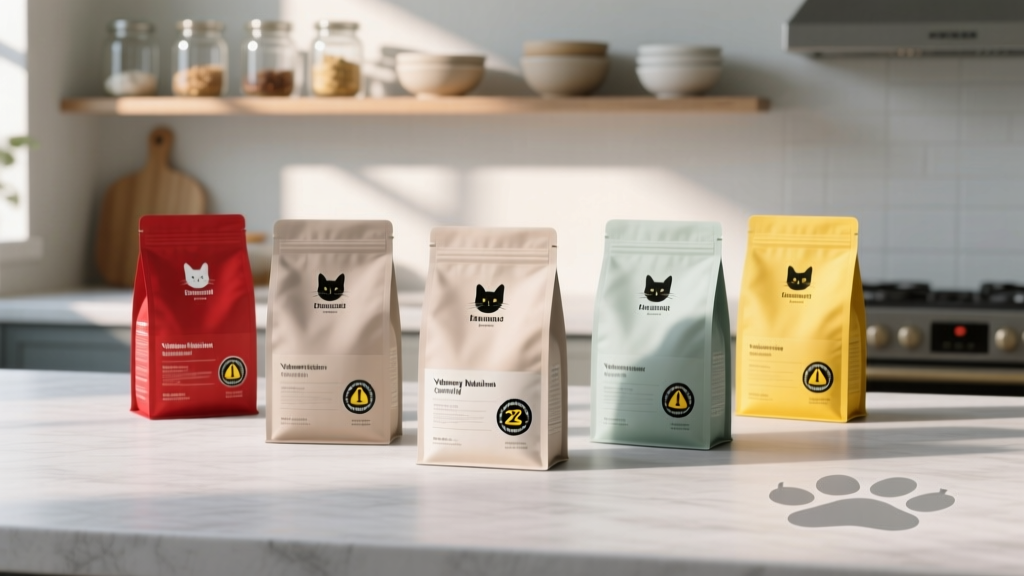
Kibble is one of the most common ways cats are fed, yet “kibble” isn’t a single manufacturing method. The two main types you’ll see on labels are extruded kibble (the most common) and baked/oven-cooked kibble (less common, often marketed as more “natural”). The way a diet is processed can influence texture, palatability, digestibility, nutrient stability, and even how much a cat tends to eat.
For cat owners trying to choose the best diet, it’s easy to get pulled into marketing claims: “low-processed,” “oven-baked,” “gently cooked,” “higher meat,” “less carbs.” Some of these claims can be meaningful; some are more about branding than biology. Your cat’s health outcome depends less on a buzzword and more on nutritional adequacy, digestibility, quality control, calories, and your cat’s specific needs (age, health, activity).
2) Scientific background: feline nutritional needs
Cats are obligate carnivores, meaning their metabolism is adapted to thrive on animal-based nutrients. This is not a preference—it’s biology.
- High protein requirement: Cats rely on amino acids as a constant fuel source and have limited ability to down-regulate protein metabolism. They generally need a higher protein intake than dogs.
- Essential amino acids: Cats must obtain taurine, arginine, methionine, and others from the diet. Taurine is especially critical for heart health, vision, and reproduction.
- Dietary fat matters: Fat is energy-dense and supports skin/coat, hormone function, and absorption of fat-soluble vitamins. Cats also need arachidonic acid, which is found in animal fat.
- Carbohydrates aren’t “essential”: Cats can digest starch when it’s cooked/gelatinized, but they have no nutritional requirement for carbs. In dry foods, starch is often used for structure and manufacturing.
- Water intake is a big deal: Many cats have a low thirst drive. Exclusive dry feeding can contribute to lower total water intake in some cats, which is relevant for urinary tract health and constipation risk.
Bottom line: A “better” kibble is the one that reliably delivers complete and balanced nutrition (AAFCO/FEDIAF), supports a healthy body condition, and fits your cat’s medical and lifestyle needs.
3) Oven-cooked vs extruded kibble: evidence-based breakdown
How extruded kibble is made
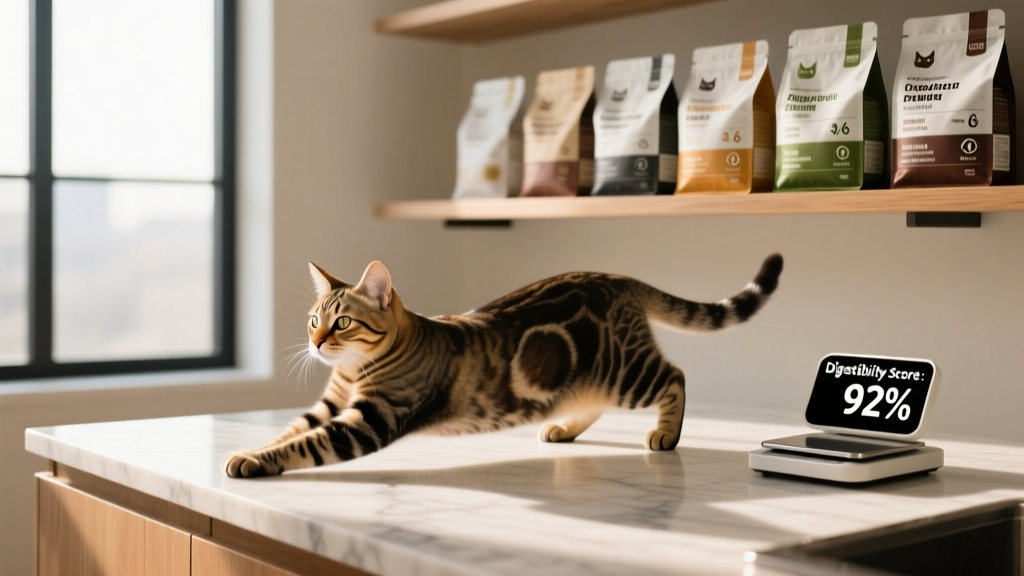
Extrusion mixes ingredients into a dough, then cooks it rapidly under heat, moisture, and pressure. The dough is forced through a die to form shapes, then dried. A fat or flavor coating is commonly applied after drying to improve palatability and add calories.
How baked/oven-cooked kibble is made
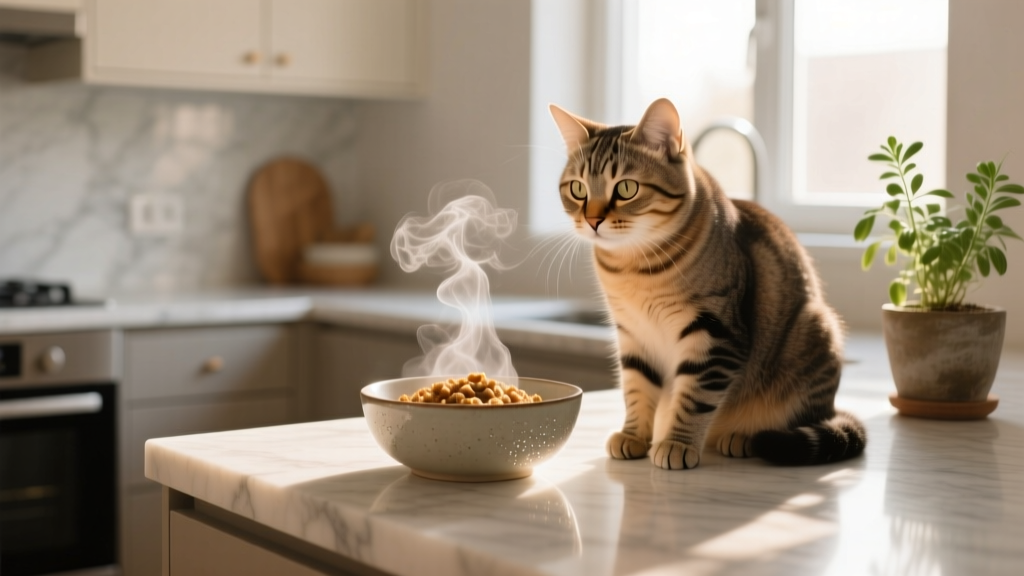
Baked (oven-cooked) kibble is typically mixed into a dough and cooked in an oven environment, often at lower pressure than extrusion. It’s still processed, still cooked, and still needs to meet complete-and-balanced standards.
Does baking “preserve nutrients” better?
Processing can affect certain nutrients (some amino acids, vitamins like A and E, and heat-sensitive compounds). Both baked and extruded diets are formulated with nutrient premixes and often include “overages” (extra amounts) to account for losses during processing and storage.
In practice, the most important safeguard is not whether a kibble is baked or extruded, but whether the manufacturer:
- Uses appropriate nutrient overages and quality control
- Performs routine nutrient testing (finished product testing, not just formulation)
- Has strong shelf-life management and packaging practices
Digestibility and stool quality
Digestibility depends on ingredient selection, fiber types, particle size, cooking degree (starch gelatinization), and fat coating—not only on “baked vs extruded.” Either method can produce an excellent or poor outcome. Some cats do better with one formula due to fiber blend or protein sources rather than the cooking method itself.
Palatability and overeating
Many extruded kibbles are heavily coated with fats and palatants, which can increase appeal and sometimes encourages overeating in food-motivated cats. Some baked kibbles are less intensely coated (varies by brand), which may help a subset of cats regulate intake—though many cats still find baked kibble very palatable.
Carb content and “kibble structure” reality
Most dry foods need some starch to create a cohesive kibble structure (extrusion especially, but baked diets also commonly use starch). This means:
- Dry food is rarely very low-carb, regardless of baking or extrusion.
- You must check the label and, ideally, the manufacturer’s typical analysis to estimate carbohydrate content.
Dental health claims
Standard kibble (baked or extruded) is not a toothbrush. Some prescription or VOHC-accepted dental diets have specific kibble structure designed to mechanically reduce tartar. For typical diets, the dental benefit is often overstated.
Safety: pathogens and recalls
Both methods involve cooking, which can reduce microbial risk. The bigger safety factors are sourcing, plant sanitation, post-processing handling, storage, and the manufacturer’s testing program. Always check brand transparency and recall history.
5) Clear comparison table
| Feature | Extruded Kibble | Baked/Oven-Cooked Kibble |
|---|---|---|
| Commonness | Very common; wide price range | Less common; often premium-priced |
| Processing style | Heat + moisture + pressure; rapid cook | Oven cooking; generally lower pressure |
| Typical palatant/fat coating | Often heavier coating (varies) | Sometimes lighter coating (varies) |
| Carbohydrate level | Often moderate to high (brand-dependent) | Often moderate (brand-dependent); not automatically low-carb |
| Nutrient stability | Can be excellent with good formulation/testing | Can be excellent with good formulation/testing |
| Texture | Often airy/crisp | Often denser/harder (varies) |
| Best use cases | Budget options, therapeutic diets, wide availability | Owners seeking different texture/ingredients; cats that prefer it |
4) Practical recommendations for cat owners
Use this checklist to choose between baked and extruded kibble (and to pick a specific product).
- Confirm complete and balanced: Look for an AAFCO (US) or FEDIAF (EU/UK) nutritional adequacy statement for your cat’s life stage (growth, adult, all life stages).
- Prioritize protein quality: Animal-based proteins should be prominent. Ingredient lists are imperfect, so also consider the company’s nutrition team and quality controls.
- Watch calories: Dry food is calorie-dense. Ask your vet for a target calorie intake if weight is a concern.
- Plan for hydration: If feeding mostly kibble, add water strategies: fountains, multiple bowls, wet food meals, or adding water/broth (no onions/garlic) to meals if your cat accepts it.
- Measure meals: Use a gram scale or a true measuring cup, and adjust based on body condition score (BCS), not guesses.
- Choose evidence over buzzwords: “Oven-baked” can be fine, but it doesn’t automatically mean superior nutrition.
5) Comparing approaches: when baked vs extruded may make sense
| Your goal | What matters most | Better fit may be... |
|---|---|---|
| Weight control | Calorie density, portion control, satiety, fiber blend | Either; consider a vet-approved weight diet (often extruded) or a lower-calorie baked option if it truly fits calorie targets |
| Picky eater | Palatability, texture preference, gradual transition | Either; many cats prefer coated extruded kibble, but some prefer denser baked textures |
| Urinary tract support | Moisture intake, urine pH control, mineral balance (Mg, P), sodium strategy | Often wet or therapeutic diets; kibble type is less important than formulation. Ask your vet. |
| Budget + reliability | Quality control, availability, consistent formulation | Often extruded due to more options and established therapeutic lines |
| Ingredient sensitivity | Single protein, hydrolyzed options, strict QC | Often veterinary therapeutic extruded diets; baked limited-ingredient diets can work for some cats but confirm vet guidance |
6) Common mistakes and misconceptions to avoid
- Myth: “Baked kibble is raw-like and therefore better.”
Baked kibble is cooked and processed. It can be high quality, but it’s not comparable to a properly formulated fresh or raw diet. - Myth: “Extruded kibble is always ultra-processed junk.”
Extrusion is a method. Many veterinary therapeutic diets are extruded and backed by feeding trials and strong quality control. Formulation and testing matter more than the label. - Mistake: Choosing based on the first few ingredients only.
Ingredient lists don’t show amino acid balance, digestibility, mineral levels, or calorie density. Use the adequacy statement, typical analysis, and brand transparency too. - Mistake: Free-feeding kibble without monitoring weight.
Many indoor cats gain weight this way. Excess weight increases risk for diabetes, arthritis, and urinary issues. - Mistake: Ignoring water intake.
Many cats do better with at least some wet food. If your cat has urinary history, talk to your vet before relying on any dry-only approach.
7) How to implement changes safely (transition tips)
Cats can develop gastrointestinal upset with sudden diet changes, and some cats can refuse food if the new texture or aroma is unfamiliar. A slow transition protects both appetite and digestion.
- Typical transition schedule (7–10 days):
- Days 1–3: 75% old food + 25% new
- Days 4–6: 50% old + 50% new
- Days 7–9: 25% old + 75% new
- Day 10: 100% new
- For sensitive cats: Extend to 14–21 days.
- Measure by weight (grams) for accuracy, especially if kibbles differ in size/density.
- Monitor: appetite, stool quality, vomiting, itching/ear debris (possible food sensitivity signs), and body weight.
- Safety rule: If a cat stops eating for ~24 hours (or even sooner for kittens), contact a veterinarian. Cats are at risk for hepatic lipidosis with prolonged anorexia.
8) Special considerations: age, health conditions, activity level
Kittens (growth)
- Need higher calories, protein, and specific minerals for growth.
- Choose a diet labeled for growth or all life stages.
- Kittens often benefit from some wet food for hydration and texture variety.
Adult indoor cats
- Most need careful calorie control and enrichment feeding (puzzle feeders, measured meals).
- If feeding kibble, consider splitting into multiple small meals and adding wet meals to boost hydration.
Senior cats
- Common issues include dental disease, reduced thirst, kidney changes, and muscle loss.
- Prioritize highly digestible protein and maintaining lean body mass; adjust phosphorus and sodium only under veterinary guidance (especially with kidney disease).
Overweight cats
- Weight loss should be planned with your vet to avoid overly rapid loss.
- Therapeutic weight diets can be helpful; don’t rely on “baked” as a weight-loss guarantee.
Urinary tract disease (FLUTD, crystals, blockages)
- Diet choice is medical here. Many cats do best with a veterinary urinary diet and increased water intake.
- Dry format alone (baked or extruded) is usually not the main decision point—mineral balance and urine parameters are.
Diabetes
- Many diabetic cats benefit from diets with controlled carbohydrates and consistent feeding routines, often with a higher protein approach.
- Any diet change for a diabetic cat should be coordinated with your veterinarian because insulin needs can change quickly.
4–6 FAQ
Is baked kibble healthier than extruded kibble?
Not automatically. Either method can produce a nutritionally excellent food or a mediocre one. Look for complete-and-balanced labeling, appropriate life-stage formulation, good quality control, and a nutrient profile that fits your cat.
Does baked kibble have more meat and less carbs?
Sometimes, but not by default. Dry foods typically require starch for structure. Check the product’s typical analysis (or request it from the manufacturer) and evaluate calories, protein, and carbohydrate estimates rather than relying on the term “baked.”
Will baked kibble clean my cat’s teeth better?
Most kibbles don’t significantly prevent dental disease. If dental health is a priority, consider VOHC-accepted dental diets/treats, daily tooth brushing (if your cat tolerates it), and regular veterinary dental care.
Is one type easier to digest?
Digestibility varies more by formula and ingredient choices than by baking vs extrusion. If your cat has chronic soft stools, vomiting, or suspected food sensitivity, work with your veterinarian to choose an appropriate diet (sometimes a therapeutic GI or hydrolyzed diet).
Can I feed only kibble if it’s high quality?
Some cats do okay on dry-only diets, but many benefit from added moisture via wet food or water strategies. If your cat has urinary issues, constipation, kidney disease, or tends to drink poorly, discuss the best feeding plan with your vet.
How can I compare two kibbles fairly?
Compare: life-stage adequacy statement, calories per cup (or per gram), protein/fat/fiber, mineral levels if available (especially phosphorus and magnesium), company quality control/testing, and how your cat’s body condition and stools respond over 4–8 weeks.
Takeaway: choosing the best kibble for your cat
Baked/oven-cooked kibble and extruded kibble are both cooked dry foods. The best choice is the one that is complete and balanced, fits your cat’s life stage and health status, comes from a manufacturer with strong quality control, and helps your cat maintain a lean body condition with good digestion and hydration support.
For individualized diet changes—especially for kittens, seniors, overweight cats, and cats with urinary disease, kidney disease, allergies, or diabetes—consult your veterinarian (or a board-certified veterinary nutritionist) before switching foods.
Want more practical, science-based feeding guidance? Explore more cat nutrition guides on catloversbase.com.