The Role of Choline in Feline Liver Fat Transport
1. Why this topic matters for cat health
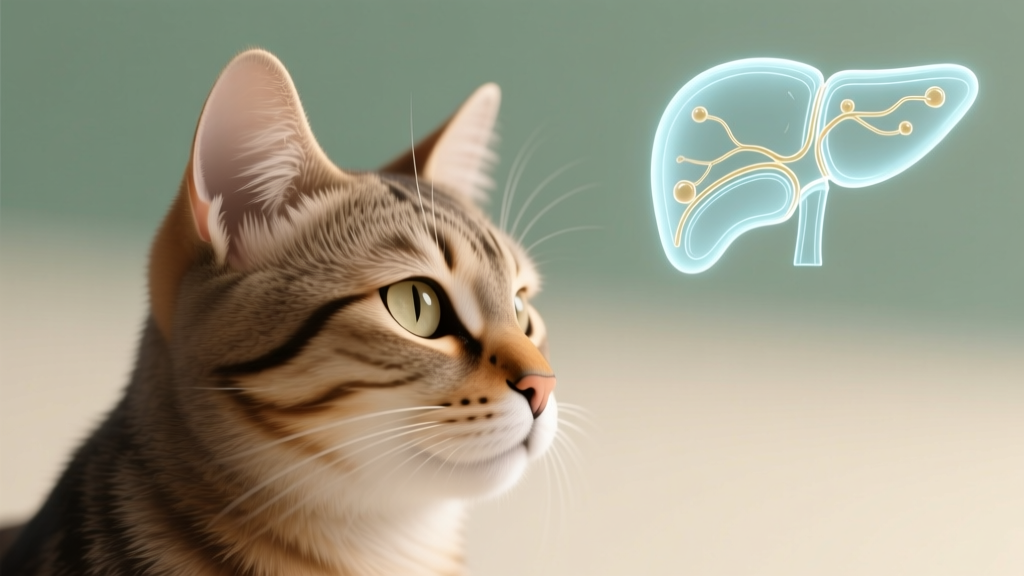
A cat’s liver is a metabolic “control center” that processes fats, proteins, and many nutrients. When fat builds up in the liver faster than the liver can export it, cats can develop hepatic lipidosis (fatty liver disease), a potentially life-threatening condition that is especially common after periods of poor appetite or rapid weight loss. Choline is one of the key nutrients that helps the liver package and move fat out to the rest of the body where it can be used properly.
For cat owners focused on feeding the best diet, choline deserves attention because it supports normal fat transport, healthy cell membranes, and methylation pathways involved in liver function. While most complete and balanced commercial foods contain adequate choline, problems can arise with unbalanced home-prepared diets, heavily modified feeding plans, or situations where a cat’s intake drops due to stress or illness. Understanding choline’s role helps owners make safer, more informed nutrition choices—and recognize when veterinary guidance is needed.
2. Scientific background: feline nutritional needs and obligate carnivore biology
Cats are obligate carnivores. Their metabolism is adapted to a prey-based diet that is naturally high in animal protein, moderate in fat, and very low in carbohydrate. This biology shapes how cats handle nutrients relevant to liver health:
- High protein requirement: Cats rely heavily on amino acids for energy and have limited ability to “downshift” protein metabolism during low intake.
- Unique fat handling: Cats can mobilize fat quickly when they stop eating, but their liver can become overwhelmed if fat export pathways can’t keep up.
- Limited nutrient flexibility: Cats cannot synthesize enough of certain nutrients (e.g., taurine, vitamin A from plants) and rely on dietary supply or precise formulation.
Choline sits at the crossroads of these systems. It contributes to phospholipid production for cell membranes and lipoproteins, supports methyl group metabolism (linked to liver processing), and helps the liver export triglycerides. This is particularly relevant in cats because any period of reduced intake can trigger rapid fat mobilization to the liver.
3. Detailed analysis: what choline does in feline liver fat transport
Choline 101: what it is and where it fits
Choline is a water-soluble, vitamin-like essential nutrient. In practical terms, cats need choline to:
- Build phosphatidylcholine, a major phospholipid in cell membranes
- Form very-low-density lipoproteins (VLDL), which transport triglycerides out of the liver
- Support methylation (via betaine), influencing liver metabolism and detox pathways
How the liver exports fat (and where choline matters)
The liver doesn’t just “burn” fat—it also packages fat for transport. When a cat mobilizes body fat (common during fasting, stress, illness, or rapid weight loss), triglycerides arrive at the liver. To prevent accumulation, the liver must export some of these fats in lipoprotein particles. Phosphatidylcholine is a structural requirement for assembling and secreting lipoproteins.
If choline is deficient, phosphatidylcholine availability may be reduced, impairing VLDL formation and export. This can contribute to triglyceride buildup in liver cells. While feline hepatic lipidosis is multifactorial (reduced food intake is the classic trigger), choline status is one of several nutritional factors that influence how well the liver can manage incoming fat.
Choline, appetite loss, and hepatic lipidosis risk
Most cases of feline hepatic lipidosis start with anorexia or markedly reduced calorie intake. Overweight cats are particularly vulnerable because they have larger fat stores to mobilize. The liver becomes a “traffic jam” for fat: lots of fat arrives, export pathways can’t keep up, and fat accumulates.
Choline does not “prevent” hepatic lipidosis on its own, and supplementation is not a substitute for addressing poor appetite. The most proven prevention strategy is maintaining consistent intake and avoiding rapid weight loss. Still, choline is a critical piece of the normal fat-export machinery, and inadequate dietary choline (most often from unbalanced homemade diets) can be a silent risk factor for liver fat handling.
Evidence-based perspective: what veterinary nutrition recognizes
Veterinary nutrition science recognizes choline as an essential nutrient for cats and includes it in formulation guidelines for complete and balanced diets. Commercial foods labeled “complete and balanced” are formulated to meet established nutrient profiles (e.g., AAFCO nutrient profiles in the US), which include choline requirements. The most common real-world causes of low choline intake are:
- Home-prepared diets without a properly designed vitamin/mineral premix
- Improvised “recipes” from the internet
- Restrictive elimination diets or highly limited ingredient feeding without professional formulation
- Prolonged periods of inadequate intake due to illness, stress, dental pain, or GI disease
If your cat has liver disease, suspected hepatic lipidosis, persistent vomiting, marked lethargy, or hasn’t eaten normally for 24 hours (or even less in a fragile cat), contact your veterinarian promptly. Nutrient support is part of management, but the immediate priority is stabilizing the cat and restoring safe caloric intake.
Choline and related nutrients: the supporting cast
Liver fat transport and metabolism rely on multiple nutrients working together. Choline interacts with:
- Methionine and folate/B vitamins: methyl group metabolism and liver processing
- Protein adequacy: cats need sufficient dietary protein to support hepatic function and overall metabolism
- Essential fatty acids: support healthy membranes and inflammation balance
- Taurine: critical for bile acid conjugation in cats (different pathway than choline, but relevant to fat digestion and liver function)
This is why a “single-nutrient fix” approach is risky. A balanced diet strategy is the most reliable way to support liver health.
4. Practical recommendations for cat owners
For most households, the practical goal is simple: ensure your cat consistently eats a complete and balanced diet appropriate for their life stage, and avoid rapid weight loss.
| Owner Goal | What to Do | Why It Helps (Choline/Liver Angle) |
|---|---|---|
| Support normal liver fat transport | Feed a “complete and balanced” commercial diet from a reputable manufacturer | These diets are formulated to meet choline and other essential nutrient requirements |
| Reduce hepatic lipidosis risk | Prevent fasting; address appetite loss quickly (same-day call to vet if not eating) | Less fat mobilization to the liver means less stress on fat export pathways |
| Safe weight management | Use veterinarian-guided calorie targets; aim for slow loss | Avoids overwhelming the liver with rapid fat release |
| Home-prepared feeding | Work with a board-certified veterinary nutritionist; use a complete premix designed for cats | Reduces the risk of choline (and other) deficiencies |
Food label tips that help in real life
- Look for a nutritional adequacy statement indicating the food is complete and balanced for your cat’s life stage.
- Be cautious with foods labeled for “intermittent or supplemental feeding only.” These may not provide adequate choline.
- Don’t assume “natural,” “holistic,” or “grain-free” automatically means nutritionally complete.
5. Comparison of options and approaches
| Approach | Pros | Cons / Risks | Best For |
|---|---|---|---|
| Complete & balanced canned food | High moisture; often highly palatable; supports urinary hydration | Can be more expensive; dental benefits limited | Cats prone to low water intake, picky eaters, weight management (with portion control) |
| Complete & balanced dry food | Convenient; often cost-effective; easy to measure | Lower moisture; some cats overeat free-choice | Owners needing convenience, cats that do well on measured meals |
| Mixed feeding (wet + dry) | Balances convenience and moisture; flexible for appetite | Needs careful calorie accounting | Many households, especially for appetite support and routine |
| Home-prepared (properly formulated) | Ingredient control; can be tailored to medical needs | High risk of deficiencies (including choline) if not professionally formulated | Cats with specific medical needs under veterinary guidance |
| Choline supplements | May be used in specific veterinary-directed plans | Not a substitute for balanced diet; dosing errors; may mask bigger issues | Only when your veterinarian recommends it |
6. Common mistakes and misconceptions to avoid (myths debunked)
-
Myth: “If my cat’s liver enzymes are high, I should add choline on my own.”
Reality: Elevated liver enzymes have many causes (inflammation, infection, bile duct issues, toxins, hyperthyroidism, hepatic lipidosis). Supplementing without diagnosis can delay needed treatment. Work with your veterinarian on diagnostics and a nutrition plan. -
Myth: “Feeding only meat is the most natural, so it must cover choline.”
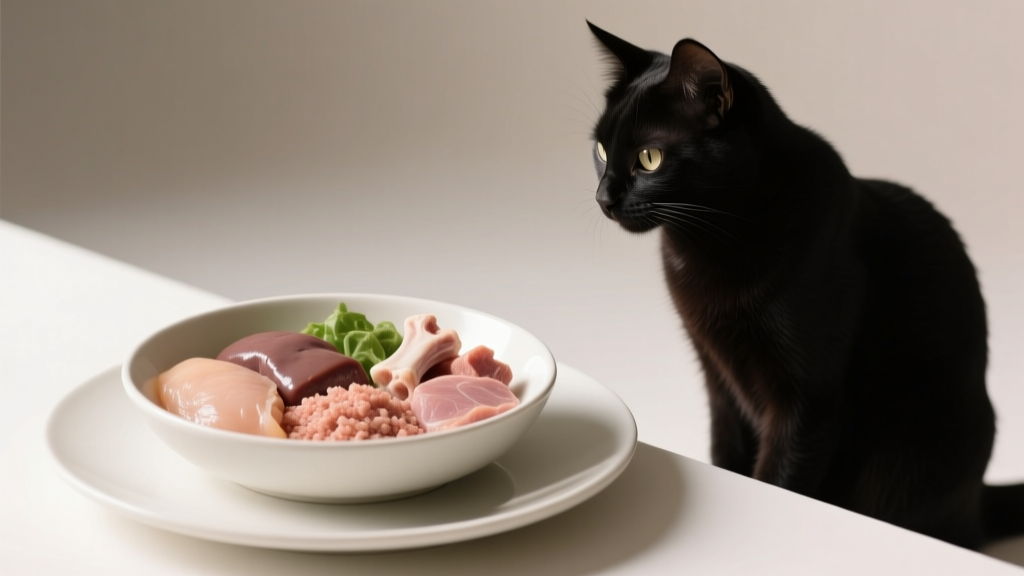
Reality: A meat-only or unbalanced raw diet can still be deficient in key nutrients depending on the cut, preparation, and whether organs/bone and a complete premix are included. Cats need a balanced nutrient profile, not just “animal ingredients.” -
Myth: “Cats can safely lose weight quickly if they’re overweight.”
Reality: Rapid weight loss is dangerous in cats and can trigger hepatic lipidosis. Weight loss should be slow and supervised. -
Myth: “If a food is labeled grain-free, it’s automatically better for the liver.”
Reality: Grain-free status doesn’t predict choline content or overall diet quality. What matters is complete and balanced formulation, appropriate calories, and good acceptance by the cat.
7. How to implement changes safely (transition tips)
Any diet change that reduces a cat’s intake can increase fatty liver risk—especially in overweight cats. Use a structured transition and watch appetite closely.
- Transition gradually: Mix the new food into the old over 7–10 days (longer for sensitive cats).
- Prioritize intake over perfection: If your cat refuses the new food and stops eating, revert to what they will eat and call your veterinarian for a plan.
- Measure portions: Use a gram scale or standard measuring cup; eyeballing leads to accidental restriction or overfeeding.
- Monitor daily: Appetite, energy, stool quality, vomiting, and water intake.
- Weigh weekly: Track trends; sudden drops are a red flag.
For weight loss plans: ask your veterinarian for a calorie target and a safe rate of loss. Many cats do best with small, consistent reductions and frequent rechecks.
8. Special considerations: age, health conditions, activity level
Kittens
- Need energy-dense, complete and balanced growth diets with appropriate choline and other nutrients.
- Don’t restrict calories for “chubbiness” without veterinary guidance—growth needs are high and mistakes can be harmful.
Adult cats
- Keep feeding consistent; address picky eating early to avoid prolonged low intake.
- If weight loss is needed, make it slow and planned.
Senior cats
- More likely to have concurrent issues (kidney disease, hyperthyroidism, dental pain) that reduce appetite.
- Early intervention for appetite decline is critical; your veterinarian may recommend targeted diets or appetite support.
Overweight cats
- Higher hepatic lipidosis risk if they stop eating, even for a short period.
- Use a veterinary-supervised weight loss program; avoid sudden diet swaps that risk refusal.
Cats with liver disease or a history of hepatic lipidosis
- Diet must be individualized. Some cats need highly palatable, energy-dense foods, assisted feeding, or feeding tubes under veterinary care.
- Never start supplements (including choline) without veterinary direction—dose and form matter, and underlying disease changes priorities.
Highly active cats vs. low-activity indoor cats
- Activity level changes calorie needs, not the basic requirement for choline. Both groups still need complete and balanced nutrition.
- Low-activity cats often need careful portioning to prevent obesity and reduce future fatty liver risk.
9. FAQ: common questions about choline and feline liver fat transport
1) Does my cat need a choline supplement?
Most cats do not if they eat a complete and balanced commercial diet and maintain steady intake. Supplements may be used in specific veterinary-directed cases (certain home-prepared plans or medical conditions). Check with your veterinarian before adding choline.
2) Can choline prevent fatty liver disease (hepatic lipidosis)?
Choline supports normal fat export from the liver, but hepatic lipidosis is most often triggered by not eating. The most effective prevention is avoiding fasting, preventing rapid weight loss, and getting prompt veterinary care when appetite drops.
3) My cat is overweight. Should I switch to a very low-calorie diet immediately?
No. Sudden calorie restriction increases hepatic lipidosis risk. Work with your veterinarian to set a safe calorie target and choose a diet formulated for weight management. Slow, steady loss is safer.
4) Are raw or homemade diets better sources of choline?
They can be, but only when properly formulated. Many homemade/raw diets are nutritionally incomplete and can be deficient in choline and other essentials. If you prefer home-prepared feeding, consult a board-certified veterinary nutritionist and use a proven recipe with a complete premix.
5) What are warning signs that my cat’s liver may be struggling?
Signs can include reduced appetite, weight loss, vomiting, drooling, lethargy, jaundice (yellow gums/eyes), and behavioral changes. These require prompt veterinary attention. Nutrition helps, but diagnosis and medical management come first.
6) If my cat skips meals, when is it an emergency?
If your cat hasn’t eaten for 24 hours, call your veterinarian the same day. For kittens, seniors, cats with diabetes or other chronic disease, or overweight cats at risk of hepatic lipidosis, contact your veterinarian even sooner.
Choline is one of the unsung nutritional workhorses that helps your cat’s liver move fat efficiently—yet the biggest real-world protection comes from balanced diets, consistent intake, and safe, veterinarian-guided weight management. For more practical feeding strategies and nutrient deep-dives, explore the nutrition guides on catloversbase.com.