Feeding Cats With Chronic Kidney Disease Stage 3
Should my stage 3 CKD cat eat a prescription renal diet?
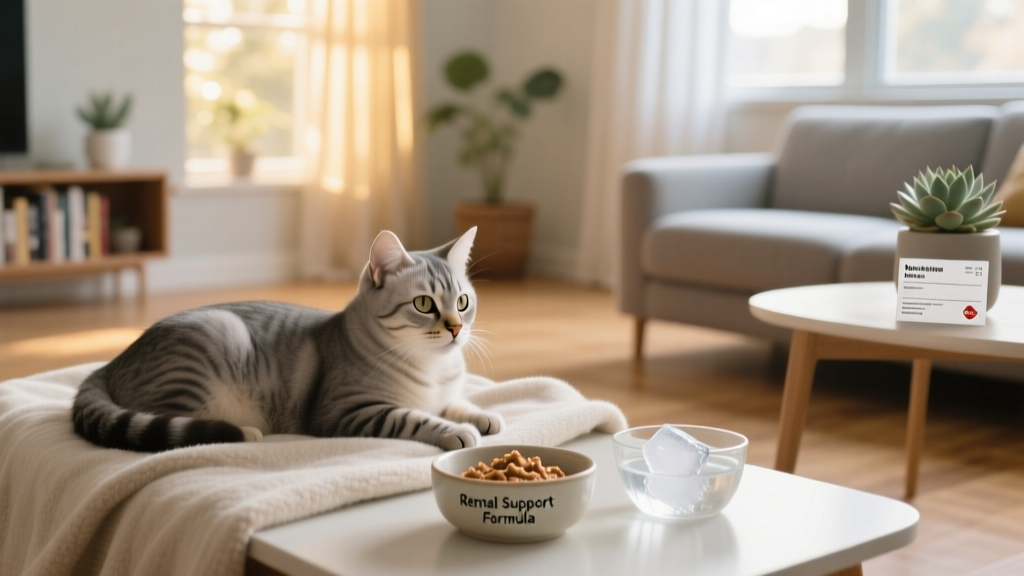
For most cats, yes. Therapeutic renal diets have the strongest evidence for improving outcomes because they reliably control phosphorus and are formulated for kidney-related electrolyte needs. If your cat refuses them, ask your veterinarian about alternatives (lower-phosphorus OTC options, appetite support, and phosphate binders).
Is wet food required for CKD?
Wet food is strongly preferred for hydration, but it’s not “required” if your cat won’t eat it. Many cats do best with mostly wet renal food, sometimes with a small amount of dry renal kibble to maintain intake. Hydration strategies (water fountains, adding water to food, vet-prescribed fluids) can help.
Can I give treats to a cat with stage 3 CKD?
Yes, but keep treats small (generally under 10% of daily calories) and choose kidney-friendly options. Avoid salty treats, high-phosphorus meats/jerky, and fish-heavy treats unless your vet approves. When in doubt, use a small portion of the renal diet as a “treat.”
What if my cat won’t eat the kidney diet at all?
Don’t let your cat go without food. Return to a food they will eat and contact your veterinarian promptly. Refusal may be driven by nausea, mouth pain, constipation, or toxin buildup. Your vet may prescribe anti-nausea medication, appetite stimulants, or recommend a stepwise plan using a lower-phosphorus wet food and/or phosphate binders.
Are high-protein raw diets good for CKD cats?
Generally, no. High-protein raw diets often have higher phosphorus and can worsen uremic signs. Raw diets also carry infection risks (Salmonella, E. coli) that are especially concerning for medically fragile cats and the humans in the household. If you’re committed to homemade feeding, consult a veterinary nutritionist for a properly formulated cooked or raw plan that specifically targets CKD needs.
Do supplements like fish oil or probiotics help?
Sometimes. Omega-3s (EPA/DHA) may be beneficial, and some cats may benefit from specific supportive supplements, but dosing and product quality matter. Probiotics marketed as “kidney support” vary in evidence. Always check with your veterinarian before adding supplements because CKD cats can be sensitive to electrolyte and calorie changes, and some supplements contain phosphorus or sodium.
Partner with your veterinarian for lab monitoring (phosphorus, potassium, bicarbonate/CO2, hematocrit, urine protein), weight and muscle scoring, and individualized targets. Nutrition works best when it’s adjusted to your cat’s current numbers and symptoms.
For more practical, vet-aligned feeding strategies, food comparisons, and troubleshooting guides for picky eaters, explore more cat nutrition articles on catloversbase.com.