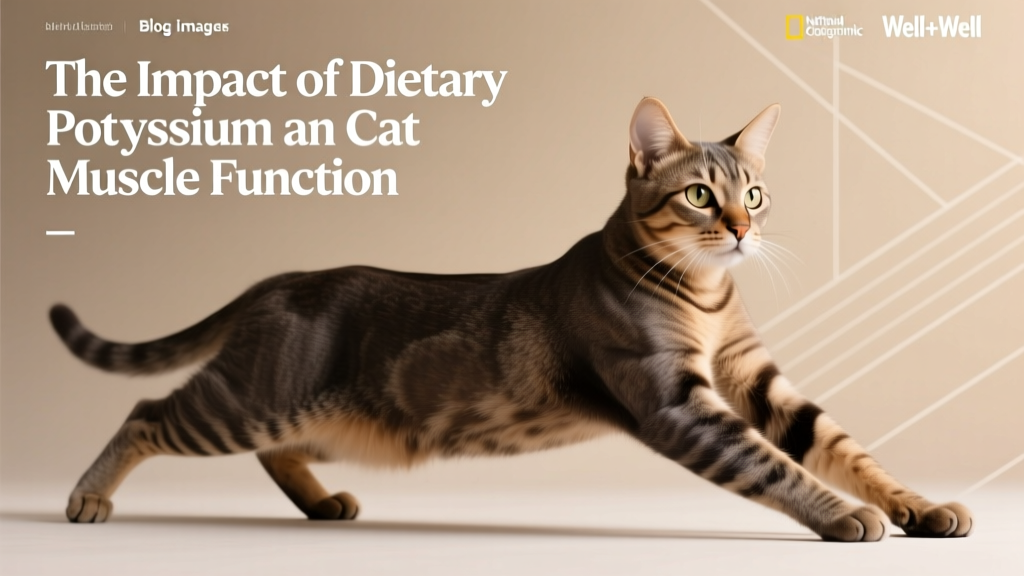
The Impact of Dietary Potassium on Cat Muscle Function
How do I know if my cat’s potassium is low?
You can’t confirm potassium status by symptoms alone. Weakness, low energy, constipation, or neck droop can occur with low potassium, but these signs overlap with many conditions. A veterinarian confirms potassium levels with blood tests (and often evaluates kidney values and urine concentration at the same time).
Can I give my cat a potassium supplement “just in case”?
No. Potassium supplementation should only be used when a veterinarian diagnoses hypokalemia or a condition where supplementation is appropriate. Too much potassium can be dangerous, especially if kidney function is impaired.
Does wet food have more potassium than dry food?
Not necessarily; potassium content depends on formulation. Wet food often supports better hydration, which can indirectly support kidney health and electrolyte balance. For specific potassium targets (such as in CKD), follow your veterinarian’s diet recommendations rather than assuming based on moisture level.
What foods are naturally high in potassium, and should I add them?
Many whole foods (including meats) contain potassium, but adding random “high-potassium foods” to a cat’s diet can unbalance other nutrients and calories. If you feed treats or toppers, keep them to a small portion of daily intake and prioritize nutritionally complete main meals. For home-prepared diets, work with a veterinarian or board-certified veterinary nutritionist.
My cat has CKD—should I automatically use potassium supplements?
No. Some CKD cats have low potassium, others do not, and some may even develop high potassium in later stages. The safe approach is regular monitoring and a plan tailored by your veterinarian, which may include a kidney diet, appetite support, hydration support, and supplementation only if indicated.
Can potassium imbalance cause heart problems in cats?
Yes. Both low and high potassium can affect the electrical activity of the heart, with high potassium being particularly concerning for arrhythmias. If your cat has sudden weakness, collapse, or breathing difficulty, seek veterinary care urgently.
Veterinary guidance matters: If you suspect a potassium issue—especially with muscle weakness—schedule a veterinary exam and ask whether electrolyte testing is appropriate before making dietary changes or adding supplements.
If you want to keep building a smarter, safer feeding plan, explore more cat nutrition guides on catloversbase.com.