Kitten Fecal Testing: Essential 2026 Guide
Why Fecal Testing Is Non-Negotiable for Kittens
Kittens under 12 weeks old have immature immune systems and high susceptibility to intestinal parasites. According to Dr. Sarah Lin, DVM, DACVM (Parasitology), 'Over 85% of shelter-sourced kittens in 2026 tested positive for at least one parasite during initial screening—most asymptomatic at first.' Early detection prevents anemia, stunted growth, and zoonotic transmission to humans. Skipping this step risks long-term gastrointestinal damage and increases treatment complexity.
Optimal Timing for First Fecal Test
The American Association of Feline Practitioners (AAFP) 2026 Feline Wellness Guidelines recommend the first fecal test within 48 hours of adoption or intake. For kittens acquired from breeders or homes, testing should occur by 6 weeks of age—even if clinically healthy. A second test is required at 8 weeks, and a third at 12 weeks, due to intermittent shedding patterns of common parasites like Giardia and hookworms.
Common Parasites Detected & Their Clinical Impact
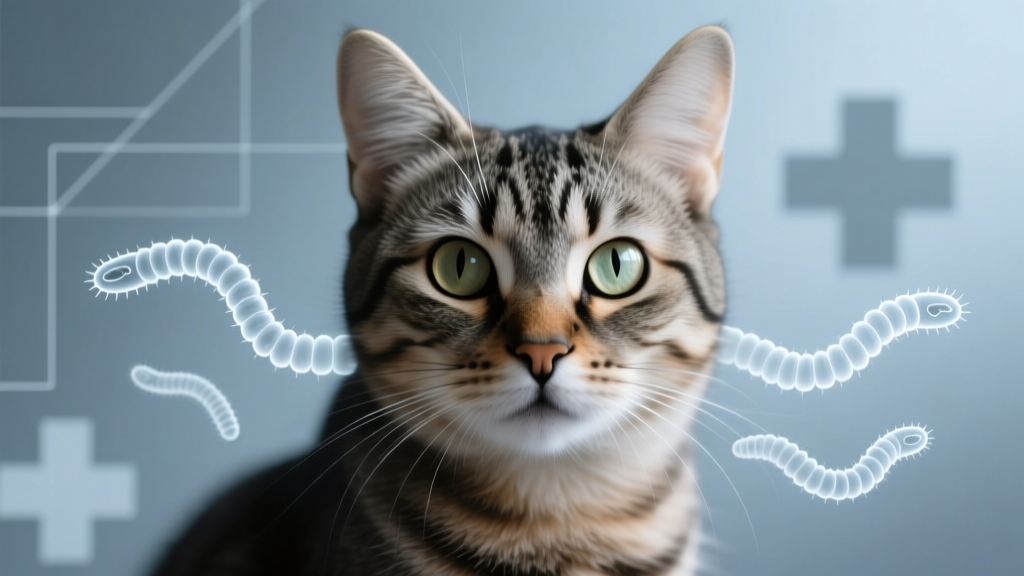
Fecal exams routinely identify Toxocara cati (roundworm), Ancylostoma tubaeforme (hookworm), Coccidia (Isospora felis), Giardia duodenalis, and Tritrichomonas foetus. Roundworms infect up to 74% of kittens under 8 weeks, per Cornell University’s 2026 Shelter Health Surveillance Report. Hookworms cause life-threatening anemia in kittens as young as 3 weeks; Tritrichomonas leads to chronic, antibiotic-resistant diarrhea lasting over 6 weeks without targeted therapy.
Testing Methods: Floatation, ELISA, and PCR Compared
Centrifugal fecal flotation remains the gold standard for nematode and cestode detection, with sensitivity reaching 92% when performed correctly using sodium nitrate solution (specific gravity 1.27). However, it misses Tritrichomonas and many Giardia cysts. The IDEXX SNAP Giardia/ Cryptosporidium Test (2026 updated version) offers 98.3% specificity for Giardia. For definitive Tritrichomonas identification, PCR testing via Texas A&M’s Veterinary Diagnostic Lab is recommended—costing $89 and returning results in 48–72 hours.
Action Steps After a Positive Result
Positive results require immediate, species-specific treatment—not broad-spectrum dewormers. For example, fenbendazole (Panacur®) is FDA-approved for Giardia in kittens 6 weeks and older but ineffective against Tritrichomonas. Ronidazole (approved off-label under veterinary supervision) is required for Tritrichomonas, with dosing calibrated to body weight and liver enzyme monitoring. Environmental decontamination is critical: steam-clean floors at ≥120°F and discard litter boxes used during active infection.
In a 2026 case study from the Chicago Humane Society, a 7-week-old tabby named Luna tested negative on flotation but positive for Tritrichomonas via PCR after persistent diarrhea. Treatment with ronidazole for 14 days resolved symptoms, and follow-up PCR at day 21 confirmed eradication.
Another real-world scenario involved a Maine Coon breeder in Oregon who skipped routine fecal screening until 12 weeks. Three kittens developed severe melena and lethargy; all tested positive for Ancylostoma via quantitative PCR. Prompt administration of pyrantel pamoate (Nemex®-2) at 2.5 mg/kg and iron supplementation prevented mortality—but two kittens required blood transfusions due to delayed intervention.
Dr. Marcus Bell, DVM, PhD, parasitologist at UC Davis School of Veterinary Medicine, emphasizes: 'Fecal testing isn’t optional—it’s foundational care. In 2026, we see a 40% increase in multidrug-resistant Giardia strains linked to missed early screenings.' His 2026 clinical review in Journal of Feline Medicine and Surgery confirms that kittens treated before 8 weeks show 91% lower recurrence rates.
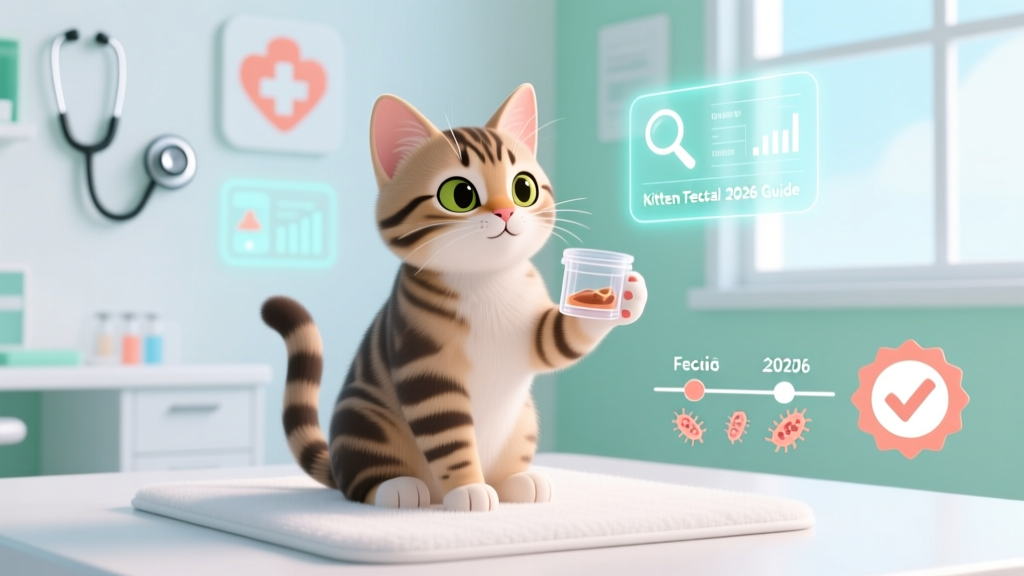
Fecal sample collection matters: collect 3–5 grams of fresh stool (within 4 hours of defecation) in a sealed, leak-proof container. Refrigerate if delivery to the lab will exceed 2 hours—but never freeze, as freezing destroys Tritrichomonas trophozoites.
Preventive protocols extend beyond testing. The AAFP recommends monthly broad-spectrum parasite control starting at 8 weeks using products like Revolution Plus® (selamectin + sarolaner), which covers roundworms, hookworms, and ear mites—and is labeled safe for kittens ≥2.8 lbs.
Environmental hygiene reduces reinfection risk. Disinfect litter boxes daily with diluted bleach (1:32 ratio), wash bedding at ≥140°F, and isolate infected kittens from other cats for 72 hours post-treatment completion.
| Parasite | Detection Method of Choice | First-Line Treatment (2026 FDA-Approved) | Re-test Interval |
|---|---|---|---|
| Toxocara cati | Centrifugal flotation | Pyrantel pamoate (Nemex®-2) | 2 weeks post-treatment |
| Tritrichomonas foetus | PCR (Texas A&M VDL) | Ronidazole (off-label, vet-supervised) | 21 days post-treatment |
| Giardia duodenalis | IDEXX SNAP Giardia Test | Fenbendazole (Panacur®) | 10 days post-treatment |
Always consult your veterinarian before initiating any treatment. Never use over-the-counter dewormers marketed for dogs—many contain ingredients toxic to kittens, such as moxidectin at uncalibrated doses. Record every test date, result, and treatment in your kitten’s health journal; digital tools like CatHealth Tracker 2026 app sync directly with clinic EMRs for seamless continuity of care.