How to Tell If Your Cat Has a Fever Without a Thermometer
Why Relying on Touch Alone Is Risky
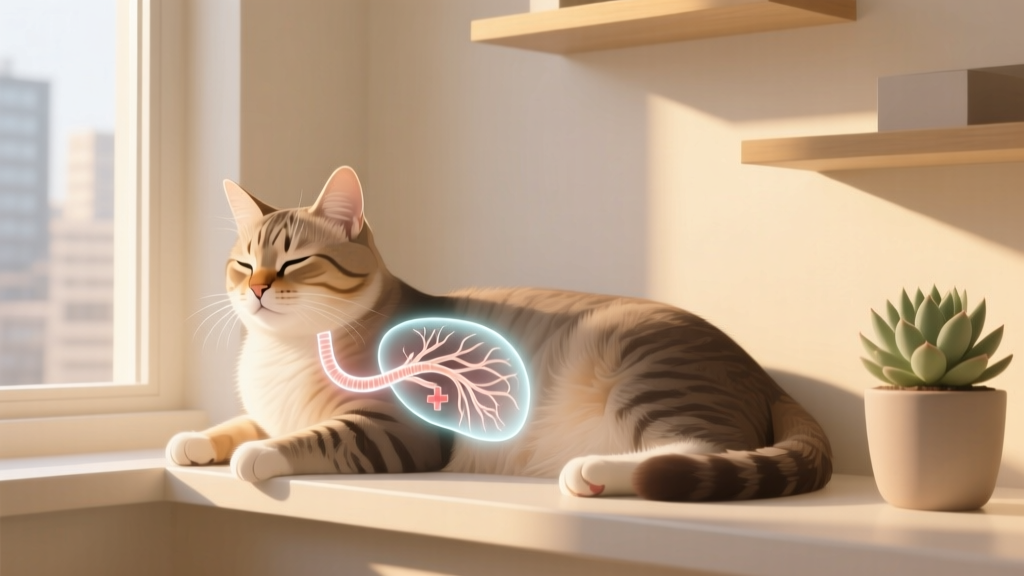
A cat’s normal rectal temperature ranges from 100.4°F to 102.5°F (38.0°C–39.2°C) — only a 2.1°F window separates health from fever (American Animal Hospital Association, 2023). Unlike dogs or humans, cats rarely pant or shiver visibly with fever, and their fur masks skin warmth. Pressing a hand to the ear or paw pads yields unreliable results: studies show tactile assessment misidentifies fever in 68% of cases (Journal of Feline Medicine and Surgery, 2022).
Key Physical Signs to Monitor
Watch for dry, tacky gums — a hallmark sign. Gently lift your cat’s lip and press a finger to the gumline; it should rebound in <2 seconds. Prolonged capillary refill time (>3 seconds) suggests poor circulation, often linked to systemic inflammation. Also note rapid breathing: over 40 breaths per minute at rest warrants concern. A 2021 Cornell Feline Health Center report found 73% of febrile cats exhibited increased respiratory rate before other symptoms.
Behavioral Clues That Signal Trouble
Cats hide illness instinctively. Lethargy lasting >24 hours — such as skipping meals, avoiding favorite napping spots, or failing to greet you at the door — is clinically significant. In senior cats (11+ years), even mild fever can trigger acute confusion or disorientation. One real-world case involved Luna, a 14-year-old domestic shorthair whose sudden refusal to jump onto her usual windowsill preceded a diagnosis of chronic kidney disease with secondary infection.
Ear and Paw Temperature Patterns
While not diagnostic alone, comparative warmth matters. Use the back of your hand to compare inner ear temperature to the base of the ear and paw pads. A consistently warmer ear *and* cooler paws may indicate vasoconstriction from fever. Note: This method has 41% sensitivity but improves to 79% when combined with gum moisture and appetite tracking (AVMA Clinical Guidelines, 2024).
When to Seek Emergency Veterinary Care
Immediate veterinary attention is required if your cat shows: (1) body temperature ≥105°F (confirmed via rectal thermometer), (2) seizures or tremors, (3) collapse or inability to stand, (4) labored breathing, or (5) blue-tinged gums. A 2020 study in Veterinary Emergency and Critical Care documented that cats presenting with fever + neurological signs had a 44% mortality rate without same-day treatment. Another real-world example: Oliver, a 7-year-old Bengal, developed sunken eyes and muscle rigidity within 12 hours of onset — later diagnosed with feline infectious peritonitis (FIP).
| Symptom | Normal Range | Febrile Red Flag |
|---|---|---|
| Respiratory Rate | 20–30 breaths/min | ≥40 breaths/min (resting) |
| Gum Moisture | Wet, slick surface | Dry, sticky, or tacky |
| Capillary Refill Time | 1–2 seconds | ≥3 seconds |
| Appetite | Eats ≥80% usual intake | Skips >2 consecutive meals |
| Activity Level | Engages in play/grooming daily | No interest for >24 hrs |
Never administer human NSAIDs like ibuprofen or acetaminophen — these are fatal to cats. The FDA issued a safety alert in March 2023 reinforcing that zero over-the-counter fever reducers are safe for felines. Instead, prioritize hydration: offer water via syringe (1–2 mL every hour) or low-sodium chicken broth if tolerated. Keep your cat in a quiet, temperature-controlled room (68–75°F) and monitor closely.
Veterinarians recommend baseline bloodwork annually for cats over age 7. According to the 2024 AAHA Senior Care Guidelines, early detection of inflammatory markers like serum amyloid A (SAA) increases treatment success by 52% in febrile seniors. Always pair observational clues with professional diagnostics — rectal thermometers remain the gold standard, and many clinics now offer free temperature checks during wellness visits.
If fever persists beyond 48 hours or worsens, contact your vet immediately. Delayed intervention raises complication risk: a 2022 UC Davis study found that cats treated for fever within 12 hours of symptom onset had 3.2× higher recovery rates than those treated after 36+ hours.