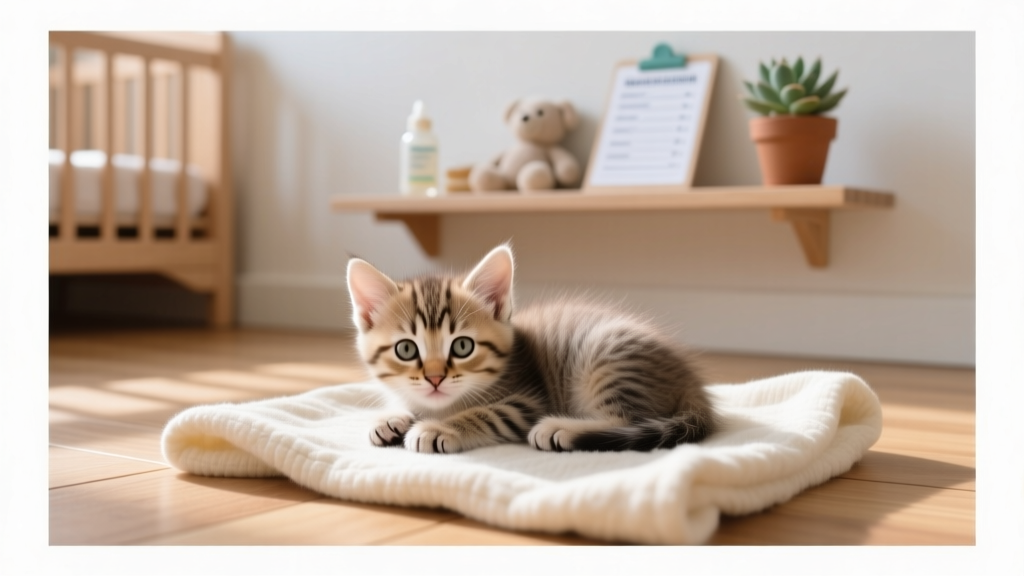
How to Care for My 6 Week Old Kitten: The 7 Non-Negotiable Health & Feeding Steps Every New Owner Misses (And Why Skipping Just One Could Delay Vet Bills — or Worse)
Your Kitten’s First Critical Milestone — And Why 'How to Care for My 6 Week Old Kitten' Is the Most Important Search You’ll Ever Make
If you’ve just brought home or discovered a 6-week-old kitten — whether orphaned, rescued, or newly weaned — you’re standing at a pivotal, fragile inflection point. How to care for my 6 week old kitten isn’t just a Google search; it’s a lifeline. At this age, kittens are physiologically immature: their immune systems are only ~30% developed, thermoregulation is still unreliable, gut flora is unstable, and maternal antibodies are waning — leaving them uniquely vulnerable to hypoglycemia, upper respiratory infections (URIs), roundworms, and environmental stress. According to Dr. Sarah Wooten, DVM and veterinary advisor for the American Animal Hospital Association (AAHA), 'Six weeks is the most common age we see preventable kitten mortality — not from disease itself, but from mismanaged nutrition, temperature, or hygiene.' This guide distills evidence-based protocols used in neonatal kitten nurseries and shelter medicine into actionable, low-cost steps — so you don’t have to guess, Google frantically at 2 a.m., or learn the hard way.
1. Temperature, Hydration & Energy: The Invisible Triad That Keeps Kittens Alive
At 6 weeks, kittens can’t fully regulate body temperature — their ideal ambient range is 75–80°F (24–27°C). A drop of just 2°F below that can suppress immune response and slow digestion. Hypothermia often presents subtly: lethargy, cool ears/paws, weak suckling, or shallow breathing — not shivering (they rarely shiver until week 8+). Never place heating pads directly under bedding (burn risk); instead, use a microwavable rice sock wrapped in fleece, placed *beside* (not under) the nest, checked every 90 minutes.
Hydration is equally urgent. Dehydration sets in within hours if intake drops — and it’s invisible until late stage (skin tenting, sunken eyes, dry gums). Weigh your kitten daily at the same time using a digital kitchen scale (precision: 1g). A healthy 6-week-old should gain 10–15g per day. If weight loss occurs over 24 hours, or gain stalls for 48+ hours, intervene immediately: offer warmed (98–100°F) unflavored Pedialyte via syringe (0.5 mL every 2 hours) while contacting your vet. Do NOT use human electrolyte drinks — high sodium and sugar cause diarrhea and metabolic stress.
Energy needs peak here: 200–250 kcal/kg/day. That means a 300g kitten needs ~70–75 kcal daily — roughly 30 mL of high-calorie kitten milk replacer (KMR) or wet food slurry. But here’s what most guides miss: kittens this age digest fat poorly. Overloading with rich foods causes steatorrhea (fatty, foul-smelling stools) and malabsorption. Instead, feed smaller, more frequent meals (every 4–5 hours, including overnight for first 3 days) and prioritize easily absorbed medium-chain triglycerides (MCTs) — found in goat-milk-based formulas like PetAg KMR or Breeder’s Edge Foster Care.
2. The Weaning Transition: When & How to Move From Bottle to Bowl (Without Causing GI Collapse)
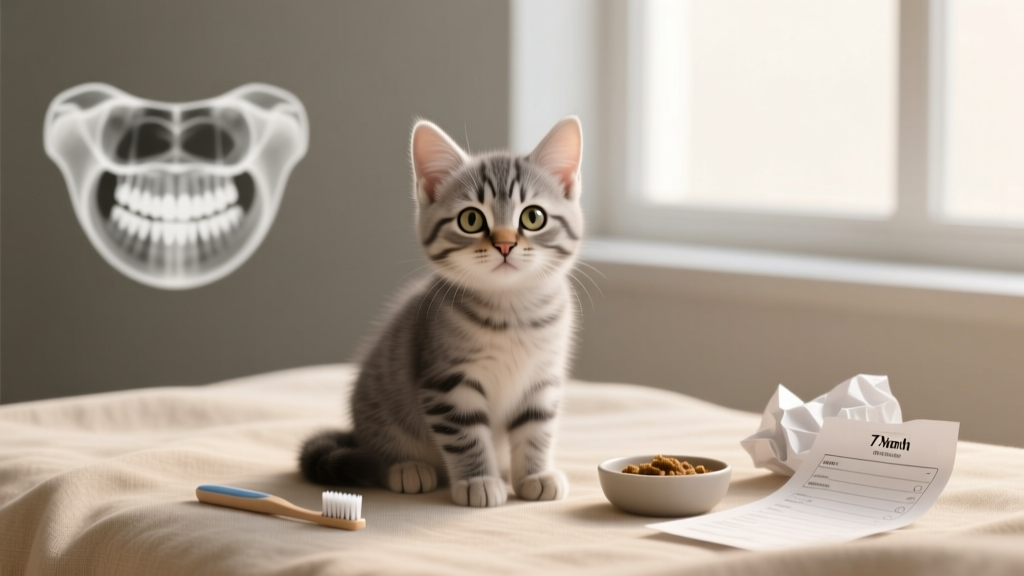
Weaning begins at 4 weeks but isn’t complete until 8–10 weeks. At 6 weeks, you’re in the ‘transition zone’ — and rushing it is the #1 cause of kitten diarrhea, refusal to eat, and secondary bacterial overgrowth. Veterinarian Dr. Miesha L. Smith, DVM, DACVN (Board-Certified Veterinary Nutritionist), emphasizes: 'Forcing dry kibble at 6 weeks damages developing teeth and triggers chronic constipation. Their molars aren’t erupted yet — they literally can’t chew kibble effectively.'
Here’s the evidence-backed method:
- Days 1–3: Mix 75% KMR + 25% high-moisture, grain-free pate (e.g., Wellness Kittles or Royal Canin Babycat) into a thin slurry. Warm to 98°F. Feed via shallow ceramic dish (never plastic — bacteria harbor in scratches).
- Days 4–7: Gradually increase food to 50%, thickening slurry slightly. Introduce one finger-dip feeding session daily: gently smear food on gums to stimulate chewing reflex.
- Week 2: Shift to 75% food + 25% KMR, offered in two textures: half as soft pate, half as soaked kibble (1:4 ratio, soaked 20 mins in warm water, then mashed).
Monitor stool daily. Ideal consistency: soft but formed, brown, no mucus or blood. If stools loosen, revert to previous ratio for 48 hours and add 1/8 tsp pure pumpkin (not pie filling) per meal — its soluble fiber rebalances gut motility. Avoid probiotics unless prescribed: unregulated strains can worsen dysbiosis in immature guts.
3. Parasite Defense & Vaccine Timing: What’s Urgent vs. What Can Wait
Over 90% of kittens under 8 weeks carry intestinal parasites — especially roundworms (Toxocara cati), which migrate through lungs and liver, causing coughing, pot-bellied appearance, and stunted growth. Deworming must begin at 6 weeks — but not with over-the-counter ‘broad-spectrum’ gels. These often contain pyrantel pamoate, which only kills roundworms and hookworms — missing tapeworms and coccidia, both common in shelter-rescued kittens. A 2023 study in the Journal of Feline Medicine and Surgery found that 62% of deworming failures in kittens were due to incorrect product selection or dosing intervals.
Work with your vet to choose a prescription dewormer based on fecal float results. Standard protocol: fenbendazole (Panacur) at 50 mg/kg once daily for 3 days, repeated in 2 weeks. Administer with food to reduce nausea. Always recheck stool 7 days post-treatment.
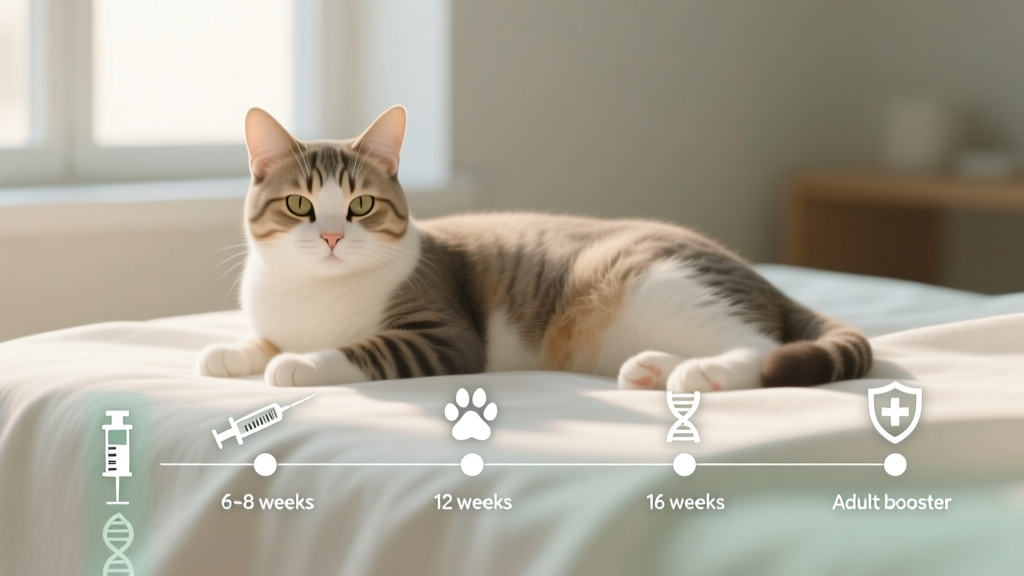
Vaccines? Core vaccines (FVRCP) can start at 6 weeks — but timing matters. Maternal antibodies interfere until ~12–16 weeks, so a single dose at 6 weeks offers minimal protection. AAHA recommends the first FVRCP at 8 weeks, then boosters every 3–4 weeks until 16 weeks. However, if your kitten is high-risk (shelter, outdoor mom, URI exposure), your vet may advise an early 6-week dose — but only if paired with antibody titer testing at 12 weeks to confirm immunity.
4. Socialization & Litter Training: The 2-Week Window That Shapes Lifelong Behavior
The prime socialization window closes at 7 weeks — making weeks 5–7 the most neurologically fertile period for learning. Kittens exposed to varied people (men, children, seniors), sounds (vacuum, doorbell), surfaces (carpet, tile, grass), and handling (paws touched, ears gently rubbed, mouth opened) before 7 weeks are 3.2x less likely to develop fear-based aggression, according to a landmark 5-year Cornell Feline Health Center study.
But here’s the nuance: socialization ≠ overstimulation. Limit sessions to 5–7 minutes, 3–4x/day. Watch for stress signals: flattened ears, tail flicking, sudden grooming, or freezing. End each session with calm petting and a treat — never force interaction.
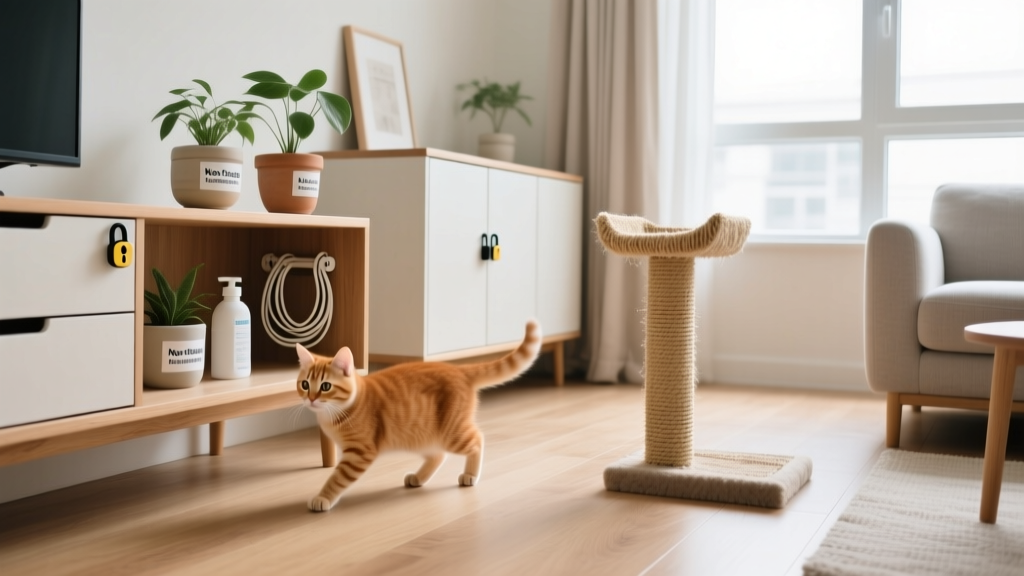
Litter training starts now — but avoid common traps. Use only unscented, non-clumping clay or paper-based litter (clay dust irritates airways; clumping litter can cause fatal intestinal blockages if ingested). Place the box in a quiet, low-traffic corner — not next to food or bedding. After every meal and nap, gently place kitten in box and mimic digging with your finger. Reward with gentle praise (not treats — too young for high-value rewards). If accidents occur, clean with enzymatic cleaner (e.g., Nature’s Miracle) — ammonia-based cleaners smell like urine to cats and encourage re-soiling.
| Age | Key Developmental Milestones | Critical Actions | Risk if Missed |
|---|---|---|---|
| 6 weeks | Teeth erupting; eyes fully open; hearing matured; begins stalking play | Start deworming; begin controlled weaning; initiate litter training; schedule first vet exam & fecal test | Parasite overload, malnutrition, irreversible litter aversion |
| 7 weeks | Socialization window closes; motor coordination sharpens; begins self-grooming | Complete socialization exposures; introduce scratching post; switch to 3x/day meals | Fear-based aggression, inappropriate scratching, anxiety disorders |
| 8 weeks | Immune system reaches ~60% maturity; adult coat begins replacing kitten fluff | First FVRCP vaccine; spay/neuter consult (early-age neutering safe at 8 wks per ASPCA); microchip | Preventable viral illness, unplanned litters, permanent identification loss |
| 10–12 weeks | Full adult vision; play-fighting peaks; begins establishing hierarchy | Introduce leash harness (for indoor acclimation); begin clicker training basics; assess for resource guarding | Leash resistance, inter-cat aggression, food possessiveness |
Frequently Asked Questions
Can I bathe my 6-week-old kitten?
No — bathing is dangerous at this age. Kittens lose body heat 3x faster than adults, and soap strips natural skin oils needed for barrier function. If soiled, spot-clean with warm, damp cotton ball (no soap). Only full bath if veterinarian deems medically necessary (e.g., severe flea infestation) — and only in a warm room (80°F) with immediate towel-drying and supplemental heat.
My kitten sleeps 20+ hours a day — is that normal?
Yes — and vital. At 6 weeks, kittens need 18–22 hours of sleep for neural synapse formation and immune maturation. What’s concerning is how they sleep: deep, relaxed posture with slow breathing. If your kitten sleeps curled tightly, twitches excessively, or wakes disoriented, consult your vet — could indicate pain, hypoglycemia, or neurological issue.
Should I give my kitten supplements like vitamins or probiotics?
Not without veterinary guidance. High-quality kitten food meets all nutritional needs. Human or generic pet supplements can cause toxicity (e.g., vitamin A overdose causes bone deformities) or disrupt developing gut microbiota. Probiotics are only indicated post-antibiotics or after confirmed dysbiosis — and even then, use veterinary-specific strains like Purina Pro Plan FortiFlora.
When will my kitten stop biting during play?
Biting peaks at 6–8 weeks as teething begins. Redirect — never punish. Keep a stash of frozen chews (damp washcloth twisted & frozen) and always end play with a toy, not your hand. By 12 weeks, biting should decrease significantly if you consistently reward gentle mouthing and withdraw attention during hard bites.
Common Myths About 6-Week-Old Kittens
Myth 1: “They’re old enough to go to a new home at 6 weeks.”
False. Reputable breeders and shelters hold kittens until 12–14 weeks to ensure full socialization, vaccine completion, and emotional resilience. Early separation correlates with lifelong anxiety, poor bite inhibition, and litter box avoidance — per ASPCA’s 2022 Kitten Care Guidelines.
Myth 2: “If they’re eating solid food, they don’t need milk replacer anymore.”
Incorrect. Until 8 weeks, kittens still require milk replacer for essential immunoglobulins, taurine, and digestible fats. Abrupt cessation causes nutrient gaps and digestive upset. Continue KMR alongside food until week 8, then taper over 5 days.
Related Topics (Internal Link Suggestions)
- Signs of kitten dehydration — suggested anchor text: "how to tell if your kitten is dehydrated"
- Kitten deworming schedule — suggested anchor text: "kitten deworming timeline by age"
- Best kitten food for weaning — suggested anchor text: "top vet-recommended kitten foods for 6-week-olds"
- When to take a kitten to the vet — suggested anchor text: "kitten vet visit checklist"
- How to socialize a shy kitten — suggested anchor text: "gentle kitten socialization techniques"
Your Next Step: Turn Knowledge Into Lifesaving Action Today
You now hold the precise, vet-vetted roadmap for navigating your kitten’s most vulnerable developmental leap — grounded in physiology, not folklore. But knowledge only protects when applied. Before sunset today, do these three things: (1) Weigh your kitten and record it; (2) Call your vet to schedule a 6-week wellness exam and fecal test; (3) Print the care timeline table above and tape it to your fridge. Small actions, timed right, build immunity, trust, and resilience — one gram, one meal, one gentle touch at a time. Your kitten isn’t just adapting to the world — they’re learning, from you, whether it’s safe. Be the calm, consistent, science-informed presence they need.