Cat Congenital Heart Defects: Murmur in Kittens
1. Why This Topic Matters to Cat Owners
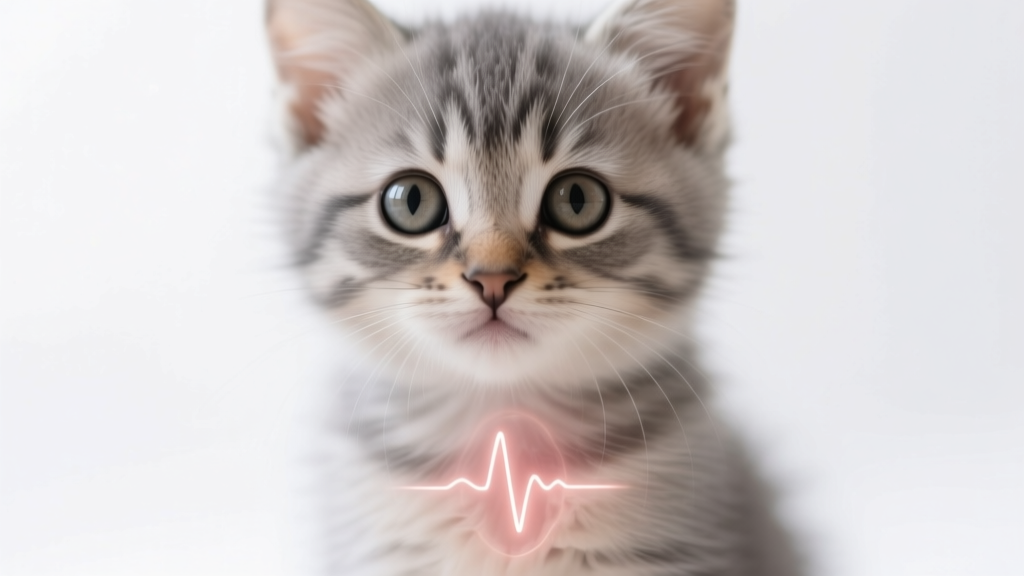
Hearing that your kitten has a “heart murmur” can be scary, especially when your kitten otherwise seems playful and normal. A murmur isn’t a diagnosis by itself—it’s a sound your veterinarian hears with a stethoscope that suggests blood flow is more turbulent than expected. In kittens, a murmur may be harmless and temporary, or it may be the first clue of a congenital (present at birth) heart defect.
Understanding what a murmur can mean helps you make calm, informed decisions. Early detection can prevent complications, guide safe activity levels, and ensure your kitten gets the right care as they grow. Many cats with mild congenital issues live happy lives with monitoring and, when needed, treatment.
2. Overview: What Is a Congenital Heart Defect and How Is It Linked to a Murmur?
Congenital heart defects are structural problems in the heart or major blood vessels that develop before birth. These defects can affect how blood moves through the heart, how oxygenated blood circulates through the body, and how hard the heart must work to do its job.
A heart murmur is an extra sound—often described as a whoosh—heard between normal heartbeats. Murmurs are caused by changes in blood flow, such as:
- Blood moving through an abnormal opening (a “hole” between chambers)
- Blood flowing through a narrowed valve or vessel
- Blood leaking backward through a valve that doesn’t close properly
- Fast or thin blood flow (sometimes seen in young kittens or with conditions like anemia)
Not all murmurs mean a congenital defect. Some kittens have an innocent (physiologic) murmur that appears during growth and disappears as they mature. Others have a murmur caused by illness (such as fever or anemia) rather than a structural heart problem.
Common congenital defects veterinarians may consider when a kitten has a murmur include:
- Ventricular septal defect (VSD): an opening between the lower chambers
- Atrial septal defect (ASD): an opening between the upper chambers
- Patent ductus arteriosus (PDA): a fetal blood vessel fails to close after birth
- Pulmonic stenosis: narrowing near the valve leading to the lungs
- Aortic stenosis/subaortic stenosis: narrowing near the outlet to the body
- Valve malformations: valves that are leaky or malformed
Some congenital issues are mild and only require periodic monitoring. Others can lead to heart enlargement, abnormal rhythms, reduced oxygen delivery, or fluid buildup (congestive heart failure) if not addressed.
3. Symptoms and Warning Signs to Watch For
Many kittens with murmurs have no obvious symptoms at first. That’s why regular kitten wellness exams are so valuable. If signs do appear, they may be subtle, especially in cats (who are excellent at hiding illness).
Contact your veterinarian if you notice:
- Reduced playfulness or tiring faster than littermates
- Breathing that seems faster or more effortful at rest
- Open-mouth breathing (always abnormal in cats)
- Coughing is uncommon in cats with heart disease, but any persistent cough should be assessed
- Poor growth or failure to thrive
- Decreased appetite or difficulty nursing/eating
- Pale or bluish gums (blue-tinged gums can indicate low oxygen)
- Weakness, wobbliness, or collapse/fainting
- Distended belly (may suggest fluid buildup, though less common)
Practical at-home check: When your kitten is asleep or calmly resting, count breaths for 30 seconds and multiply by two. A persistently elevated resting respiratory rate (often over 40 breaths per minute) warrants a call to your vet—especially if paired with effortful breathing.
4. Causes and Risk Factors
Congenital heart defects develop during fetal growth. Often, the exact cause is unknown. Contributing factors can include genetics and developmental abnormalities.
Risk factors and contributors may include:
- Genetics/hereditary influence: Some defects may run in certain lines, especially in breeding populations.
- Breed predispositions: Some purebred cats have higher rates of certain heart conditions (though murmurs in kittens are not limited to any breed).
- Developmental factors during pregnancy: Maternal illness, poor nutrition, toxin exposure, or certain medications may play a role (often hard to prove in individual cases).
- Non-congenital contributors that can create a murmur: anemia, dehydration, fever, infection, or hyperthyroidism (rare in young kittens but possible later).
If you adopted your kitten, you may not know pregnancy history—and that’s okay. What matters most is evaluating the kitten’s current heart health and making a plan with your veterinarian.
5. Diagnosis: What to Expect at the Vet
If your veterinarian detects a murmur, they’ll typically describe it by grade (how loud it is), timing (systolic/diastolic/continuous), and where it’s loudest. These details help determine how concerned to be and what testing is appropriate.
Your appointment may include:
- Full physical exam: Listening to the heart and lungs, checking gum color, hydration, and body condition.
- History questions: Energy level, appetite, growth, breathing at home, and any fainting episodes.
- Recheck schedule: For a soft murmur in an otherwise healthy kitten, your vet may recommend a recheck in a few weeks to see if it resolves as the kitten grows.
Common diagnostic tests:
- Echocardiogram (ultrasound of the heart): The most useful test for identifying congenital defects and assessing severity. Often performed by a veterinary cardiologist.
- Chest X-rays: Evaluate heart size and shape, and look for fluid in or around the lungs.
- Electrocardiogram (ECG/EKG): Checks heart rhythm and can detect arrhythmias.
- Blood pressure measurement: Helps identify high or low blood pressure that can affect heart function.
- Bloodwork: Screens for anemia, infection, electrolyte issues, and overall organ function before medications. In certain cases, cardiac biomarkers may be discussed.
What the visit feels like for your kitten: Most tests are non-painful. An echocardiogram usually involves lying on a padded surface while a probe is gently placed on the chest. Some cats need mild sedation to reduce stress and improve image quality; your vet will discuss risks and benefits.
6. Treatment Options: Medical, Surgical, and Home Care
Treatment depends on the type of defect, its severity, and whether your kitten has symptoms. Some kittens only need monitoring, while others benefit from medication or specialized procedures.
Medical Management
Medications don’t “cure” most structural defects, but they can reduce strain on the heart and manage complications.
- Diuretics (e.g., furosemide): Help remove excess fluid if congestive heart failure develops.
- ACE inhibitors: May be used in certain cases to reduce workload on the heart (use depends on current guidelines and your vet’s assessment).
- Beta-blockers: Sometimes used for specific defects or rhythm issues to slow heart rate and improve filling.
- Anti-arrhythmic medications: For abnormal heart rhythms if present.
- Antithrombotic therapy: In selected cases, to reduce risk of blood clots (more common with certain acquired heart diseases, but your vet will advise based on risk).
Owner action tip: Give heart medications exactly as prescribed. If a dose is missed, call your vet for guidance—do not double up unless instructed.
Surgical/Interventional Options
A few congenital defects can be treated with advanced procedures, often at specialty centers:
- Patent ductus arteriosus (PDA) closure: Can sometimes be corrected with surgical ligation or catheter-based closure. When successful and performed early, prognosis can be excellent.
- Balloon valvuloplasty: May be considered for some narrowing (stenosis) cases, though availability and success vary.
If your veterinarian suspects a defect that might be correctable, they may recommend referral to a veterinary cardiologist promptly.
Home Care and Lifestyle Support
- Reduce stress: Keep routines consistent; stress can worsen breathing and heart strain.
- Safe activity: Most kittens should still play, but if your vet advises limiting intense exertion, use calm enrichment (food puzzles, gentle wand play in short sessions).
- Monitor breathing: Track resting respiratory rate a few times per week, or daily if your vet recommends.
- Nutrition: Feed a high-quality kitten diet to support growth. Avoid changing diets or adding supplements without veterinary guidance (some supplements can interact with heart medications).
- Follow-up visits: Rechecks are part of treatment—heart conditions can change as your kitten grows.
7. Prevention Strategies and Early Detection Tips
You can’t prevent every congenital defect, but you can significantly improve outcomes through early detection and thoughtful choices.
- Schedule timely kitten exams: Kittens should have multiple wellness visits in the first months of life. Murmurs are often found during routine checks.
- Don’t skip rechecks: If your vet recommends re-listening in 2–6 weeks, keep that appointment, even if your kitten seems fine.
- Choose reputable breeders/rescues when possible: Responsible breeders screen for inherited conditions and avoid breeding affected cats.
- Ask about family history: If adopting from a breeder, ask whether parents had murmurs or cardiology evaluations.
- Keep parasite prevention current: Severe parasite loads can contribute to anemia and stress the cardiovascular system.
- Track at home: Keep a simple log of resting respiratory rate, appetite, energy, and any episodes of weakness.
Immediate step you can take today: Start a “baseline” note in your phone: your kitten’s typical sleeping breathing rate, normal appetite, and play stamina. That baseline helps you recognize subtle changes early.
8. Prognosis and Quality of Life Considerations
Prognosis varies widely based on the underlying cause of the murmur.
- Innocent kitten murmur: Often resolves as the kitten grows; prognosis is excellent and no treatment is needed.
- Mild congenital defect: Many cats do well for years with periodic monitoring and minimal or no medication.
- Moderate to severe defect: May require lifelong medication, specialty care, or interventional treatment. Some kittens can develop heart enlargement or heart failure over time.
Quality of life is a central goal. With appropriate care, many cats with heart conditions still enjoy normal routines—meals, play (with any needed limits), affectionate time, and comfortable rest. Your vet team may adjust treatment over time to balance heart support with your kitten’s comfort and growth.
9. When to Seek Emergency Veterinary Care
Some signs indicate urgent trouble with oxygen delivery or fluid buildup. Seek emergency care immediately if you notice:
- Open-mouth breathing or labored breathing
- Blue, gray, or very pale gums
- Collapse, fainting, or sudden extreme weakness
- Very fast breathing at rest (especially if persistent and paired with effort)
- Severe lethargy (can’t settle, won’t respond normally)
What to do on the way: Keep your kitten calm and warm, minimize handling, and transport in a carrier. Don’t attempt “home oxygen” methods or give human medications. Call the ER on the way so they can prepare.
10. FAQ: Common Questions About Heart Murmurs in Kittens
Can a kitten heart murmur go away on its own?
Yes. Some kittens have innocent murmurs related to growth, excitement, or changes in blood flow as the body matures. These often fade by a few months of age. Your veterinarian will recommend rechecks and may suggest an echocardiogram if the murmur is loud, persistent, or accompanied by symptoms.
Does a louder murmur mean the heart problem is worse?
Not always. Murmur loudness can correlate with certain defects, but it doesn’t perfectly predict severity. Some serious issues produce subtle murmurs, and some louder murmurs may be found in kittens who are otherwise stable. That’s why imaging (especially echocardiography) is so valuable.
Is it safe to spay/neuter a kitten with a heart murmur?
Often yes, but it depends on the cause of the murmur and your kitten’s overall stability. Your veterinarian may recommend pre-anesthetic bloodwork, chest X-rays, or a cardiology consult/echocardiogram first. Anesthesia plans can be adjusted to make the procedure safer. Don’t delay or proceed without veterinary guidance—work with your clinic to create the safest plan.
Should I limit my kitten’s play if a murmur is found?
Until the murmur is evaluated, avoid pushing intense exercise, but you don’t need to stop normal kitten play unless your vet advises it. Watch for tiring quickly, panting/open-mouth breathing, or needing long recovery after short play sessions. If you see those signs, pause activity and contact your veterinarian.
What is the best test to confirm a congenital heart defect?
An echocardiogram is typically the best test because it shows the heart’s structure and blood flow in real time. Your regular veterinarian may refer you to a veterinary cardiologist for the most detailed evaluation.
Can diet or supplements fix a congenital heart defect?
Diet supports overall health, but it can’t correct a structural defect. Avoid starting supplements (including taurine, fish oil, or “heart support” products) without veterinary input—your kitten’s needs depend on the diagnosis, and some supplements can interfere with medications or cause digestive upset.
If your kitten has been diagnosed with a heart murmur, the most helpful next step is a clear plan with your veterinarian: recheck timing, any recommended tests, and what changes at home should prompt a call. With attentive monitoring and the right care, many kittens do very well.
For more trusted cat health guidance, visit catloversbase.com and explore our growing library of practical, owner-friendly resources.