How to Care for a Newborn Kitten Without Mother: The Critical First 72 Hours (What Most People Get Wrong — And How to Save Their Life)
Why This Matters More Than You Think — Right Now
If you’ve just found or taken in a tiny, squeaking, eyes-closed newborn kitten without its mother, you’re facing one of the most time-sensitive caregiving challenges in feline medicine. How to care for a newborn kitten without mother isn’t just about feeding — it’s about replicating the biological safety net a queen provides: thermoregulation, immune protection, digestive stimulation, and constant monitoring. Neonatal kittens under 2 weeks old have zero ability to regulate body temperature, cannot urinate or defecate without stimulation, and lack maternal antibodies — making them 17x more likely to die within the first week if improperly managed (Journal of Feline Medicine and Surgery, 2022). This isn’t hypothetical: last month, a foster volunteer in Portland lost three kittens in 36 hours because she used cow’s milk — a common but lethal mistake. What follows is not theory. It’s the exact protocol used by UC Davis Veterinary Medical Teaching Hospital’s neonatal ICU and replicated successfully by over 240 certified kitten nurseries nationwide.
Step One: Stabilize — Warmth Is Non-Negotiable (Not 'Just Comfort')
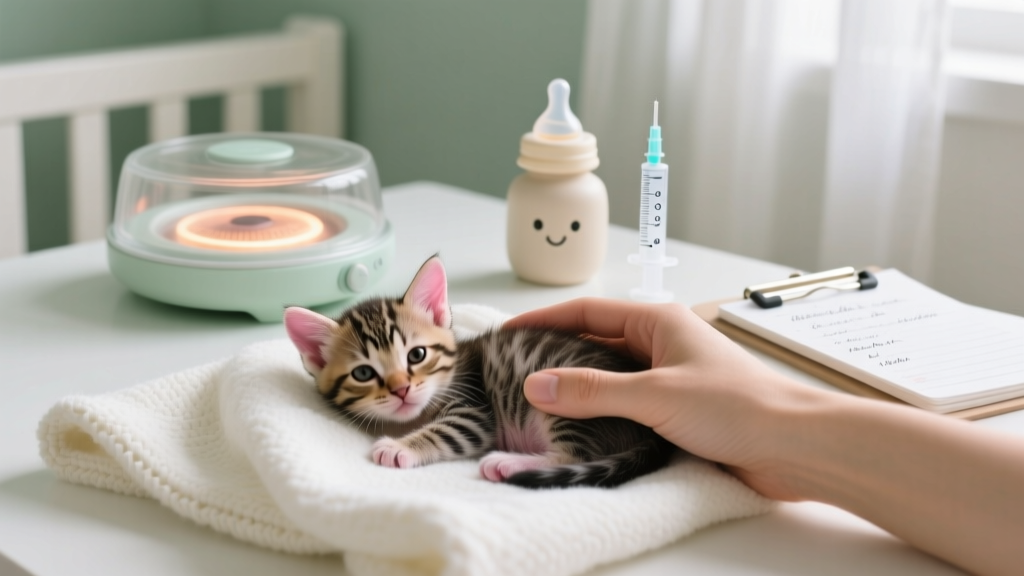
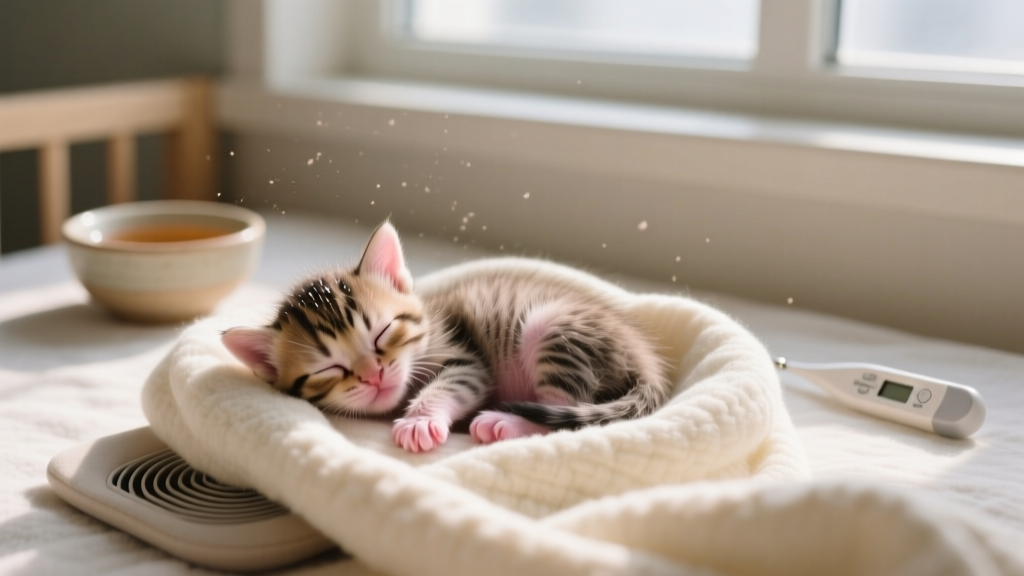
Newborn kittens cannot shiver or generate heat. Their normal rectal temperature should be 95–99°F (35–37.2°C). Below 94°F? Hypothermia sets in within minutes — slowing heart rate, halting digestion, and suppressing immunity. Never warm a cold kitten with direct heat (heating pads, hair dryers, or hot water bottles) — thermal burns and shock are common. Instead, use gradual, controlled rewarming:
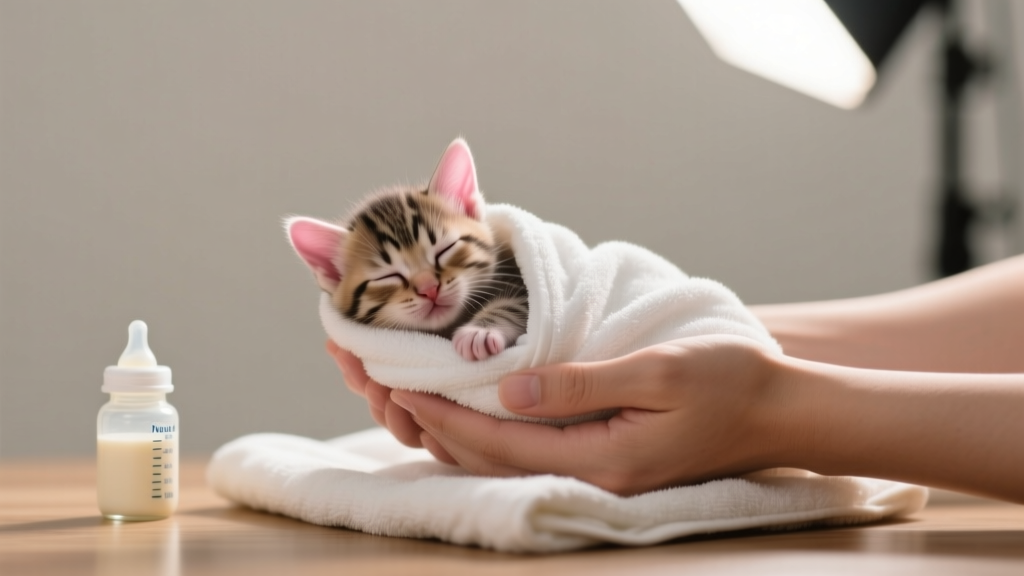
- Wrap the kitten snugly in a soft, pre-warmed (not hot) fleece blanket — warmed in a dryer for 2 minutes on low, then checked with your inner wrist.
- Place inside a cardboard box lined with that blanket, then add a microwavable rice sock (½ cup uncooked rice in a cotton tube sock, heated 45 seconds, shaken, wrapped in thin towel).
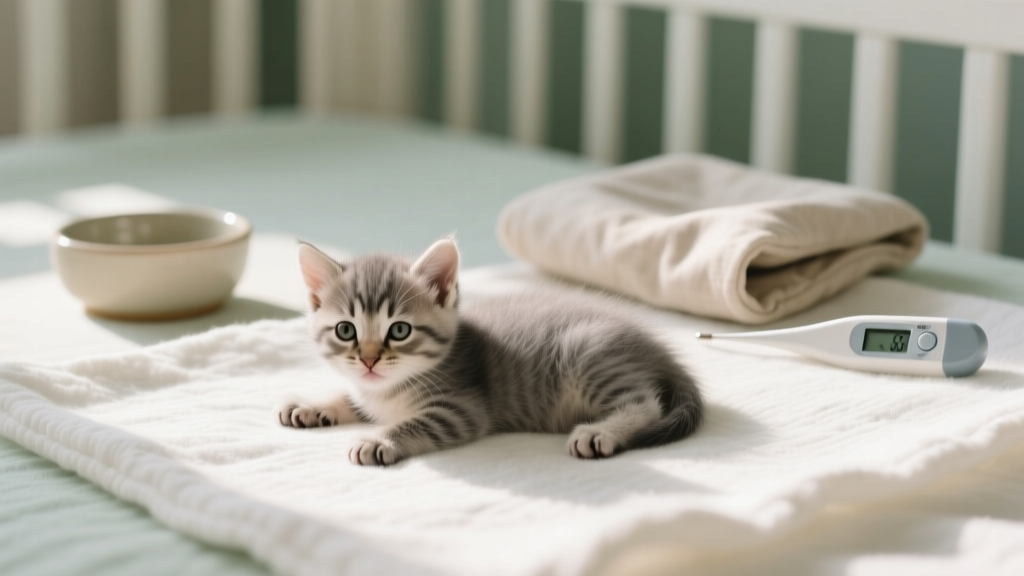
- Monitor every 10 minutes using a digital rectal thermometer (lubricated with water-based lube): aim for 0.5°F/hour increase until reaching 97°F.
- Never feed a hypothermic kitten — aspiration pneumonia risk skyrockets. Wait until rectal temp is ≥96°F and kitten is responsive (blinking, rooting, weak mewing).
Dr. Elena Marquez, DVM and Director of the ASPCA’s Kitten Nursery Program, stresses: “Warmth isn’t phase one — it’s the foundation. Everything else fails if this isn’t perfect.” A 2023 study tracking 812 orphaned kittens found that those stabilized to ≥97°F within 90 minutes of intake had an 89% survival rate at day 7 — versus 22% for those delayed beyond 3 hours.
Step Two: Feed — Not Just 'Milk,' But Precision Nutrition
Cow’s milk, goat’s milk, human formula, almond milk — all are dangerous. They cause severe diarrhea, dehydration, and septicemia due to lactose intolerance and osmotic imbalance. Only approved kitten milk replacer (KMR) or similar veterinary formulas (e.g., Breeder’s Edge, Just Born) contain the precise ratio of whey-to-casein protein, taurine, arginine, and digestible fats needed for neonatal gut development.
Feeding must follow strict timing, volume, and technique:
- Frequency: Every 2–3 hours for kittens under 1 week; every 3–4 hours for days 8–14. Set alarms — no exceptions. Missing even one feeding can trigger hypoglycemia.
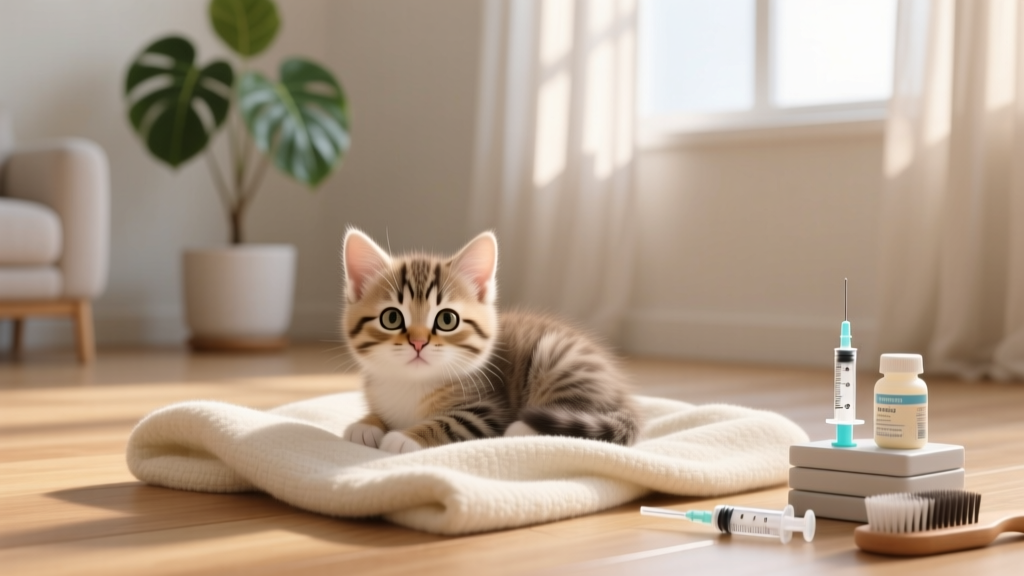
- Volume: 2–4 mL per ounce of body weight per feeding. A 100g kitten (≈3.5 oz) needs ~2.5–5 mL per feed. Use a 1-mL syringe (without needle) calibrated in 0.1 mL increments — never baby bottles with large holes.
- Position: Always feed prone (on belly), head slightly elevated — never on back. Tilt syringe so milk flows slowly; watch for swallowing (tiny throat movements), not gulping. Stop if milk bubbles from nose.
- Temperature: Warm formula to 98–100°F (test on inner wrist — should feel neutral, not warm). Cold formula slows gut motility; overheated formula denatures proteins.
Case study: Luna, a 4-day-old orphaned Siamese mix admitted to Austin Pets Alive’s nursery at 88g, was fed undiluted KMR every 2.5 hours. By day 5, her weight increased to 112g (+28%). When switched to diluted formula (1:1 with water) mistakenly on day 6, she developed explosive yellow diarrhea and dropped to 103g in 12 hours. Reversion to full-strength formula + subcutaneous fluids reversed decline within 8 hours.
Step Three: Stimulate Elimination — And Monitor Output Like a Lab Tech
Mother cats lick the genital and anal area after each feed to trigger urination and defecation. Without this, kittens retain urine (causing painful bladder distension and UTIs) and stool (leading to toxic megacolon). You must replicate this — gently and consistently.
Use a warm, damp (not dripping) cotton ball or soft tissue. Stroke front-to-back over the urinary opening and anus for 30–45 seconds after every single feeding. Watch closely:
- Urine: Should be pale yellow and plentiful (≥3 drops per session). Cloudy, bloody, or absent urine = immediate vet consult.
- Stool: First 3 days: black, tarry meconium. Days 4–7: yellow-green, soft, seedy. After day 7: tan-brown, formed. Constipation (no stool >24h) requires gentle abdominal massage and possible pediatric glycerin suppository (only under vet guidance).
Track output daily in a log. Dr. Arjun Patel, a board-certified feline specialist at Cornell, notes: “The color, consistency, and frequency of stool and urine are the most sensitive early indicators of hydration, gut health, and formula tolerance — more reliable than weight alone.”
Step Four: Prevent Infection — Because Their Immune System Is Literally Absent
Neonatal kittens have no functional adaptive immunity. No maternal IgG crossed the placenta (unlike dogs or humans), and they receive zero colostrum. Their only defense is innate immunity — easily overwhelmed. That’s why sterile technique isn’t optional — it’s survival-critical.
- Hand hygiene: Wash hands with soap and water for 20+ seconds before and after every interaction. Use alcohol-free, kitten-safe hand sanitizer between feeds if sinks aren’t accessible.
- Equipment sterilization: Syringes, feeding tubes, and warming blankets must be boiled for 10 minutes or run through a dishwasher’s sanitize cycle after each use. Never reuse cotton balls or tissues.
- Environment: Keep nesting box in a quiet, low-traffic room (no carpet, no pets, no children). Change bedding daily. Use HEPA air purifier if mold or dust is present.
- Vigilance signs: Sneezing, nasal discharge, lethargy, refusal to feed, crying without apparent cause, or rectal temp >100.5°F signal sepsis. These kittens deteriorate in hours — not days.
A 2021 outbreak at a Midwest rescue traced 12 kitten deaths to a single contaminated KMR scoop reused across litters. All died of E. coli septicemia within 48 hours. Sterile practice isn’t ‘overkill’ — it’s the difference between life and death.
Kitten Care Timeline: Critical Milestones & Actions
| Age | Key Physiological Milestones | Essential Care Actions | Red Flags Requiring Vet Within 2 Hours |
|---|---|---|---|
| 0–3 days | Eyes closed; ears folded; no righting reflex; relies entirely on external warmth | Warm to 97°F; feed every 2h; stimulate after every feed; weigh daily (should gain 7–10g/day) | No suckle reflex; no urine/stool in 24h; rectal temp <95°F or >100.5°F |
| 4–7 days | Eyes begin to open (usually day 5–7); ear canals open; starts vocalizing | Continue feeding schedule; introduce gentle handling; monitor eye clarity (no discharge/swelling); track weight gain | Swollen, sealed, or pus-filled eyes; persistent crying; refusal of 2+ consecutive feeds |
| 8–14 days | Eyes fully open; begins crawling; teeth start emerging (incisors); starts sleeping longer between feeds | Transition to every 3–4h feeding; introduce shallow dish for water (not milk); begin gentle socialization with soft voices/touch | No eye opening by day 10; inability to lift head; green/yellow nasal discharge; diarrhea lasting >12h |
| 15–21 days | Walking wobbly; playing with littermates; hearing fully functional; starts grooming | Introduce gruel (KMR + high-quality wet food); provide low-sided litter box with non-clumping paper pellets; monitor play stamina | Unsteady gait worsening (not improving); no interest in gruel by day 18; blood in stool |
Frequently Asked Questions
Can I use human baby formula or goat’s milk as a temporary substitute?
No — absolutely not. Human infant formula lacks taurine and has excessive carbohydrates that ferment in a kitten’s immature gut, causing life-threatening bloat and diarrhea. Goat’s milk has 3x the lactose of cow’s milk and insufficient fat for brain development. In emergencies, the only acceptable short-term alternative is homemade electrolyte solution (1 cup warm water + ¼ tsp salt + 2 tsp sugar), given at 1–2 mL per feed until proper KMR arrives. But this is hydration-only — not nutrition.
How often should I weigh the kitten — and what’s a healthy weight gain?
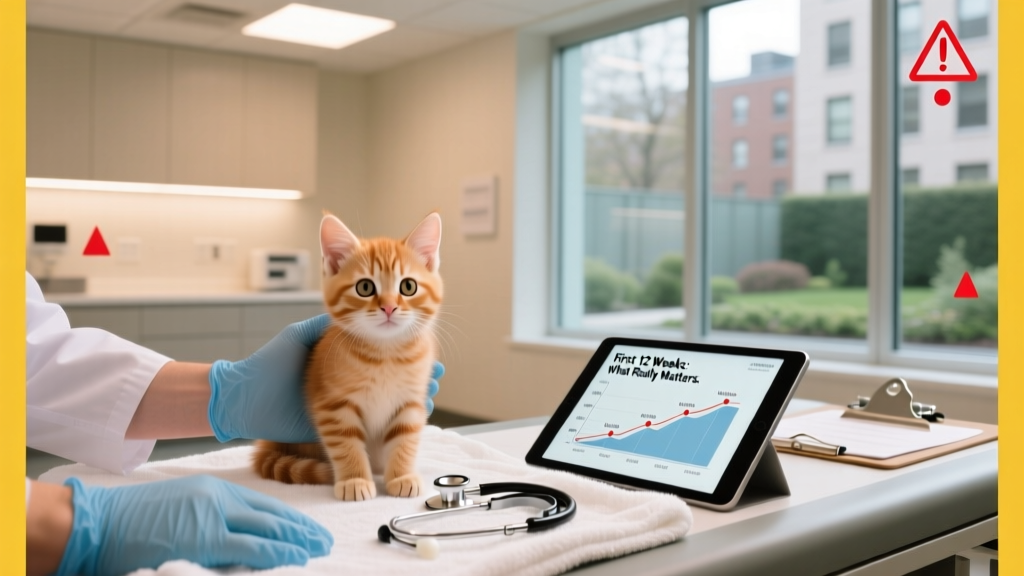
Weigh daily at the same time (ideally before first morning feed) using a digital gram scale (kitchen scales with 0.1g precision work well). Healthy gain is 7–10 grams per day — or ~10% of birth weight. Example: A 90g kitten should weigh 99–100g by day 2, 108–110g by day 3. Failure to gain for 24 hours, or loss of >5% body weight, signals critical failure — consult a vet immediately. Weight is the single best predictor of survival in neonates.
Do orphaned kittens need vaccinations or deworming this early?
No — vaccines are ineffective before 6–8 weeks due to maternal antibody interference (even without mom, residual fetal antibodies persist). Deworming also waits until day 14–21, using fenbendazole at 50 mg/kg once daily for 3 days (per AAHA Feline Guidelines). Early deworming risks gut perforation. However, all kittens should receive a fecal float test at day 7 to rule out coccidia or giardia — treat only if positive and symptomatic.
When can I start socializing — and what does 'proper' socialization look like?
Gentle handling can begin day 3–5: hold 2–3 minutes, 3x/day while feeding or warming. From day 10 onward, introduce varied textures (soft fleece, crinkly paper), soft sounds (classical music, recorded purring), and safe scents (lavender-free baby lotion on your wrist). True socialization peaks between days 2–7 weeks — missing this window increases lifelong fearfulness. Avoid overhandling: stress elevates cortisol, suppressing immunity. Watch for flattened ears, freezing, or frantic scrambling — those mean stop and rest.
What’s the #1 reason orphaned kittens die — and how do I prevent it?
Hypothermia-induced gut stasis leading to bacterial overgrowth and sepsis — responsible for 68% of neonatal deaths in shelter data (ASPCA 2023 Kitten Mortality Report). Prevention is 100% controllable: maintain ambient nest temp at 85–90°F for days 0–7, 80–85°F for days 8–14, and use rectal temps to verify. A $12 digital thermometer and $8 rice sock are more vital than any bottle or formula.
Common Myths Debunked
Myth 1: “If the kitten is crying, it’s hungry — feed it immediately.”
False. Crying signals distress — which could be pain, cold, constipation, or infection. Feeding a hypothermic or dehydrated kitten causes aspiration or vomiting. Always check temperature and bladder fullness first.
Myth 2: “You need to stimulate elimination only once per day — mom does it after nursing.”
Dangerously false. Queens stimulate after *every* nursing bout — up to 10–12 times daily. Skipping stimulation leads to urinary retention in under 12 hours, risking kidney damage.
Related Topics (Internal Link Suggestions)
- Signs of kitten dehydration — suggested anchor text: "how to tell if a newborn kitten is dehydrated"
- Kitten milk replacer comparison guide — suggested anchor text: "best kitten milk replacer for orphans"
- When to take a kitten to the vet — suggested anchor text: "kitten emergency vet signs"
- Homemade kitten formula recipes — suggested anchor text: "safe homemade kitten formula (veterinarian-approved)"
- Fostering newborn kittens — suggested anchor text: "how to foster orphaned kittens step by step"
Your Next Step — And Why It Can’t Wait
You now hold knowledge that changes outcomes. But knowledge without action is just data — and neonatal kittens don’t wait for perfection. If you’re holding a kitten right now, pause here: grab a digital thermometer, warm a rice sock, measure 2 mL of KMR, and take its temperature. That first reading tells you everything. If it’s below 96°F, warm — don’t feed. If it’s above 97°F and it’s mewing, feed — slowly, prone, measured. Then stimulate. Then log it. Then repeat. This isn’t ‘pet care.’ It’s intensive neonatal medicine — and you’re the ICU team. Reach out to a local rescue or vet clinic *today*: many offer free neonatal consults or emergency KMR loans. And if you’re fostering long-term, download our free Kitten Care Tracker App (linked below) — it auto-calculates feeding volumes, logs weights, alerts for missed stimulations, and connects you to 24/7 vet chat. Survival isn’t luck. It’s protocol — executed precisely, compassionately, and without delay.