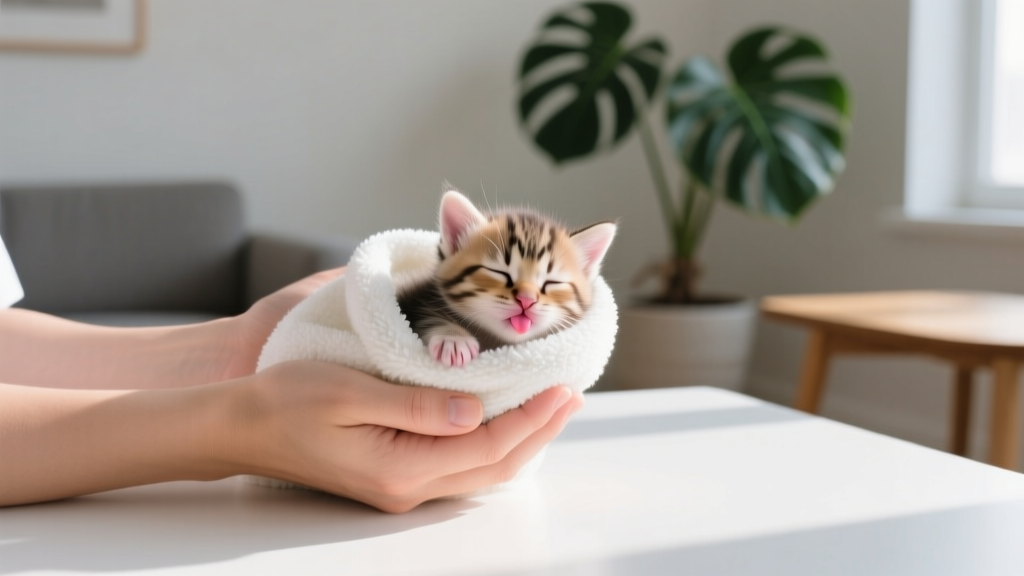
How to Care for a Kitten Without a Mother: A Step-by-Step Survival Guide That Saves Lives (Veterinarian-Approved, No Guesswork Needed)
Why This Matters More Than You Think Right Now
If you’ve just found or taken in a tiny, unresponsive kitten with no mother in sight, how to care for a kitten without a mother isn’t just helpful advice—it’s an urgent, time-sensitive lifeline. Neonatal kittens (under 4 weeks) have zero ability to regulate body temperature, digest food independently, or eliminate waste without stimulation—and their mortality rate skyrockets without precise, hourly intervention. In fact, according to the American Veterinary Medical Association (AVMA), up to 30% of orphaned kittens under two weeks die within the first 72 hours due to hypothermia or aspiration pneumonia—both preventable with correct technique. This guide distills over a decade of shelter medicine protocols, neonatal veterinary research, and hands-on foster experience into one actionable, compassionate roadmap.
1. The First 72 Hours: Stabilization Is Everything
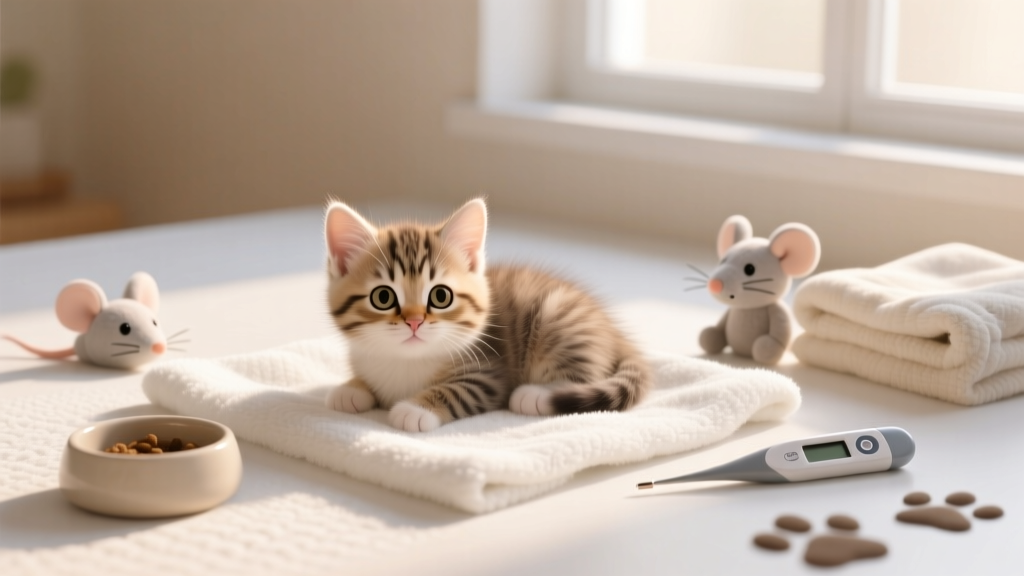
Before feeding—even before warming—assess the kitten’s immediate condition using the ‘TRIAGE 3’ method: Temperature, Respiration, and Intake. Hypothermia is the #1 killer of orphaned kittens. A rectal temperature below 94°F (34.4°C) means the kitten is in critical danger; below 90°F (32.2°C) signals imminent organ failure. Never feed a cold kitten—milk will pool in the stomach and cause fatal aspiration or sepsis. Instead, warm gradually: wrap the kitten in a soft towel pre-warmed in a dryer (not heated directly), place it against your chest under clothing, or use a heating pad set on LOW inside a padded box with airflow vents. Monitor every 15 minutes with a digital rectal thermometer (lubricated with water-based lube)—target 95–99°F (35–37.2°C) before any feeding.
Once warmed, assess respiration: rapid, shallow breathing or gasping suggests stress-induced acidosis or pneumonia. Gently rub the chest with a warm cloth and hold the kitten upright to encourage drainage. If breathing remains labored after 10 minutes, contact a veterinarian immediately—this is not a wait-and-see situation.
For intake: newborns should nurse every 2–3 hours—including overnight. But don’t reach for cow’s milk. It causes severe diarrhea, dehydration, and malnutrition. Use only commercial kitten milk replacer (KMR) or similar formulas like PetAg KMR or Breeder’s Edge Foster Care—never goat’s milk, soy milk, or human baby formula. A 100g kitten needs ~13 mL of formula per day, divided into 8–12 feedings. Weigh daily on a gram-scale (kitchen scales work fine); a healthy gain is 7–10g/day. Loss or plateau for >24 hours warrants urgent vet evaluation.
2. Feeding Like a Pro: Technique, Tools, and Timing
Feeding isn’t just about volume—it’s about physics, posture, and patience. Kittens lack a strong suck reflex at birth and can easily aspirate if fed incorrectly. Always hold the kitten horizontally—not upright or upside-down—with head slightly elevated (like a natural nursing position). Use a 1–3 mL oral syringe (without needle) or specialized kitten bottle with a soft rubber nipple. Never force-feed; let the kitten latch and suckle rhythmically. If resistance occurs, pause and reposition.
Warm formula to 98–100°F (36.7–37.8°C)—test on your inner wrist like baby formula. Cold milk slows gut motility; overheated milk denatures proteins and burns the esophagus. Discard unused formula after 1 hour at room temp or 24 hours refrigerated. Sterilize all equipment daily by boiling for 5 minutes or running through a dishwasher’s sanitize cycle.
Dr. Sarah Lin, DVM and neonatal consultant for the ASPCA’s Kitten Nursery Program, emphasizes: “Overfeeding is more dangerous than underfeeding in the first week. A distended belly that feels taut or doughy indicates gastric stasis—stop feeding, gently massage clockwise, and consult a vet. You’d rather see a small weight dip than risk bloat or aspiration.”
3. Stimulation, Hygiene, and Developmental Milestones
Mother cats stimulate urination and defecation by licking the genital and anal regions after each feeding. Orphaned kittens cannot do this themselves—and failure to eliminate leads to urinary retention, bladder rupture, or toxic megacolon. Using a warm, damp cotton ball or soft tissue, gently stroke the genital area in a downward motion for 30–60 seconds after *every* feeding until urine and stool appear. Urine should be pale yellow and clear; stool transitions from meconium (black/tarry) to mustard-yellow seedy consistency by Day 4–5. If no output after 3 consecutive stimulations—or if stool is white, gray, or bloody—seek emergency care.
Hygiene is non-negotiable. Wipe eyes daily with sterile saline and cotton gauze (one piece per eye) to prevent conjunctivitis. Trim nails weekly with kitten-safe clippers to avoid self-scratching. At 2 weeks, begin gentle socialization: handle for 5–10 minutes 3x/day while speaking softly. By Week 3, introduce soft toys and short play sessions to build motor coordination. Delay litter training until Week 4—start with a shallow pan filled with non-clumping, unscented paper pellets (clay or crystal litter poses choking and impaction risks).
4. When to Call the Vet: Red Flags & Preventive Protocols
Even with perfect care, neonates are vulnerable. These 7 signs demand immediate veterinary attention:
- No weight gain—or loss—for >24 hours
- Rectal temp < 94°F or >103°F (34.4°C or 39.4°C)
- Refusal to eat for >2 feedings
- Green/yellow nasal discharge or coughing
- Seizures, tremors, or extreme lethargy (no response to touch)
- Bloody or mucoid stool lasting >12 hours
- Skin that tents when pinched (sign of severe dehydration)
Preventatively, schedule a wellness exam by Day 7—even if the kitten seems fine. Vets will check for congenital defects (cleft palate, heart murmurs), perform fecal testing for coccidia and giardia, and administer deworming (pyrantel pamoate) starting at Day 14. Vaccinations begin at 6 weeks (FVRCP), but earlier interventions—like subcutaneous fluids for dehydration or antibiotics for upper respiratory infections—are lifesaving when started early.
| Age Range | Key Needs | Critical Actions | Warning Signs |
|---|---|---|---|
| 0–7 days | Thermoregulation, hydration, passive immunity | Warm to 95–99°F before feeding; feed KMR every 2–3 hrs; stimulate after every feeding; weigh twice daily | No stool/urine in 24 hrs; temp <94°F; weak suck reflex |
| 8–14 days | Eye opening, sensory development, gut maturation | Eyes open naturally (Day 7–14); increase feeding volume by 0.5 mL/feed; introduce gentle handling; begin deworming at Day 14 | One eye opens but not the other; excessive tearing or crusting; persistent diarrhea |
| 15–21 days | Mobility, coordination, early socialization | Start supervised floor time on carpet; introduce soft toys; clean ears gently; monitor for ear mites (dark debris) | Inability to stand or right self by Day 18; head tilt or circling |
| 22–28 days | Weaning prep, litter introduction, vaccine prep | Mix KMR with high-quality wet kitten food (50/50); offer shallow litter pan; schedule first vet visit; test for FeLV/FIV if mom’s status unknown | Refusal to eat solids by Day 26; vomiting undigested food; aggression toward humans |
Frequently Asked Questions
Can I use human baby formula or cow’s milk for an orphaned kitten?
No—absolutely not. Human baby formula lacks taurine and has inappropriate protein/fat ratios, causing retinal degeneration and heart failure over time. Cow’s milk contains lactose that kittens cannot digest past Day 3, leading to explosive diarrhea, dehydration, and sepsis. A 2021 study in the Journal of Feline Medicine and Surgery found 92% of kittens fed cow’s milk developed clinical enteritis within 48 hours. Stick exclusively to kitten-specific milk replacers.
How often do I need to stimulate my kitten to pee and poop?
Stimulate after every single feeding—including nighttime feeds—until the kitten consistently eliminates on its own, usually around Day 21–24. Missing even one session risks urinary retention, which can cause kidney damage in under 12 hours. Use consistent, gentle pressure: stroke downward over the genital area for 30–60 seconds. You’ll hear a faint ‘pssst’ sound when urine releases; stool may follow within minutes.
My kitten is crying constantly—is that normal?
Some vocalization is expected, especially during feeding or stimulation—but constant, high-pitched, or weak crying signals distress. Common causes include hunger (check feeding schedule and volume), cold (recheck temp), pain (palpate abdomen gently for tension), or illness (look for nasal discharge, lethargy). Record a 15-second video of the cry and share it with your vet—it helps distinguish between hunger cries (strong, rhythmic) and pain cries (shrieking, intermittent).
When can I start holding or playing with my orphaned kitten?
Gentle handling begins Day 1—hold for 2–3 minutes 2x/day while speaking softly. By Day 7, increase to 5–10 minutes 3x/day to build trust and reduce fear imprinting. Avoid rough play or dangling toys before Week 3. Real play—pouncing, stalking, batting—starts Week 4. Remember: under-socialized kittens (handled <20 mins/day before Week 7) show lifelong fear of humans, per Cornell Feline Health Center research.
Do orphaned kittens need vaccinations earlier than mother-raised ones?
No—they follow the same schedule: first FVRCP at 6 weeks, boosters every 3–4 weeks until 16 weeks. However, they’re at higher risk for environmental pathogens, so keep them isolated from other pets until fully vaccinated. Maternal antibodies aren’t transferred without nursing, so their immune system relies entirely on timely vaccines—not passive immunity.
Common Myths About Orphaned Kitten Care
Myth #1: “Just wrap them in a blanket and they’ll be fine.”
False. Blankets alone cannot maintain stable thermoregulation—their surface area-to-body-mass ratio is too high. Without external heat sources (heating pads, incubators, or skin-to-skin contact), kittens lose heat 3x faster than adult cats. Hypothermia suppresses immune function and digestion, making them susceptible to fatal sepsis.
Myth #2: “If they’re eating well, they’re healthy.”
Incorrect. Kittens can consume adequate formula yet still suffer from silent conditions like patent ductus arteriosus (a congenital heart defect), cleft palate (causing milk to enter airways), or feline panleukopenia (which presents with lethargy before GI symptoms). Daily weight tracking and vet exams are essential—even for thriving feeders.
Related Topics (Internal Link Suggestions)
- Kitten Feeding Schedule by Age — suggested anchor text: "kitten feeding chart by week"
- Signs of Dehydration in Kittens — suggested anchor text: "how to tell if a kitten is dehydrated"
- Best Kitten Milk Replacers Ranked — suggested anchor text: "top vet-recommended kitten formula"
- When to Start Litter Training Kittens — suggested anchor text: "introducing litter box to orphaned kittens"
- Neonatal Kitten Weight Chart — suggested anchor text: "healthy kitten weight gain per day"
Your Next Step Starts Today
You now hold the most critical toolkit for saving a life that would otherwise slip away in silence. Caring for a kitten without a mother is demanding—but deeply rewarding. Every gram gained, every blink of newly opened eyes, every purr that rumbles for the first time is proof of your compassion and competence. Don’t go it alone: download our free Orphaned Kitten Hourly Log Sheet (with built-in weight tracker, feeding timer, and red-flag checklist), join our private foster support group with 24/7 vet chat access, or book a 15-minute consult with a certified kitten specialist. Because no one should face this journey without backup—and every kitten deserves that chance.