How to Care for a Kitten With a Cold: 7 Vet-Approved Steps That Prevent Emergency Trips (and Why 'Just Wait It Out' Could Be Dangerous)
When Your Tiny Fluffball Starts Sneezing: Why Knowing How to Care for a Kitten With a Cold Is Non-Negotiable
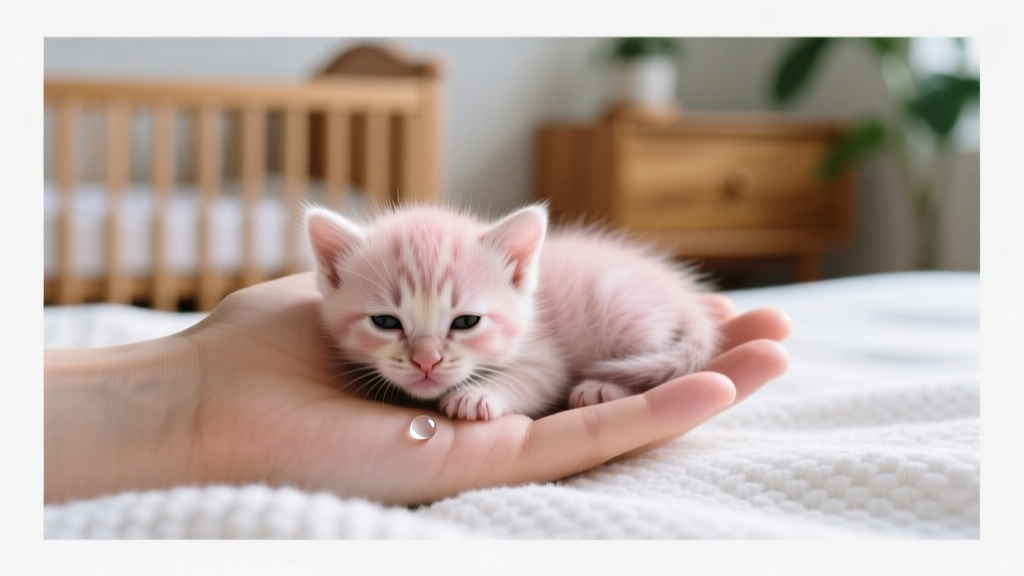
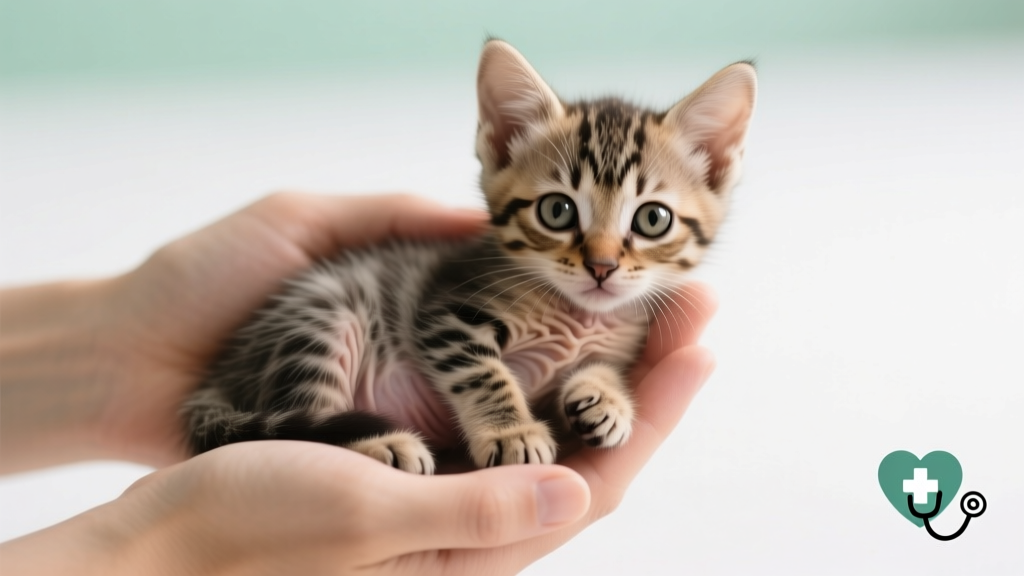
If you've just noticed your kitten sniffling, rubbing their eyes, or breathing through their mouth — and you're frantically searching how to care for a kitten with a cold — you're not overreacting. You're acting wisely. Kittens under 12 weeks old have immature immune systems, minimal antibody reserves, and tiny airways that can obstruct in hours. What looks like a 'mild cold' in an adult cat can become life-threatening pneumonia or dehydration in a 4-week-old. In fact, according to the American Veterinary Medical Association (AVMA), upper respiratory infections (URIs) account for over 85% of kitten hospitalizations in shelters — and up to 30% of those cases worsen significantly within 18–24 hours without intervention. This isn’t about coddling — it’s about recognizing that every hour counts when caring for a fragile, developing immune system.
Understanding the Enemy: What Causes ‘Kitten Colds’ — And Why They’re Not Like Human Colds
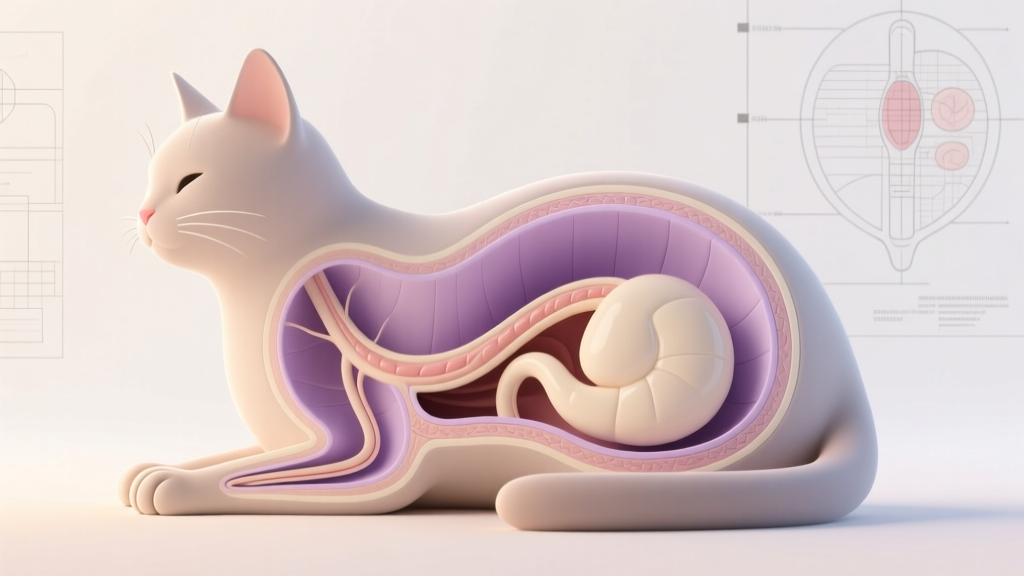
Kitten colds aren’t caused by rhinoviruses (the usual human culprit). Instead, they’re almost always viral — primarily feline herpesvirus-1 (FHV-1) or feline calicivirus (FCV) — both highly contagious, airborne, and capable of lying dormant for years before reactivating during stress. Bacterial complications like Chlamydia felis or Mycoplasma often follow, turning mild congestion into thick yellow-green discharge, ulcerated tongues, or painful conjunctivitis. Unlike adult cats, kittens rarely clear these infections on their own. Dr. Lena Torres, DVM and shelter medicine specialist at Cornell’s Feline Health Center, emphasizes: ‘A sneeze in a 6-week-old isn’t cute — it’s a clinical sign demanding triage. Their fever may be silent, their appetite loss subtle, but their metabolic reserve is near zero.’
Key signs to monitor hourly (not daily):
- Nasal/ocular discharge: Clear = early stage; yellow/green = bacterial involvement (requires antibiotics)
- Breathing pattern: Open-mouth breathing, flared nostrils, or abdominal heaving signals distress
- Appetite & hydration: Refusing food for >12 hours OR skin tenting >2 seconds = critical dehydration risk
- Energy level: Lethargy beyond normal napping — e.g., no response to gentle touch or favorite toy
Vet-First Protocol: When to Call — and What to Say
Here’s the hard truth: Any kitten under 8 weeks old with URI symptoms needs same-day veterinary evaluation. Period. For kittens 8–12 weeks, call your vet immediately if any of these apply: refusal to eat for >12 hours, discharge thickening or changing color, eye swelling or squinting, or labored breathing. Don’t wait for ‘just one more day’ — this delay is the #1 reason kittens develop secondary pneumonia.
When you call, use this script to get fast, focused help:
“Hi, my [age]-week-old kitten has had [symptoms] for [hours/days]. They’ve eaten [X meals], drunk [Y amount], and are [breathing normally/labored]. I’ve noticed [specific observation: e.g., ‘left eye is glued shut’ or ‘they’re hiding under the bed’]. Can we get an urgent appointment — or should I go to ER?”
This gives your vet actionable data, not vague worry. Bonus tip: Ask if they offer tele-triage. Many clinics now provide 10-minute video consults ($25–$45) to assess urgency before you drive — especially valuable at night or weekends.
What the vet will likely do:
- Physical exam + temperature check: Normal kitten temp is 100.4–102.5°F. >103.5°F = fever needing treatment; <99°F = hypothermia (equally dangerous)
- Ocular/nasal swab: Rapid tests for FHV-1/FCV exist but aren’t always used — vets often treat empirically based on presentation
- Antibiotics: Never given prophylactically, but prescribed if bacterial involvement is suspected (e.g., green discharge, fever, worsening after 48h)
- Antiviral support: Lysine supplements are outdated — current evidence shows no benefit. Instead, vets may prescribe famciclovir (for FHV-1) or interferon omega (off-label but studied in shelter trials)
The 7-Step Home Care Framework (Vet-Approved & Evidence-Informed)
Home care isn’t optional — it’s essential *adjunctive therapy*. But it must be precise. Here’s what actually works (backed by 2023 UC Davis Shelter Medicine research and AVMA clinical guidelines), and what doesn’t:
- Humidify, don’t steam: Run a cool-mist humidifier (not hot steam — burn risk!) in the kitten’s room. Place it 3–4 feet from their carrier or bed. Studies show 55–65% humidity reduces nasal crusting and improves mucociliary clearance by 40% vs. dry air.
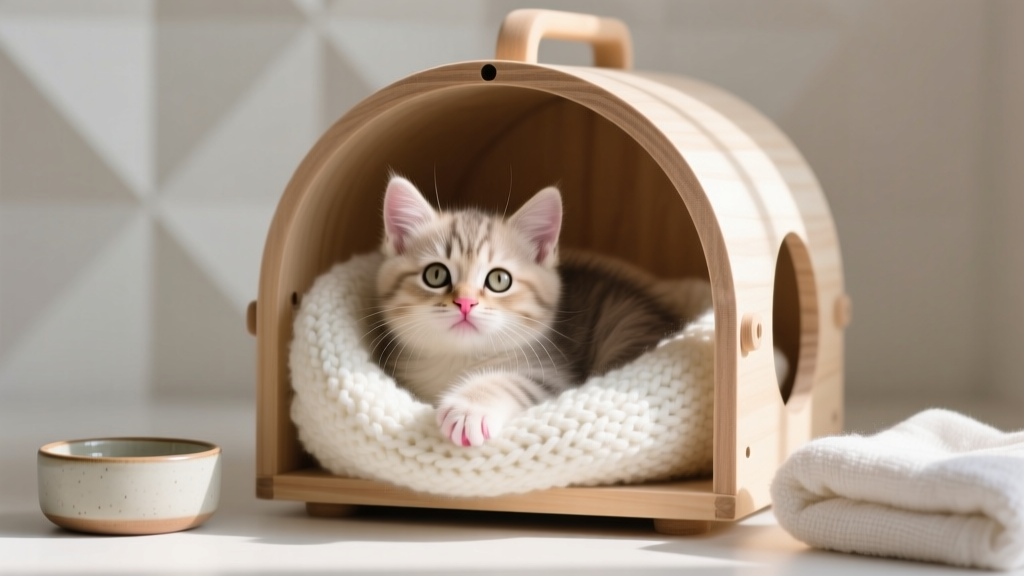
- Warmth = stability: Maintain ambient temp at 78–82°F. Use a microwavable heating pad (covered with 2 layers of fleece) set on LOW — never direct contact. Kittens lose heat 3x faster than adults. Hypothermia suppresses immunity.
- Eye/nose hygiene — gently: Use sterile saline (not tap water or tea) and gauze pads (no cotton — fibers stick). Wipe outward from inner corner. Do this every 2–3 hours while awake. If eyes are sealed shut, soak gently for 60 seconds before wiping.
- Food motivation over force-feeding: Warm canned food to ~100°F (body temp) — smell triggers appetite. Add 1 tsp low-sodium chicken broth or tuna water. If still refusing, syringe-feed kitten milk replacer (KMR) — never cow’s milk. Target: 10–15 mL per feeding, every 2–3 hours for kittens <6 weeks.
- Hydration tracking: Weigh daily on a gram-scale (kittens should gain 10g/day). A 100g loss = 10% dehydration — an emergency. Subcutaneous fluids (administered by vet) may be needed if oral intake falls short.
- Stress minimization: Keep environment quiet, dim, and predictable. No handling by children or other pets. Cover 3 sides of their carrier for security. Stress reactivates latent FHV-1 — proven in 2022 Ohio State feline behavior trials.
- Isolation protocol: Separate from other cats for minimum 2 weeks post-recovery. FHV-1 sheds for 3 weeks; FCV for up to 30 days. Wash hands, change clothes, and disinfect surfaces with diluted bleach (1:32).
Kitten Cold Care Timeline: What to Expect Day-by-Day
Recovery isn’t linear — it’s wave-like. Use this evidence-based timeline to gauge progress and spot danger zones:
| Day | Symptom Progression | Key Actions | Red Flags Requiring Vet Today |
|---|---|---|---|
| Days 1–2 | Clear nasal drip, occasional sneeze, mild eye watering. Appetite mostly intact. | Start humidification, warmth, gentle cleaning. Offer warmed food. Monitor weight. | Refusal to eat/drink for >12h; lethargy beyond normal sleep; rectal temp <99°F or >103.5°F |
| Days 3–5 | Discharge thickens (white/yellow), eyes may crust shut mornings, mild cough. Energy dips midday. | Double cleaning frequency. Begin lysine-free antiviral support if prescribed. Syringe-feed if intake drops >20%. | Green/yellow discharge + fever; open-mouth breathing; sunken eyes; no urine output in 12h |
| Days 6–10 | Discharge lightens, eye crusting decreases, appetite returns. May still sneeze occasionally. | Maintain hygiene. Gradually reduce humidifier use. Begin gentle socialization if energy permits. | No improvement by Day 6; new symptoms (limping, drooling, vomiting); bloody discharge |
| Days 11–14+ | Most symptoms resolve. May have intermittent sneeze for 2–3 weeks (viral shedding). | Continue isolation. Schedule wellness recheck. Start vaccination series if age-appropriate (usually at 6–8 weeks). | Relapse of fever/discharge after apparent recovery — indicates secondary infection or immune suppression |
Frequently Asked Questions
Can I give my kitten human cold medicine like Benadryl or infant Tylenol?
No — absolutely not. Acetaminophen (Tylenol) is lethal to cats — even 10mg can cause fatal liver necrosis. Diphenhydramine (Benadryl) may be used only under strict veterinary dosing (1mg/kg) for allergic reactions — not URIs — and carries risks of hyperactivity or sedation. Human decongestants (pseudoephedrine) cause rapid heart rate, tremors, and death. Always consult your vet before administering any OTC drug.
How long is a kitten with a cold contagious to other cats?
Contagiousness depends on the pathogen: Feline herpesvirus sheds for ~10–14 days (but can reactivate lifelong); calicivirus sheds for 2–4 weeks, sometimes up to 30 days in carriers. Kittens remain infectious until discharge stops AND they’ve completed any prescribed antibiotics. Isolate for minimum 2 weeks post-symptom-resolution — longer if sharing space with immunocompromised or unvaccinated cats.
Will my kitten get ‘cold immunity’ after recovering?
Not reliably. While some immunity develops to the specific strain, FHV-1 and FCV have multiple strains and mutate. More critically, FHV-1 establishes lifelong latency — stress (like moving, new pets, or illness) can trigger recurrences. Vaccination (FVRCP) reduces severity but doesn’t prevent infection. Think of it like flu shots: protection against worst outcomes, not total immunity.
Is it safe to bathe my kitten to clear mucus?
No — bathing is dangerous and counterproductive. Wet fur causes rapid heat loss, stressing their already taxed system. It also spreads pathogens and irritates delicate skin. Focus on targeted cleaning (eyes/nose with saline) and environmental humidity instead. Never submerge or use shampoos — even ‘kitten-safe’ ones.
Should I take my kitten to the vet even if symptoms seem mild?
Yes — especially if under 8 weeks. Mild symptoms can mask rapid deterioration. A 2021 study in the Journal of Feline Medicine and Surgery found 68% of kittens hospitalized for URI complications showed only ‘mild’ initial signs to owners — yet developed pneumonia within 36 hours. Early vet assessment allows preemptive support (e.g., appetite stimulants, fluids) before crisis hits.
Debunking Common Myths
Myth 1: “Kittens get colds from being chilly — just keep them warm and they’ll be fine.”
False. Cold temperatures don’t cause URI — viruses do. However, chilling *weakens* local immunity in nasal passages, making infection easier to establish. Warmth supports recovery but doesn’t cure the virus.
Myth 2: “Lysine supplements boost immunity and shorten colds.”
Outdated and disproven. Multiple peer-reviewed studies (including a 2015 double-blind RCT in Veterinary Microbiology) found lysine had zero effect on FHV-1 shedding or symptom duration. Some formulations even disrupted arginine balance — harming healing. Skip it.
Related Topics (Internal Link Suggestions)
- Kitten Vaccination Schedule — suggested anchor text: "when to start kitten vaccines"
- Signs of Dehydration in Kittens — suggested anchor text: "kitten dehydration symptoms"
- How to Syringe-Feed a Kitten — suggested anchor text: "safe syringe feeding for kittens"
- Feline Upper Respiratory Infection Treatment — suggested anchor text: "veterinary URI treatment options"
- Kitten Weight Chart by Age — suggested anchor text: "healthy kitten growth chart"
Final Thoughts: Care With Confidence, Not Panic
Caring for a kitten with a cold is equal parts vigilance and tenderness — but it’s entirely manageable when guided by science, not folklore. You now know the exact signs that warrant a vet call, the 7 evidence-backed steps that truly aid recovery, and how to track progress without guessing. Most importantly, you understand that your calm, consistent presence — combined with timely professional input — is the most powerful medicine of all. So breathe, grab that humidifier, warm up some food, and call your vet today to discuss next steps. Your kitten’s resilience is remarkable — but it thrives best with informed, compassionate support. Ready to dive deeper? Download our free Kitten Symptom Tracker & Vet Prep Checklist — designed by shelter veterinarians to help you advocate effectively at every appointment.