Cat Peritoneal Peritonitis: Abdominal Lining Inflammation
1. Why this topic matters to cat owners
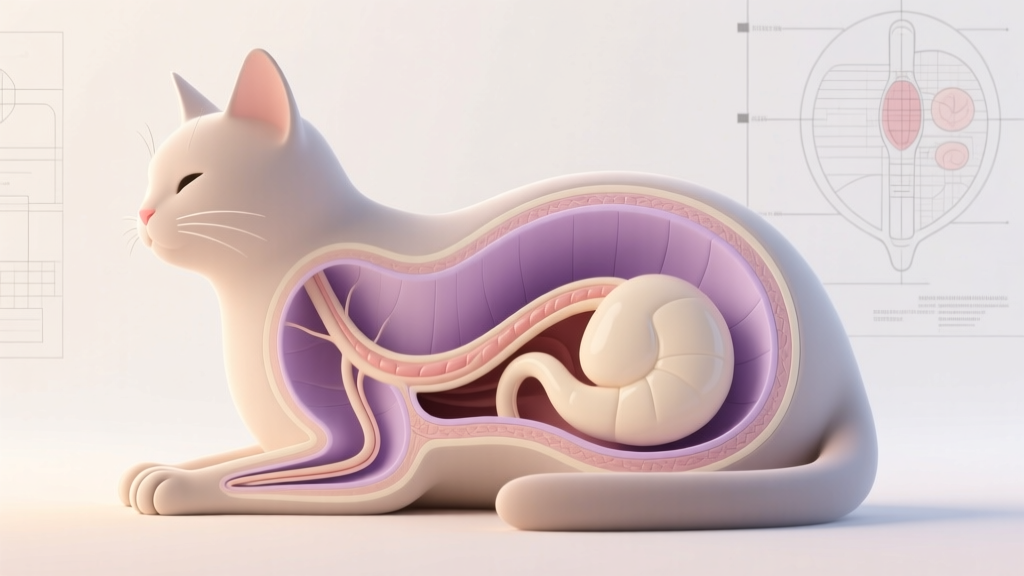
Your cat’s abdomen houses vital organs—intestines, liver, spleen, pancreas, bladder, and more. All of those organs sit within a space lined by a thin, slick membrane called the peritoneum. When that lining becomes inflamed, the condition is called peritonitis. It can range from mild and treatable to rapidly life-threatening depending on the cause.
For cat owners, peritonitis matters because the early signs can look like many other common issues (upset stomach, hiding, poor appetite), yet the underlying problem may require urgent veterinary treatment. Recognizing warning signs early and getting prompt care can make a major difference in outcome and comfort.
2. Overview: what peritoneal peritonitis is (plain-language medical explanation)
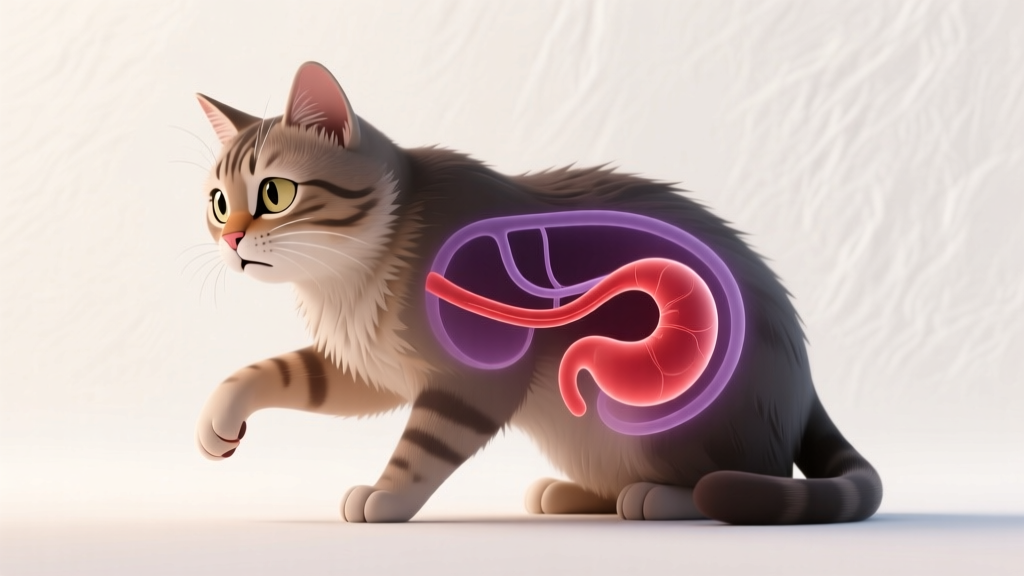
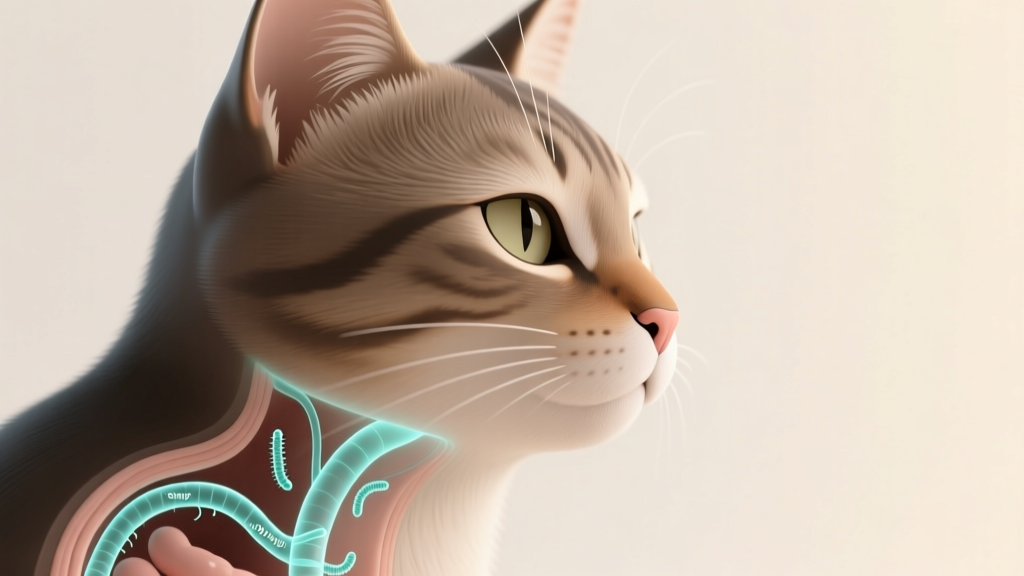
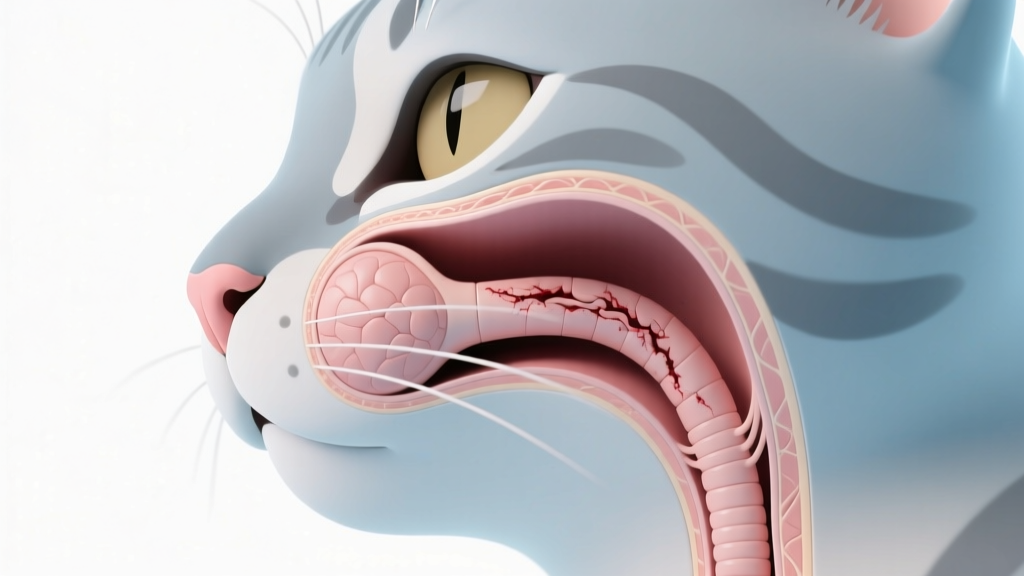
Peritonitis means inflammation of the peritoneum, the lining that coats the inside of the abdominal wall and covers many abdominal organs. Normally, this lining helps organs glide smoothly against one another. When it’s inflamed, it becomes painful and may produce fluid, and the abdomen can become a source of serious infection or chemical irritation.
Veterinarians often categorize peritonitis by what’s happening inside the abdomen:
- Septic peritonitis: bacteria (or occasionally other microbes) enter the abdominal cavity, causing infection. This is one of the most serious forms.
- Aseptic (non-septic) peritonitis: inflammation without bacterial infection. This can happen due to leakage of irritating substances like bile, urine, or pancreatic enzymes, or due to inflammatory diseases.
- Localized vs. generalized: inflammation may be limited to one area (localized) or spread through the abdomen (generalized). Generalized peritonitis is typically more severe.
- Effusive vs. non-effusive: some cases create significant fluid buildup (effusion/ascites), while others don’t.
One important note for cat owners: the term “peritonitis” is also part of the name of Feline Infectious Peritonitis (FIP), a specific disease linked to feline coronavirus. FIP is not the same thing as “peritonitis” in general, though it can cause inflammation of abdominal linings and fluid accumulation. Your veterinarian will help distinguish between causes because treatment and prognosis differ.
3. Symptoms and warning signs to watch for
Signs of peritonitis can be subtle at first. Cats are skilled at hiding pain, so changes in behavior often show up before obvious abdominal problems.
Common signs at home
- Decreased appetite or refusing food
- Lethargy, sleeping more, less interest in play
- Hiding or acting unusually withdrawn
- Vomiting and/or diarrhea (not always present)
- Abdominal pain: growling when picked up, tense belly, reluctance to move
- Abdominal swelling or a “pot-bellied” look (may indicate fluid)
- Fever (hard to confirm at home without a rectal thermometer)
- Dehydration: sticky gums, sunken eyes, poor skin elasticity
- Rapid or shallow breathing (pain, fever, or abdominal pressure can contribute)
Signs that can suggest a more serious situation
- Pale gums (possible shock or anemia)
- Weakness, collapsing, or inability to stand
- Very low body temperature (cats in shock can be cold rather than feverish)
- Sudden severe abdominal pain, crying out, or a “praying” posture
If you see ongoing vomiting, marked lethargy, abdominal distension, or your cat seems painful, contact a veterinarian the same day. If your cat is weak, pale, struggling to breathe, or collapsing, seek emergency care immediately.
4. Causes and risk factors
Peritonitis is a sign of an underlying problem, not a stand-alone diagnosis. The cause determines how urgent it is and what treatment is needed.
Common causes
- Gastrointestinal leakage: a hole or tear in the stomach or intestines lets bacteria and digestive contents enter the abdomen. Possible triggers include foreign bodies (string, bones), severe inflammation, ulcers, tumors, or trauma.
- Ruptured organs: bladder rupture (urine leakage), gallbladder/bile duct leakage (bile peritonitis), uterine infection with rupture (pyometra), abscess rupture, or liver/spleen issues.
- Pancreatitis: inflammation of the pancreas can release enzymes that irritate tissues and sometimes lead to significant abdominal inflammation.
- Post-surgical complications: rare but possible; leakage from an intestinal surgery site or infection after abdominal procedures.
- Penetrating wounds/trauma: bite wounds, falls, car accidents, or other injuries can introduce bacteria or damage organs.
- FIP: an inflammatory disease (often with abdominal fluid) that can mimic other forms of peritonitis.
Risk factors
- Outdoor access (higher risk of trauma, bites, foreign body ingestion)
- Chewing/playing with string-like objects (linear foreign bodies are especially dangerous)
- Not spayed females (risk for uterine infection)
- Prior abdominal surgery or chronic GI disease
- Multi-cat environments (increased risk of exposure to feline coronavirus; relevant for FIP risk)
5. Diagnosis: methods and what to expect at the vet
Diagnosing peritonitis usually involves confirming inflammation or infection in the abdomen and identifying the source. Expect your veterinary team to move quickly if your cat appears painful, dehydrated, or unstable.
Typical diagnostic steps
- Physical exam: checking hydration, gum color, abdominal pain, temperature, heart rate, and breathing.
- Bloodwork:
- CBC (white blood cell changes, anemia)
- Chemistry panel (kidney/liver values, electrolytes, protein levels)
- Glucose, lactate (help assess severity and perfusion)
- Imaging:
- X-rays may show fluid, gas patterns, foreign bodies, or organ changes.
- Ultrasound is often very helpful for spotting fluid pockets, intestinal issues, organ rupture, pancreatitis, or masses.
- Abdominocentesis (belly fluid sample): if fluid is present, the vet may collect a small sample with a needle for:
- Cytology (looking at cells and bacteria under a microscope)
- Culture and sensitivity (identifying bacteria and the best antibiotic)
- Biochemical comparisons (for example, comparing abdominal fluid creatinine to blood creatinine to suggest urine leakage)
- Testing for underlying causes: depending on findings, your vet may recommend FIV/FeLV testing, feline pancreatic lipase tests, or specific infectious disease testing when appropriate.
What this may look like for you
- Your cat may need hospitalization for stabilization (pain control, IV fluids) while diagnostics are performed.
- If the vet suspects septic peritonitis or organ rupture, they may recommend rapid surgical exploration once your cat is stable enough for anesthesia.
- You may be asked about string exposure, vomiting history, appetite changes, trauma risks, and litter box habits.
6. Treatment options (medical, surgical, and home care)
Treatment depends on the cause and severity. Many cases require aggressive care, and prompt professional treatment offers the best chance for recovery.
Medical (supportive) care
- IV fluids to correct dehydration, maintain blood pressure, and support organs.
- Pain control: safe, veterinarian-prescribed analgesics (often opioids in hospital). Do not give human pain medications.
- Antibiotics: especially crucial for suspected or confirmed septic peritonitis; often started immediately and then adjusted based on culture results.
- Anti-nausea medications and GI protectants if vomiting is present.
- Nutritional support: assisted feeding or feeding tubes may be recommended if your cat won’t eat.
- Monitoring: repeated bloodwork, electrolyte checks, temperature, blood pressure, and pain assessments.
Surgical care
Surgery is often needed when there’s a leak, rupture, obstruction, foreign body, or infected tissue that must be repaired or removed. Surgical goals include:
- Finding and correcting the source (repairing a rupture, removing a foreign body, addressing a perforation)
- Cleaning the abdomen (lavage/washout)
- Drains may be placed in select cases to allow continued fluid removal and monitoring
After surgery, cats typically need hospitalization for pain control, antibiotics, fluids, and careful monitoring.
Home care after discharge
Your role at home is vital for recovery. Follow your veterinarian’s instructions closely and call if anything seems off.
- Medication schedule: give antibiotics and pain meds exactly as prescribed; never stop antibiotics early unless instructed.
- Restricted activity: keep your cat calm and indoors; prevent jumping while the abdomen heals.
- Incision monitoring: check daily for swelling, redness, discharge, bad odor, or gaping.
- Appetite and hydration tracking: monitor food intake, water intake, and litter box output.
- Feeding tips: small, frequent meals; warmed food can improve appetite. Ask your vet before changing diets.
- E-collar or recovery suit: prevent licking/chewing at the incision.
7. Prevention strategies and early detection tips
Not every case is preventable, but many risks can be reduced. Practical steps you can start today:
- String safety: keep yarn, ribbon, hair ties, dental floss, and tinsel fully out of reach. Linear foreign bodies are a common cause of severe abdominal emergencies.
- Trash control: secure trash cans; avoid leaving cooked bones or fatty scraps accessible.
- Keep cats indoors or supervised outdoors to reduce trauma and bite wound risk.
- Spay females: reduces the risk of uterine infection (pyometra), which can be life-threatening.
- Routine wellness exams: subtle weight loss or chronic GI issues are easier to address early.
- Know your cat’s normal: appetite, activity level, stool quality, and litter box habits. Fast changes deserve a vet call.
Early detection tip: if your cat has repeated vomiting, a suddenly painful belly, or abdominal swelling, don’t “wait it out” for days. Cats can deteriorate quickly when abdominal disease is involved.
8. Prognosis and quality of life considerations
Prognosis depends on the underlying cause, how quickly treatment begins, and how sick your cat is at diagnosis.
- Better outlook is generally seen when the source is identified quickly and corrected (for example, prompt surgery for a foreign body before widespread infection occurs).
- More guarded outlook can occur with widespread septic peritonitis, delayed treatment, severe shock, or certain complex underlying diseases.
- FIP-related disease has its own prognosis and management considerations; your veterinarian can guide you on current options and what’s realistic for your cat’s case.
Quality of life is always part of decision-making. Cats recovering from abdominal inflammation may need time, nutritional support, and repeated checkups, but many can return to comfortable, happy routines with appropriate care. If treatment becomes prolonged or complications arise, ask your veterinarian to discuss pain control, appetite support, and clear goals for reassessment so you’re not navigating uncertainty alone.
9. When to seek emergency veterinary care
Seek emergency care immediately (same day, urgent/emergency hospital) if your cat has any of the following:
- Repeated vomiting with weakness or dehydration
- Sudden abdominal swelling or a belly that seems tight and painful
- Pale/white gums, cold extremities, or collapse
- Difficulty breathing or very rapid breathing
- Severe abdominal pain (crying, unable to get comfortable, growling when touched)
- Known or suspected string ingestion (especially if vomiting, drooling, or pawing at the mouth)
- No urine output, straining, or signs of urinary blockage (more common in males but always urgent)
If you’re unsure, call your veterinarian or an emergency clinic and describe the symptoms. It’s always appropriate to seek professional guidance—abdominal conditions in cats can escalate faster than they appear from the outside.
10. FAQ: Common questions from cat owners
Is peritonitis contagious?
Peritonitis itself is not contagious. It’s an inflammatory response inside your cat’s abdomen. If the cause is an infectious disease such as FIP (linked to feline coronavirus), that situation is more nuanced—many cats are exposed to feline coronavirus, but only a small percentage develop FIP. Your veterinarian can explain what’s relevant for your household.
Can a cat survive peritonitis?
Yes, many cats can survive, especially when the cause is found and treated promptly. Survival is most strongly influenced by how quickly care begins, whether the peritonitis is septic, and whether surgery is needed to fix a leak or rupture.
How can I tell if my cat’s belly pain is serious?
Any abdominal pain that comes with lethargy, vomiting, refusal to eat, a tight/swollen abdomen, or hiding is worth a same-day veterinary call. If your cat is weak, has pale gums, or seems unable to get comfortable, treat it as an emergency.
What should I do if I think my cat ate string?
Call a veterinarian right away. Do not pull string from the mouth or rectum—this can cause severe internal damage. Keep your cat calm and prevent access to food or string until you receive instructions from a professional.
Will antibiotics alone cure peritonitis?
Sometimes, but not always. If there’s a physical source (like an intestinal tear, foreign body, or ruptured organ), antibiotics alone usually aren’t enough—surgery may be required to stop ongoing contamination. Your veterinarian will decide based on imaging, fluid analysis, and overall stability.
What can I do at home to support recovery?
Follow medication directions precisely, keep activity restricted, monitor the incision and litter box, and track appetite and energy daily. If your cat eats less than expected, vomits, seems painful, or the incision looks abnormal, contact your veterinarian promptly—early adjustments can prevent setbacks.
If you’re worried your cat may be dealing with abdominal pain or fluid buildup, getting professional veterinary care quickly is the kindest and safest next step. For more cat health guides, symptom check tips, and prevention-focused resources, visit catloversbase.com.