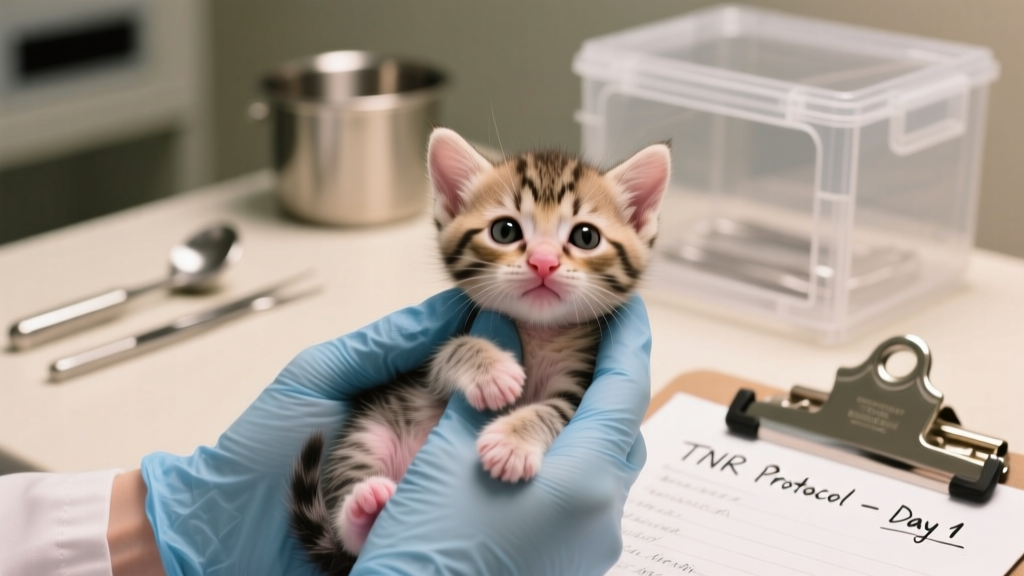
How to Care for a 14 Week Old Kitten: The Critical 7-Day Health & Socialization Checklist Every New Owner Misses (And Why Skipping It Risks Lifelong Anxiety or Illness)
Why This Exact Week Changes Everything
If you're wondering how to care for a 14 week old kitten, you've landed at the most pivotal juncture in your kitten’s development — not just another milestone, but a biological deadline. At 14 weeks, your kitten is physically robust enough to explore boldly, yet neurologically primed for lifelong emotional resilience — or vulnerability — depending on what happens *this week*. This isn’t hyperbole: veterinary behaviorists call this the 'second socialization window' — and it slams shut at 16 weeks. Miss it, and even the sweetest kitten may develop fear-based aggression, litter box avoidance, or chronic stress-related illnesses like feline interstitial cystitis. Worse? Many owners unknowingly undermine progress by over-handling, skipping booster vaccines, or misreading subtle signs of pain or anxiety. Let’s fix that — with precision, science, and zero fluff.
Vaccines, Parasites & Preventive Health: What Can’t Wait
At 14 weeks, your kitten is likely due for their final core vaccine boosters — and this timing is non-negotiable. According to the American Association of Feline Practitioners (AAFP), kittens require a minimum of three doses of FVRCP (feline viral rhinotracheitis, calicivirus, panleukopenia) spaced 3–4 weeks apart, with the final dose administered *at or after* 14 weeks to ensure full immunity. Why? Maternal antibodies wane unpredictably between 8–16 weeks — and giving the last shot too early leaves dangerous gaps. A 2022 study in the Journal of Feline Medicine and Surgery found that kittens receiving their final FVRCP at 14–16 weeks had 94% seroconversion vs. only 68% when given at 12 weeks.
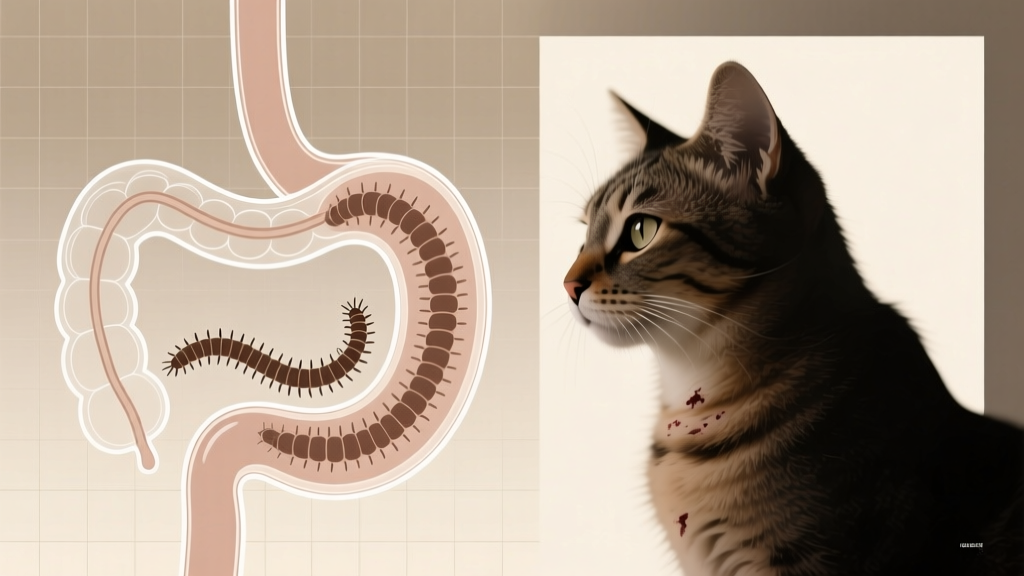
Parasite control is equally urgent. Even indoor-only kittens carry roundworms or hookworms from birth (transmitted via milk). At 14 weeks, they need their third broad-spectrum dewormer (e.g., fenbendazole or pyrantel pamoate), plus first-time testing for Giardia and Coccidia — both common causes of chronic soft stools that owners often mistake for 'just adjusting to new food.' Dr. Lena Torres, DVM and feline specialist at Cornell’s Feline Health Center, emphasizes: 'If your kitten has had two dewormings but still passes mucus or has intermittent diarrhea, don’t assume it’s behavioral — test before treating again.'
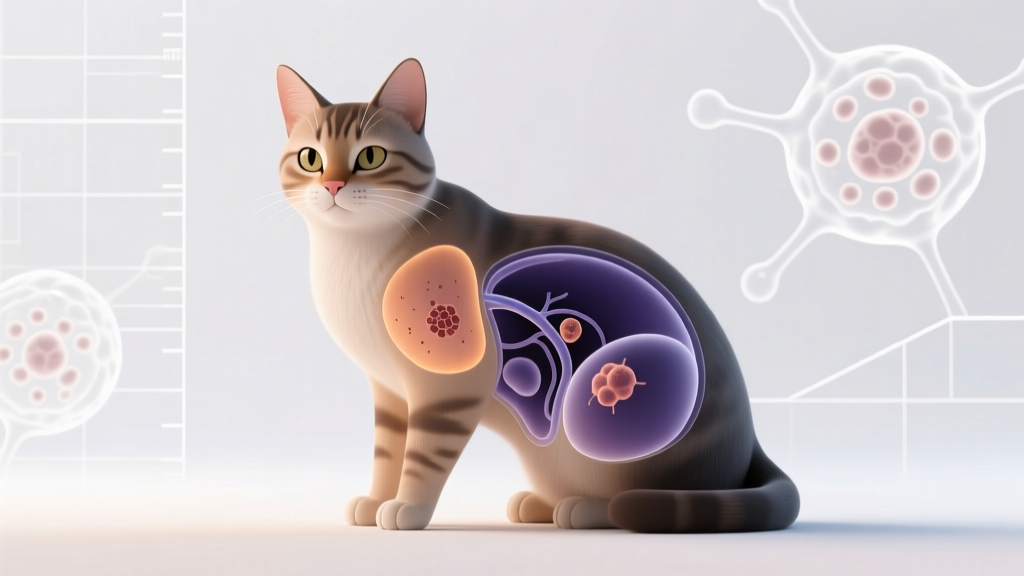
Also critical: your first comprehensive physical exam *with diagnostics*. Yes — even if your kitten seems perfect. Bloodwork (CBC + chemistry) and fecal PCR can catch subclinical kidney issues, anemia, or early hyperthyroidism (rare but possible in young cats with genetic predisposition). And don’t skip the dental check: 70% of cats show signs of gingivitis by 6 months — starting oral care now prevents painful periodontal disease later.
Nutrition Transition: When ‘Kitten Food’ Stops Being Optional
At 14 weeks, your kitten is growing at peak velocity — gaining up to 100g/week — and their nutritional needs are sharply distinct from adult cats. But here’s what most guides get wrong: switching to adult food *too soon* risks stunted growth, poor coat quality, and urinary crystal formation. Kitten food provides higher protein (35–40% DM), more taurine, DHA for brain development, and controlled calcium-to-phosphorus ratios critical for bone mineralization.
That said, overfeeding kitten food *past* 6 months can cause obesity — which affects 60% of adult cats and doubles diabetes risk. So how do you navigate this? Use body condition scoring (BCS), not weight alone. At 14 weeks, your kitten should have a visible waist when viewed from above, ribs easily felt but not seen, and no fat pad under the belly. If they’re already carrying extra weight, consult your vet *before* reducing calories — rapid weight loss in kittens triggers hepatic lipidosis.
A real-world example: Maya, a rescue tabby adopted at 12 weeks, developed loose stools and lethargy at 14 weeks. Her owner switched to grain-free adult food 'to be healthier.' Lab work revealed low taurine levels and mild dehydration. After reverting to high-quality kitten food and adding a taurine supplement, her energy returned in 4 days. Lesson? Nutrition isn’t about trends — it’s about developmental biology.
Socialization & Environmental Enrichment: The 14–16 Week Window You Can’t Reopen
This is where most well-meaning owners unintentionally create long-term problems. Between 14–16 weeks, kittens undergo a natural 'fear imprinting' phase — meaning novel experiences during this time are encoded more deeply than at any other age. A single traumatic event (e.g., loud vacuum noise, forced handling by strangers, or rough play with children) can trigger lasting phobias. Conversely, positive exposures build neural pathways for calm confidence.
Here’s your evidence-backed daily protocol:
- 3x/day, 5-minute sessions: Introduce one new stimulus — e.g., wearing sunglasses, holding a plastic bag, opening a drawer — while offering high-value treats (freeze-dried chicken). Never force interaction.
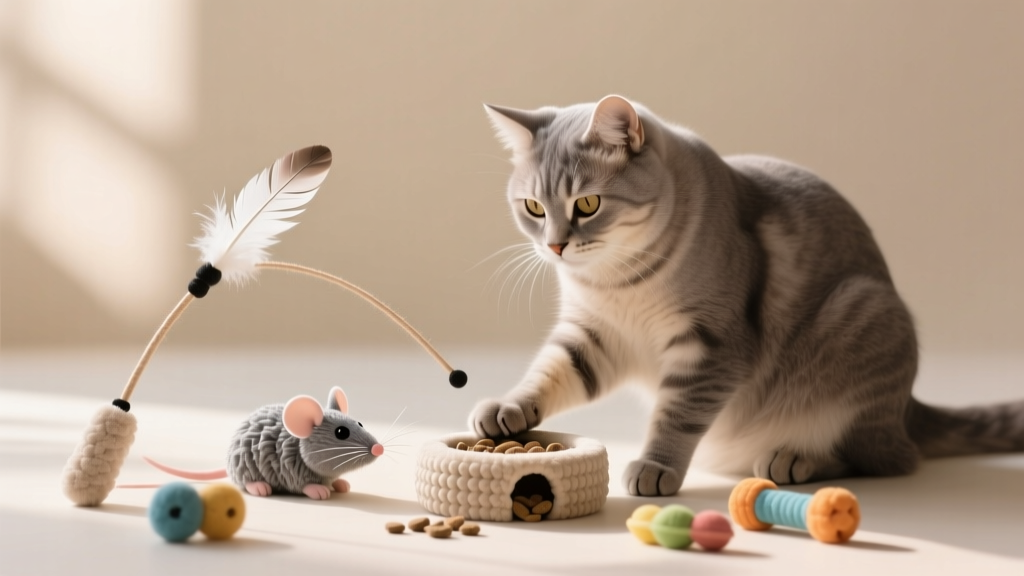
- Play = Predator Practice: Use wand toys (never hands!) to mimic prey movement — 2x15-min sessions daily. This satisfies hunting instincts *and* teaches bite inhibition. Kittens who don’t learn this by 16 weeks often redirect to ankles or furniture.
- Safe Space Mapping: Place 3–4 identical, covered beds in different rooms (not just one 'kitten corner'). This reduces territorial stress as they explore and builds confidence navigating multi-level homes.
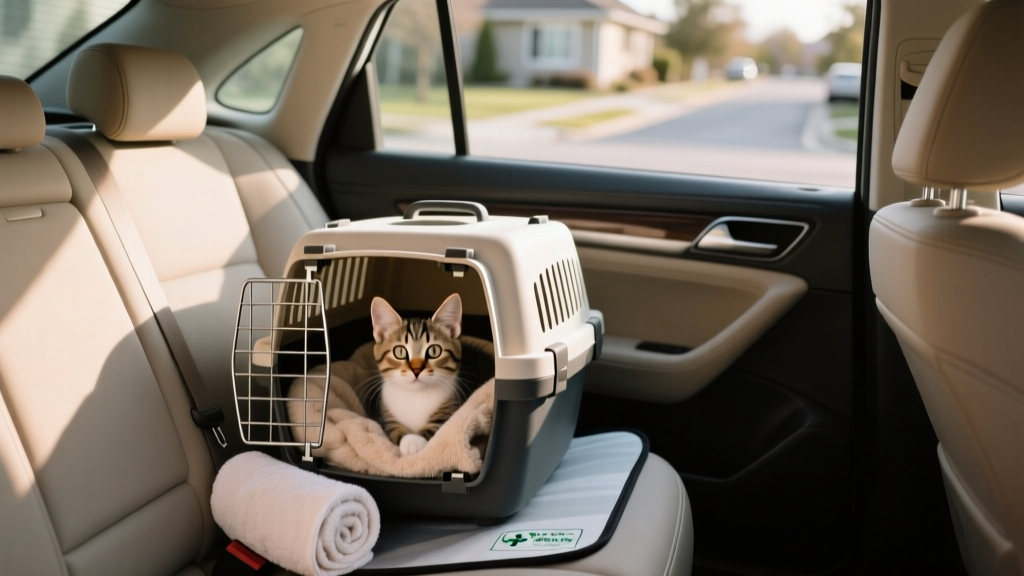
Dr. Mikel Delgado, certified cat behavior consultant, confirms: 'Kittens exposed to 3+ people, 2+ household sounds (doorbell, dishwasher), and 1+ carrier experience *before 16 weeks* are 5.3x less likely to resist vet visits as adults.'
Litter Box Mastery & Stress Signals: Reading the Real Signs
By 14 weeks, most kittens are reliably using the litter box — but 'reliably' doesn’t mean 'perfectly.' Accidents often signal underlying issues, not disobedience. Common culprits include urinary tract discomfort (especially in male kittens prone to crystals), substrate aversion (e.g., scented litter or noisy self-cleaning boxes), or anxiety from environmental change (new pet, baby, or even rearranged furniture).
Watch for these subtle stress markers — many owners miss them entirely:
- Over-grooming: Bald patches on inner thighs or belly — not just 'shedding.'
- Pupil dilation at rest: Consistently wide pupils in calm settings indicate sympathetic nervous system activation.
- Slow blink avoidance: If your kitten won’t return your slow blink, they feel unsafe — even if they purr.
Fix litter issues systematically: First, rule out medical causes with urinalysis. Then, optimize setup: one box per cat + one extra, unscented clumping litter, low-entry boxes placed in quiet, low-traffic zones. A 2023 UC Davis study showed kittens housed with ≥2 litter options (clay + paper) had 82% fewer accidents than those with only one type.
| Age Range | Key Developmental Milestones | Critical Actions (Must-Do This Week) | Risks of Delay |
|---|---|---|---|
| 14 weeks | Peak neuroplasticity; immune maturation; deciduous teeth fully shed | • Final FVRCP booster • Third deworming + fecal PCR • First full wellness exam + bloodwork • Begin structured socialization with 3+ novel stimuli |
• Vaccine failure → panleukopenia exposure • Chronic parasitism → stunted growth • Undiagnosed illness → progression • Fear imprinting → lifelong anxiety |
| 15 weeks | Hunting behavior solidifies; play-fight intensity peaks | • Introduce carrier with treats daily • Start nail trims using 'touch-treat-repeat' method • Rotate 2–3 puzzle feeders weekly |
• Carrier resistance → sedation for vet visits • Overgrown nails → tendon damage • Boredom → destructive scratching |
| 16 weeks | Socialization window closes; sexual maturity begins in some breeds | • Spay/neuter consultation (early-age surgery is safe & recommended) • Assess BCS & adjust food portions • Introduce brushing with soft-bristle brush |
• Unwanted pregnancy (even indoor females) • Obesity onset → lifelong metabolic disease • Coat matting → painful skin infections |
Frequently Asked Questions
Can I take my 14-week-old kitten outside?
No — not unsupervised, and not without precautions. At 14 weeks, your kitten lacks full immunity (final vaccines take 7–10 days to confer protection), and outdoor exposure risks parasites (ticks, fleas), predators, toxins, and traffic. If you want outdoor time, use a secure, escape-proof harness and leash — but only after 7 days post-final vaccine and supervised in your yard or balcony. Even then, avoid grassy areas where Baylisascaris (raccoon roundworm) eggs may be present — fatal to kittens.
My kitten bites and scratches during play — is this normal?
Yes — but it’s trainable *now*. At 14 weeks, kittens are refining predatory skills, and biting hands signals they haven’t learned bite inhibition. Stop all play immediately when teeth or claws touch skin, say 'ouch!' firmly, and walk away for 30 seconds. Redirect to wand toys. Never use your hands as toys. If biting persists beyond 16 weeks, consult a feline behaviorist — it may indicate redirected aggression or anxiety.
Should I switch to adult food at 14 weeks?
No. Most kittens need kitten-formulated food until 12 months (or 18 months for large breeds like Maine Coons). Their calorie, protein, and nutrient density requirements remain elevated. Switching early risks nutrient deficiencies — especially taurine, which supports heart and vision development. Wait until your vet confirms skeletal maturity via x-ray or physical exam, typically around 9–12 months.
How much sleep does a 14-week-old kitten need?
16–20 hours per day — but in short, intense bursts (15–30 min naps). Don’t mistake deep sleep for lethargy. True lethargy means unresponsiveness to toys, treats, or gentle petting — and warrants immediate vet evaluation. Normal kitten sleep includes twitching, whisker flicks, and occasional soft mews — signs of REM sleep essential for brain development.
Is it too late to adopt a second kitten for companionship?
Not if done strategically. While the ideal 'kitten pair' adoption is under 12 weeks, introducing a second kitten at 14–16 weeks can still work — but requires strict separation for 7 days, scent-swapping (rubbing towels on each), and neutral-space introductions. Avoid pairing with adult cats unless the adult is exceptionally tolerant. Two kittens together reduce loneliness-induced stress and teach appropriate play boundaries.
Common Myths About 14-Week-Old Kittens
Myth #1: 'They’re old enough to be left alone for 8 hours.'
Reality: At 14 weeks, kittens can’t regulate bladder/bowel control for more than 4–5 hours. Extended isolation causes stress, urinary issues, and destructive behavior. If you work full-time, arrange for a midday visit or adopt two kittens to keep each other company.
Myth #2: 'Vaccines are done after the first round — no need for boosters.'
Reality: Core vaccines require multiple doses to overcome maternal antibody interference. Skipping the 14-week booster leaves kittens vulnerable to deadly, highly contagious diseases — and many shelters report outbreaks linked to incomplete protocols.
Related Topics (Internal Link Suggestions)
- Kitten Vaccination Schedule — suggested anchor text: "complete kitten vaccination timeline"
- How to Socialize a Shy Kitten — suggested anchor text: "gentle kitten socialization techniques"
- Best Litter Boxes for Kittens — suggested anchor text: "low-entry litter boxes for young cats"
- When to Spay or Neuter a Kitten — suggested anchor text: "safe age for kitten spaying"
- Signs of Illness in Kittens — suggested anchor text: "subtle kitten illness symptoms"
Your Next Step Starts Today — Not Tomorrow
Caring for a 14-week-old kitten isn’t about perfection — it’s about informed intentionality. That final FVRCP booster, the third deworming, the 5-minute daily socialization session — these aren’t chores. They’re investments in resilience, longevity, and trust. Your kitten won’t remember the exact day you gave that vaccine, but their immune system will. They won’t recall the treat you offered during vacuum exposure, but their amygdala will register safety. So grab your calendar, circle today’s date, and commit to just *one* action from this guide before bedtime: schedule that wellness exam, open the dewormer, or place a second litter box near their favorite nap spot. Because at 14 weeks, every choice echoes — and the best time to shape a healthy, joyful life is right now.