Feline Baylisascaris: Raccoon Roundworm Neural Disease
1. Why this topic matters to cat owners
If you share your yard, neighborhood, or hiking trails with wildlife, your cat may be exposed to parasites that don’t normally circulate in typical “cat-to-cat” pathways. One of the most concerning is Baylisascaris procyonis, commonly called raccoon roundworm. While cats are not the usual host, they can become infected after contact with environments contaminated by raccoon feces—or by hunting prey that has encountered the parasite.
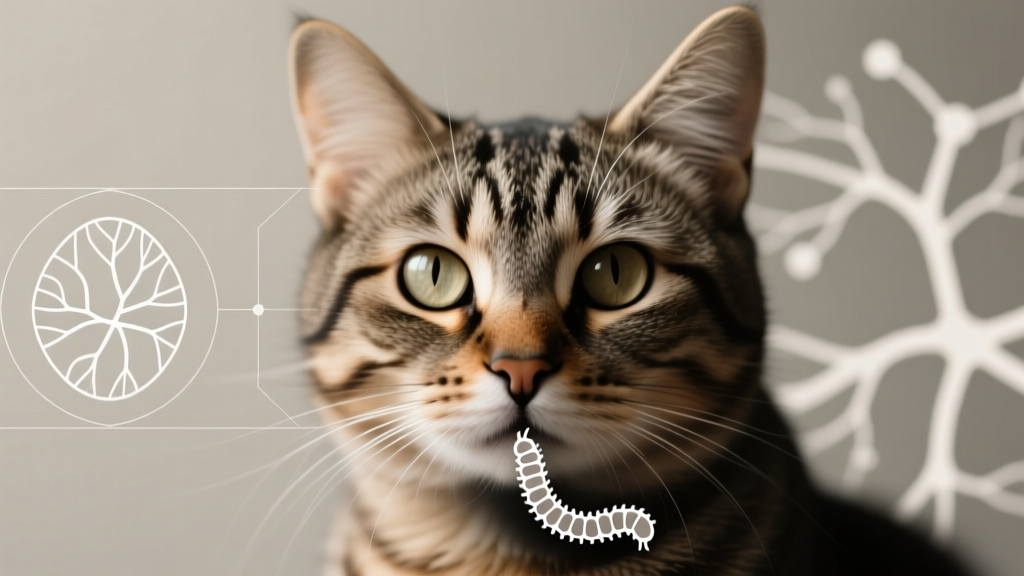
What makes Baylisascaris especially serious is its ability to cause neural larva migrans, a condition where immature worms (larvae) travel through the body and may enter the brain or spinal cord. This is uncommon, but when it happens it can be life-altering and requires urgent veterinary attention. Understanding the risks and taking a few practical prevention steps can dramatically reduce your cat’s exposure.
2. Overview: what Baylisascaris is and how it affects cats
Baylisascaris procyonis is an intestinal roundworm of raccoons. Adult worms live in the raccoon’s gut and produce microscopic eggs that leave the body in feces. These eggs can survive in soil for a long time and may become infectious after they mature in the environment.
In cats, Baylisascaris exposure can lead to two main outcomes:
- Intestinal infection (less common): In some animals, larvae develop into adult worms in the intestine. Cats are not the preferred host, so this is not the typical scenario, but it can occur.
- Larval migration (most concerning): More often in “accidental hosts” (animals that aren’t the normal host), larvae hatch and then travel through tissues. If they enter the eyes, brain, or spinal cord, they can cause severe inflammation and damage. This is where the term neural disease comes from.
Because the nervous system is delicate, even a small number of larvae can cause significant symptoms. The earlier the condition is recognized and treated, the better the chances of limiting damage.
3. Symptoms and warning signs to watch for
Signs depend on where larvae migrate. Many symptoms look similar to other neurological problems, so any sudden change in movement, behavior, or vision should be taken seriously.
Possible neurological signs
- Sudden wobbliness, stumbling, or loss of balance
- Head tilt or circling
- Weakness in one or more legs, trouble jumping, collapsing
- Tremors or unusual twitching
- Seizures
- Changes in mentation: confusion, spacing out, unusual vocalizing, seeming “not themselves”
Possible vision or eye-related signs
- Bumping into objects, misjudging distances
- Sudden vision loss
- Abnormal pupil size or response to light
- Eye inflammation, redness, or squinting
General or nonspecific signs
- Reduced appetite, lethargy
- Weight loss over time
- Vomiting (not specific to Baylisascaris, but worth mentioning to your vet)
Act now tip: If your cat develops new neurological symptoms (wobbliness, seizures, sudden weakness), treat it as urgent. Video clips of abnormal walking or episodes can help your veterinarian assess changes that may not occur in the exam room.
4. Causes and risk factors
Cats become exposed when they ingest infective Baylisascaris eggs or larvae. Common risk factors include:
- Outdoor access: Cats who roam have more opportunities to contact contaminated soil or raccoon latrines.
- Hunting behavior: Rodents and birds can act as intermediate hosts after ingesting eggs; cats that hunt may ingest larvae from prey tissues.
- Raccoon activity around the home: Raccoons often create “latrines” (repeated defecation sites) on flat surfaces such as decks, roofs, woodpiles, sandboxes, and at the base of trees.
- Curious kittens and young cats: Younger animals may be more likely to investigate and ingest contaminated material, and smaller bodies can be more affected by larval migration.
- Shared outdoor spaces: Community gardens, parks, and playgrounds can harbor contaminated soil if raccoons are present.
Even indoor cats can be exposed in certain situations, such as contaminated soil brought in on shoes, or if raccoons access attics, garages, or crawl spaces near the home.
5. Diagnosis: what to expect at the vet
Diagnosing Baylisascaris-related neural disease can be challenging because many neurological conditions look similar. Your veterinarian’s goal is to stabilize your cat, rule out other causes, and evaluate whether Baylisascaris exposure is plausible based on history and test results.
History and physical/neurological exam
- Questions about outdoor access, hunting, raccoon sightings, and any known latrine sites
- Full neurological exam to identify which parts of the nervous system may be affected
- Eye exam if vision changes are suspected
Common diagnostic tests
- Fecal testing: A fecal flotation may detect roundworm eggs if there is an intestinal infection, but a negative test does not rule out larval migration.
- Bloodwork: Helps assess overall health, inflammation, organ function, and rule out metabolic causes of neurological signs.
- Imaging: MRI (and sometimes CT) can help evaluate brain and spinal cord inflammation or lesions. Imaging is also important to rule out stroke, tumors, trauma, or other inflammatory diseases.
- CSF (spinal fluid) analysis: May show inflammation consistent with infectious or parasitic disease. This requires anesthesia and is recommended only when appropriate for your cat’s stability.
- Infectious disease testing: Depending on region and symptoms, your vet may test for other conditions that mimic these signs.
What owners can do right away: If you suspect raccoon exposure, tell your veterinarian specifically. Mention any raccoon latrine sites, prey hunting, or recent outdoor adventures. This history can meaningfully influence how quickly antiparasitic therapy is started.
6. Treatment options (medical, surgical, home care)
Treatment is most effective when started early—ideally before extensive nervous system damage occurs. Therapy generally aims to:
- Kill migrating larvae
- Reduce inflammation in the brain/spinal cord
- Manage symptoms (seizures, nausea, pain, dizziness)
- Support nutrition, hydration, and safety during recovery
Medical treatment
- Antiparasitic medications: Your veterinarian may prescribe dewormers effective against migrating larvae. The specific drug and duration depend on your cat’s condition and local veterinary protocols.
- Anti-inflammatory medications: Inflammation is a major driver of symptoms and damage. Your vet may use corticosteroids or other anti-inflammatory strategies when appropriate.
- Anti-seizure medications: If seizures occur, your cat may need ongoing seizure control.
- Supportive care: Fluids, anti-nausea meds, appetite support, and temperature control may be needed, often in a hospital setting.
Surgical treatment
Surgery is not typically used for neural larva migrans itself. However, if diagnostics reveal another treatable structural problem (for example, an abscess, mass, or foreign body), surgical intervention may be recommended based on those findings.
Home care and recovery support
If your cat is stable enough to recover at home, your veterinarian may recommend:
- Strict indoor confinement during recovery to prevent falls and reduce stress
- Safe setup: Keep food, water, and litter box on one level; use low-sided boxes; block stairs if your cat is unsteady
- Medication routine: Give medications exactly as directed; do not stop steroids or seizure meds abruptly
- Appetite and hydration monitoring: Track eating, drinking, and litter box output daily
- Follow-up visits: Neurological cases often need rechecks to adjust medications and monitor improvement
Always consult a veterinarian: Never try to “treat at home” with over-the-counter dewormers without guidance. Wrong products, doses, or timing can delay effective care.
7. Prevention strategies and early detection tips
Prevention focuses on reducing exposure to raccoon feces and infected prey, plus maintaining routine parasite control.
Practical prevention steps you can start today
- Keep cats indoors or supervise outdoor time with a harness/catio to reduce hunting and soil exposure.
- Use veterinarian-recommended parasite prevention year-round, especially for cats with any outdoor access.
- Discourage raccoons around your home: Secure trash, feed pets indoors, remove fallen fruit, and seal entry points to attics/crawl spaces.
- Identify and avoid raccoon latrines: Common sites include woodpiles, decks, rooftops, sandboxes, and the base of large trees.
- Practice careful cleanup: If you suspect a latrine, contact wildlife control or local public health guidance. Eggs can be very hardy; cleanup requires appropriate protective measures.
- Protect children and pets from sandboxes: Keep sandboxes covered when not in use.
Early detection tips
- Schedule regular wellness exams and fecal testing as recommended by your veterinarian.
- Watch for subtle changes: a mild wobble, hesitation to jump, or new clumsiness can be an early clue.
- Seek veterinary advice promptly after known exposure (for example, your cat was found investigating raccoon feces or caught prey near a latrine site).
8. Prognosis and quality of life considerations
The prognosis varies widely. Cases caught early—before extensive brain or spinal cord damage—may have a better chance of improvement with aggressive treatment. If neurological damage is severe, some cats can be left with lasting deficits such as balance problems, weakness, or vision impairment.
Quality of life is the guiding principle. Many cats with mild to moderate deficits can still enjoy a comfortable life with:
- Indoor living and a predictable environment
- Home modifications (ramps, steps, non-slip rugs)
- Medication for seizures or inflammation as directed
- Assisted grooming or litter box adjustments if mobility is limited
Your veterinarian can help you assess progress using practical measures: appetite, social behavior, mobility, grooming, and comfort level.
9. When to seek emergency veterinary care
Contact an emergency veterinarian immediately if your cat has any of the following:
- Seizure activity (especially repeated seizures or a seizure lasting more than a few minutes)
- Sudden inability to stand or walk
- Severe disorientation, collapse, or unresponsiveness
- Rapidly worsening wobbliness or weakness
- Sudden blindness or suspected severe eye pain
- Difficulty breathing or blue/pale gums
If you suspect recent exposure to raccoon feces or a raccoon latrine and your cat is showing neurological signs, treat it as an urgent situation—early care can make a real difference.
10. FAQ: common questions from cat owners
Can cats get Baylisascaris from raccoons directly?
Not usually through direct contact with a raccoon. The more common route is exposure to environmental contamination (soil, surfaces, or objects contaminated with raccoon feces) or by eating infected prey. If raccoons frequent your property, the environment can become a risk zone.
Is Baylisascaris contagious from my cat to other pets or people?
Baylisascaris is primarily a raccoon parasite. If a cat develops an intestinal infection (uncommon), eggs could potentially be shed in feces, which is why good litter box hygiene matters. The bigger concern for households is shared exposure to contaminated outdoor environments. If you’re worried about human exposure, consult your physician or local public health resources, and discuss your cat’s risk with your veterinarian.
Will routine deworming prevent neural disease?
Routine parasite prevention can reduce risk, but no plan is perfect. Neural disease occurs when larvae migrate through tissues, and timing matters—once migration and inflammation are underway, treatment is more complex. The best protection is a combination of veterinarian-guided parasite control, limiting outdoor hunting, and avoiding raccoon latrine exposure.
My cat hunted a mouse. Should I panic?
No. Most hunting episodes do not lead to Baylisascaris disease. That said, hunting is a known risk factor for several parasites and infections. If your cat is a frequent hunter, talk with your veterinarian about a prevention plan and fecal testing schedule. If neurological symptoms appear at any time, seek veterinary care promptly.
How soon do symptoms appear after exposure?
Timing can vary depending on the number of larvae ingested and where they migrate. Symptoms may develop over days to weeks. Because the timeline isn’t reliable, focus on prevention and get veterinary advice quickly if you suspect exposure—especially if any wobbliness, weakness, or vision changes occur.
What should I tell the vet if I suspect raccoon roundworm exposure?
Bring specific details:
- Whether your cat goes outdoors and hunts
- Any raccoon sightings or known latrine locations on your property
- When you first noticed symptoms and how they’ve progressed
- Videos of abnormal walking, tremors, or episodes
- Any recent vomiting, appetite changes, or behavior changes
If you’re concerned your cat may have been exposed to raccoon roundworm—or if you’ve noticed any new neurological or vision changes—schedule a veterinary exam right away. With prompt professional care and smart prevention, many cats can stay safe and enjoy a healthy life.
For more practical cat health guidance, parasite prevention tips, and wellness resources, visit catloversbase.com.