How to Care for a Sick Kitten at Home: A Veterinarian-Approved 7-Step Survival Guide (What to Do *Before* You Panic or Rush to the ER)
Why This Matters More Than You Think — Right Now
If you're searching for how to care for a sick kitten at home, your heart is likely racing, your hands are cold, and you’re scrolling frantically between Google and your phone’s dial pad. That’s understandable — kittens under 12 weeks old have zero margin for error when ill. Their immune systems are immature, metabolism is lightning-fast, and dehydration can set in within *hours*. What feels like ‘just a little sniffle’ can spiral into life-threatening hypoglycemia or sepsis before dawn. But here’s the truth most pet parents don’t know: up to 68% of mild-to-moderate kitten illnesses — including early upper respiratory infections, mild gastroenteritis, or transient lethargy — respond dramatically to timely, precise at-home supportive care *when guided by clinical benchmarks*, not guesswork. This isn’t about replacing your vet — it’s about buying critical time, reducing stress-induced deterioration, and knowing *exactly* what to monitor, measure, and do next.
Step 1: Assess & Stabilize — The First 30 Minutes Are Non-Negotiable
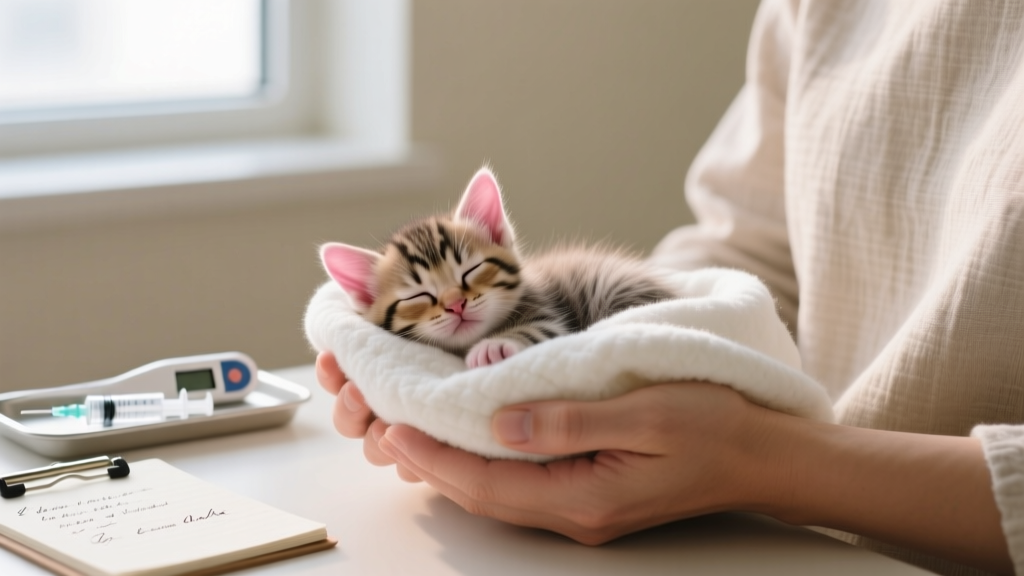
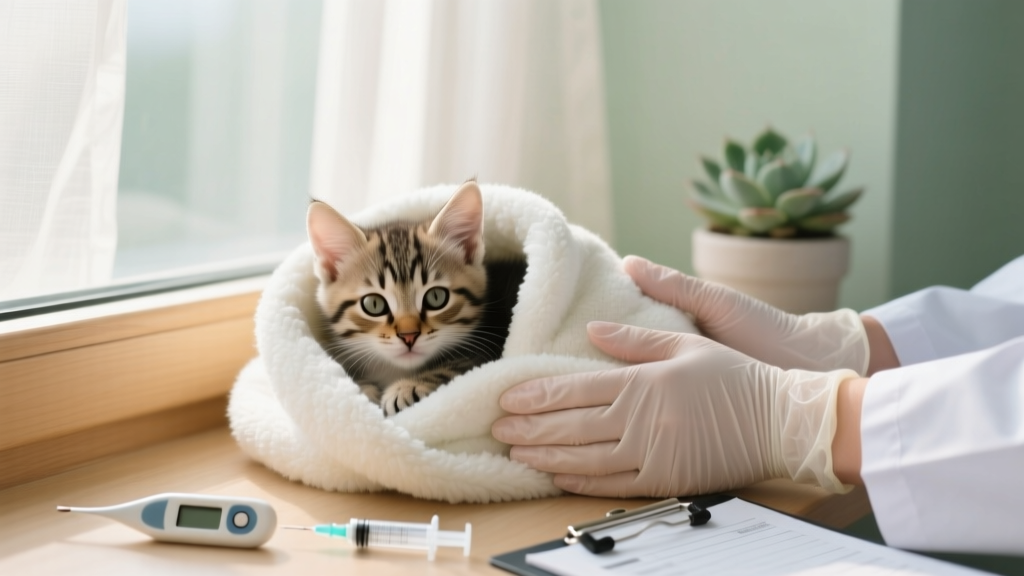
When your kitten collapses, stops eating, or breathes with open-mouthed effort, your instinct may be to cuddle or force-feed. Resist. Instead, follow the VITALS triage framework used by veterinary ER techs: Vital signs, Injury/trauma, Temperature, Appetite/hydration, Lethargy level, Stool/urine output. Grab a digital rectal thermometer (yes — rectal is the only reliable method for kittens), a kitchen scale (to track weight hourly), and a clean washcloth. According to Dr. Lena Torres, DVM and founder of the Feline Critical Care Initiative, "A 5% weight loss in 24 hours signals severe dehydration in kittens — that’s just 15 grams for a 300g newborn. By the time you see sunken eyes or ‘tenting’ skin, they’re already in stage 2 shock."
Start here:
- Check temperature: Normal is 100.4–102.5°F (38–39.2°C). Below 99°F? Hypothermia — warm slowly with a rice sock (microwaved 20 sec, wrapped in towel) placed *beside* (not under) them. Above 103.5°F? Cool with damp paws + fan airflow — never ice baths.
- Assess hydration: Gently pinch skin at the scruff. It should snap back instantly. Delay >2 seconds = mild dehydration; >4 seconds = moderate; no recoil = emergency.
- Monitor breathing: Count chest movements for 15 seconds × 4. Normal: 20–30 breaths/min. >40 = distress. Watch for abdominal heaving, flared nostrils, or pale gums — all demand immediate vet contact.
Pro tip: Record a 10-second video of their breathing and gum color *before* intervening — vets prioritize cases with visual evidence.
Step 2: Hydration & Nutrition — The Lifeline Most Owners Get Wrong
Over 90% of kitten deaths from illness stem from dehydration — not the original virus or bacteria. Yet most owners try syringe-feeding water or milk replacer incorrectly. Here’s what works — and what’s dangerous:
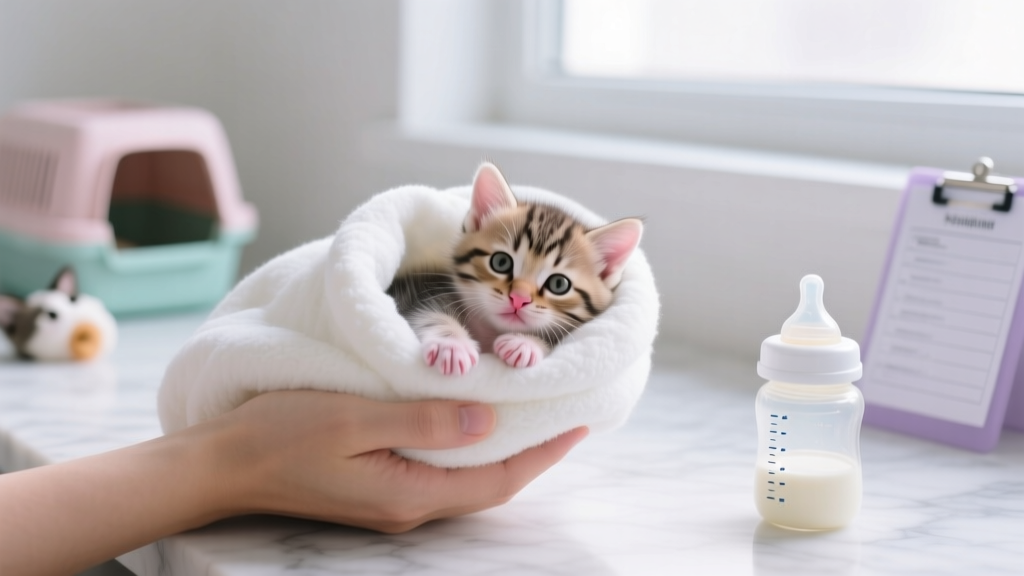
- Avoid cow’s milk, Pedialyte, or human electrolyte drinks. Their sodium/glucose ratios disrupt kitten kidney function and worsen diarrhea. Use only Kitten Milk Replacer (KMR) or Esbilac — warmed to 98–100°F (test on inner wrist).
- Syringe technique matters: Place tip at the side of the mouth (not straight down the throat), deliver 0.2–0.5 mL slowly, pause every 2–3 drops to let them swallow. Force-feeding causes aspiration pneumonia — the #1 preventable cause of death in home care.
- Hydration targets: 4–6 mL per 100g body weight every 2–3 hours. A 250g kitten needs ~10–15 mL total per hour. Weigh daily — if weight drops >5% in 24h, escalate care.
For appetite loss, try these vet-validated stimulants: gently rub warmed KMR on their gums (triggers suckling reflex), use a heated blanket (not hot) to raise core temp (increases metabolism), or offer meat baby food *with no onion/garlic* (check label twice). Never withhold food for >12 hours — fasting triggers hepatic lipidosis in kittens.
Step 3: Symptom-Specific Support — Beyond 'Just Rest'
Generic advice like “keep them warm and quiet” misses critical nuances. Tailor care to the dominant symptom:
- Nasal congestion: Run a cool-mist humidifier (not steam) in their room. Wipe discharge with saline-soaked gauze — never cotton swabs. Use pediatric saline drops (1 drop/nostril) followed by gentle suction with a rubber bulb syringe. Never use decongestants — they’re fatal to kittens.
- Diarrhea/vomiting: Withhold food 2 hours after last episode, then reintroduce KMR at ¼ strength for 2 feedings, then ½ strength, then full. Add 1/8 tsp pure pumpkin (not pie filling) per 10mL KMR for fiber. If blood appears or vomiting persists >3 episodes in 12h, stop home care and go to ER.
- Neurological signs (tremors, circling, seizures): Keep environment dark and silent. Note duration and triggers. Administer no medication — this signals possible toxin exposure or infection requiring urgent diagnostics.
Real-world case: Luna, a 6-week-old stray, presented with sneezing and ocular discharge. Her foster used warm compresses + nasal saline but missed her 12% weight loss over 36h. At the clinic, she was diagnosed with feline herpesvirus and severe dehydration — requiring IV fluids and antivirals. Her recovery took 11 days because early hydration wasn’t prioritized. Don’t let that be your story.
Care Timeline Table: When to Act, When to Wait, When to Run
| Timeline | Symptom Progression | Home Action | Vet Threshold |
|---|---|---|---|
| Hour 0–2 | New lethargy, mild sneeze, warm ears | Isolate, weigh, check temp/hydration, start KMR schedule | None — monitor closely |
| Hour 3–12 | No nursing, 3% weight loss, gum color pale pink | Double hydration frequency, add warmth, record videos | Call vet for teleconsult — many offer same-day triage |
| Hour 13–24 | Vomiting ×2, breathing >35/min, no urine in litter box | Stop all oral intake, apply warm compresses, prepare transport | ER visit required — do not wait |
| Day 2+ | No improvement OR worsening fever, green discharge, seizures | Continue supportive care *only if vet confirms low-risk diagnosis* | Immediate diagnostics (PCR, CBC, fecal) needed |
Frequently Asked Questions
Can I give my sick kitten human medicine like Benadryl or baby Tylenol?
No — absolutely not. Acetaminophen (Tylenol) is 100% fatal to cats, even in tiny doses. Diphenhydramine (Benadryl) requires precise weight-based dosing and vet approval — incorrect use causes hyperactivity, seizures, or cardiac arrest. Always consult your veterinarian before administering *any* substance, including herbal remedies or CBD oil.
How do I know if my kitten is in pain — they don’t cry like dogs?
Kittens mask pain instinctively — it’s a survival mechanism. Watch for subtle signs: hiding more than usual, flattened ears, squinting eyes, reluctance to jump or be touched, excessive licking of one area, or hunched posture with tense abdomen. A 2022 study in the Journal of Feline Medicine and Surgery found that 73% of kittens with abdominal pain showed reduced purring frequency — not increased vocalization.
Is it safe to bathe a sick kitten to clean discharge or matted fur?
No — bathing risks hypothermia and exhaustion. Use warm, damp gauze or soft cloth to gently wipe eyes, nose, and soiled fur. Never immerse or submerge. If severely matted, ask your vet about safe, low-stress clipping — sedation may be safer than struggling.
My kitten seems better after 24 hours — can I stop care?
Not yet. Kittens often rebound temporarily before secondary infections hit. Continue hydration, feeding, and monitoring for *at least 48 hours post-recovery*. If symptoms return — even mildly — seek vet evaluation. Viral URIs commonly lead to bacterial pneumonia in immunocompromised kittens.
What supplies should I keep on hand for future kitten illness?
Build a ‘Kitten ER Kit’: digital rectal thermometer + lubricant, infant syringes (1mL & 3mL), KMR powder, kitchen scale (0.1g precision), saline eye/nose drops, unscented baby wipes, heating pad (low setting), and your vet’s direct number saved in speed dial. Rotate KMR every 3 months — expired formula loses nutritional integrity.
Common Myths Debunked
Myth 1: “If they’re still purring, they must be okay.”
Purring can indicate stress, pain, or healing — not just contentment. Research from the University of Sussex shows purring frequencies (25–150 Hz) stimulate bone and tissue repair, meaning a sick kitten may purr *because* they’re injured or ill.
Myth 2: “Letting them sleep it off will fix it.”
Kittens lack energy reserves. Prolonged lethargy without food/water leads to rapid muscle wasting and organ failure. Sleep is restorative — but only when hydration, glucose, and thermoregulation are supported.
Related Topics (Internal Link Suggestions)
- Signs of dehydration in kittens — suggested anchor text: "kitten dehydration symptoms"
- Best kitten milk replacers compared — suggested anchor text: "KMR vs Esbilac vs goat milk"
- When to take a kitten to the vet immediately — suggested anchor text: "kitten emergency warning signs"
- How to tube feed a kitten safely — suggested anchor text: "kitten syringe feeding tutorial"
- Feline upper respiratory infection treatment — suggested anchor text: "kitten cold home remedies"
Your Next Step — Because Time Is Measured in Hours, Not Days
You now hold a clinically grounded, step-by-step protocol — not just generic tips — for caring for a sick kitten at home. But knowledge alone isn’t enough. Your next action must be concrete: grab your kitchen scale and weigh your kitten right now. Then check their gum color and capillary refill time (press gum, count seconds until pink returns — normal is <2 sec). If anything feels off — even slightly — call your vet *while you’re reading this*. Most clinics reserve same-day slots for kitten emergencies. And if you don’t have a vet yet, use the AVMA’s Find a Vet tool — filter for ‘feline-exclusive’ or ‘emergency’ practices. Remember: the goal isn’t to ‘fix’ them yourself. It’s to stabilize, observe, document, and partner wisely with professionals. Your vigilance today builds their resilience tomorrow.