Feline Systemic Lupus: Autoimmune Disease Overview
1. Why this health topic matters to cat owners
When your cat isn’t acting like themselves—maybe they’re limping one day, tired the next, or suddenly refusing food—it’s natural to worry. Some illnesses are straightforward, like an infection that clears with treatment. Others are more confusing and unpredictable. Systemic lupus erythematosus (often shortened to “systemic lupus” or “SLE”) falls into that second category because it can affect multiple body systems and cause symptoms that seem unrelated.
SLE is considered rare in cats, but it’s still worth understanding because early veterinary attention can make a meaningful difference in comfort and long-term management. This article explains what feline systemic lupus is, what signs to watch for, what your veterinarian may do to diagnose it, and how you can support your cat at home.
2. Overview of feline systemic lupus (SLE) in plain language
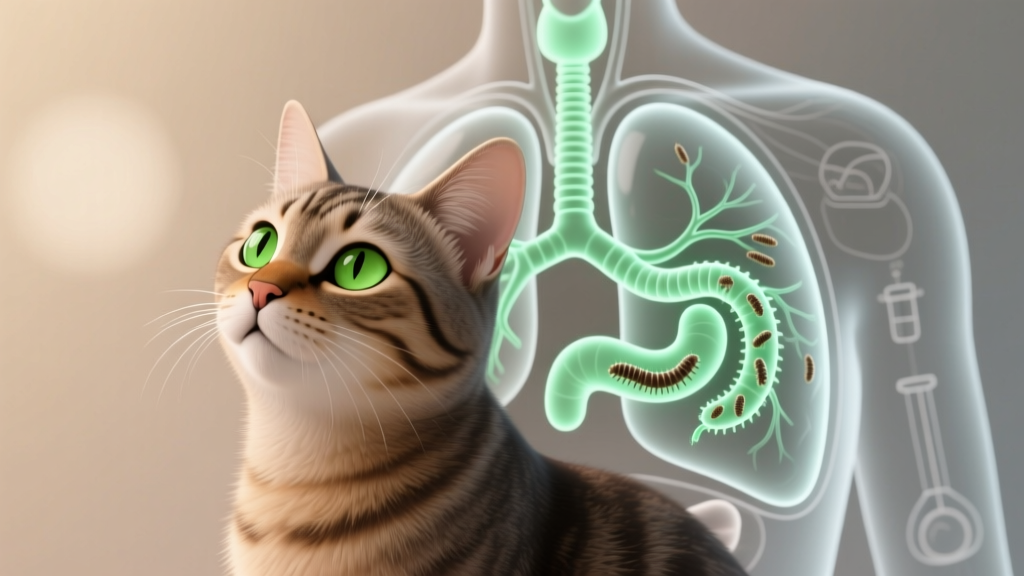
Systemic lupus erythematosus is an autoimmune disease. That means the immune system—your cat’s internal defense system—mistakenly targets the body’s own tissues.
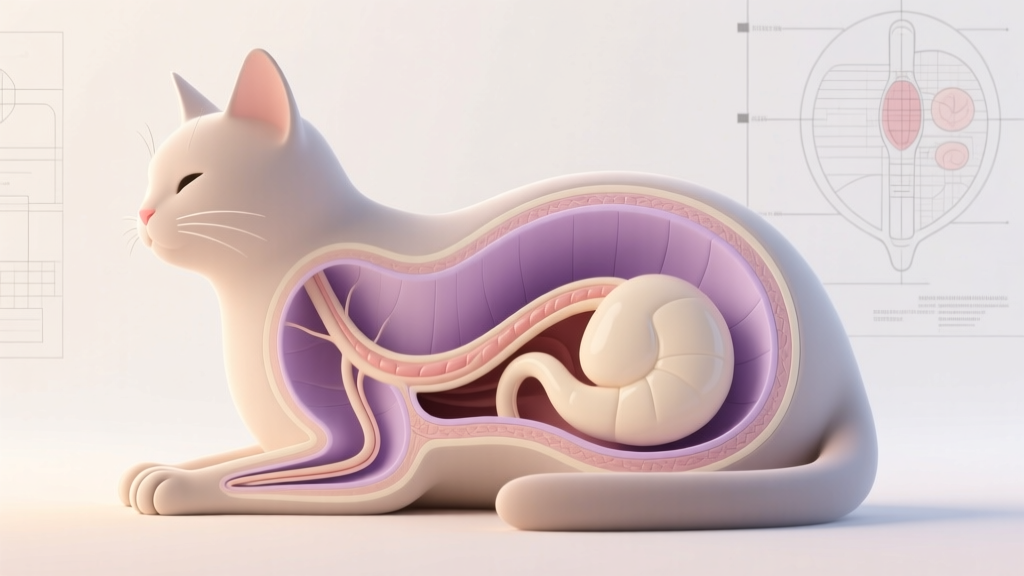
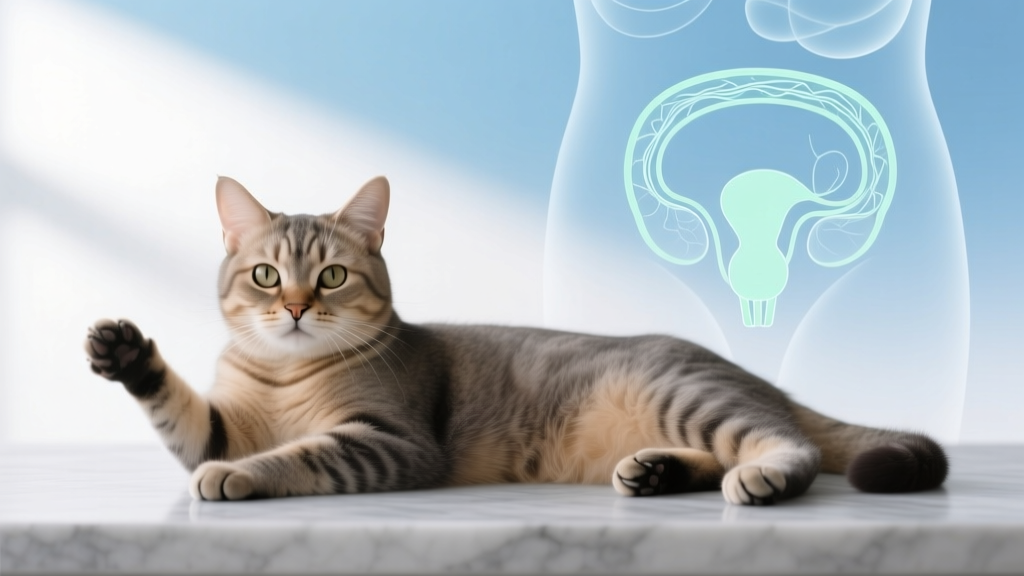
In SLE, the immune system can create antibodies that form “immune complexes.” These complexes may circulate in the bloodstream and get deposited in different areas of the body (such as kidneys, joints, skin, or blood vessels). When they settle, they can trigger inflammation and tissue damage.
Why SLE can be confusing: because it doesn’t affect every cat the same way. One cat may mainly show joint pain and fever, while another may have kidney involvement or skin issues. Symptoms may also come and go, sometimes called “flare-ups” and “remissions.”
SLE vs. discoid lupus (DLE): Some cats can develop a more localized form of lupus affecting primarily the skin (often called discoid lupus). This article focuses on systemic lupus, which involves the whole body and may affect internal organs.
3. Symptoms and warning signs to watch for
Because SLE can involve many systems, the signs can be varied. Contact your veterinarian if you notice any of the following, especially if symptoms are recurring or affecting multiple areas of health.
Common signs owners may notice
- Lethargy or reduced energy
- Decreased appetite or unexplained weight loss
- Fever (often comes and goes; may show up as hiding, warmth, or “just not right” behavior)
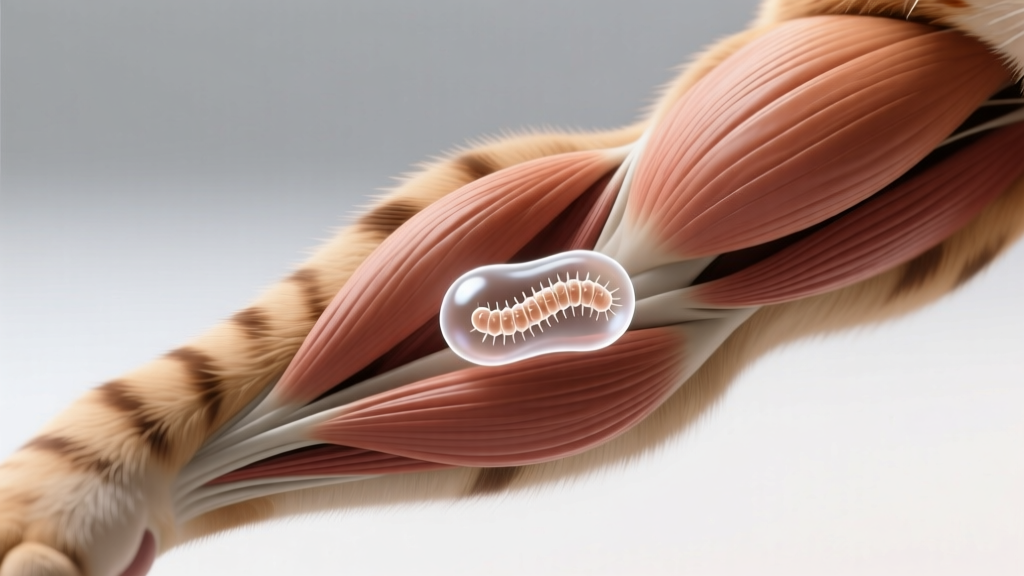
- Lameness or stiffness that may shift from one leg to another
- Joint pain (reluctance to jump, sensitivity to touch)
- Swollen lymph nodes (you may feel “pea-sized” lumps under the jaw, in front of shoulders, or behind knees)
Possible skin and coat changes
- Skin sores, crusting, or scabs (often on face, ears, nose, or around the mouth)
- Hair loss in patches
- Increased sensitivity to sunlight (some autoimmune skin conditions worsen with UV exposure)
Signs that may suggest organ involvement
- Increased thirst and urination (possible kidney involvement)
- Vomiting or diarrhea
- Abdominal swelling (fluid buildup can occur with severe inflammation or low blood protein)
- Pale gums (anemia) or unusual bruising/bleeding (platelet problems)
- Rapid breathing or exercise intolerance
Practical tip: Keep a simple symptom journal for 1–2 weeks. Note appetite, energy, litter box habits, and any limping or skin flare-ups. Patterns help your veterinarian narrow down possible causes.
4. Causes and risk factors
In most cats, there isn’t one single cause that can be identified. SLE is generally thought to develop from a mix of factors.
- Immune dysregulation: The immune system becomes overly reactive or misdirected.
- Genetic predisposition: Some cats may be more prone based on their individual genetics, though feline-specific breed risks are not as clearly defined as in humans or dogs.
- Environmental triggers: Sunlight (UV exposure) can worsen immune-mediated skin disease in some cats and may contribute to flare-ups in susceptible individuals.
- Infections or inflammation: Sometimes immune diseases appear after immune stimulation (such as infection). This doesn’t mean an infection “causes” lupus in a simple way, but it can complicate the immune picture.
- Drug reactions (rare): In some species, certain medications can trigger lupus-like syndromes. If your cat’s signs started after a new medication, your vet will want that timeline.
What you can do now: Gather your cat’s history before the appointment—recent medications, diet changes, flea/tick prevention used, outdoor exposure, and any recent illnesses.
5. Diagnosis methods and what to expect at the vet
Diagnosing SLE can take time. Because symptoms overlap with many other diseases (infections, kidney disease, arthritis, cancer, other autoimmune conditions), your veterinarian’s goal is to rule out more common problems and look for evidence of immune-mediated damage.
Typical diagnostic steps
- Physical exam: Full-body assessment including joints, skin, lymph nodes, hydration, and temperature.
- Bloodwork (CBC and chemistry panel): Checks for anemia, low platelets, high inflammation markers, kidney/liver values, protein levels, and more.
- Urinalysis: Helps detect kidney involvement and protein loss (protein in urine can be a key clue).
- Urine protein:creatinine ratio (UPC): Often recommended if proteinuria is present to better quantify severity.
- Infectious disease testing: Depending on region and lifestyle, testing may include FeLV/FIV and other infectious causes that can mimic immune disease.
- Imaging: X-rays or ultrasound to evaluate joints, chest, abdomen, and organs like kidneys.
- Skin tests: If skin lesions are present, your vet may recommend a skin biopsy (a small sample sent to a lab) to look for immune-mediated patterns and rule out infection or cancer.
- Autoimmune-focused tests: Tests like ANA (antinuclear antibody) may be discussed. Results must be interpreted carefully because false positives and negatives can occur, and results aren’t diagnostic on their own.
What to expect as an owner: SLE is often a “puzzle diagnosis.” Your veterinarian may recommend staged testing over multiple visits, especially if your cat is stable and not in crisis. If disease is complex, referral to an internal medicine specialist or dermatologist may be suggested.
6. Treatment options (medical, surgical, home care)
There isn’t a single cure for SLE. Treatment focuses on controlling the immune system’s overreaction, reducing inflammation, and protecting affected organs. Plans are highly individualized.
Medical treatment
- Immunosuppressive medications: Corticosteroids (like prednisolone) are commonly used to calm immune activity. If a cat needs additional control or steroid side effects become problematic, other immunosuppressive drugs may be added based on the veterinarian’s judgment.
- Pain management: Joint pain and inflammation need careful treatment. Never give human pain medications; many are toxic to cats. Your vet will choose cat-safe options.
- Antibiotics: Not for lupus itself, but sometimes used if secondary skin infections develop or if infection can’t be ruled out initially.
- Kidney support (if needed): Diet adjustments, blood pressure management, and medications to reduce protein loss may be recommended if kidneys are affected.
- Gastrointestinal support: Anti-nausea medication, appetite support, or stomach protectants may be prescribed if medications upset the stomach.
Surgical or procedural care
- Biopsies: Skin or other tissue sampling may require brief sedation. This isn’t a “treatment,” but it can guide the right treatment plan.
- Joint taps (arthrocentesis): In some cases, fluid may be sampled from joints to look for inflammation, infection, or crystals.
Home care you can do immediately
- Give medications exactly as prescribed: Skipping doses can trigger flare-ups; sudden stopping of steroids can be dangerous. Always follow your vet’s tapering instructions.
- Watch for side effects: Increased thirst/urination, increased appetite, behavior changes, vomiting/diarrhea, or signs of infection should be reported promptly.
- Reduce stress: Stress can worsen many chronic illnesses. Maintain a predictable routine, provide hiding spots, and keep litter boxes clean and accessible.
- Support joint comfort: Use steps/ramps to favorite spots, soft bedding, and keep food/water easy to reach.
- Limit UV exposure if skin is involved: Keep your cat indoors during peak daylight; ask your vet whether additional sun protection strategies are appropriate.
Always consult your veterinarian before adding supplements. Some supplements interact with medications or aren’t appropriate for cats with kidney or liver issues.
7. Prevention strategies and early detection tips
SLE usually can’t be fully prevented, but you can lower the chance of severe flare-ups and catch problems earlier.
- Schedule routine wellness exams: Regular checkups help detect subtle changes (weight loss, early kidney changes, anemia).
- Do recommended screening labs: Especially for adult and senior cats, periodic bloodwork and urinalysis can flag issues before symptoms become obvious.
- Protect against parasites and infections: Use vet-recommended flea control and keep vaccines current based on your veterinarian’s advice. Illness and inflammation can complicate autoimmune conditions.
- Monitor litter box habits: Increased urination, straining, or accidents should always be evaluated.
- Track recurring patterns: Recurrent fevers, “mystery limps,” or repeated skin flare-ups are worth investigating even if they improve temporarily.
8. Prognosis and quality of life considerations
The outlook for a cat with SLE varies widely. Some cats respond well to treatment and enjoy long stretches of normal life with occasional flare-ups. Others may have more challenging disease, especially if kidneys, blood cells, or multiple organs are significantly affected.
What helps cats do well long-term
- Early diagnosis and consistent treatment
- Regular monitoring: follow-up exams and lab work to adjust medication to the lowest effective dose
- Quick response to flare-ups: calling your vet when symptoms return rather than waiting
- Good supportive care: nutrition, hydration, stress reduction, and a comfortable home environment
Quality of life check-in you can do weekly: Rate appetite, mobility, grooming, social interaction, and litter box habits on a 1–5 scale. If two or more categories drop for more than 48 hours, contact your veterinarian.
9. When to seek emergency veterinary care
Autoimmune disease can sometimes escalate quickly, or immunosuppressive medications can make infections more serious. Seek emergency care right away if you notice:
- Difficulty breathing, open-mouth breathing, or severe lethargy
- Collapse, extreme weakness, or unresponsiveness
- Persistent vomiting or inability to keep water down
- Not eating for 24 hours (or much sooner in kittens or cats with other illnesses)
- Sudden inability to urinate or painful straining in the litter box
- Severe pain, crying out, or inability to walk
- Pale gums, yellow gums/eyes (jaundice), or unexplained bruising/bleeding
- High fever or signs of infection (pus, rapidly worsening wounds), especially if your cat is on steroids or other immunosuppressive drugs
10. FAQ: Common questions about feline systemic lupus
Is systemic lupus contagious to other cats or humans?
No. SLE is an immune system disorder and is not contagious. That said, infections can occur secondarily, especially if a cat is immunosuppressed, so good hygiene and prompt veterinary care are still important.
Can lupus in cats be cured?
Most cases are managed rather than cured. Many cats can do very well with the right medication plan, monitoring, and home support. The goal is long-term control with the lowest effective medication doses.
Will my cat need medication for life?
Some cats do, while others can taper to very low doses or discontinue medications under veterinary guidance if they enter remission. Never stop or change immune medications without your vet, especially steroids, which often require gradual tapering.
How often will my cat need rechecks and lab work?
Early in treatment, rechecks may be frequent (every few weeks) to assess response and side effects. Once stable, many cats move to monitoring every few months. The schedule depends on organ involvement and the medications used.
Can diet help a cat with SLE?
Diet won’t “fix” autoimmune disease, but nutrition can support overall health. If kidneys are affected, a kidney-support diet may be recommended. If your cat is losing weight or not eating well, your veterinarian can help choose a palatable, appropriate diet and may suggest appetite support.
What should I do if symptoms come and go?
Intermittent symptoms are common with autoimmune conditions. Don’t wait for a flare-up to “pass.” Call your veterinarian, share your symptom journal, and ask whether your cat needs an exam or medication adjustment.
If you’re worried your cat may have systemic lupus—or any unexplained combination of fever, pain, skin changes, or lethargy—schedule a veterinary visit. Getting answers often takes a step-by-step approach, and your observations at home are a valuable part of the diagnostic process.
For more caring, practical cat health guides and wellness tips, visit catloversbase.com.