Feline Medullary Sponge Kidney: Congenital Kidney Defect
1. Why this topic matters to cat owners
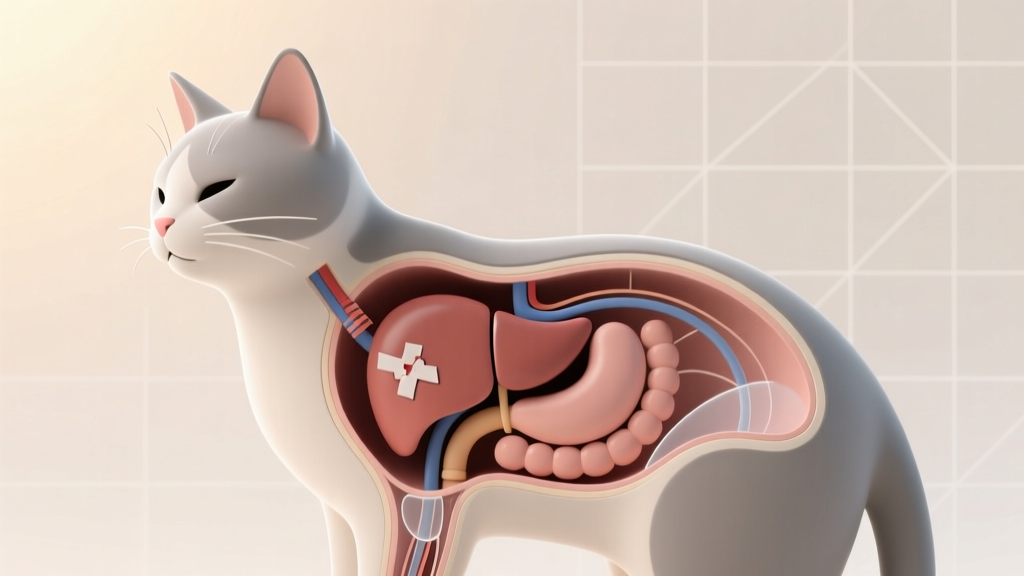
Your cat’s kidneys do a lot of behind-the-scenes work every minute: filtering waste, balancing water and electrolytes, helping regulate blood pressure, and supporting healthy red blood cell production. When something is abnormal in the kidney’s structure from birth, it can quietly increase the risk of problems like urinary tract infections, kidney stones, or reduced kidney function later on.
Medullary sponge kidney (MSK) is a congenital (present at birth) defect that affects the inner part of the kidney. It’s not the most common diagnosis in cats, but understanding it helps you recognize early warning signs of urinary or kidney trouble and get veterinary care before complications become serious. Many cats with congenital kidney changes can still live comfortable, happy lives with the right monitoring and support.
2. Overview: What is medullary sponge kidney in cats?
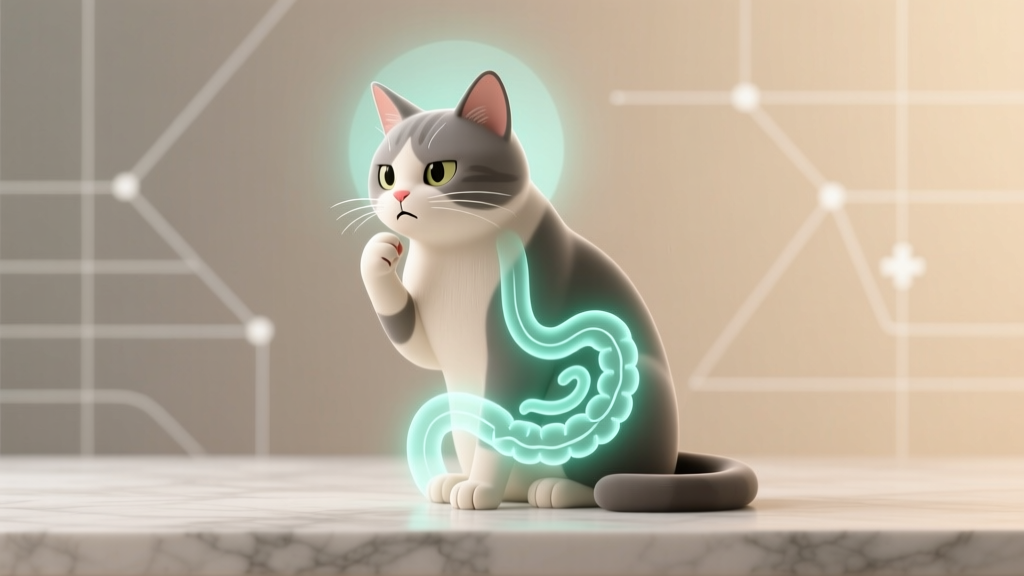
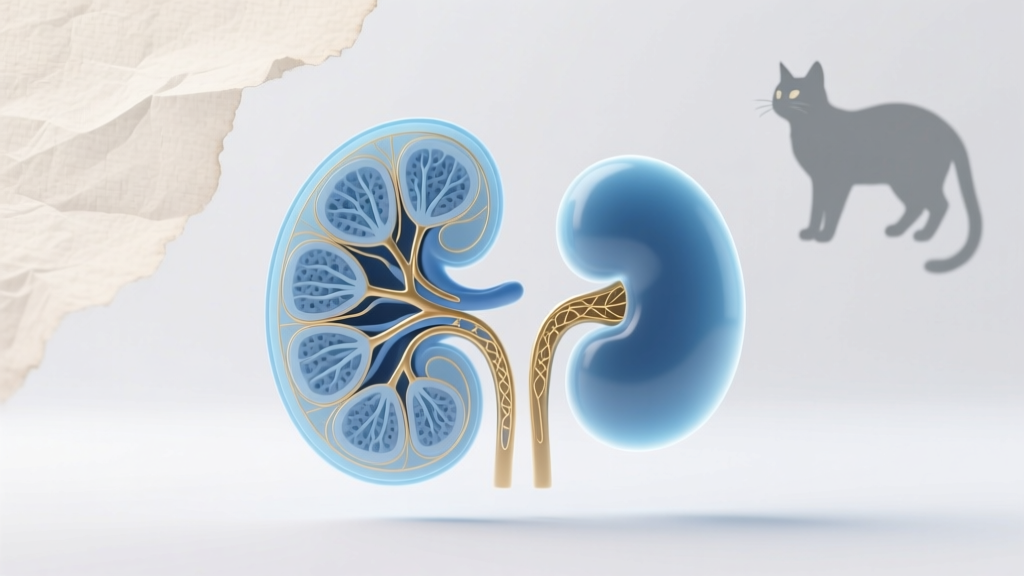
Medullary sponge kidney is a structural abnormality of the kidney’s medulla—the inner region where urine becomes more concentrated. In MSK, some of the tiny urine-collecting tubes (collecting ducts) are widened and can form small “pockets” or cyst-like dilations. Think of it like sections of plumbing that are slightly stretched out and irregular.
These changes can matter because they may:
- Slow urine flow in parts of the kidney, allowing minerals to settle.
- Encourage mineral buildup (nephrocalcinosis) and stone formation.
- Increase the risk of urinary tract infections (UTIs) due to urine stasis.
- Contribute to changes in urine concentration, sometimes causing increased thirst and urination.
Some cats with MSK have few or no symptoms for years. Others develop complications that bring them to the vet—often for urinary signs, recurring infections, or evidence of kidney dysfunction on labwork.
How MSK differs from chronic kidney disease (CKD): CKD is a progressive loss of kidney function, most common in older cats. MSK is a congenital structural change. A cat can have MSK without significant kidney failure, but MSK can increase the chances of urinary complications that may stress the kidneys over time.
3. Symptoms and warning signs to watch for
Signs depend on whether MSK is causing complications (infection, stones, obstruction, or reduced kidney function). Contact your veterinarian if you notice any of the following:
Urinary and litter box changes
- Straining to urinate or frequent trips to the litter box
- Urinating small amounts, crying in the litter box, or accidents outside the box
- Blood in the urine (pink/red tinged urine or clots)
- Foul-smelling urine
General signs that may suggest kidney or urinary discomfort
- Increased thirst (polydipsia) and increased urination (polyuria)
- Decreased appetite or weight loss
- Vomiting or nausea (lip smacking, drooling)
- Lethargy or hiding more than usual
- Dull coat or reduced grooming
Signs associated with stones or obstruction (more urgent)
- Sudden restlessness, repeated attempts to urinate, or producing no urine
- Painful belly, yowling, or unusual aggression when picked up
- Severe lethargy, weakness, or collapse
Practical tip you can do today: Get familiar with your cat’s normal litter box routine (how often, how much clumping, and typical color). A simple baseline makes early changes easier to spot.
4. Causes and risk factors
MSK is considered congenital, meaning the structural changes are present from birth. The exact cause in cats isn’t fully understood, and in many cases it may be found incidentally during imaging for another reason.
Potential risk factors and related considerations include:
- Genetics: In people, MSK can have genetic associations. In cats, a clear breed predisposition is not well established, but congenital conditions can cluster in family lines.
- Mineral imbalances and urine chemistry: Cats prone to forming crystals or stones may have more issues if urine flow is altered by MSK.
- Recurrent UTIs: While UTIs are less common in young cats, anatomical or functional urinary issues can raise the risk.
- Dehydration and low water intake: Concentrated urine can promote crystal and stone formation, which may complicate MSK.
MSK is not something you caused, and you could not have prevented it in a cat already born with the condition. The focus is on preventing complications and catching problems early.
5. Diagnosis: Methods and what to expect at the vet
If your veterinarian suspects a kidney or urinary issue, they’ll typically start with a careful history and exam. Be ready to answer questions about water intake, appetite, urination habits, litter box changes, and any vomiting or weight loss.
Common diagnostic steps
- Physical exam: hydration status, abdominal palpation, kidney size/shape, bladder comfort.
- Urinalysis: checks urine concentration (specific gravity), pH, blood, protein, crystals, and signs of infection/inflammation.
- Urine culture and sensitivity: especially important if infection is suspected. This identifies bacteria and the best antibiotic.
- Bloodwork: kidney values (BUN, creatinine), SDMA, electrolytes, phosphorus, and overall health markers.
- Blood pressure measurement: kidney issues can be associated with hypertension.
- Imaging:
- Abdominal ultrasound: often the most helpful for visualizing kidney structure, mineral deposits, and stones.
- X-rays (radiographs): may detect certain types of stones or mineralization.
- Advanced imaging: in complex cases, referral imaging may be recommended.
What MSK might look like on imaging
Your vet may describe changes such as mineral deposits in the medulla (nephrocalcinosis), altered internal architecture, or evidence of small stones. Because several kidney conditions can look similar, diagnosis often relies on the full picture: symptoms, labwork, and imaging findings.
Owner-ready tip: Ask your veterinarian for a copy of lab results and imaging notes so you can track trends (especially kidney values and urine concentration) over time.
6. Treatment options (medical, surgical, home care)
There is no single “cure” that reverses congenital MSK. Treatment is aimed at controlling complications and protecting kidney function. Your cat’s plan depends on whether they have infections, stones, urine concentration problems, or reduced kidney function.
Medical management
- Hydration support: Encouraging water intake is a cornerstone. Some cats also benefit from veterinary-guided fluid support (such as subcutaneous fluids) if kidney function is reduced.
- Diet therapy:
- Wet food: often recommended to increase water intake and dilute urine.
- Prescription urinary diets: may be used if crystals/stones are present or the cat is at high risk.
- Prescription kidney diets: may be recommended if chronic kidney disease is present.
- Antibiotics: Only if a UTI is confirmed or strongly suspected. Culture-guided antibiotics are ideal.
- Pain control and anti-nausea support: If your cat is uncomfortable or not eating. Never give human pain medications—many are toxic to cats.
- Urine pH and stone prevention strategies: Depending on stone type risk, your vet may adjust diet or recommend specific medications/supplements.
Surgical or procedural options
Procedures are not for MSK itself, but may be needed for complications:
- Stone removal or dissolution plans: Some stones may be managed with diet; others require removal. Options can include minimally invasive procedures or surgery, depending on location and type.
- Urinary obstruction treatment: If a cat cannot pass urine, emergency stabilization and procedures are necessary. Male cats are especially at risk for life-threatening urethral blockage.
Home care: practical steps that help immediately
- Increase water intake: Provide multiple water stations, use a cat fountain, refresh water daily, and consider flavoring with a small amount of tuna water (no onions/garlic, low salt) if your vet approves.
- Switch to mostly canned food (transition gradually over 7–10 days to avoid stomach upset).
- Add litter boxes: Aim for one box per cat plus one extra, in quiet locations.
- Reduce stress: Stress can worsen urinary signs in some cats. Keep routines predictable and provide hiding spots and enrichment.
- Monitor output: Note urine clump size and frequency; bring this information to rechecks.
Always consult your veterinarian before changing diets, starting supplements, or giving medications—especially if your cat has kidney disease or a history of urinary blockage.
7. Prevention strategies and early detection tips
You can’t prevent a congenital kidney structure from existing, but you can lower the risk of complications and catch trouble early.
Early detection and monitoring
- Annual or twice-yearly wellness exams: Many kidney and urinary issues are easier to manage when found early.
- Routine labwork: Ask about periodic bloodwork and urinalysis, especially for cats with urinary history.
- Track water intake and appetite: Subtle increases in drinking or decreases in eating are often early clues.
- Weigh your cat monthly: Unexplained weight loss is a valuable early warning sign.
Support healthy urine flow
- Hydration first: Dilute urine can help reduce crystal formation and irritation.
- Appropriate diet: Your vet can recommend urinary support or kidney support nutrition based on test results.
- Prompt UTI evaluation: If you see blood in urine or litter box straining, don’t wait it out—get checked.
8. Prognosis and quality of life considerations
The outlook for a cat with MSK varies widely:
- Mild cases: Some cats live normally with minimal intervention, especially if complications never develop.
- Moderate cases: Cats may experience periodic UTIs or stone issues but do well with diet, hydration, and monitoring.
- Complicated cases: If MSK is associated with significant mineralization, recurrent stones, or chronic kidney disease, ongoing management is needed.
Quality of life is often very good when care focuses on:
- Keeping the cat comfortable (pain and nausea controlled)
- Maintaining hydration and appetite
- Preventing urinary obstruction
- Regular rechecks to catch changes early
If your cat is diagnosed with MSK, ask your veterinarian for a clear monitoring plan—how often to recheck urine and bloodwork, what symptoms should trigger a visit, and what diet and hydration targets make sense for your cat’s age and overall health.
9. When to seek emergency veterinary care
Some urinary and kidney-related signs can become urgent quickly. Seek emergency care right away if your cat has:
- Repeated straining with little or no urine produced (possible obstruction)
- Crying out, severe discomfort, or a tense/painful abdomen
- Sudden collapse, extreme weakness, or unresponsiveness
- Persistent vomiting or inability to keep food/water down
- Signs of dehydration (sticky gums, sunken eyes, profound lethargy)
Urinary blockage is especially dangerous in male cats and is a true emergency. If you’re unsure whether it’s urgent, it’s safest to call your veterinarian or an emergency clinic for guidance.
10. FAQ: Common questions about feline medullary sponge kidney
Is medullary sponge kidney painful for cats?
MSK itself may not cause pain. Pain usually comes from complications like UTIs, kidney stones, or urinary obstruction. If your cat is straining, vocalizing in the litter box, or acting uncomfortable, a veterinary exam is needed.
Can MSK turn into chronic kidney disease?
MSK is a congenital structural issue, and CKD is a decline in kidney function over time. A cat with MSK may have a higher risk of kidney stress if they develop recurrent infections, stones, or obstruction. Regular monitoring helps detect kidney changes early.
What should I feed a cat with MSK?
Many cats benefit from increased moisture (canned food) to support hydration and dilute urine. If stones or crystals are present, your vet may recommend a prescription urinary diet. If kidney function is reduced, a kidney-support diet may be appropriate. The best choice depends on lab results and stone risk, so work with your veterinarian rather than choosing a diet based on guesswork.
How can I tell if my cat has a UTI or just stress-related urinary signs?
They can look very similar at home (frequent trips to the box, straining, blood in urine). The only reliable way to know is a veterinary urinalysis and, when needed, a urine culture. Don’t assume it’s “just stress,” especially if you see blood or your cat seems painful.
Will my cat need lifelong treatment?
Some cats only need periodic monitoring and lifestyle support (hydration, diet adjustments). Others need ongoing management if they develop recurrent stones, infections, or kidney disease. Your veterinarian can tailor a plan based on how your cat is doing over time.
What are the most helpful things I can do at home right now?
- Encourage water intake (fountain, extra bowls, fresh water daily)
- Transition to more wet food if your vet agrees
- Watch litter box habits closely and act quickly if they change
- Schedule regular wellness checks and recommended labwork
Medullary sponge kidney can sound scary because it involves the kidneys, but many cats do very well with attentive care, good hydration, and prompt treatment of urinary issues. If you suspect your cat is showing urinary signs or isn’t feeling like themselves, schedule a veterinary visit—getting answers early is one of the best ways to protect your cat’s long-term comfort and health.
For more practical, vet-informed cat health guides and wellness tips, visit catloversbase.com.