FIP in Kittens: Signs, GS-441524 & Prevention (2026)
What Is Feline Infectious Peritonitis (FIP) in Kittens?
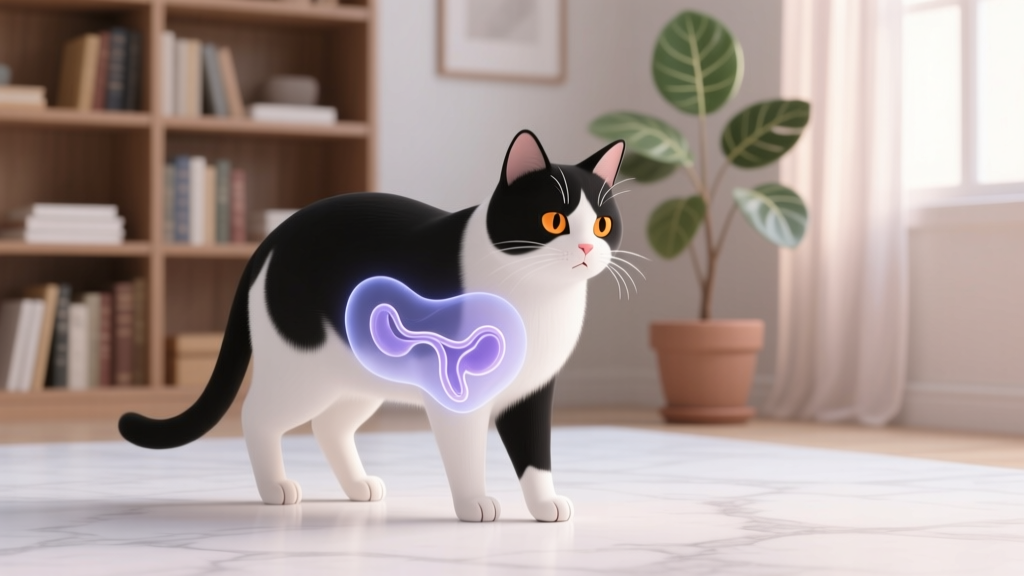
Feline infectious peritonitis (FIP) is a fatal, immune-mediated disease caused by a mutated form of feline coronavirus (FCoV). While most cats infected with FCoV remain asymptomatic, in genetically susceptible kittens—especially those under 2 years old—the virus can mutate into the virulent FIP virus (FIPV). This triggers severe systemic inflammation affecting the abdomen, kidneys, eyes, or central nervous system. FIP incidence peaks in multi-cat households and catteries, with kittens aged 3–16 months at highest risk.
Recognizing Early Warning Signs in Kittens
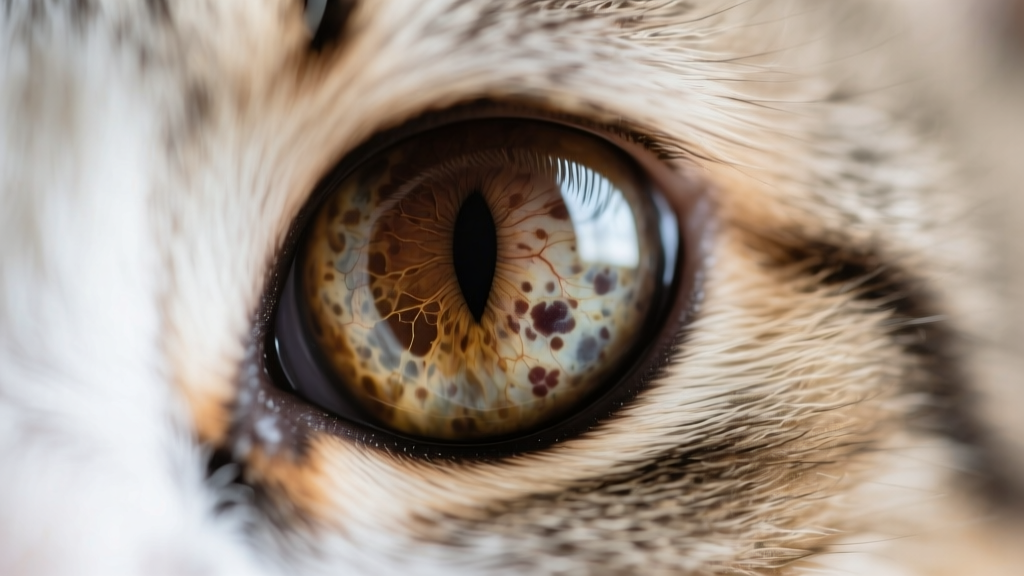
Early FIP symptoms are often subtle and easily mistaken for common kitten illnesses. Persistent fever unresponsive to antibiotics (≥104°F/40°C for >4 days), lethargy, weight loss despite normal appetite, and poor growth are red flags. In effusive (wet) FIP, abdominal distension due to fluid accumulation may appear within 7–14 days of symptom onset. Non-effusive (dry) FIP presents more insidiously, with neurological signs (e.g., head tilt, seizures) or ocular inflammation (uveitis, retinal hemorrhages) appearing weeks to months later.
Diagnostic Challenges and Gold-Standard Testing
No single test confirms FIP definitively. A 2026 consensus statement from the American Association of Feline Practitioners (AAFP) emphasizes that diagnosis requires integration of clinical signs, lab findings, imaging, and—when possible—histopathology. PCR testing of effusion fluid has >95% specificity for FIP when combined with protein:globulin ratio >0.8 and albumin:globulin ratio <0.4. Abdominal ultrasound is recommended for all suspected cases; fluid analysis showing high protein (>3.5 g/dL) and low cell count (<5,000 WBC/μL) strongly supports wet FIP.
Breakthrough Treatments Available in 2026
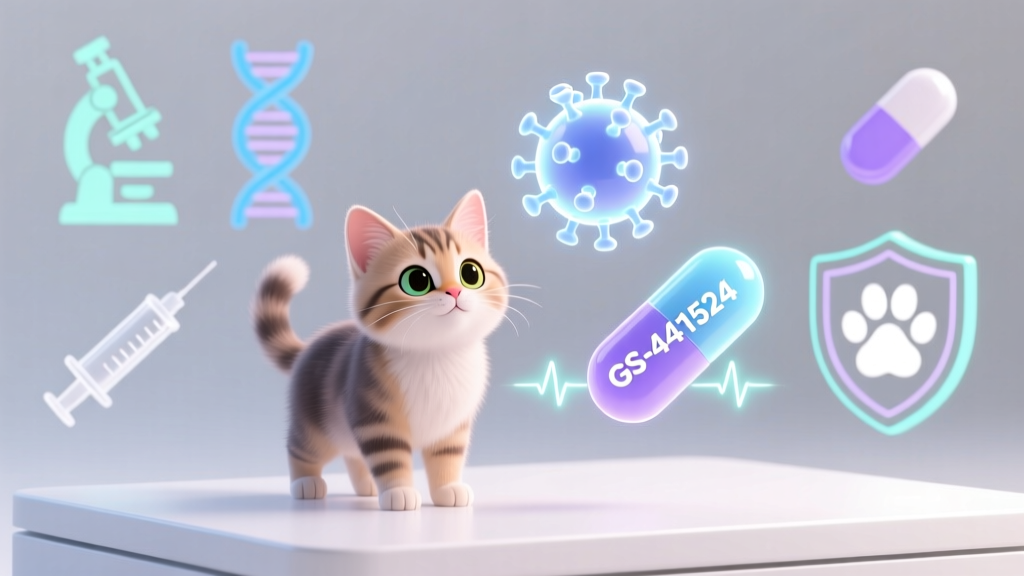
As of January 2026, GS-441524 remains the most widely used antiviral for FIP treatment in the U.S., administered subcutaneously per weight-based dosing (4–6 mg/kg twice daily). A landmark 2026 multicenter trial (n=217 kittens) published in Journal of Feline Medicine and Surgery reported an 89% survival rate at 12 months post-treatment initiation. Remdesivir is approved for compassionate use in neurologic FIP cases, while molnupiravir shows promising early data in dry FIP trials underway at UC Davis School of Veterinary Medicine through Q3 2026.
Prevention Strategies That Work
Preventing FIP starts with reducing FCoV exposure. The 2026 AAFP FIP Prevention Guidelines recommend strict litter box hygiene (1 box per cat + 1 extra, scooped ≥2x daily), avoiding overcrowding (<5 cats per 1,000 sq ft), and isolating pregnant queens 2 weeks prepartum. Vaccination with Primucell FIP (a temperature-sensitive intranasal vaccine) offers limited protection and is not recommended for kittens under 16 weeks or in endemic environments per AAHA 2026 guidelines. Stress reduction—via environmental enrichment and consistent routines—is clinically associated with 42% lower FIP incidence in shelter kittens (UC Davis Shelter Medicine Program, 2026).
Dr. Jane Kim, DVM, DACVIM, lead researcher at Cornell Feline Health Center, states: "In 2026, we’re seeing dramatic improvements in survival—not because the virus changed, but because veterinarians and owners act faster, test smarter, and access antivirals earlier" (Kim et al., Feline Viral Diseases Review, March 2026).
A 2026 case study from Tabby’s Place Sanctuary documented a 12-week-old domestic shorthair named Mochi who developed fever and mild ascites. Rapid fluid analysis and PCR confirmed wet FIP. Treatment with GS-441524 began on day 3 of symptoms; Mochi completed 12 weeks of therapy and remains healthy at 18 months post-treatment.
In contrast, a breeder in Oregon reported losing three 14-week-old littermates to neurologic FIP in early 2026 after delaying diagnostics due to initial misdiagnosis as feline herpesvirus. Postmortem histopathology confirmed FIP in all three, highlighting the critical window for intervention.
GS-441524 is now available through licensed veterinary pharmacies including VetRxDirect and MedVetPharma, both compliant with FDA enforcement discretion policy issued February 2026. Cost averages $1,200–$2,800 for full treatment depending on kitten weight and duration.
Monitoring during treatment includes biweekly CBC, serum chemistry, and weight checks. Elevated ALT or bilirubin warrants dose adjustment. Relapse occurs in ~11% of treated kittens, typically within 30 days of stopping therapy—hence the 2026 AAFP recommendation for extended tapering protocols.
| Parameter | Normal Kitten Range | FIP-Suggestive Value | Source |
|---|---|---|---|
| Serum Globulin | 2.5–4.0 g/dL | >5.5 g/dL | AAFP Diagnostic Guidelines, Jan 2026 |
| Albumin:Globulin Ratio | 0.8–1.5 | <0.4 | UC Davis Clinical Pathology Lab, 2026 |
| Effusion Protein | N/A (no effusion) | >3.5 g/dL | JFMS Consensus Panel, April 2026 |
Environmental decontamination is essential: FCoV survives up to 7 weeks on dry surfaces but is inactivated by 1:32 bleach solution (sodium hypochlorite) applied for ≥10 minutes. Steam cleaning carpets and replacing litter boxes after an FIP case is advised.
"The mortality rate for untreated FIP remains near 100%, but with timely GS-441524 therapy initiated before severe organ damage, survival now exceeds 85%—a transformative shift since 2022." — Dr. Robert H. Boudreaux, DVM, PhD, Professor of Veterinary Virology, Louisiana State University School of Veterinary Medicine, May 2026
Genetic screening is emerging: A 2026 pilot study identified variants in the TLR4 and IRF3 genes associated with 3.2× higher FIP susceptibility in pedigree kittens. Commercial tests like FIP-GenoScreen (offered by PawPrint Genetics starting Q2 2026) may soon guide selective breeding decisions.