Feline Capillaria: Bladder and Respiratory Nematode
1. Why This Topic Matters to Cat Owners
Parasites aren’t always obvious, and that’s exactly why Capillaria infections matter. Some cats carry these tiny worms with mild or vague symptoms, while others develop uncomfortable urinary or breathing issues that can look like more common problems (such as a bladder infection, asthma, or kennel-style cough). If your cat goes outdoors, hunts, lives with other pets, or spends time in environments where wildlife passes through, understanding Capillaria can help you catch signs early and protect your cat’s comfort.
The reassuring part: with veterinary diagnosis and appropriate deworming, most cats do very well. Knowing what to watch for—and when to seek care—can prevent prolonged discomfort and complications.
2. Overview: What Is Feline Capillaria?
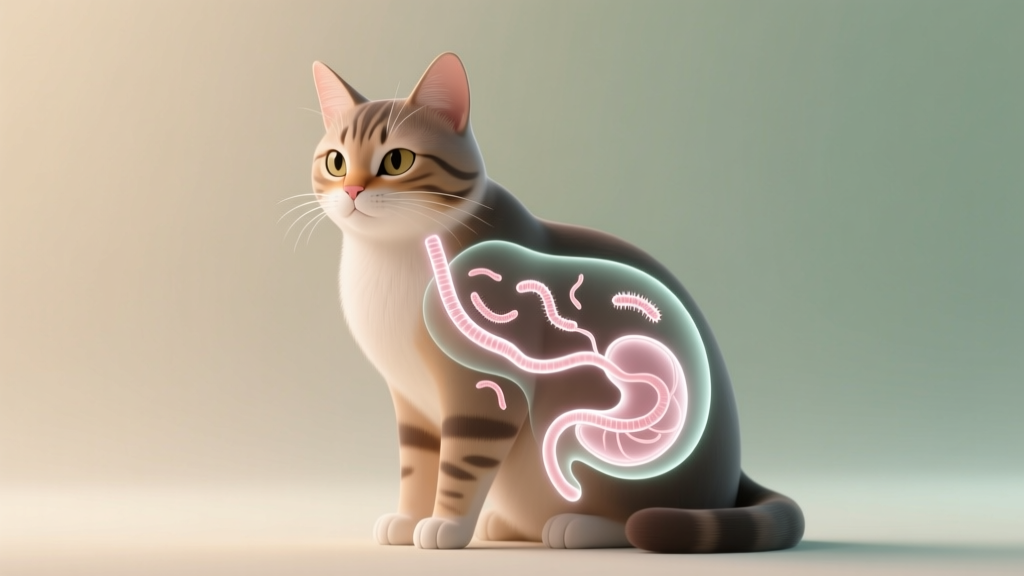
Capillaria is a group of slender parasitic roundworms (nematodes) that can infect different parts of the body depending on the species. In cats, two main forms are most relevant:
- Bladder/urinary tract Capillaria (often referred to as Capillaria plica, also known in some classifications as Pearsonema plica): worms live in the bladder and sometimes the lower urinary tract.
- Respiratory Capillaria (commonly Capillaria aerophila, also called Eucoleus aerophilus): worms live in the airways (trachea/bronchi), irritating the respiratory tract.
These parasites cause disease in two main ways:
- Physical irritation of the bladder lining or airway lining
- Inflammation triggered by the cat’s immune response
Some infected cats show no signs at all, especially with light infections. Others develop recurring symptoms that can be mistaken for bacterial infections, allergies, or other urinary/respiratory conditions.
3. Symptoms and Warning Signs to Watch For
Bladder (Urinary) Capillaria Signs
These signs can overlap with feline lower urinary tract disease (FLUTD), stress cystitis, and urinary tract infections:
- Frequent trips to the litter box
- Straining to urinate (producing small amounts)
- Urinating outside the litter box
- Blood in the urine (pink or red-tinged urine)
- Painful urination (crying, restlessness, licking the genital area)
- Strong-smelling urine or cloudy urine (not specific, but sometimes noticed)
Respiratory Capillaria Signs
Airway irritation can look similar to asthma, bronchitis, or upper respiratory disease:
- Chronic cough or repeated gagging/coughing spells
- Wheezing or noisy breathing
- Increased respiratory rate or effort (belly movement, flared nostrils)
- Sneezing or nasal discharge (less common, but possible)
- Reduced energy, less interest in play
- Decreased appetite in more significant cases
Practical at-home observations you can do today
- Track litter box habits: note frequency, straining, and accidents.
- Listen for cough patterns: record a short video to show your veterinarian.
- Count resting breaths when your cat is asleep: normal is often around 15–30 breaths per minute; consistently higher rates deserve a vet call.
4. Causes and Risk Factors
Cats become infected by ingesting infective eggs from the environment, and for some species, by eating intermediate or transport hosts (depending on the parasite’s life cycle and local ecology). Wildlife such as foxes and other carnivores can be important reservoirs, and eggs can persist in damp environments.
Common risk factors include:
- Outdoor access (even part-time) or roaming in shared yards
- Hunting behavior (catching rodents, birds, or insects)
- Exposure to wildlife (areas frequented by foxes, coyotes, raccoons, stray cats)
- Multi-pet households where parasite prevention isn’t consistent
- Stray/rescue backgrounds or unknown deworming history
- Environments with moist soil where eggs may remain viable longer
Indoor-only cats are at lower risk, but not risk-free—eggs can be carried inside on shoes, and some cats have access to screened patios, garages, basements, or prey insects.
5. Diagnosis: What to Expect at the Vet
Because symptoms can mimic other diseases, diagnosis usually requires a combination of history, exam findings, and lab testing. Your veterinarian will also want to rule out more urgent or common conditions (like urinary blockage or asthma).
History and physical exam
- Questions about outdoor access, hunting, travel, and other pets
- Review of litter box habits, coughing frequency, appetite, weight, and energy
- Full physical exam including abdominal palpation and listening to the chest
Testing for urinary Capillaria
- Urinalysis: checks for blood, inflammation, crystals, bacteria, and sometimes parasites/eggs.
- Urine sediment exam: a microscope check where Capillaria eggs may be found.
- Urine culture: may be recommended if infection is suspected or symptoms recur.
- Imaging (X-rays/ultrasound): helps look for bladder stones, thickening, or other abnormalities.
Testing for respiratory Capillaria
- Fecal flotation: eggs can sometimes be detected in stool (depending on the parasite and shedding pattern).
- Airway evaluation: chest X-rays may show bronchial inflammation or other lung changes.
- Additional sampling: in complicated cases, a veterinarian may discuss airway wash procedures or referral for advanced diagnostics.
What can make diagnosis tricky: eggs may not be shed consistently, and mild infections can be easy to miss on a single test. If your cat’s symptoms fit and initial tests are negative, your vet may recommend repeat testing or carefully considered treatment trials based on risk and clinical signs.
6. Treatment Options (Medical, Surgical, Home Care)
Treatment depends on whether the infection involves the urinary tract or respiratory tract, how severe symptoms are, and whether there are complications (such as secondary infection or bladder inflammation).
Medical treatment
- Prescription dewormers: Your veterinarian will choose an antiparasitic medication effective against the suspected species. Treatment may involve one or multiple doses and sometimes repeat treatment.
- Anti-inflammatory support: If the bladder or airways are very inflamed, your vet may prescribe medications to reduce discomfort and inflammation.
- Antibiotics: Not all cases need antibiotics. They may be used if a secondary bacterial infection is confirmed or strongly suspected.
- Respiratory support: In more symptomatic respiratory cases, your veterinarian may prescribe bronchodilators or other supportive care depending on breathing status.
Surgical treatment
Surgery is not a standard treatment for Capillaria itself. Surgical or procedural intervention may be needed only if another problem is present, such as:
- Bladder stones requiring removal
- A urinary blockage (a true emergency, especially in male cats)
- Foreign material or masses identified on imaging
Home care that helps recovery
- Give all medications exactly as prescribed and finish the full course.
- Increase water intake to support urinary comfort: offer multiple water bowls, a cat fountain, and consider adding wet food if your vet agrees.
- Reduce stress for cats with urinary symptoms: quiet resting areas, consistent routines, and clean litter boxes.
- Monitor symptoms daily: appetite, litter box output, coughing frequency, and energy level.
- Bring a stool sample (fresh, if possible) and request guidance on timing if follow-up testing is planned.
Do not self-prescribe dewormers or leftover medications. Some products are not safe for cats, and correct dosing matters. Always consult your veterinarian.
7. Prevention Strategies and Early Detection Tips
Prevention focuses on limiting exposure and using veterinarian-recommended parasite control appropriate for your cat’s lifestyle.
Prevention you can implement right away
- Schedule routine fecal checks (often 1–2 times yearly for many cats; more often for outdoor/hunting cats).
- Use consistent parasite prevention recommended by your veterinarian (especially for outdoor cats).
- Keep cats indoors or supervise outdoor time with a catio or harness to reduce hunting and wildlife exposure.
- Promptly remove feces from litter boxes and outdoor areas to reduce environmental contamination.
- Limit access to prey by removing bird feeders near areas your cat can reach and securing trash/food sources that attract rodents.
- Wash hands and clean floors regularly if you have outdoor pets that might track soil indoors.
Early detection tips
- Don’t ignore recurrent urinary signs even if they come and go.
- If your cat has a chronic cough, ask your vet whether parasites are on the list of possible causes, especially with outdoor exposure.
- Request a urinalysis for urinary symptoms rather than treating blindly—this helps avoid missing parasites, crystals, or other conditions.
8. Prognosis and Quality of Life
Most cats have an excellent prognosis once Capillaria is identified and treated properly. Improvement may be noticeable within days to a couple of weeks, depending on the location of infection, worm burden, and whether inflammation has been ongoing.
Quality of life is typically very good after treatment, especially when:
- The cat receives the correct dewormer and follow-up testing as advised
- Underlying urinary issues (stress cystitis, crystals, stones) are addressed
- Respiratory inflammation is managed and environmental triggers (smoke, dusty litter) are minimized
Some cats may need rechecks, repeat fecal/urine testing, or ongoing prevention if exposure risk continues. Your veterinarian can tailor a plan to your cat’s lifestyle.
9. When to Seek Emergency Veterinary Care
Capillaria itself is usually not an immediate life-threatening emergency, but the symptoms can overlap with conditions that are. Seek emergency care if you notice:
- Straining to urinate with little or no urine produced (possible urinary blockage—especially urgent in male cats)
- Crying in the litter box, severe restlessness, or signs of intense pain
- Open-mouth breathing, blue/gray gums, or severe breathing effort
- Rapid breathing at rest that is persistent or worsening
- Extreme lethargy, collapse, or inability to stand
- Repeated vomiting or inability to keep water down
If you’re unsure, call your veterinarian or an emergency clinic and describe what you’re seeing. A short video of breathing or coughing can be very helpful.
10. FAQ: Common Questions About Feline Capillaria
1) Can my cat get Capillaria if they live indoors?
Yes, but the risk is lower. Eggs can be tracked in on shoes, and some indoor cats catch insects or have access to garages, basements, balconies, or screened porches where exposure is possible. Routine checkups and parasite prevention advice from your veterinarian are still worthwhile.
2) Is Capillaria contagious to other cats or dogs?
Pets can share the same environment and exposure sources (soil, prey, wildlife-contaminated areas). While direct cat-to-cat spread isn’t always the main route, other pets may be at risk if they share the same outdoor spaces. Ask your veterinarian whether other pets should be tested or treated based on household risk.
3) Will antibiotics cure Capillaria?
No. Antibiotics treat bacteria, not worms. If your cat has a secondary bacterial infection, antibiotics may be part of the plan, but a dewormer is needed to treat the parasite itself.
4) Why does my cat’s “UTI” keep coming back?
Recurring urinary signs can be caused by stress cystitis, crystals, stones, anatomical issues, or parasites like urinary Capillaria. A urinalysis (and sometimes urine culture and imaging) helps pinpoint the real cause so your cat gets the right treatment.
5) How soon will my cat feel better after treatment?
Many cats improve within a week, but timing varies. Bladder irritation and airway inflammation can take longer to fully settle, especially if symptoms have been present for weeks or months. Follow your veterinarian’s recheck plan and let them know if signs persist.
6) Should I deworm my cat “just in case”?
It’s best to consult your veterinarian before giving any dewormer. The safest and most effective plan depends on your cat’s age, weight, health history, and likely parasite exposures. Your vet may recommend testing first, treatment, or both.
If your cat has urinary discomfort, coughing that won’t resolve, or a lifestyle that increases parasite exposure, your veterinarian is your best partner for diagnosis and a targeted prevention plan. For more practical cat health guides, behavior tips, and wellness resources, visit catloversbase.com.