Cat Trichinella: Encysted Muscle Nematode
1. Why this topic matters to cat owners
Most cat parents think about fleas, ticks, and intestinal worms like roundworms—but fewer have heard of Trichinella, a parasitic worm that can form tiny cysts inside muscle tissue. While trichinellosis (infection with Trichinella) is uncommon in pet cats, it can occur, especially in cats that hunt or eat raw meat. Knowing how it’s transmitted and what signs to watch for helps you protect your cat’s comfort, mobility, and overall health. It also helps you make informed choices about raw diets, prey hunting, and meat safety in multi-pet households.
2. Overview: what “encysted muscle nematode” means in plain language
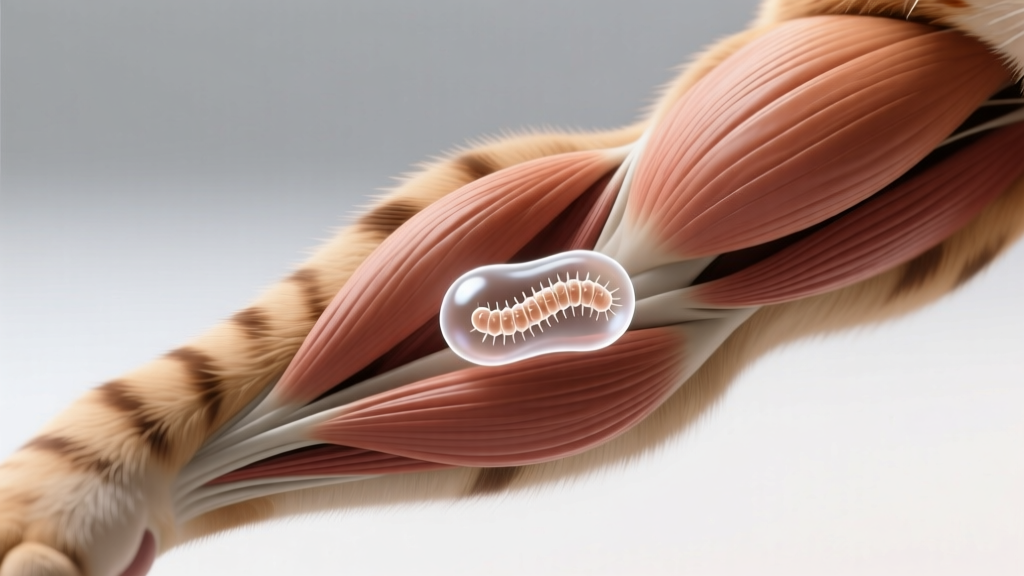
Trichinella are small parasitic roundworms (nematodes). The “encysted muscle” part refers to one of their life stages:
- Cats (and many other mammals) become infected by eating meat that contains Trichinella larvae.
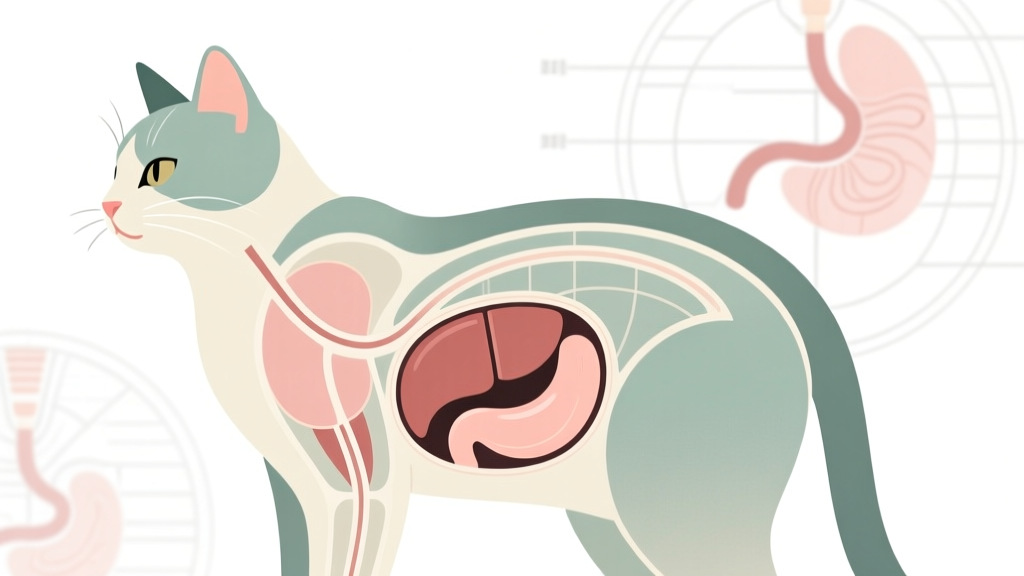
- Those larvae are released in the stomach and develop into adults in the small intestine.
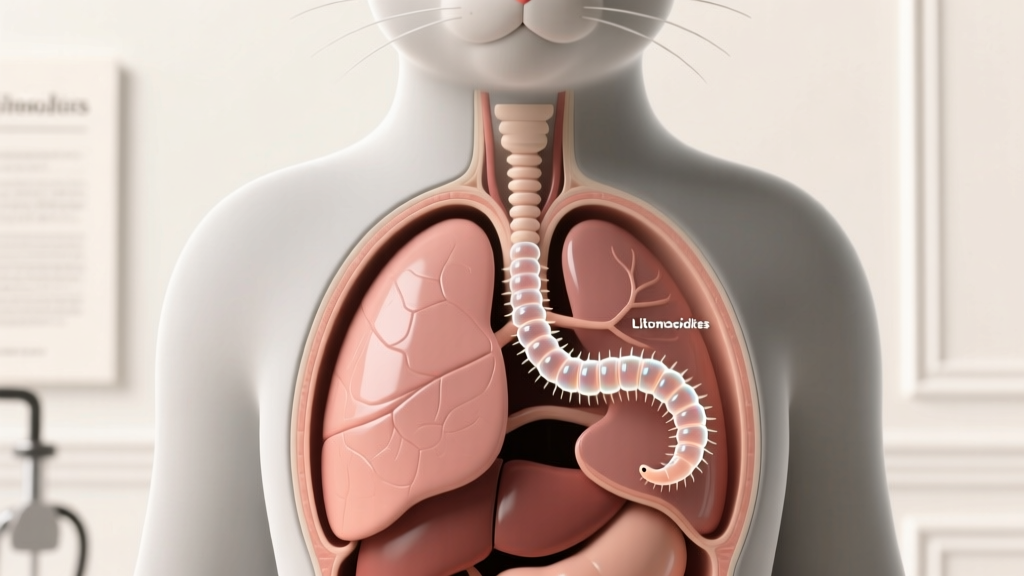
- The adults produce larvae that travel through the bloodstream and settle into skeletal muscles.
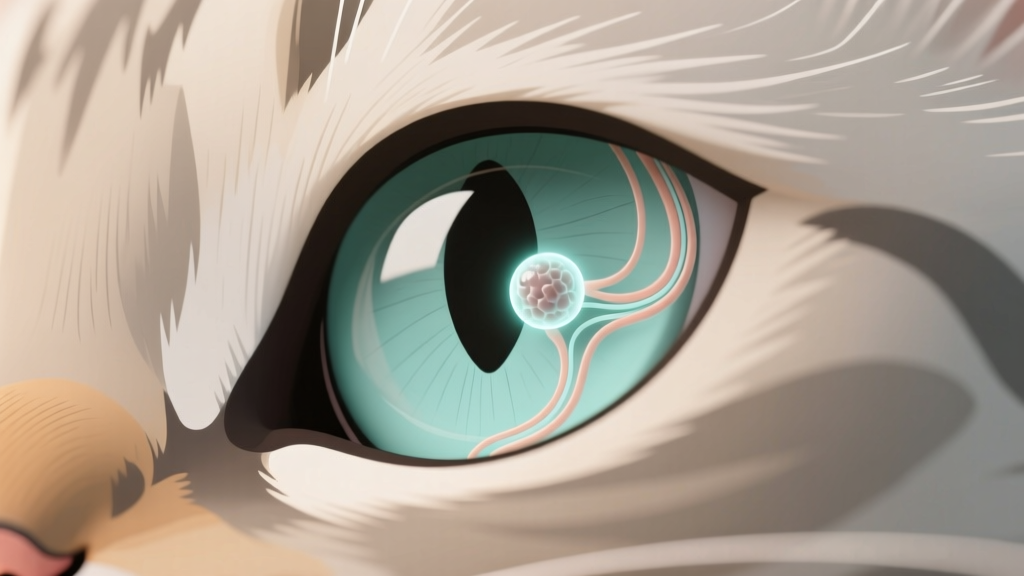
- In the muscles, the larvae can become enclosed in tiny “cysts” (a protective capsule formed in the tissue). These cysts can persist for months to years.
This muscle phase can cause inflammation and pain, which is why some infected animals show weakness, stiffness, or reluctance to move. Severity varies widely. Some cats may have mild or no obvious signs, while others can become quite ill—especially if they ingest a large number of larvae.
How cats typically get exposed
- Hunting and scavenging: eating rodents or other wildlife.
- Raw or undercooked meat: especially wild game or pork that hasn’t been handled safely.
- Outdoor lifestyle: increased access to carcasses, garbage, or prey.
3. Symptoms and warning signs to watch for
Signs can be subtle at first and may look like many other illnesses. A cat can have intestinal upset early, then later show muscle-related discomfort as larvae encyst.
Possible early signs (intestinal phase)
- Decreased appetite
- Vomiting
- Diarrhea
- Lethargy
- Low-grade fever
Possible later signs (muscle phase)
- Muscle soreness or tenderness (may resent being picked up)
- Stiff gait or reluctance to jump/climb
- Weakness or fatigue after activity
- Generalized pain, hiding more than usual
- Fever that persists
- Swelling or sensitivity in certain muscle groups
Less common but more serious signs
- Marked weakness, inability to walk normally
- Breathing changes (rapid breathing, increased effort)
- Dehydration from ongoing vomiting/diarrhea
If your cat is showing any combination of gastrointestinal signs plus muscle pain or weakness—especially with a history of hunting or raw meat exposure—schedule a veterinary visit promptly.
4. Causes and risk factors
The direct cause is ingesting Trichinella larvae in infected meat. Cats don’t “catch” Trichinella from casual contact with another cat; infection is tied to consuming infected tissue.
Key risk factors
- Outdoor access: hunting rodents, birds, or scavenging.
- Raw diets: feeding uncooked meat or organs, especially if the source is uncertain.
- Wild game exposure: sharing raw scraps from hunting (wild boar, bear, etc.)
- Access to garbage/carcasses: rural settings, farms, unmanaged waste.
- Multi-pet households with hunters: a hunting cat may bring prey inside.
Are indoor cats at risk?
Indoor-only cats have a much lower risk, but not zero. Risk increases if they’re fed raw meat or if rodents get into the home and the cat catches and eats them.
5. Diagnosis: what to expect at the vet
Because trichinellosis is uncommon and can mimic other conditions, diagnosis often starts with ruling out more common causes of vomiting, diarrhea, pain, and weakness.
History and physical exam
Your veterinarian will ask about:
- Diet (raw meat, treats, table scraps)
- Outdoor access and hunting behavior
- Recent vomiting/diarrhea, fever, pain, mobility changes
- Any other pets with similar signs
On exam, they may note fever, dehydration, muscle tenderness, or a stiff gait.
Common diagnostic tests
- Bloodwork (CBC/chemistry): may show inflammation and muscle involvement; some cats have changes in white blood cells or muscle-related enzymes.
- Urinalysis: helps assess hydration and rule out other systemic issues.
- Fecal testing: useful for checking for more common intestinal parasites; Trichinella is not reliably found on routine fecal exams.
- Imaging (as needed): X-rays or ultrasound may be used to evaluate other causes of illness.
- Specialized testing: depending on the region and lab access, serology (antibody testing) or other targeted tests may be considered. These are not always routinely available for cats.
Muscle biopsy?
In select cases, a veterinarian may discuss sampling muscle tissue, but this is not a common first-line step for most cats. The decision depends on how sick the cat is, what other tests show, and whether results would change treatment.
Practical tip: bring a written list of foods, treats, and any possible raw meat exposure (including “just a tiny bite”), and mention hunting/scavenging even if it’s occasional.
6. Treatment options (medical, supportive care, home care)
Treatment is tailored to your cat’s symptoms, overall health, and how advanced the infection appears. Cats that are mildly affected may only need supportive care, while sicker cats may require hospitalization.
Medical treatment
- Antiparasitic medication: your veterinarian may prescribe a dewormer or antiparasitic drug aimed at intestinal stages. These medications are prescription-only and should be used under veterinary direction.
- Pain control: safe feline pain relief can significantly improve comfort. Never give human pain medications; many are toxic to cats.
- Anti-nausea or anti-diarrheal support: to reduce vomiting and protect hydration.
- Anti-inflammatory therapy: in some cases, vets may consider medications to reduce inflammation; the risks and benefits depend on the cat’s condition and other medical issues.
Supportive and hospital care (for moderate to severe cases)
- Fluids: subcutaneous or IV fluids to correct dehydration.
- Nutritional support: appetite stimulants or assisted feeding if needed.
- Monitoring: temperature, hydration status, electrolytes, and mobility/pain levels.
Home care: what you can do immediately
- Stop all raw meat and hunting access while your cat is being evaluated.
- Offer a bland, vet-approved diet if your veterinarian recommends it (do not force food if your cat is actively vomiting).
- Encourage hydration: fresh water, water fountains, and wet food if tolerated.
- Create a low-stress recovery space: warm bedding, easy access to litter and food, minimize jumping with steps/ramps if your cat seems sore.
- Give medications exactly as prescribed and call your clinic if vomiting prevents your cat from keeping meds down.
Surgical treatment?
Surgery is not a typical treatment for Trichinella infection. Management is primarily medical and supportive. If imaging finds another problem (like an intestinal obstruction) unrelated to Trichinella, surgery may be discussed for that separate issue.
7. Prevention strategies and early detection tips
Prevention focuses on stopping exposure to infected raw tissue.
Practical prevention steps
- Avoid feeding raw or undercooked meat unless you are following a veterinarian-guided plan with appropriate sourcing and handling. Even then, there can be risk depending on the meat source.
- Keep cats indoors or supervise outdoor time to reduce hunting and scavenging.
- Rodent-proof your home (seal entry points, secure trash, use pet-safe pest control methods).
- Do not offer wild game scraps to cats, especially raw.
- Promptly remove prey if your cat catches something before they eat it.
Early detection tips
- Pay attention to subtle changes: less jumping, hiding, new sensitivity to touch, decreased grooming.
- Track vomiting/diarrhea episodes and appetite changes in a notes app to share with your vet.
- Schedule a vet visit earlier rather than “watching and waiting” if your cat is painful or weak.
8. Prognosis and quality of life considerations
Many cats can recover well, especially when the illness is recognized early and complications like dehydration and severe inflammation are addressed quickly. Prognosis depends on:
- The number of larvae ingested (infection burden)
- How quickly treatment begins
- Your cat’s age and underlying health (kidney disease, heart disease, immune status)
- Severity of muscle pain, weakness, or systemic illness
Quality of life usually improves significantly once pain is controlled and the gastrointestinal upset resolves. Some cats may be stiff or tired for a period during recovery. Follow-up visits may be recommended to reassess hydration, weight, pain control, and mobility.
9. When to seek emergency veterinary care
Seek urgent or emergency care if you notice any of the following:
- Repeated vomiting or diarrhea with signs of dehydration (dry gums, sunken eyes, weakness)
- Refusal to eat for 24 hours (or 12 hours for kittens or cats with chronic illness)
- Severe weakness, collapse, or inability to stand/walk normally
- Labored breathing, open-mouth breathing, or very rapid breathing at rest
- High fever or your cat feels very hot and is unusually lethargic
- Signs of significant pain (crying, aggression when touched, hiding and refusing to move)
If you’re unsure, call your veterinary clinic or an emergency hospital and describe your cat’s symptoms and any possible raw meat or hunting exposure.
10. FAQ: common questions from cat owners
Can my cat get Trichinella from another cat?
Direct cat-to-cat transmission is not the typical route. Infection usually happens when a cat eats infected meat. That said, in a multi-cat home, if one cat brings prey inside and another cat eats it, both could be exposed.
Is Trichinella the same as common intestinal worms?
No. Roundworms and hookworms live primarily in the intestines and shed eggs that show up on fecal tests. Trichinella has an intestinal stage, but the key feature is that larvae travel into muscle tissue and encyst, and it’s not reliably detected on routine fecal exams.
Will routine deworming prevent Trichinella?
Not always. Some parasite preventives target certain intestinal worms, but Trichinella management can be more complex due to its life cycle and muscle involvement. Talk to your veterinarian about the most appropriate parasite control plan for your cat’s lifestyle.
Should I stop feeding a raw diet?
If your cat is sick or you suspect exposure, stop raw feeding and contact your veterinarian. If you’re considering raw feeding long-term, discuss it with a veterinarian who can go over sourcing, handling, and risk reduction. From a safety standpoint, fully cooked, complete-and-balanced diets are generally lower risk for parasites.
How long does recovery take?
It varies. Gastrointestinal signs may improve within days once supportive care begins, while muscle soreness and fatigue may take longer—sometimes weeks—depending on severity. Your veterinarian will guide you on activity restriction and follow-up.
What should I tell the vet to help them diagnose it?
Be specific about:
- Any raw meat, organ meat, or wild game exposure (even small amounts)
- Hunting behavior and whether your cat eats prey
- Timeline of vomiting/diarrhea, appetite changes, fever, and mobility issues
- Any medications or supplements you’ve given
If your cat may have been exposed to Trichinella or is showing signs of illness, a veterinary exam is the safest next step—early care helps prevent complications and keeps your cat more comfortable.
For more caring, practical cat health guides and prevention tips, visit catloversbase.com and explore our growing resource library for cat parents.