How to Recognize Feline Stroke Recovery Progress
1. Why this topic matters to cat owners
A stroke in a cat can be frightening because the symptoms often appear suddenly: loss of balance, unusual eye movements, weakness, or confusion. The good news is that many cats improve with prompt veterinary care and supportive home nursing. What’s challenging for most families is the “in-between” phase—after the emergency visit—when you’re watching your cat closely and wondering what recovery should look like.
Recognizing meaningful recovery progress helps you:
- Know what changes are normal as the brain heals
- Spot setbacks early and get help quickly
- Provide safer, more effective home care
- Set realistic expectations for comfort and quality of life
This guide explains feline strokes in plain language and walks you through what recovery often looks like, what to track at home, and when to call your veterinarian.
2. Overview: what a “stroke” means in cats
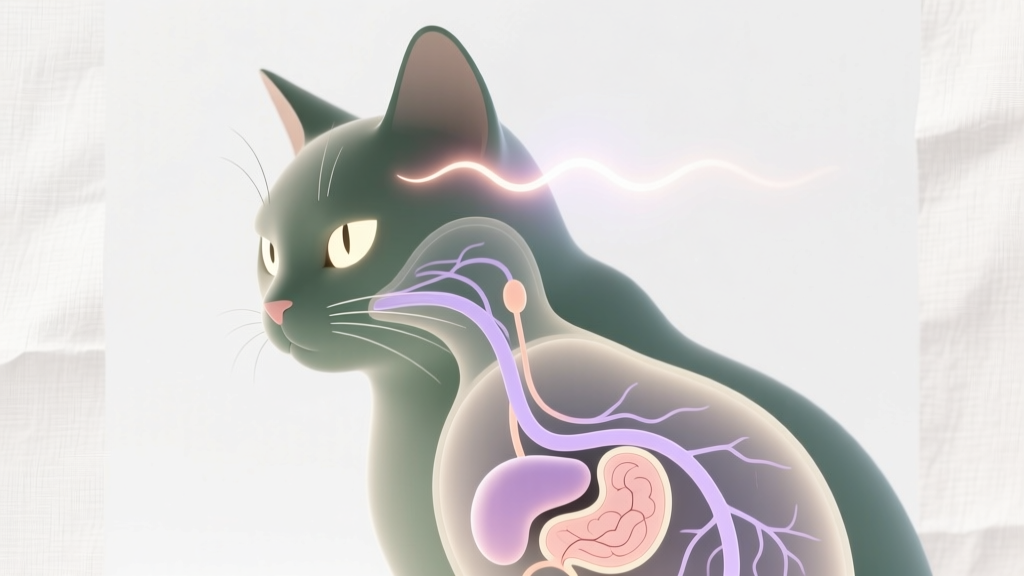
A stroke happens when part of the brain suddenly loses normal blood flow or bleeds. Brain cells rely on a steady supply of oxygen and nutrients. When that supply is interrupted, neurological signs appear—often within minutes to hours.
In cats, strokes are generally grouped into two types:
- Ischemic stroke: a blood vessel is blocked (often by a clot), reducing blood flow to a region of the brain.
- Hemorrhagic stroke: a blood vessel ruptures and bleeding occurs in or around the brain.
Not every sudden “wobbly cat” is having a stroke. Several conditions can look similar, including vestibular disease (inner ear or balance system problems), toxin exposure, low blood sugar, seizures, brain tumors, inflammation, or severe blood pressure changes. That’s why veterinary evaluation is essential.
Recovery basics: Improvement comes from two processes—healing of affected tissue and the brain’s ability to “rewire” and compensate. Many cats show noticeable gains in the first days to weeks, with continued progress possible over months depending on the cause and the area affected.
3. Symptoms and warning signs to watch for
Stroke signs vary depending on which area of the brain is involved. Some cats have dramatic symptoms; others show subtle changes that are easy to miss.
Common stroke signs in cats
- Sudden loss of balance (stumbling, falling, rolling)
- Head tilt
- Circling or drifting to one side
- Weakness on one side of the body (may look like dragging a leg)
- Ataxia (uncoordinated walking)
- Nystagmus (rapid, involuntary eye movements)
- Changes in pupil size or unequal pupils
- Confusion, staring, or getting “stuck” in corners
- Seizures (sometimes, depending on the cause)
- Sudden vision changes (bumping into objects, acting startled)
Signs that suggest recovery progress
Every cat’s timeline is different, but these are encouraging trends:
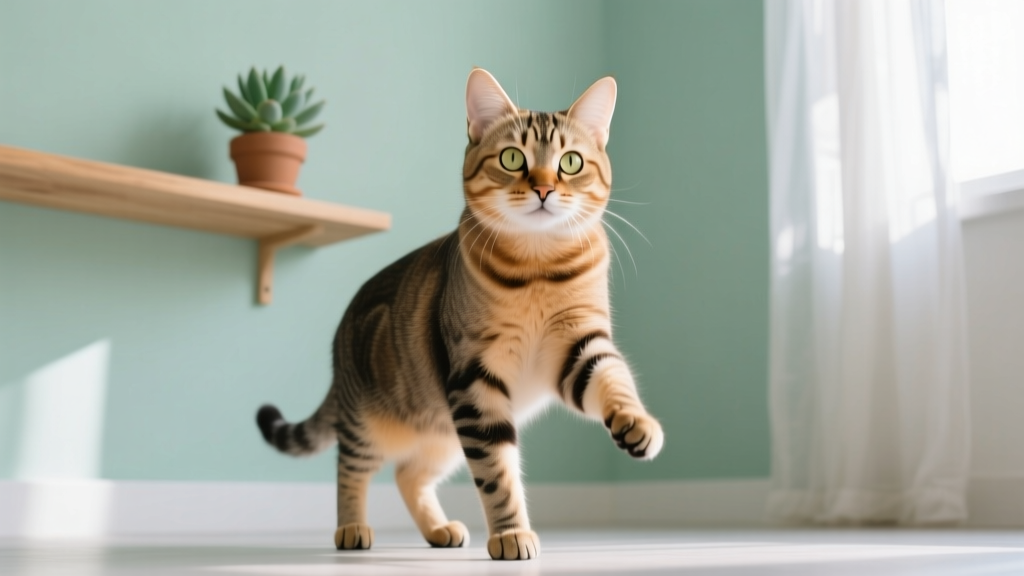
- Improved steadiness: fewer falls; walking becomes more purposeful
- Reduced head tilt or better ability to hold the head level
- Less circling and improved ability to navigate rooms
- Eyes “settle”: nystagmus decreases or disappears
- More normal appetite and hydration
- Better litter box use: fewer accidents as coordination returns
- Return of normal behaviors: grooming, seeking attention, playing in short bursts
- More restful sleep and less agitation
Red flags during recovery
- Symptoms worsening after initial improvement
- New symptoms (new seizures, new weakness, sudden blindness)
- Persistent vomiting or inability to keep water down
- Not eating for 24 hours (or eating far less than usual for more than a day)
- Labored breathing, open-mouth breathing, or blue/pale gums
4. Causes and risk factors
In cats, strokes can be associated with underlying conditions that affect blood vessels, blood pressure, clotting, or heart function. Sometimes, despite thorough testing, a clear cause is not found.
Common risk factors and related conditions
- High blood pressure (hypertension): often linked to kidney disease or hyperthyroidism
- Heart disease: certain heart conditions can increase clot risk
- Kidney disease: can contribute to hypertension and metabolic imbalance
- Hyperthyroidism: may raise blood pressure and stress the cardiovascular system
- Diabetes mellitus: may increase vascular risk in some cats
- Clotting disorders (less common but possible)
- Inflammation or infection affecting the brain or blood vessels
- Trauma (can contribute to bleeding in or around the brain)
- Toxins (some can mimic stroke signs rather than cause a true stroke)
What this means for recovery tracking
Recovery progress isn’t just about neurological improvement. It also depends on whether the underlying trigger is identified and controlled. A cat with well-managed blood pressure and thyroid levels often has a smoother path than a cat whose root cause is still active.
5. Diagnosis: what to expect at the vet
Because stroke-like signs can have multiple causes, diagnosis is a step-by-step process. Your veterinarian’s immediate goal is to stabilize your cat and rule out emergencies that need rapid treatment (such as low blood sugar, toxin exposure, severe blood pressure problems, or ongoing seizures).
Typical components of a stroke workup
- Physical and neurological exam: evaluates balance, reflexes, eye movements, and cranial nerve function
- Blood pressure measurement: crucial for cats with sudden neurologic signs
- Bloodwork and urinalysis: screens for kidney disease, infection, anemia, electrolyte issues, thyroid disease, diabetes, and more
- Thyroid testing (often recommended for middle-aged and senior cats)
- Imaging: MRI is the most informative for brain tissue; CT can be helpful in some cases, especially for bleeding or certain lesions
- Chest X-rays and/or echocardiogram: may be recommended if heart disease is suspected
If advanced imaging isn’t available right away, your veterinarian may treat supportively based on clinical signs and focus on managing risk factors while monitoring response.
6. Treatment options: medical care, supportive care, and home nursing
There is no single “stroke pill” for cats. Treatment is tailored to the suspected stroke type and the underlying cause, along with supportive care to keep your cat safe and comfortable while the brain heals.
Medical management (common approaches)
- Blood pressure control: if hypertension is present, medication and monitoring are essential
- Treating underlying diseases: managing hyperthyroidism, kidney disease, diabetes, or heart disease
- Anti-nausea medications: for cats with dizziness or vomiting
- Fluids: if dehydrated or not drinking well (administered by your vet; sometimes taught for home in select cases)
- Seizure control: if seizures occur, anticonvulsants may be prescribed
- Pain control: if there is discomfort (never give human pain meds)
Depending on the suspected cause, your veterinarian may consider other medications. Only a veterinarian should decide whether drugs that affect clotting are appropriate, because risk varies and bleeding strokes require special caution.
Surgical options
Surgery is not commonly used for strokes themselves, but it may be recommended if imaging reveals an underlying issue that can be addressed surgically (for example, certain masses, bleeding related to trauma, or conditions affecting the middle/inner ear that mimic stroke signs).
Home care: practical steps you can start today
Home nursing makes a big difference in recovery. Your goals are safety, hydration and nutrition, medication consistency, and gentle support while coordination returns.
- Create a “recovery suite”: a quiet room with dim lighting, soft bedding, food/water, and a low-entry litter box.
- Prevent falls: block stairs, keep your cat off high furniture, add rugs/yoga mats for traction, and use baby gates if needed.
- Make essentials easy: place food, water, and litter within a few steps of the bed.
- Support eating: offer warmed wet food, strong-smelling options (tuna water can entice, but don’t feed tuna exclusively), and small frequent meals. Ask your vet if appetite stimulants are appropriate.
- Assist hydration: multiple water bowls, a fountain if your cat likes it, and add water/broth (cat-safe) to wet food. If your cat won’t drink, call your vet promptly.
- Help with litter box access: use a shallow box or cut-down entry; consider pee pads temporarily for unstable cats.
- Medication routine: set alarms and keep a written log. If pilling is stressful, ask about liquids, transdermals, or other options.
- Gentle handling: move slowly, keep your cat’s body supported, and avoid sudden head movements that worsen dizziness.
How to track recovery progress at home (simple, reliable metrics)
Progress can be subtle day to day. Tracking a few consistent measures helps you see trends and gives your veterinarian valuable information.
- Mobility score (daily): 0–5 scale (0 = cannot stand, 5 = walks normally). Note slips/falls.
- Appetite and intake: estimate how much is eaten (all/half/a few bites) and whether drinking seems normal.
- Litter habits: urine and stool frequency; any accidents; straining or constipation.
- Behavior: alertness, interaction, grooming, hiding, irritability.
- Neurologic signs: head tilt angle (better/same/worse), circling frequency, eye movements.
- Weight (1–2 times weekly): unexpected loss can signal inadequate intake or ongoing disease.
Bring your notes (or a phone log) to rechecks. If your cat is safe to handle, short videos of walking or eye movements can be extremely helpful for your veterinarian.
7. Prevention strategies and early detection tips
Not all strokes are preventable, but many risk factors can be reduced. The most effective prevention is early detection and treatment of underlying disease.
Actionable prevention steps
- Schedule routine wellness exams: at least yearly for adult cats, every 6 months for seniors or cats with chronic disease.
- Check blood pressure when recommended: especially for older cats and those with kidney disease or hyperthyroidism.
- Screen senior cats: periodic bloodwork and urinalysis can catch kidney and thyroid issues early.
- Manage chronic conditions faithfully: give medications as prescribed and attend rechecks.
- Watch for subtle changes: increased drinking/urination, weight loss, restlessness, changes in appetite, or new behavior quirks deserve a veterinary call.
- Reduce toxin exposure: keep human medications, essential oils, lilies, rodenticides, and chemicals secured.
- Support heart health: if your cat has a murmur or known heart disease, follow your vet’s monitoring plan.
8. Prognosis and quality of life considerations
Many cats experience partial to significant improvement after a stroke-like event, especially when they receive prompt care and the underlying cause is treated. Some cats recover almost completely. Others have lasting effects, such as a mild head tilt or occasional unsteadiness.
Typical recovery timeline (general guide)
- First 24–72 hours: symptoms may fluctuate; nausea and disorientation can be prominent.
- First 1–2 weeks: many cats show clear improvement in balance and appetite with supportive care.
- Weeks to months: continued gains are possible as the brain compensates; rehabilitation-style support can help some cats.
Good quality of life can still be achievable
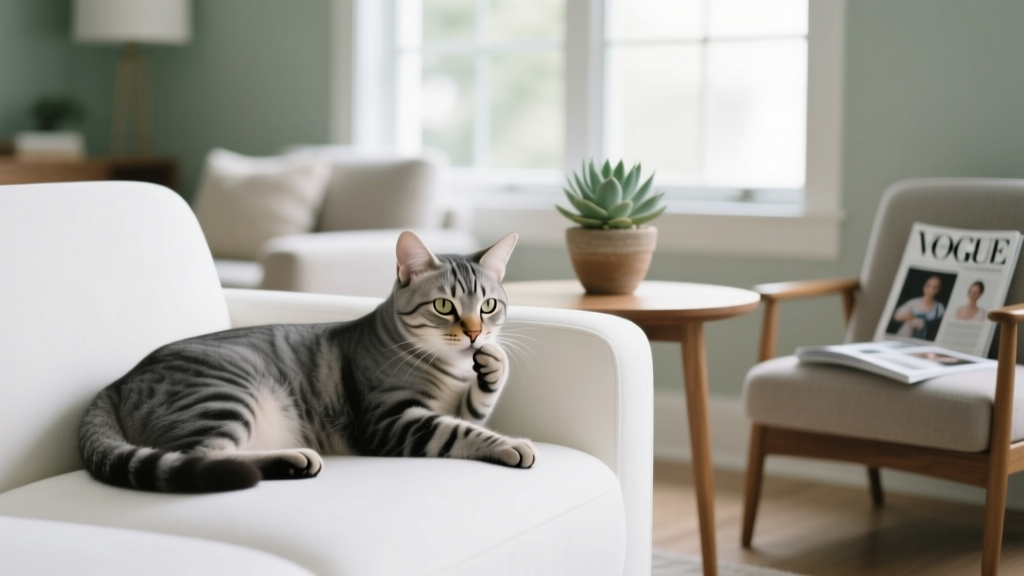
Cats are excellent at adapting. A cat who can eat, drink, use the litter box (with help if needed), and comfortably move around a safe environment can have a satisfying life even with mild residual deficits.
Consider talking with your veterinarian about quality-of-life check-ins if your cat has:
- Repeated episodes or worsening neurological signs
- Difficulty eating or maintaining weight
- Ongoing distress (persistent panic, vocalizing, inability to rest)
- Complications from an underlying disease that is hard to control
9. When to seek emergency veterinary care
If you suspect your cat is having a stroke or showing sudden neurological changes, treat it as an emergency. Rapid assessment can be lifesaving and may prevent complications.
Go to an emergency vet immediately if you see:
- Sudden inability to stand or walk
- Seizure activity (especially longer than 2–3 minutes or repeated seizures)
- Severe disorientation, collapse, or unresponsiveness
- Open-mouth breathing, struggling to breathe, or blue/pale gums
- Sudden blindness or unequal pupils with acute behavior change
- Repeated vomiting with weakness or signs of dehydration
- Known toxin exposure or possible ingestion of human medication
If your cat is stable but “not quite right,” call your veterinarian the same day for guidance. When in doubt, it’s safer to be seen.
10. FAQ: common questions about feline stroke recovery
How do I know my cat is actually improving?
Look for trends over several days rather than hour-to-hour changes. Meaningful signs include steadier walking, fewer falls, improved appetite, more normal sleep, reduced circling, and calmer, more familiar behavior. Keeping a simple daily log (mobility, eating, litter box use) makes progress easier to recognize and discuss with your vet.
Can my cat fully recover from a stroke?
Some cats recover extremely well, especially if the episode is mild and the underlying cause (like high blood pressure) is quickly controlled. Others may have permanent changes such as a slight head tilt. Your veterinarian can give the most accurate outlook after a neurological exam and, when available, imaging and lab results.
Is a head tilt always permanent after a stroke?
Not always. A head tilt may lessen over time as swelling resolves and the brain adapts. In some cats, a mild tilt remains but doesn’t interfere much with daily life. If the tilt suddenly worsens or returns after improving, contact your veterinarian.
What should I feed a recovering cat who seems nauseated or dizzy?
Offer small, frequent meals of wet food warmed slightly to enhance smell. Keep dishes close to your cat’s resting area, and use shallow bowls. If nausea is suspected, ask your veterinarian about anti-nausea medication rather than trying home remedies. If your cat won’t eat for 24 hours (or a kitten for much less), call your vet promptly.
Should I do physical therapy exercises with my cat?
Gentle support and safe movement can help, but exercises should be guided by your veterinarian. Some cats benefit from controlled, short “assisted walks” on non-slip surfaces, while others need strict rest initially. Avoid forcing movement—stress and falls can slow recovery.
Could this happen again?
Recurrence risk depends on the cause. A cat with uncontrolled hypertension or untreated hyperthyroidism is at higher risk than a cat whose underlying condition is stabilized. Follow-up visits, blood pressure monitoring, and consistent medication are key to reducing risk.
If your cat is recovering from a stroke or stroke-like episode, your veterinarian is your best partner—don’t hesitate to call with updates, questions, or concerns. For more supportive, cat-owner-friendly health guides, visit catloversbase.com and explore our growing library of cat wellness resources.