Cat Obesity: A Safe Weight Loss Plan That Works
The Scale of the Problem
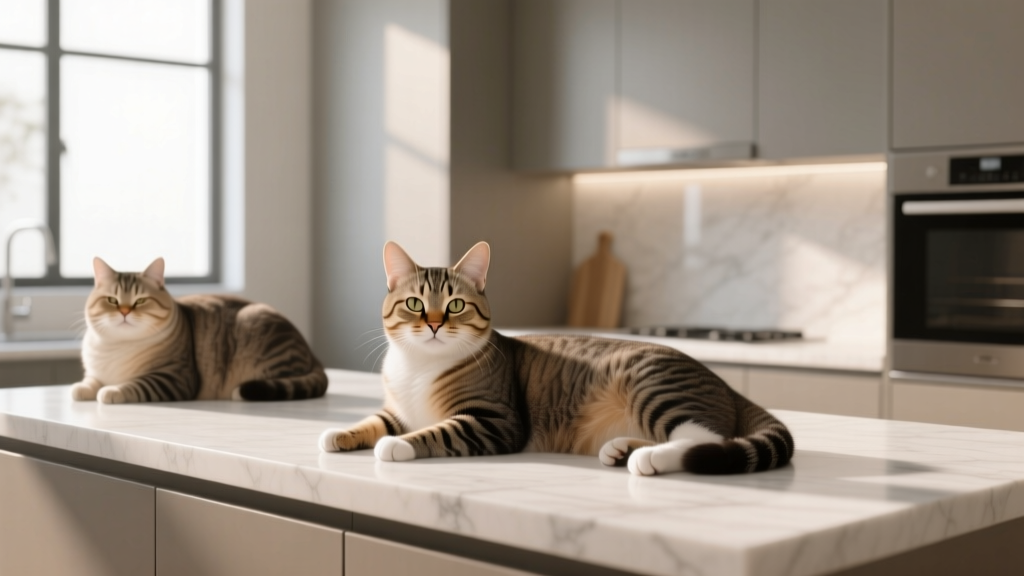
Approximately 60% of cats are overweight or obese. Obesity increases risk of diabetes, arthritis, heart disease, and fatty liver disease. A cat at ideal weight lives 2.5 years longer on average.
Is Your Cat Overweight?
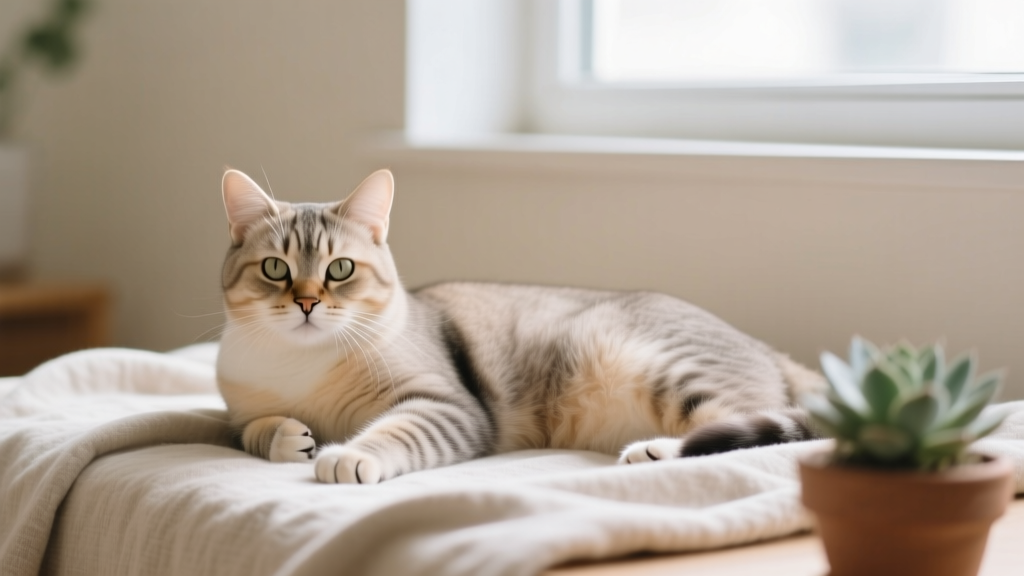
- Ribs: Feel ribs easily under a thin fat layer. If you have to press hard, your cat is overweight.
- Waist: Viewed from above, there should be a visible waist. Straight or bulging line = excess weight.
- Belly: From the side, the belly should tuck up behind the ribs.
Safe Weight Loss: Slow and Steady
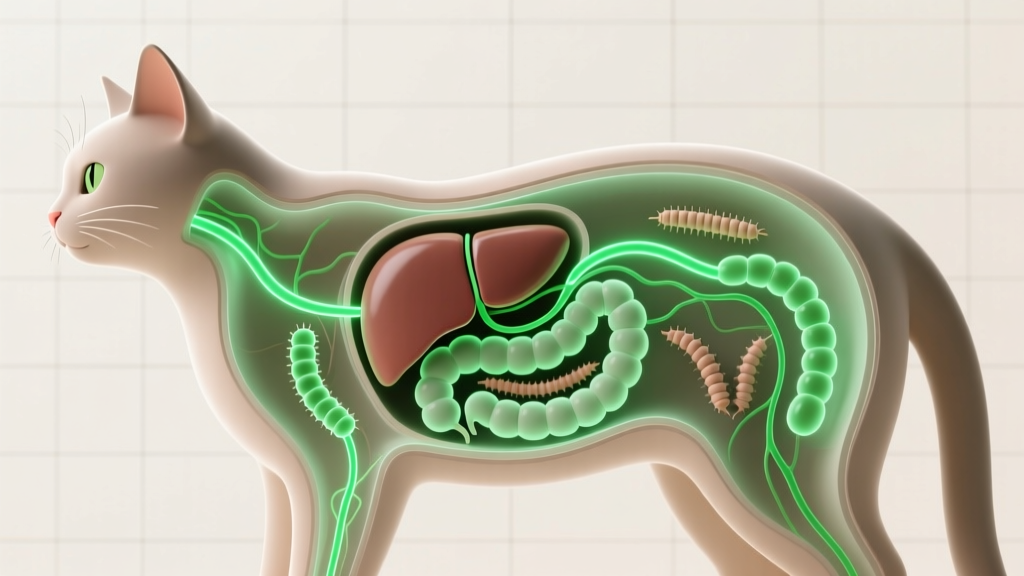
Cats must lose no more than 1-2% of body weight per week. Rapid loss causes hepatic lipidosis, a potentially fatal liver condition. A 15-pound cat should lose no more than 2-4 ounces per week.
Feeding Strategy
- Calculate target calories: Ideal weight in kg × 30 + 70. For a 10-pound cat: ~205 cal/day.
- Measure precisely: Use a kitchen scale, not a measuring cup.
- Switch to wet food: Fewer calories per gram due to water content.
- Automatic feeders: Small meals 4-6 times daily.
Increasing Activity
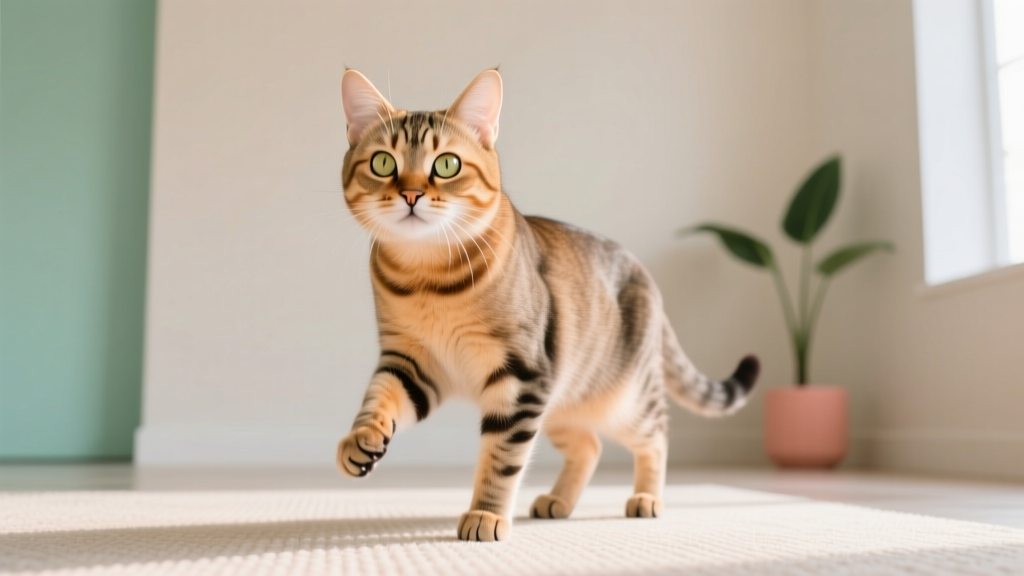
- Move the food bowl to different rooms each meal
- Use food puzzles requiring movement
- Short play sessions (3-5 minutes), gradually increasing
Monitoring Progress
Weigh weekly on a kitchen scale. Record the weight. If stalled for two weeks, reduce calories by 10%. If losing more than 2% per week, increase slightly.