Cat Hairball Prevention: Natural Tips
Why Cats Get Hairballs
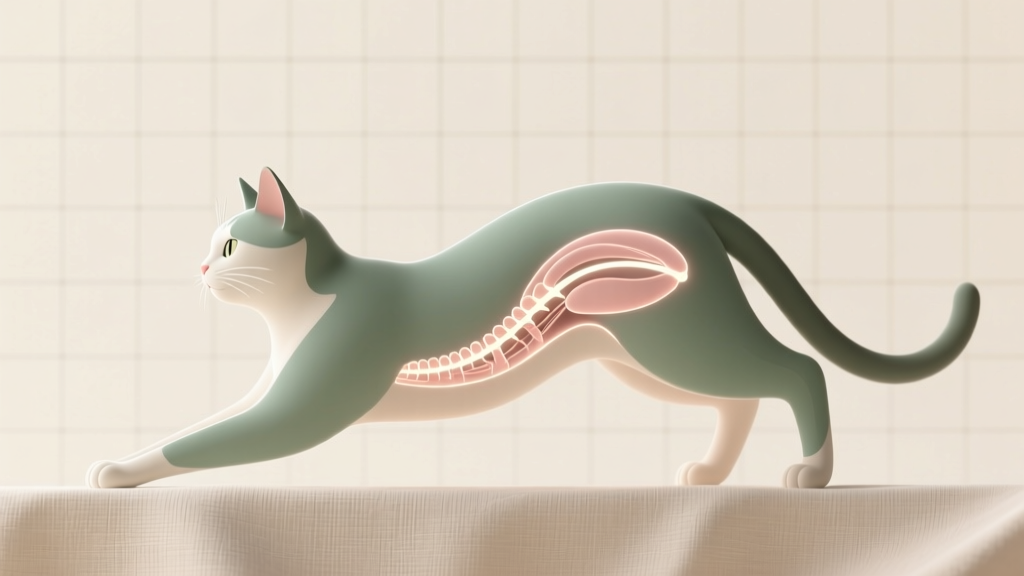
Cats spend 30-50% of their waking hours grooming, and their tongues are covered in backward-facing barbs that trap loose fur. Most swallowed hair passes through the digestive tract, but some accumulates and forms trichobezoars (hairballs) that cats vomit up.
When Hairballs Become a Problem
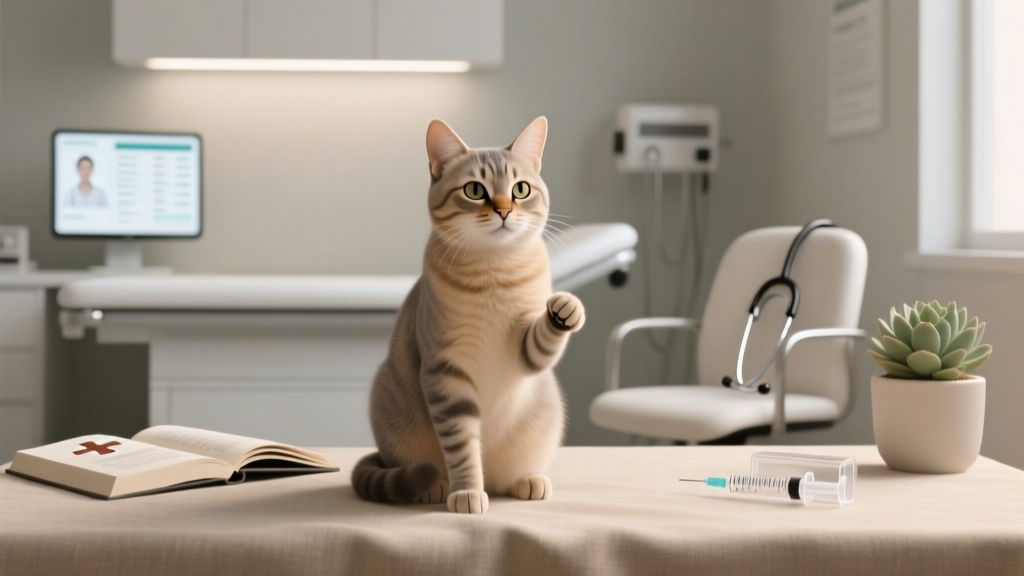
Occasional hairballs (once a month or less) are normal. Seek veterinary attention if your cat:
- Produces hairballs more than twice a month
- Gags repeatedly without producing a hairball
- Has decreased appetite alongside hairball episodes
- Shows constipation or diarrhea
- Has a swollen or painful abdomen
Natural Prevention Strategies
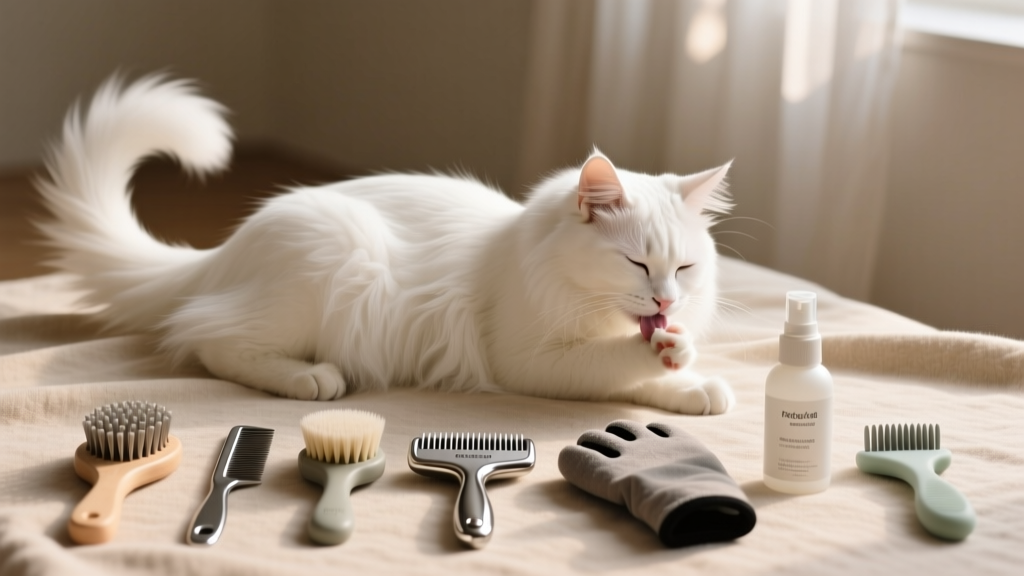
Regular Brushing
The single most effective prevention method:
- Short-haired cats: Brush 2-3 times per week
- Long-haired cats: Daily brushing essential
- Use a deshedding tool during heavy shedding seasons
- Remove loose fur before your cat can swallow it
Dietary Fiber
- Pumpkin puree — 1/2 teaspoon daily helps move hair through the gut
- Psyllium husk — tiny pinch mixed into wet food
- Cat grass — provides natural fiber and encourages vomiting of trapped hair
- High-fiber cat foods — some formulas designed specifically for hairball control
Hydration
- Wet food increases overall water intake
- Cat water fountains encourage drinking
- Multiple water stations around the house
- Proper hydration keeps the digestive tract moving smoothly
Lubricants and Supplements
- Olive oil — 1/4 teaspoon once weekly (not daily — too many calories)
- Coconut oil — small amounts, some cats find it palatable
- Egg yolk — contains lecithin that may help fat digestion
- Fish oil supplements — improve coat health, reducing loose fur
What Not to Do
- Don't use petroleum-based hairball remedies long-term (they can block vitamin absorption)
- Don't shave your cat to prevent hairballs — their coat regulates temperature
- Don't ignore frequent hairballs — they can indicate GI motility problems