Cat Eye Discharge: Common Causes
Normal vs Abnormal Discharge
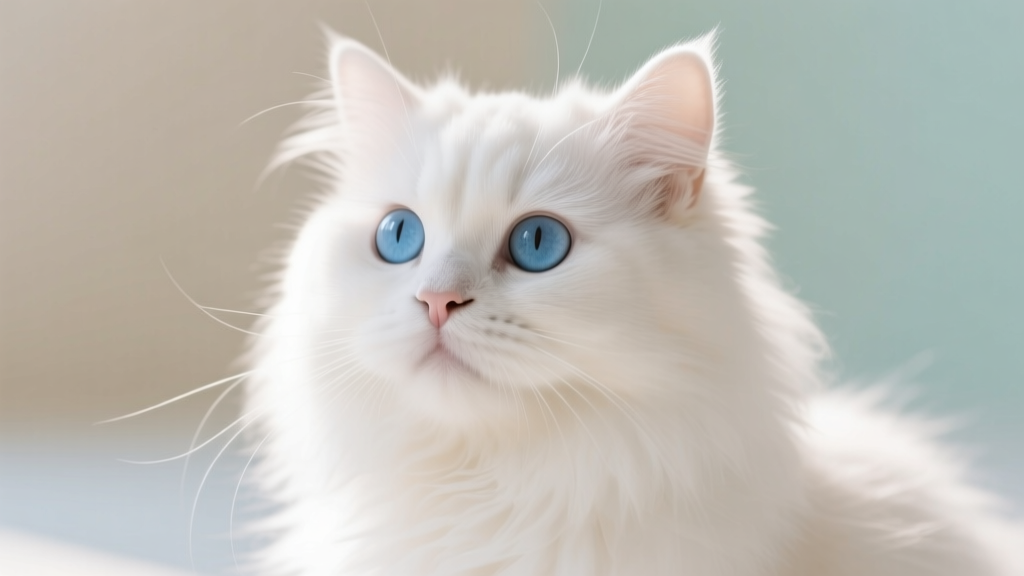
Small amounts of clear or slightly cloudy discharge in the corners of the eyes are normal, especially in brachycephalic breeds like Persians. Changes in color, amount, or consistency signal problems.
Types of Discharge
Clear and Watery
Often caused by allergies, irritants (dust, smoke), or viral infections like feline herpesvirus. Usually resolves on its own.
Yellow or Green
Indicates bacterial infection. Common causes include conjunctivitis, upper respiratory infections, or corneal ulcers. Requires veterinary treatment.
Brown or Rust-Colored
Common in flat-faced breeds due to tear overflow (epiphora). The staining is from porphyrins in tears. Cosmetic but can indicate blocked tear ducts.
Thick and Mucus-Like
Often associated with dry eye (keratoconjunctivitis sicca) or chronic conjunctivitis. Requires veterinary diagnosis and treatment.
Common Causes
- Feline herpesvirus (FHV-1)—most common cause of eye issues in cats
- Chlamydia felis—bacterial conjunctivitis
- Allergies—pollen, dust, cleaning products
- Foreign bodies—grass seeds, dust particles
- Corneal ulcers—from scratches or fights
- Blocked tear ducts—common in Persians
Home Care
Gently wipe discharge with a damp, soft cloth. Use a separate cloth for each eye. Never use human eye drops on cats.
When to See a Vet
Visit the vet if discharge is green/yellow, the eye is squinted or red, the cat is pawing at the eye, or if discharge persists more than 24 hours.