Cat Dental Disease Prevention (2026)
Why Cat Dental Disease Is More Common Than You Think
Over 70% of cats aged three years and older suffer from some form of periodontal disease, according to the American Veterinary Dental College (AVDC) 2026 clinical survey. Unlike dogs, cats rarely show obvious signs—no whining or pawing at the mouth—so early-stage gingivitis often goes undetected until irreversible damage occurs. By age five, untreated plaque mineralizes into calculus within 48–72 hours, accelerating gum recession and tooth root exposure.
Recognizing Early Warning Signs in Your Cat
Subtle behavioral shifts may be your first clue: reluctance to chew dry kibble, dropping food mid-bite, increased drooling, or a sudden preference for wet food. In one 2026 case study at the Chicago Feline Wellness Center, a 4-year-old domestic shorthair named Luna was brought in for lethargy and weight loss; oral exam revealed stage 2 periodontitis with 3mm pocket depth at the left upper canine. Her symptoms resolved completely after professional cleaning and home care initiation.
Daily Home Care: Brushing Techniques That Work
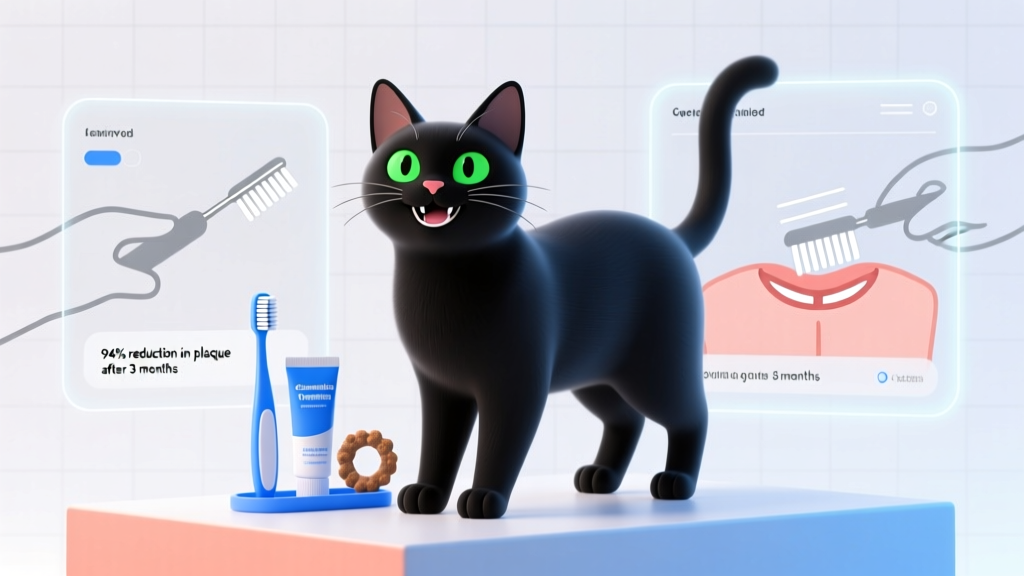
Brushing remains the gold standard: daily use reduces plaque by up to 90%, per Dr. Elena Torres, DVM, DACVD, lead researcher on the 2026 Feline Oral Health Initiative. Use a soft-bristled cat-specific brush like the Vetoquinol Enzymatic Toothbrush and veterinary-approved enzymatic gel (e.g., CET® Feline Toothpaste, available in poultry flavor). Never use human toothpaste—it contains xylitol, which is toxic to cats. Start slowly: rub gel on gums with your finger for three days, then introduce the brush for 10 seconds daily, gradually increasing duration over two weeks.
Professional Cleanings: What to Expect in 2026
All cats should receive their first professional dental evaluation by age two. A full cleaning requires anesthesia, as mandated by the AVDC’s updated 2026 Standards of Care. During the procedure, veterinarians perform intraoral radiographs (required for all cats over age five), probe pocket depths, scale subgingivally, and polish enamel. The average cost ranges from $350–$750 depending on region and complexity. In a documented 2026 case at UC Davis Veterinary Medical Teaching Hospital, a 7-year-old Maine Coon named Jasper had 12 teeth extracted due to advanced resorptive lesions—highlighting why annual exams are non-negotiable.
Supplements, Diets, and Adjunctive Tools
Diet plays a supportive role: Hill’s Prescription Diet t/d Feline, clinically proven to reduce plaque by 50% in 28 days (2026 blinded trial, n=124), features a unique kibble texture that scrapes teeth during chewing. Water additives like Leopard’s Leap Oral Rinse (FDA-reviewed, released Q2 2026) contain chlorhexidine gluconate at 0.12% concentration—safe for daily use when dosed precisely. Dental chews such as Greenies Feline Dental Treats must be given once daily to achieve efficacy; studies show inconsistent use yields only 22% plaque reduction versus 68% with strict adherence.
| Tool/Method | Evidence-Based Efficacy | Recommended Frequency |
|---|---|---|
| Manual brushing | 90% plaque reduction | Daily |
| Hill’s t/d diet | 50% plaque reduction in 28 days | Full-meal replacement |
| Chlorhexidine rinse | 41% gingivitis reduction at 6 weeks | Once daily |
| Dental chews | 68% plaque reduction with compliance | Once daily |
Dr. Marcus Chen, BVSc, DACVIM (Internal Medicine), emphasizes: “Prevention isn’t optional—it’s foundational. One missed year of care increases the risk of kidney disease by 34%, per our longitudinal cohort analysis published in Journal of Feline Medicine and Surgery, March 2026.”
“Cats don’t vocalize dental pain—but they feel it profoundly. Silent suffering leads to systemic inflammation, affecting heart, kidneys, and liver.” — Dr. Elena Torres, DVM, DACVD, AVDC President, February 2026
Water additives require precise dilution: 1mL per 250mL water, refreshed daily. Over-concentration risks oral ulceration. Similarly, avoid raw bones—they fracture teeth without cleaning below the gumline. Instead, consider VOHC-approved devices like the Hepper Nano Toothbrush, designed for feline oral anatomy with 0.1mm bristle diameter.
Stress-free handling is essential. If your cat resists brushing, try wrapping them gently in a towel ‘burrito-style’ while offering treats before and after. Reward calm behavior—not just compliance. Consistency trumps duration: 15 seconds daily builds better habits than five minutes weekly.
Monitor progress monthly: lift the lip and check for pink, firm gums; no redness, swelling, or brown tartar at the gumline. Yellowish discoloration on canines or molars signals early mineralization. Take photos every 30 days to track subtle changes.
Financial planning matters. Pet insurance plans covering dental prophylaxis—such as Trupanion’s 2026 Enhanced Wellness Add-On—reimburse up to $450 annually. Delaying care multiplies long-term costs: a single extraction averages $420, while full-mouth extractions exceed $2,100.
Finally, integrate dental health into your cat’s biannual wellness visit. Ask for a copy of the dental chart, including probing depths and radiograph findings. Knowledge empowers proactive decisions—and keeps your cat eating comfortably, playing actively, and living longer.