Cat Dental Care at Home: 5 Easy Steps
Why Dental Care Matters
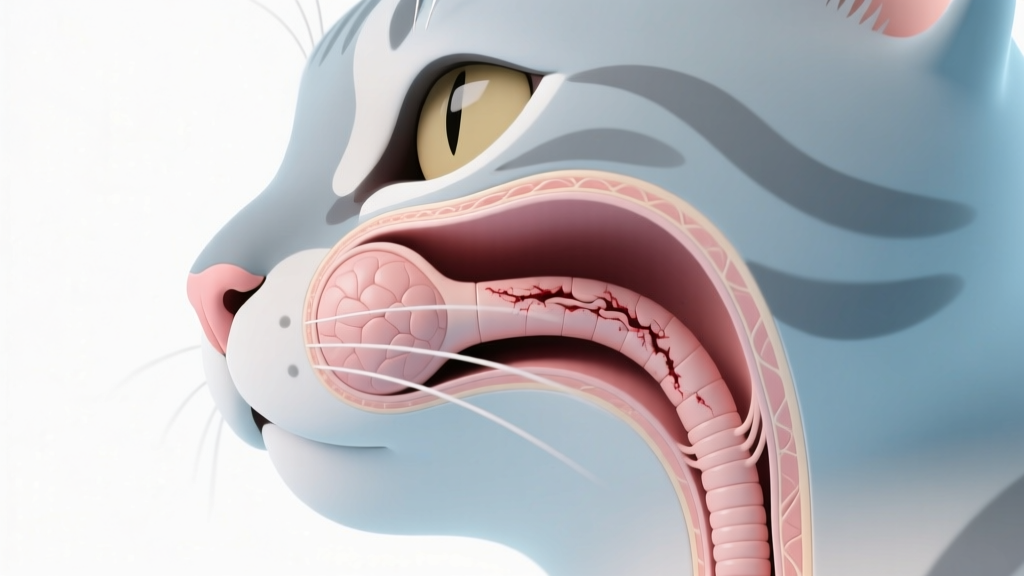
By age three, 70% of cats show signs of dental disease. Periodontal disease causes pain, tooth loss, and can spread bacteria to the heart and kidneys. Home dental care is the most effective prevention strategy.
Step 1: Get Your Cat Used to Mouth Handling
Start by gently lifting your cat's lip while giving treats. Do this daily for a week before introducing any tools. Patience here prevents fighting later.
Step 2: Introduce Pet Toothpaste
Let your cat taste veterinary toothpaste (never use human toothpaste — fluoride is toxic to cats). Poultry or malt flavors are popular. Let them lick it off your finger first.
Step 3: Use a Finger Brush
Apply toothpaste to a soft finger brush and gently rub along the outer teeth and gumline. Focus on the upper premolars where plaque accumulates fastest. Even 30 seconds helps.
Step 4: Dental Treats and Diets
VOHC-approved dental treats have a textured surface that mechanically scrubs teeth. Prescription dental diets like Hill's t/d use enlarged kibble that requires chewing.
Step 5: Annual Vet Cleanings
Professional cleaning under anesthesia removes tartar below the gumline that brushing cannot reach. Most cats need annual cleanings starting at age 2-3.
Warning Signs of Dental Disease
- Bad breath (halitosis)
- Drooling or pawing at the mouth
- Red, swollen, or bleeding gums
- Difficulty eating or dropping food
- Loose or discolored teeth
If you notice any of these signs, schedule a veterinary dental exam promptly. Early intervention prevents expensive extractions and systemic infections.