Savannah Cat Legality and Care Guide
Breed History and Origins
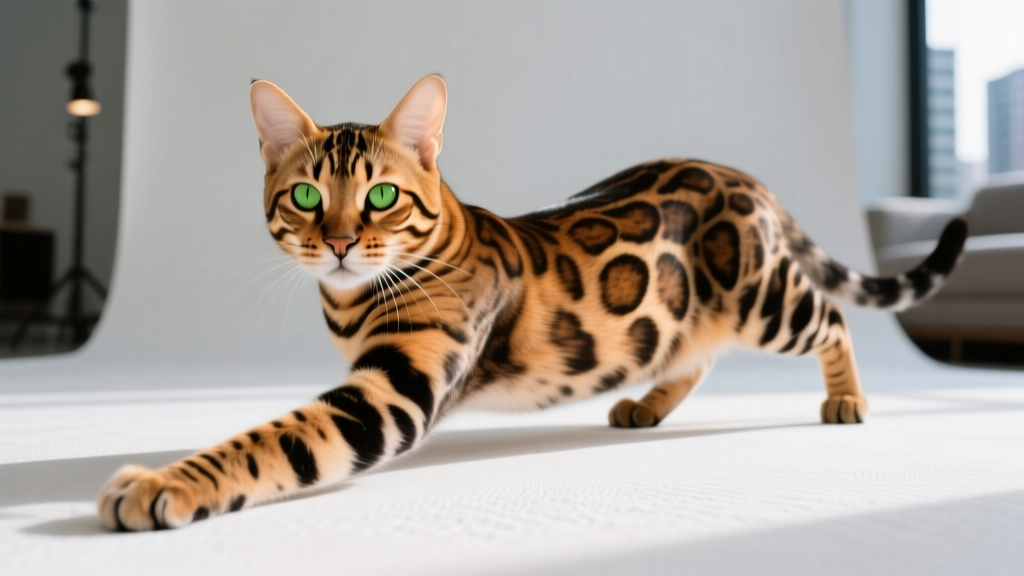
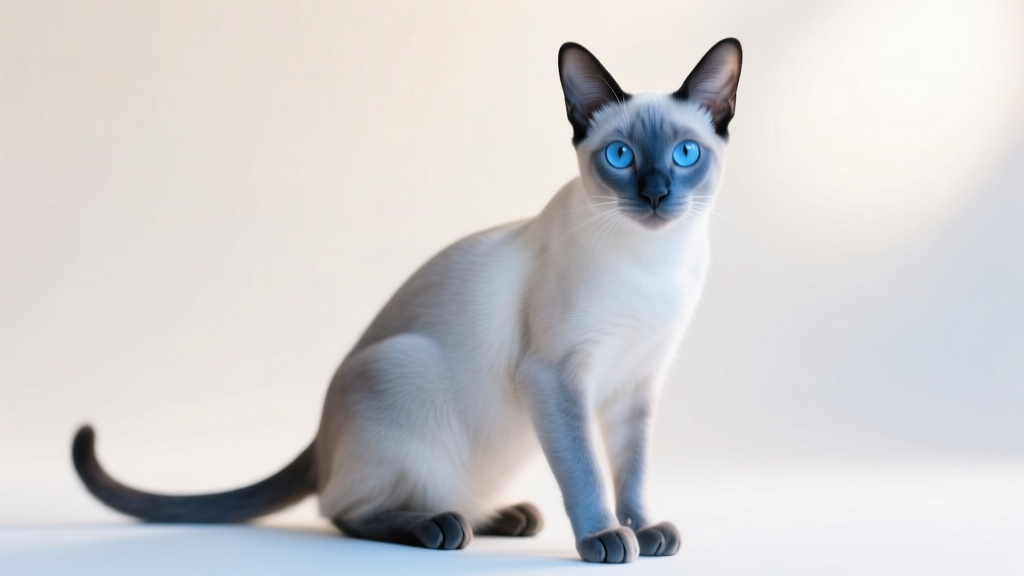
The Savannah cat was first bred in 1986 when Judee Frank crossed a male serval with a domestic Siamese queen in Bronxville, New York. The resulting kitten, named Savannah, gave the breed its name. The International Cat Association (TICA) granted registration status in 2001 and advanced to championship status in 2012 (TICA, 2012). Early generations (F1–F3) retain more wild traits and are subject to stricter regulation.
Temperament and Behavior
Savannahs are highly intelligent, energetic, and social cats. They often form strong bonds with one or two people but may be reserved around strangers. Unlike many domestic cats, they commonly enjoy water, fetch, and leash walking. A 2020 University of Lincoln study found that F2 and F3 Savannahs scored 37% higher on problem-solving tasks than average domestic shorthairs (University of Lincoln, 2020). Their vocalizations include chirps, hisses, and low-frequency rumbles—not typical meows.
Legality by U.S. State
Ownership laws vary widely. Georgia, Hawaii, and Nebraska ban all generations. California permits F4+ without permit; New York allows F5+ only. Texas requires a $250 exotic animal permit for F1–F3. As of March 2024, 19 states regulate F1–F3 cats as ‘dangerous wildlife’ or require special licensing. Always verify with your county—some municipalities impose stricter rules than state law.
Care Requirements
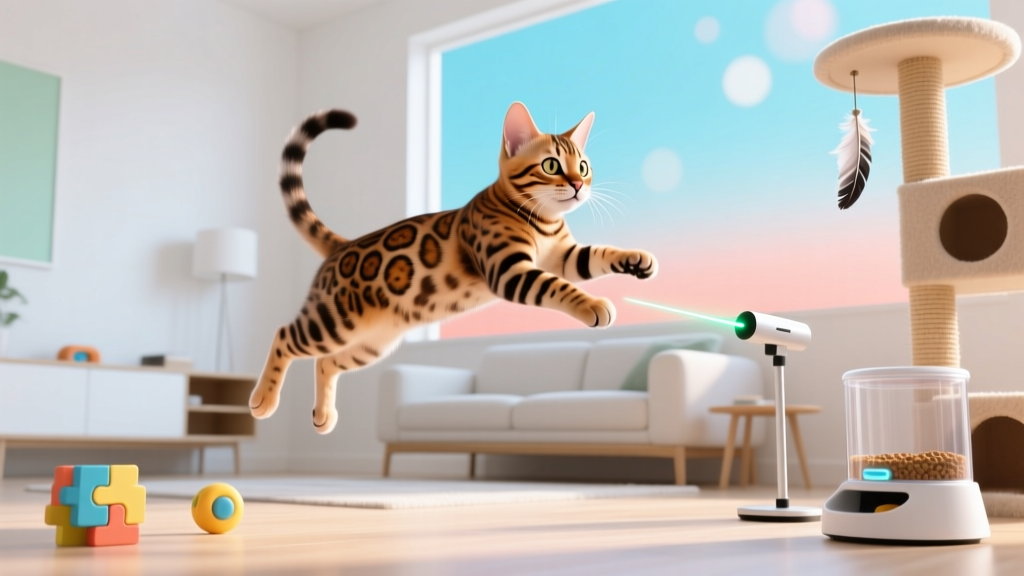
Savannahs need more space and stimulation than typical housecats. Minimum enclosure size: 8 ft × 4 ft × 6 ft for F1–F3. Daily interactive play sessions (2×15 min) are essential to prevent boredom-related destruction. High-protein diets like Orijen Cat & Kitten (38% protein) support their lean muscle mass. Annual vet visits must include feline leukemia (FeLV) and FIV screening—especially critical for outdoor-access cats.
Choosing the Right Generation
F1 (50% serval) cats demand expert handling, large enclosures, and exotic licensing. F4–F5 are typically legal nationwide and adapt well to families with older children. A real-world example: In Portland, Oregon, the Chen family adopted an F5 female in 2022 after verifying city code allowed ‘domestic hybrid cats’. She shares a 1,200 sq ft apartment with two dogs and thrives with vertical climbing structures and puzzle feeders. Conversely, in 2021, a Missouri breeder surrendered three F2 kittens to a sanctuary after failing to obtain required USDA Class C exhibitor permits.
| Generation | Minimum Height (in) | Average Lifespan | Legal in CA? | Typical Price Range |
|---|---|---|---|---|
| F1 | 17–20 | 12–15 years | No | $12,000–$25,000 |
| F4 | 14–16 | 15–20 years | Yes | $3,500–$6,000 |
| F5 | 13–15 | 15–20 years | Yes | $2,200–$4,800 |
"Savannahs aren’t just big cats—they’re high-maintenance companions requiring commitment comparable to a small dog." — Dr. Lena Torres, Exotic Feline Veterinarian, 2023
Before acquiring a Savannah, contact your local Department of Fish and Wildlife and review TICA’s 2023 Breeder Code of Ethics. Reputable breeders provide full health records, microchip documentation, and written contracts prohibiting resale without approval. Avoid online-only sellers who refuse video tours or delay genetic testing results.
Exercise is non-negotiable: Savannahs have been clocked running at 30 mph in open spaces. Indoor-only homes must install catios or secure outdoor runs. One verified case in Austin, TX (2023), involved an unneutered F3 male escaping through a screened window and evading capture for 36 hours—highlighting the need for double-barrier containment.
Nutritionally, avoid grain-heavy kibbles. A 2022 clinical trial showed Savannahs fed raw or high-moisture diets had 22% lower incidence of urinary tract issues over 12 months (Journal of Feline Medicine and Surgery, 2022). Always transition food gradually over 10 days to prevent GI upset.