Russet Cat: Red-Brown Coat Color Breed
If you’ve ever wished for a cat that looks like it was brushed with cinnamon, copper, and warm sunlight, meet the Russet cat. This rare breed is beloved for its rich red-brown (russet) coat color—an earthy, glowing shade that stands out even in a room full of gorgeous felines. For cat lovers who enjoy something unusual (and a little mysterious), the Russet is a true conversation starter.
What makes the Russet cat especially fascinating isn’t only the color—it’s the whole package: a sleek, athletic body; expressive, often amber-toned eyes; and a personality that tends to be curious, people-focused, and full of playful spark. Russets are not a “see them everywhere” breed. They’re still uncommon, and that rarity adds to their appeal for breed researchers and enthusiasts who love learning about emerging or less widely established cats.
Let’s get to know the Russet cat from nose to tail: where it came from, how it’s built, what it’s like to live with, and what prospective owners should realistically expect.
Breed History and Origin
The Russet cat is most closely associated with development efforts in India, with early lines traced to naturally occurring red-brown cats and carefully planned breeding to preserve and strengthen the signature russet coloration. The name “Russet” reflects the defining coat shade—a warm reddish-brown—rather than a geographic region.
Unlike centuries-old breeds with long-established international registries, the Russet is considered rare and still developing in many places. Some cat organizations and breeders treat it as a developing breed or a regional specialty rather than a widely standardized, globally recognized breed. That means you may see some variability in type depending on the breeder line, and you’ll want to ask thoughtful questions about lineage, health testing, and temperament when researching kittens.
For breed historians, the Russet is a great example of how distinctive coat genetics and selective breeding can shape a cat “type” over time. For cat owners, it means you’re likely to meet a Russet through specialty breeders or local cat communities rather than through mainstream channels.
Physical Characteristics
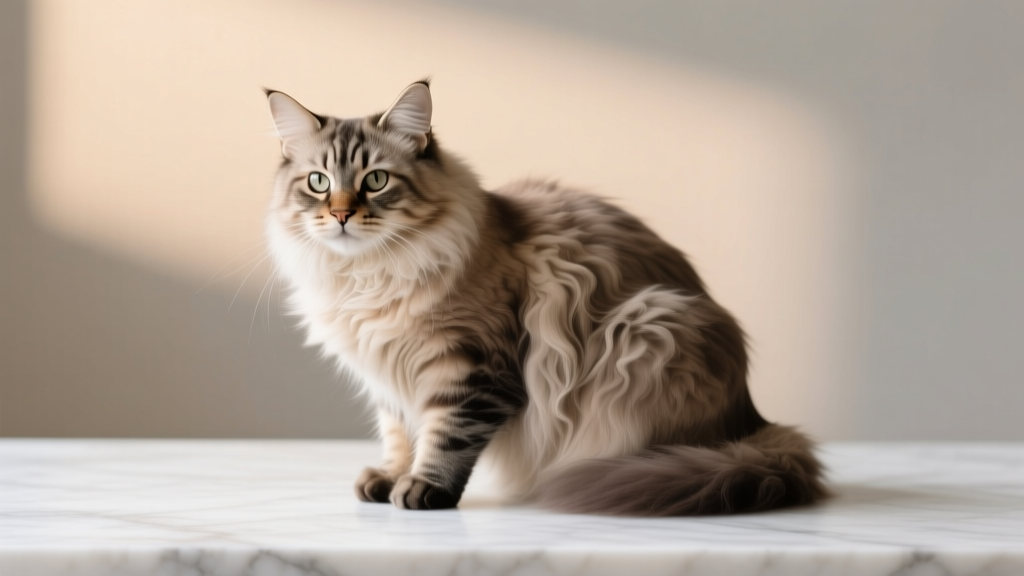
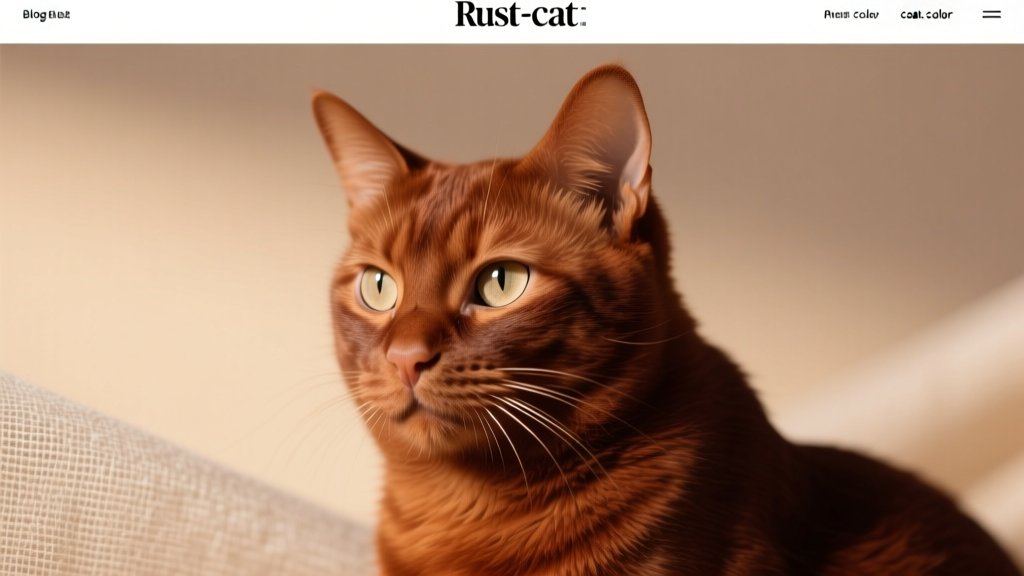
The Russet cat is generally a medium-sized, athletic cat with a sleek frame and a coat color that ranges from warm reddish-brown to deeper cinnamon-chocolate tones. The overall impression is often described as “wild-hued” despite a thoroughly domestic temperament.
| Feature | Typical Russet Traits |
|---|---|
| Size | Medium (varies by line) |
| Weight | Approx. 6–10 lb (2.7–4.5 kg); some may be slightly outside this range |
| Body Type | Lean, athletic, agile; balanced proportions |
| Coat Length | Typically short; smooth and close-lying |
| Coat Texture | Silky to satiny; often glossy |
| Eye Color | Often amber/gold tones; may vary |
| Distinctive Look | Red-brown “russet” coat color; warm-toned overall appearance |
Coat and Colors
When people search for “Russet cat red-brown coat,” they’re usually hoping for that unmistakable warm shade that looks almost toasted—like cinnamon, copper, or burnished mahogany. Within Russet lines, you may also see subtle shading differences:
- Russet red-brown: the hallmark tone—warm, reddish, earthy brown
- Deeper cinnamon/chocolate-leaning russet: still warm, often richer in low light
- Possible faint markings: in some cats, ghost striping or subtle patterning may appear, especially in kittens
Because the breed is rare and still developing in various regions, coat shade and intensity can vary. If coat color is your top priority, ask breeders for photos of parents and older siblings—mature coloration often “settles” with age.
Distinctive Features
- Warm, glowing coat tone that photographs beautifully in natural light
- Alert expression—many Russets have a bright, inquisitive look
- Athletic movement—they tend to look light on their feet and quick to pivot into play
Personality and Temperament Traits
Living with a Russet cat often feels like sharing your home with a friendly little explorer. While individual personalities vary (and early socialization matters a lot), many Russet owners describe their cats as people-aware, playful, and engaged with the household routine.
Commonly reported temperament traits include:
- Curious and investigative: they like to check out new sounds, bags, visitors, and “whatever you’re doing”
- Playful into adulthood: many stay kittenish longer than you’d expect
- Social and affectionate: often enjoys being near their humans; some are lap-inclined, others prefer close-by companionship
- Smart and interactive: puzzle toys, clicker training, and routine games are usually big hits
If you love a cat that will meet you at the door, supervise chores, and turn a simple feather wand into a thrilling daily event, the Russet may be a wonderful match.
Health Considerations and Common Issues
Because the Russet cat is rare and not as broadly documented as long-established breeds, there isn’t one universally agreed-upon list of “Russet-only” health problems. Many health outcomes depend more on the strength of a breeder’s program (genetic diversity, health screening, nutrition, early care) than on the coat color itself.
That said, responsible prospective owners should approach any rare breed with extra care. Ask breeders what they screen for and how they support long-term health in their lines. General feline issues that can affect many domestic cats—including Russets—include:
- Dental disease: tartar buildup and gingivitis are common across breeds
- Obesity: especially in indoor cats without enough play and enrichment
- Parasites: fleas, mites, and intestinal worms if preventatives aren’t consistent
- Stress-related urinary issues: some cats are prone to urinary discomfort if hydration and litter box habits aren’t ideal
Best practice: Choose a breeder who can share veterinary records, vaccination and deworming schedules, and who welcomes questions about longevity, temperament, and any known hereditary concerns in their lines.
Care Requirements (Grooming, Exercise, Diet)
Grooming
The Russet cat’s coat is usually short and close-lying, which keeps grooming pleasantly simple. You’ll still want to support that glossy finish with light routine care.
- Brushing: 1x per week with a soft brush or grooming glove; more during seasonal shedding
- Nails: trim every 2–4 weeks
- Ears: check weekly; clean only if debris is present and your vet has shown you how
- Teeth: dental-friendly diet plus brushing (even a few times per week helps) and periodic vet cleanings as recommended
Exercise and Enrichment
Russets tend to enjoy interactive play and climbing. Think of them as “busy minds in warm brown coats.” Keeping them active is good for weight management, muscle tone, and behavior.
- Daily play: 15–30 minutes total, split into short sessions
- Favorite toys: wand toys, small kickers, toy mice, and treat puzzles
- Climbing: cat trees, wall shelves, and window perches
- Training: many respond well to clicker training for sit, high-five, or coming when called
Diet
There’s no special “Russet-only” menu, but a high-quality, protein-forward diet is the foundation for coat condition and long-term wellness. Work with your veterinarian to choose the right food for your cat’s age and activity level.
- Hydration: encourage water intake with fountains and wet food meals
- Portion control: weigh food, don’t free-pour, especially for indoor cats
- Balanced nutrition: look for complete and balanced foods (AAFCO/FEDIAF-compliant, depending on region)
- Treats: keep to under 10% of daily calories
Compatibility with Families, Children, and Other Pets
A well-socialized Russet cat can be a lively, affectionate family member. Their playful, people-aware nature often makes them a fun fit for homes that enjoy interacting with their pets rather than simply coexisting.
- With children: often does well with gentle kids who understand cat boundaries; teach children to avoid grabbing, chasing, or interrupting meals and litter box time
- With other cats: usually workable with proper introductions; many enjoy a feline playmate
- With dogs: can succeed with calm, cat-savvy dogs and gradual introductions
- With small pets: caution is wise; supervise closely due to natural prey drive
The key is slow introductions and plenty of vertical space (cat trees, shelves) so the Russet can observe and feel secure.
Pros and Cons of Owning This Breed
| Pros | Cons |
|---|---|
|
|
FAQ: Russet Cat Breed
Are Russet cats a recognized breed everywhere?
Recognition can vary. In many places, the Russet is considered rare and developing, and it may not be formally recognized by every major cat registry. If registration matters to you, ask the breeder which organizations their cats are registered with (if any) and what documentation they provide.
Do Russet cats stay red-brown as they grow?
Many kittens deepen or “settle” into their adult coat shade over time. Some may show faint kitten markings (ghost striping) that become less noticeable with maturity. Ask to see adult cats from the same lines for the best idea of the final color.
Are Russet cats good indoor cats?
Yes—most do well indoors as long as they get daily play, climbing opportunities, and mental enrichment. A secure catio or harness training can be a great bonus for adventurous individuals.
How much grooming does a Russet cat need?
Typically minimal. A weekly brush is often enough to remove loose hair and keep the coat shiny, plus routine nail trims and dental care.
What should I ask a Russet breeder before buying a kitten?
- What health screening is done on parents?
- Can I see veterinary records for the litter (vaccines/deworming)?
- How are kittens socialized (handling, noises, litter training)?
- What is the return policy if circumstances change?
- Can I meet the parents or see videos/photos of them?
Is the Russet cat hypoallergenic?
No cat breed is truly hypoallergenic. Some people may react less to certain individual cats, but allergies usually relate to proteins in saliva and skin dander—not coat length or color.
Warm Final Thoughts
The Russet cat is a heart-stealer for people who adore rare breeds and unforgettable coat colors. That red-brown russet glow is the obvious head-turner, but the real joy often comes from their lively curiosity and desire to be part of daily life—whether that means chasing a toy across the living room or keeping you company while you work.
If you’re considering a Russet, take your time finding a responsible source, ask plenty of questions, and set your home up for an active, engaged cat. When everything clicks, you’ll have a companion that’s equal parts beautiful and brilliantly fun.
Want to keep exploring? Visit catloversbase.com for more cat breed profiles, care guides, and personality-packed deep dives into the world’s most captivating felines.