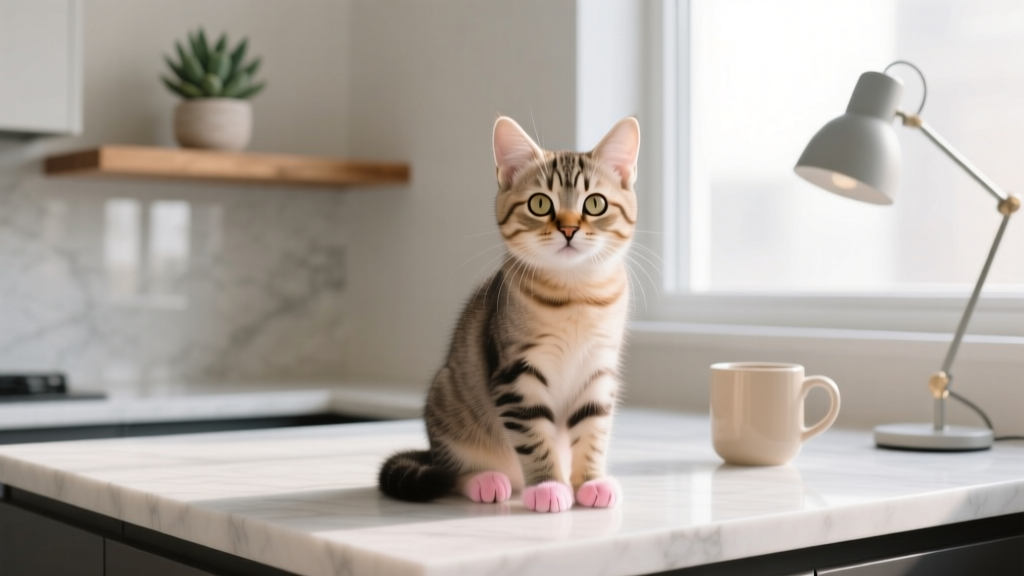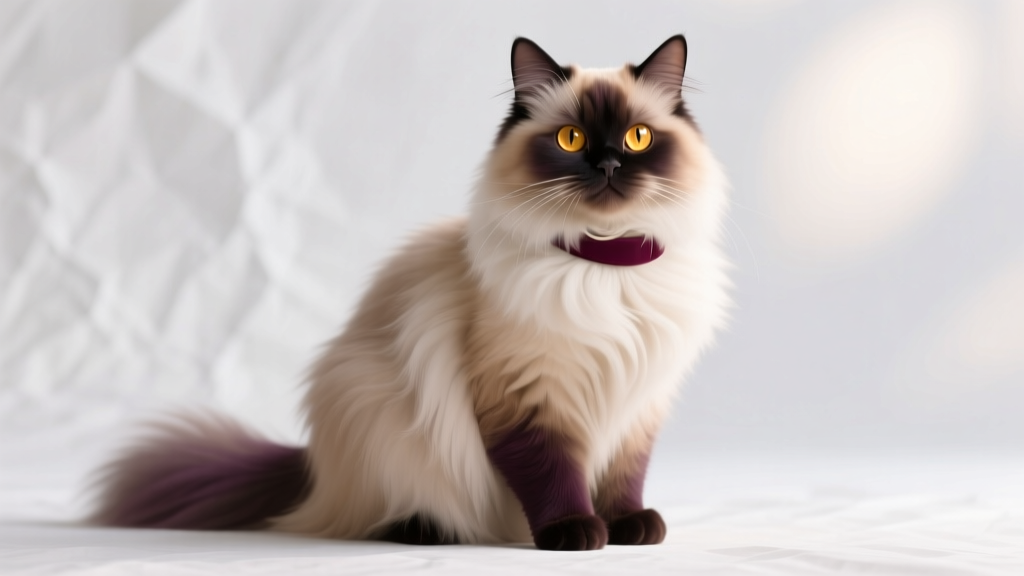
Coral Cat: Pink-Tone Coat Development
Imagine a cat whose coat looks like it’s been lightly brushed with the soft glow of a seashell—warm, rosy, and gently luminous. That’s the dream behind the “Coral Cat,” a term you’ll see online in posts and photos where a cat appears to wear a pink-toned coat. For cat lovers, it’s irresistible: part fairytale, part genetics, and part camera magic.
Here’s the honest, cat-loving truth: the Coral Cat is not a formally recognized pedigree breed with an established registry standard (like the Maine Coon or Siamese). Instead, it’s a popular nickname for cats—often domestic shorthairs/longhairs and occasionally specific breeds—whose coat color and undertone read as coral, blush, rosy cream, or “pinkish” in certain light. That doesn’t make them any less special. If anything, it makes them a fascinating window into how coat pigments, pattern genes, temperature, age, and lighting can create a truly unique look.
This guide covers the “Coral Cat” look from a breed-research angle: where the look comes from, what cats it shows up in most often, how the pink tone develops over time, and what future owners should know about care, temperament, and health.
Breed History and Origin (The “Coral” Look)
Because “Coral Cat” isn’t an official breed, there isn’t a single place-and-time origin story. The term grew organically in cat communities—especially photo-forward platforms—where people noticed that some cats (particularly pale red/cream, fawn, lilac-tinged, and certain colorpoint cats) can appear pink-toned. Over time, “coral” became a convenient label for:
- Cream or dilute red cats with warm undertones
- Fawn (dilute cinnamon) and lilac hues seen in some pedigreed lines
- Colorpoint cats whose body remains very light while points deepen
- White cats with subtle warm shading or stained highlights that read pink in photos
Historically, cat fanciers have long described subtle coat shades using words like “rose,” “apricot,” “champagne,” and “warm cream.” “Coral” is a modern cousin of those terms—less about strict genetics and more about overall visual impression. You’ll most often see the Coral Cat aesthetic in random-bred domestic cats, but also in breeds where dilute, warm, or pastel tones are common (for example: British Shorthair, Scottish Fold, Persian/Exotic, Siamese-type colorpoints, and some Oriental lines).
Physical Characteristics
Since Coral Cats can come from many backgrounds, their size and build vary. What ties them together is the pink-tone coat effect—a mix of pigment, coat density, and light reflection that creates a coral or blush appearance.
| Trait | Typical Range in “Coral” Cats | Notes |
|---|---|---|
| Size | Small to large | Most are average-sized domestics; pedigree lines vary widely. |
| Weight | 6–12 lb (2.7–5.4 kg) common | Some can be lighter or heavier depending on lineage and lifestyle. |
| Coat length | Short, medium, or long | Long coats can “diffuse” color, making pink tones look softer. |
| Color family | Cream, dilute red, fawn, lilac-tinged, warm white | “Coral” is an impression, not a single standardized color. |
| Eyes | Any | Gold/copper eyes can enhance the warm coral vibe. |
| Distinctive features | Warm blush cast; rosy highlights | Most noticeable in sunlight, near warm indoor lighting, or on camera. |
Coat and Color: Why Some Cats Look “Pink”
The coral/pink-toned coat effect usually comes from one or more of the following:
- Dilution genes that soften red into cream, reducing contrast and creating a pastel look.
- Warm undertones in cream or fawn coats that reflect light with a rosy cast.
- Coat structure (fine, plush, or dense fur) that scatters light and makes the coat look luminous.
- Age-related change: kittens can “bloom” into richer tones or lighten as adult coat comes in.
- Temperature effects in colorpoint cats: cooler extremities darken while the body stays pale, sometimes reading as warm blush.
- Photography and lighting: warm bulbs, sunset light, and phone camera processing can intensify pink tones.
Heads-up for researchers: if you’re trying to identify a “Coral Cat” by color alone, the best approach is to evaluate the cat under neutral daylight and look for the underlying base color (cream, fawn, lilac, etc.). “Coral” isn’t a registry color label in major cat associations—so adoption listings using the term are usually describing appearance, not a documented pedigree.
Personality and Temperament Traits
Because Coral Cats are often domestic cats rather than a single breed, temperament is shaped more by individual personality, early socialization, and environment than by a standard. That said, many coral-looking cats come from popular companion-oriented lines (and shelters tend to label friendly pastel cats as “sweet”), so you’ll often meet Coral Cats who are:
- Affectionate and people-focused (lap time is a favorite hobby)
- Playful but not frantic, enjoying wand toys and short zoomies
- Social with visitors, especially if raised with gentle handling
- Routine-loving: meals, naps, and cuddle schedules are taken seriously
If you’re specifically seeing the Coral Cat look in a pedigreed context (for example, plush cream British Shorthairs or pastel Persians/Exotics), you’ll often find a calmer, more easygoing vibe—cats who are happy to be near you, not necessarily on you, and who love cozy environments.
Health Considerations and Common Issues
The “Coral Cat” label itself doesn’t imply specific health risks. Health depends on whether your coral-toned cat is a random-bred domestic or comes from a breed line with known concerns. Here are the most relevant considerations:
- General feline health issues: dental disease, obesity, parasites (especially for outdoor cats), and urinary tract concerns can affect any cat.
- Sun sensitivity (white or very pale cats): cats with lots of white on ears/nose may be at higher risk of sun damage.
- Breed-linked risks (if applicable):
- Persian/Exotic-type: brachycephalic airway issues, tear staining, potential PKD in some lines.
- Scottish Fold: osteochondrodysplasia risk tied to the fold gene (ethical breeders avoid high-risk pairings, but the concern is real).
- British Shorthair: tendency toward weight gain; some lines screened for HCM.
- Siamese/Colorpoint types: can be prone to dental disease; some lines have hereditary concerns that reputable breeders screen for.
Best practice: whether adopting or buying, ask for veterinary records, vaccination history, and (for pedigreed cats) documented health testing relevant to the breed line. Schedule a wellness exam within the first week or two at home.
Care Requirements (Grooming, Exercise, Diet)
Grooming
Grooming needs depend on coat length, not on “coral” coloring. A good routine keeps the coat glossy and helps that rosy tone look its best.
- Short-haired Coral Cats: brush 1–2 times weekly to reduce shedding and keep shine.
- Medium/long-haired Coral Cats: brush 3–5 times weekly (daily during seasonal shedding) to prevent tangles and mats.
- Face/eye care (especially flat-faced lines): gentle wipe as needed to prevent staining.
- Nails: trim every 2–4 weeks.
- Teeth: daily brushing is the gold standard; even 3–4 times weekly helps.
Exercise and Enrichment
Most Coral Cats thrive with a mix of play, climbing, and “hunt” games.
- Two play sessions daily (10–15 minutes each) with wand toys or chase toys
- Vertical territory: cat tree, shelves, or a window perch
- Food puzzles to slow eating and keep the brain busy
- Rotate toys weekly to keep interest high
Diet
A coral-toned coat looks most vibrant when the cat is healthy and well-nourished. Focus on a complete, life-stage-appropriate diet.
- Protein-forward nutrition from reputable brands (wet, dry, or balanced combo)
- Portion control to prevent weight gain—especially in easygoing indoor cats
- Hydration support: wet food, fountains, and multiple water stations
- Omega-3s (vet-approved) can support skin and coat quality
If you’re tempted to chase a “pink coat” with supplements or specialty foods, keep it simple: there is no safe diet trick that turns a cat pink. Coat tone is mostly genetics plus lighting—your goal is overall health and a glossy coat.
Compatibility with Families, Children, and Other Pets
Coral Cats can make wonderful family companions. Success usually comes down to matching energy levels and providing slow, respectful introductions.
- With children: often excellent if kids are taught gentle handling, no chasing, and “let the cat come to you.”
- With dogs: typically doable with calm, cat-savvy dogs and a gradual introduction plan.
- With other cats: many do well, especially when introductions are paced and resources (litter boxes, bowls, sleeping spots) are plentiful.
Tip for multi-pet homes: aim for one litter box per cat, plus one extra, placed in multiple quiet locations. This single change prevents a surprising number of household squabbles.
Pros and Cons of Owning a “Coral Cat”
| Pros | Cons |
|---|---|
| Unique, eye-catching pink-tone/rosy coat aesthetic | “Coral Cat” isn’t an official breed—temperament and traits aren’t standardized |
| Often found in shelters and rescues (great for adopters) | Color can look different in real life than in photos or warm lighting |
| Coat colors like cream and dilute red are widely loved and photograph beautifully | Pale/white areas may need sun protection habits (shade, indoor lifestyle) |
| Care needs are straightforward and depend on coat length | If from certain pedigreed lines, breed-specific health risks may apply |
| Excellent companion potential with proper socialization | Long-haired “coral” cats can require frequent brushing to prevent mats |
FAQ: Coral Cat (Pink-Tone Coat Development)
Is the Coral Cat a real, recognized cat breed?
No. “Coral Cat” is a descriptive nickname for cats whose coat appears pink-toned or coral under certain lighting. They may be domestic cats or pedigreed cats with pastel coloration, but “Coral Cat” itself isn’t a registry-recognized breed.
What causes a cat’s coat to look pink or coral?
Usually a combination of genetics (cream/dilute red, warm undertones), coat texture (plush/fine fur reflecting light), and lighting/camera settings. Sunlight and warm indoor bulbs can make pale coats read rosy.
Do Coral Cats stay pink as they grow up?
Sometimes the rosy cast stays, sometimes it shifts. Kittens often change coat tone as adult fur comes in. Colorpoint cats may darken on the face/ears/legs/tail over time while the body stays lighter.
Are Coral Cats rare?
The exact “coral” look can feel rare, but the building blocks—cream coats, dilute reds, warm whites—are not uncommon. The truly pink-toned effect is often a perfect-storm mix of coat, undertone, and lighting.
Do Coral Cats require special grooming?
No special grooming for the color itself. Grooming depends on coat length: short coats need weekly brushing; long coats need brushing several times a week (often daily during shedding seasons).
Can diet or supplements make a cat’s coat turn pink?
No safe diet will “turn” a cat coral/pink. Nutrition can improve coat health and shine, but the underlying color is genetic. If you notice sudden discoloration (yellowing, staining, dullness), a vet check is a good idea.
Conclusion
The Coral Cat is a perfect example of why cat lovers never stop marveling—sometimes a coat color doesn’t fit neatly into a label, and that’s exactly the charm. Whether your coral-toned companion is a shelter sweetheart with a warm cream glow or a pedigreed pastel beauty, what matters most is the same: a healthy cat, a happy home, and the daily joy of living with a little creature who makes the world softer.
Want to keep exploring coat colors, personalities, and care tips across the cat world? Browse more breed profiles and cat guides on catloversbase.com and find your next feline fascination.