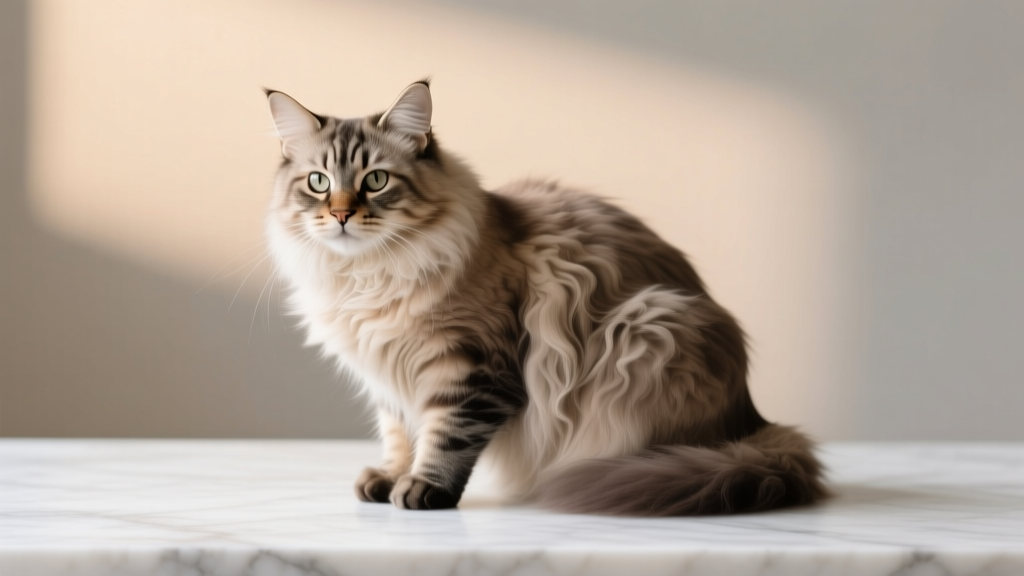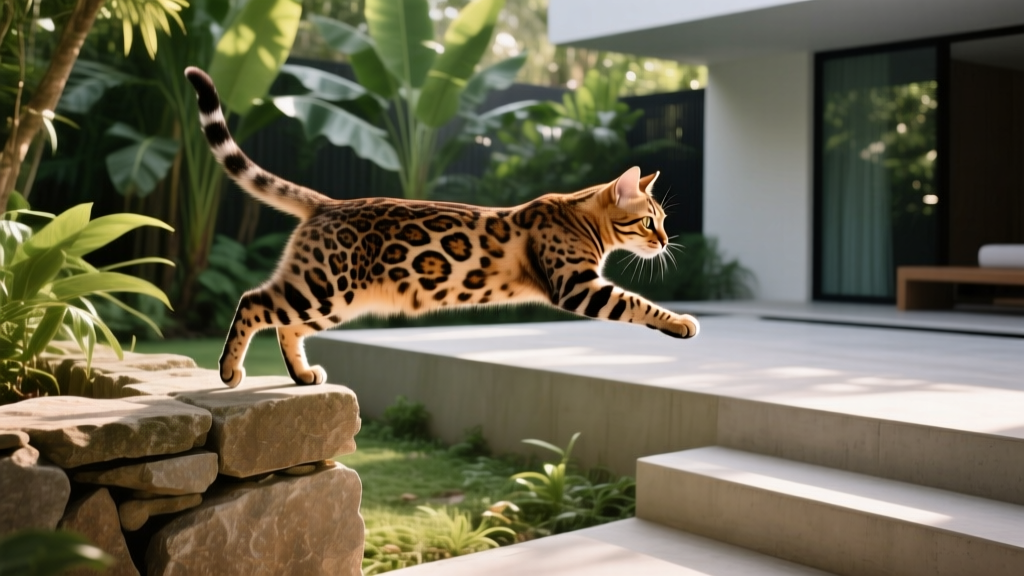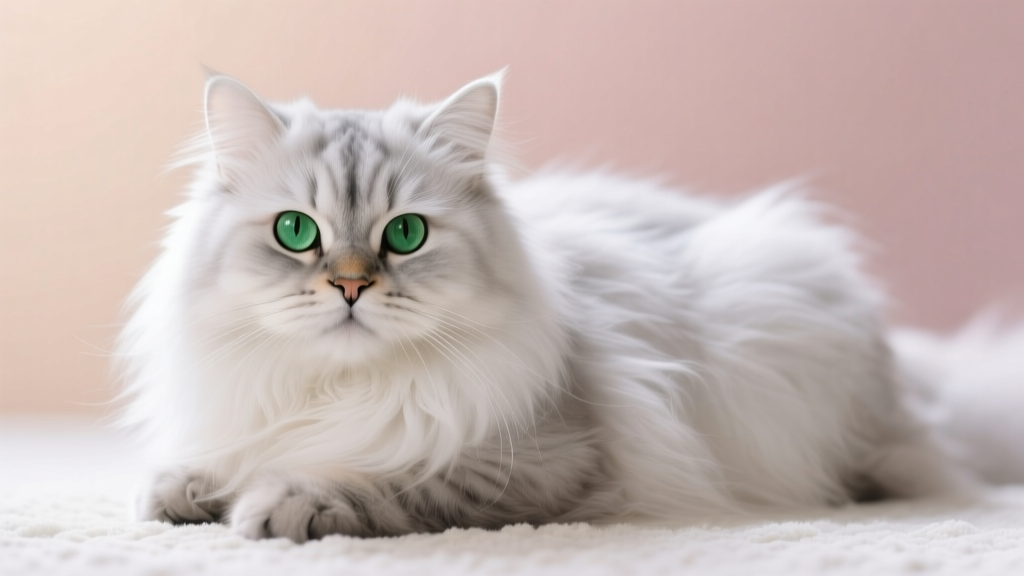
Velvet Cat: Ultra-Soft Coat Texture Breed
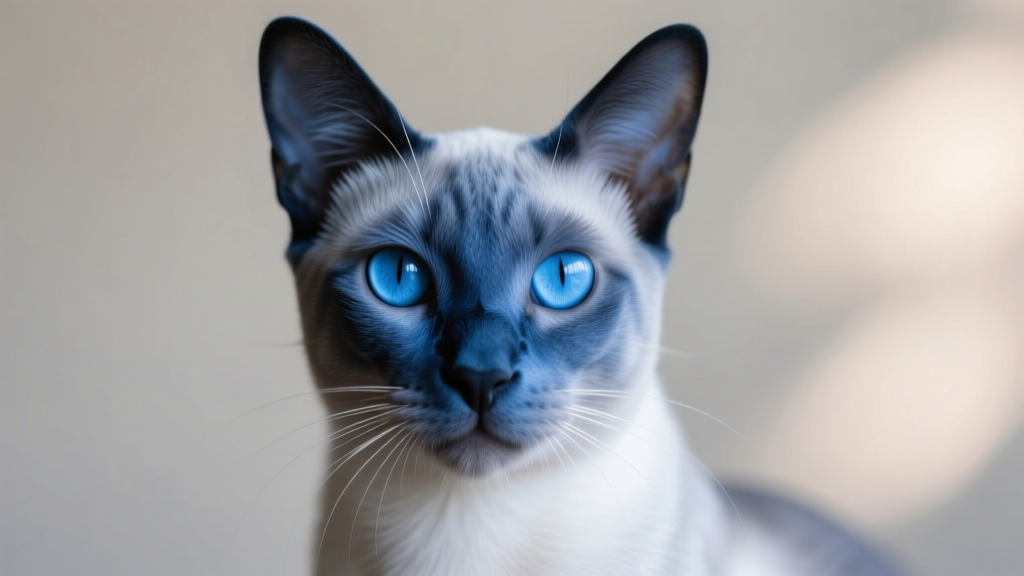
If you’ve ever wished you could bottle the feeling of stroking the softest fabric in your home—then multiply it by “purr”—you’re already dreaming about the Velvet Cat. This is the breed people describe with wide eyes and a grin: a cat whose coat seems to glide under your fingers like plush, warm velvet.
Velvet Cats aren’t just about touch, either. They’re charming companions with a people-focused nature and a calm confidence that fits beautifully into modern homes. Whether you’re a first-time cat guardian or a longtime breed researcher, this ultra-soft coat texture breed is one of the most “must-meet” feline personalities around.
Below, you’ll find everything you need to know—from the Velvet Cat’s origin story and signature coat to health, care, and real-life compatibility—so you can decide whether this silky sweetheart belongs in your family.
Breed History and Origin
The “Velvet Cat” is a popular nickname most often used for the Cornish Rex and, sometimes, the Devon Rex—two distinct breeds famed for their exceptionally soft, touchable coats. When cat lovers talk about a “velvet coat cat,” they’re usually describing a Rex cat’s unique fur texture: short, fine, and wavy, with a suede-like feel.
For this breed profile, we’re focusing on the Cornish Rex, the classic “velvet” sensation in cat form.
- Origin: Cornwall, England
- Timeframe: 1950s
- Foundation cat: A kitten named Kallibunker, born with a naturally curly coat due to a genetic mutation
In 1950, a barn cat litter in Cornwall produced a curly-coated kitten unlike anything seen before. Breeders recognized something special and began carefully developing the line. Over time, the Cornish Rex became known not only for its ultra-soft coat texture, but also for its athletic body, oversized ears, and playful, affectionate temperament. Today, major cat associations recognize the Cornish Rex, and the breed has devoted fans worldwide—especially among people who adore a cat that feels as luxurious as it looks.
Physical Characteristics
The Cornish Rex (aka the “Velvet Cat”) looks like a sleek sprinter wrapped in soft plush. Their body is fine-boned but muscular, and their coat is famously short and rippled.
| Feature | What to Expect |
|---|---|
| Size | Small to medium |
| Weight | Typically 6–10 lb (2.7–4.5 kg) |
| Body Type | Slender, arched back, deep chest, athletic musculature |
| Coat | Very short, fine, wavy; “velvet” or “suede” feel |
| Shedding | Generally low, but varies by individual |
| Colors & Patterns | Comes in a wide range: solids, tabby, bicolor, tortoiseshell, colorpoint, and more (depending on registry standards) |
| Distinctive Features | Large ears, egg-shaped head, high cheekbones, long legs, whip-like tail |
The Coat: The True “Velvet” Signature
Cornish Rex cats have a coat made mostly of down hair (the soft undercoat layer), rather than the typical mix of guard hairs, awn hairs, and down. That’s why the fur feels so different—extra fine, springy, and unbelievably soft. Their waves are often described as “marcel waves,” forming ripples across the body.
- Texture: Ultra-soft, plush, warm to the touch
- Length: Short and close-lying
- Pattern of fur: Wavy or curly across the body, including the tail and sometimes the whiskers
Personality and Temperament Traits
If the coat draws you in, the personality makes you stay. Velvet Cats (Cornish Rex) are famous for being social, playful, and people-oriented. Many behave like a joyful mix of cat, little acrobat, and devoted best friend.
- Affectionate: They love laps, shoulders, and being close to “their” humans.
- Playful into adulthood: Expect zoomies, toy obsession, and impressive jumps.
- Smart and curious: Puzzle toys, training, and interactive play keep them thriving.
- Outgoing: Many Cornish Rex cats greet visitors and follow you from room to room.
- Warmth-seeking: They often snuggle under blankets or find sunny spots—partly personality, partly because their short coat offers less insulation.
This breed tends to do best with humans who enjoy an engaged companion. If you want a cat who quietly decorates the windowsill all day, a Velvet Cat might surprise you with how involved they want to be in your life.
Health Considerations and Common Issues
Cornish Rex cats are generally robust, but like many purebred cats, they can have known health considerations. Choosing an ethical breeder who health-tests their lines (and provides documentation) makes a meaningful difference.
- Hypertrophic cardiomyopathy (HCM): A heart condition seen in many breeds. Reputable breeders often screen breeding cats.
- Patellar luxation: A kneecap issue that can range from mild to more serious.
- Skin sensitivity: Their coat is short and fine; some individuals may be prone to oily skin or irritation if grooming routines aren’t well matched.
- Temperature sensitivity: Not a disease, but a practical concern—some Cornish Rex cats get chilly easily.
Routine veterinary care, maintaining a healthy weight, and early attention to any changes in breathing, mobility, or skin condition will help your Velvet Cat stay in top form.
Care Requirements (Grooming, Exercise, Diet)
Grooming
You might assume a short coat means zero grooming—Velvet Cats are easy, but not entirely “no-maintenance.” Their fur can be delicate, so gentle is the golden rule.
- Brushing: Often minimal. A soft grooming glove or very gentle brush occasionally is plenty for many cats.
- Bathing: Some Cornish Rex cats may need occasional baths if skin becomes oily (frequency varies—some rarely need it, others benefit from a monthly or every-few-months routine).
- Ears: Large ears can collect wax—check weekly and clean as your vet recommends.
- Nails: Trim every 2–4 weeks, depending on growth and scratching habits.
Exercise and Enrichment
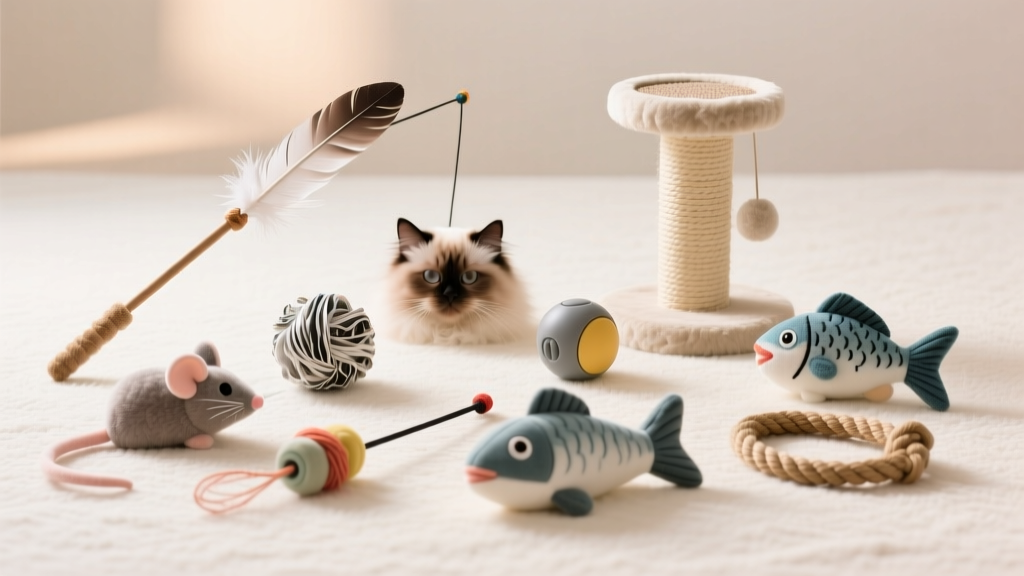
This is an athletic breed. A bored Velvet Cat will invent entertainment (and you may not love their creative choices). Aim for daily interactive play.
- Play sessions: 2–3 short sessions daily with wand toys, balls, or chase games
- Vertical space: Cat trees, shelves, window perches
- Brain work: Treat puzzles, clicker training, hide-and-seek toys
Diet
A Cornish Rex’s sleek physique can fool people into underfeeding or overfeeding. Feed for lean muscle and steady energy.
- High-quality protein: Look for named animal proteins as primary ingredients.
- Portion control: Use measured meals or vet-guided free-feeding depending on your cat’s body condition.
- Hydration: Many cats drink more with fountains; wet food can also support hydration.
If your Velvet Cat seems constantly hungry, talk to your vet before increasing portions—active cats may need more calories, but appetite changes can also signal health issues.
Compatibility with Families, Children, and Other Pets
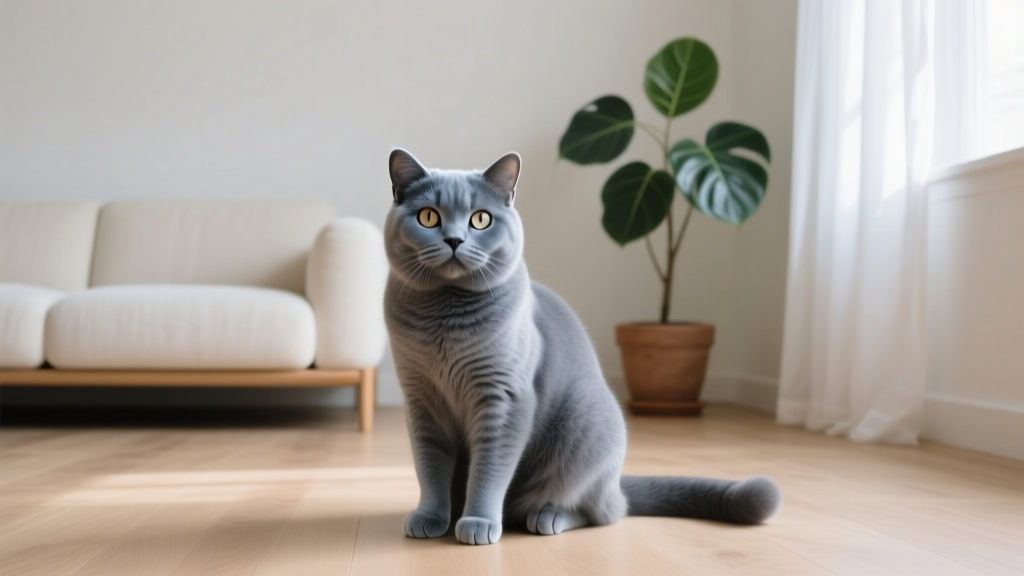
Velvet Cats tend to be wonderfully adaptable, especially when socialized early. They thrive in homes where someone has time to interact with them.
- Families: Great match—this breed often loves being part of the action.
- Children: Typically good with respectful kids who understand gentle handling and play rules.
- Other cats: Often friendly, especially with gradual introductions and enough resources (litter boxes, resting spots, feeding stations).
- Dogs: Many do well with cat-savvy dogs; slow introductions are key.
Because they’re social, some Cornish Rex cats dislike being alone all day. If your schedule is intense, consider adopting two compatible cats or ensuring regular engagement through enrichment and sitter visits.
Pros and Cons of Owning This Breed
| Pros | Cons |
|---|---|
| Ultra-soft velvet coat texture that’s truly unique | Can get chilly easily; may seek warmth constantly |
| Affectionate, people-focused, often loves cuddles | May become lonely or bored without enough interaction |
| Playful, athletic, fun to train and enrich | Needs daily play and mental stimulation |
| Generally low shedding compared to many breeds | Not truly “hypoallergenic” (all cats produce allergens) |
| Striking look: big ears, wavy coat, elegant build | May require ear cleaning and occasional baths for skin oils |
FAQ: Velvet Cat (Cornish Rex) Questions
Are Velvet Cats hypoallergenic?
No cat is truly hypoallergenic. Cornish Rex cats may shed less than many breeds, but allergies are usually triggered by proteins in saliva and skin dander (like Fel d 1), not just fur. Some allergy sufferers do better with Rex breeds, but it’s individual—spend time with the cat before committing.
Do Cornish Rex cats really feel like velvet?
Yes—their coat is famously soft and plush, often compared to velvet or suede. The texture comes from a coat made primarily of down hair, with a short, wavy structure.
How much grooming does a Velvet Cat need?
Usually not much brushing, but they may need occasional bathing and regular ear checks. Their grooming needs are often more about skin and ears than shedding.
Are Velvet Cats good for apartment living?
They can be excellent apartment cats as long as they get enough enrichment: vertical climbing space, interactive play, and toys that challenge their brains and bodies.
Do Cornish Rex cats like to be held?
Many do. They’re often affectionate and people-oriented, though each cat has preferences. Gentle handling and positive experiences from kittenhood make a big difference.
What’s the difference between a Cornish Rex and a Devon Rex “velvet coat” cat?
Both can have very soft, wavy coats, but they are separate breeds with different head shapes, coat patterns, and genetics. Cornish Rex coats tend to have more uniform waves, while Devon Rex coats can appear more tousled or patchy in some individuals. Temperaments overlap (both are social), but each cat’s personality still varies.
Warm Thoughts Before You Bring One Home
A Velvet Cat is the kind of companion who turns everyday moments into cozy rituals—morning check-ins, blanket snuggles, playful sprints down the hallway, and that unforgettable soft-to-the-touch coat you’ll never stop petting. If you’re looking for a cat who bonds deeply, stays playful, and brings a little extra magic to your home, the Cornish Rex “Velvet Cat” is a beautiful choice.
Wishing you many purrs and soft-fur cuddles—and if you’re exploring your options, come discover more breed profiles and cat-lover guides on catloversbase.com.