Ragdoll Cats: Temperament, Health, and Care Guide
Origin and History
The Ragdoll breed was developed in the 1960s by Ann Baker in Riverside, California. She bred a white Angora-type cat named Josephine with Birman-like males, creating a large, docile cat known for going limp when picked up.
Physical Characteristics
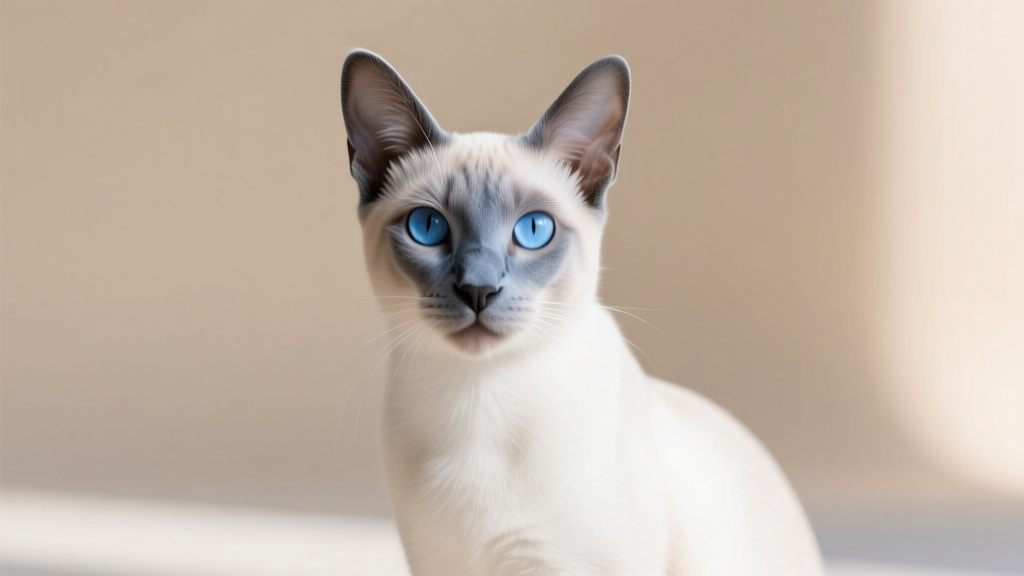
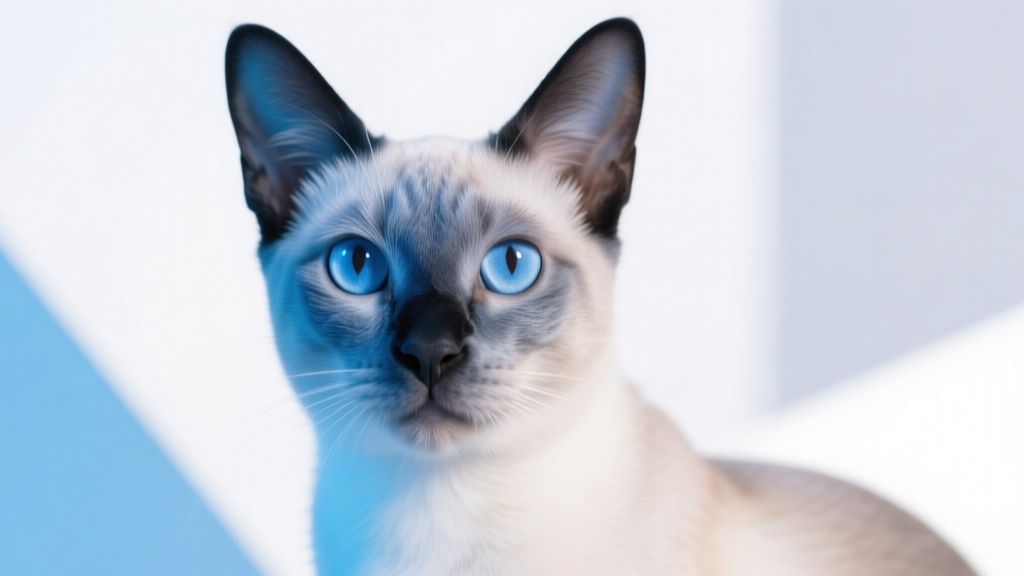
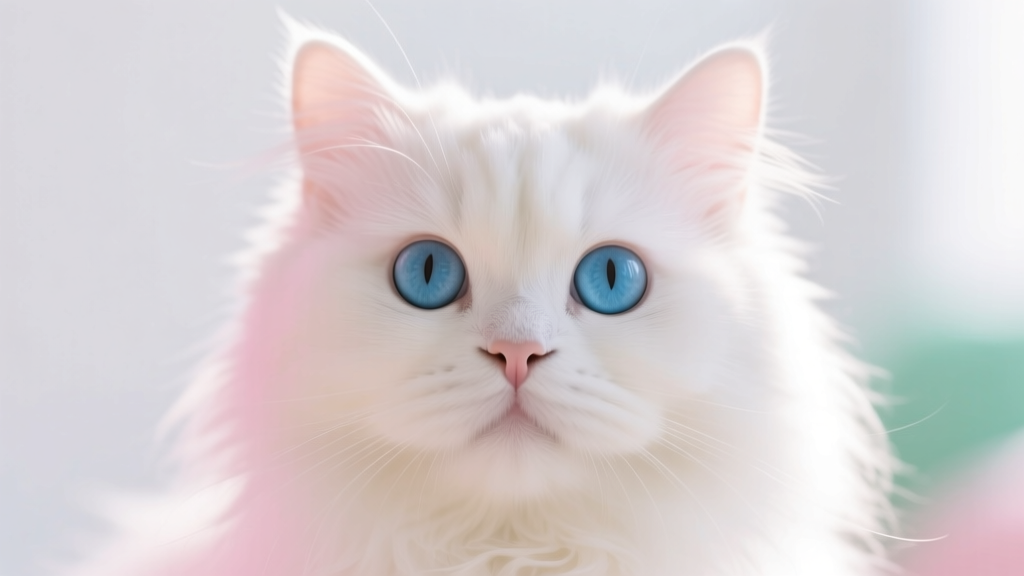
Ragdolls are one of the largest domestic breeds. Males weigh 15-20 pounds, females 10-15 pounds. They have blue eyes, semi-long silky fur, and a colorpoint pattern. Full maturity takes 3-4 years.
Temperament: The Dog-Like Cat
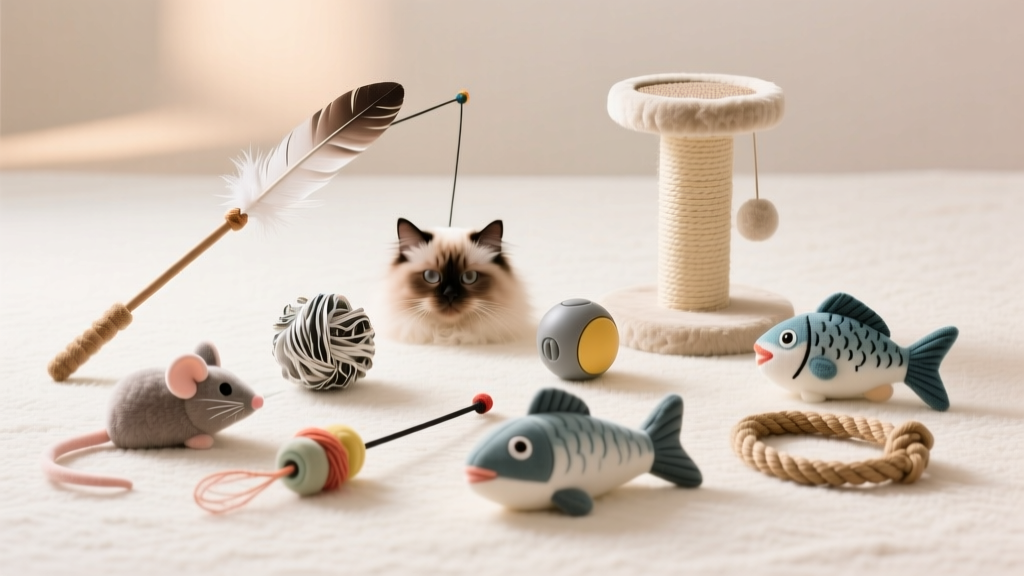
Ragdolls are famous for their placid, affectionate nature. They follow owners room to room, greet visitors, and often learn to fetch. Exceptionally tolerant of children and other pets. Keep them strictly indoors — they don't defend themselves well.
Grooming Requirements
Despite their luxurious coat, Ragdolls have minimal undercoat, meaning less matting. Brush twice weekly with a wide-toothed comb, focusing on armpits and behind the ears.
Common Health Issues
- HCM: About 30% carry the genetic mutation. Reputable breeders test parents.
- PKD: Less common but screened for by responsible breeders.
- Bladder stones: Higher incidence. Ensure hydration with wet food.
- Obesity: Large frame + low activity = weight management essential.
Is a Ragdoll Right for You?
Ragdolls thrive in calm households where someone is home often. They don't do well left alone 10+ hours daily. Perfect for first-time owners, families with children, and anyone wanting a lap cat.